Independent sourcing. Better connections.Commercial buyers · Bulk ingredients
topic

Ingredient testing

A buyer-focused guide to selecting ingredient-specific tests, obtaining representative samples and interpreting results across varied bulk ingredients.

23 ingredients6 published Insights
EXPLORE THE COLLECTION

Ingredient testing ingredients

Feed Ingredients

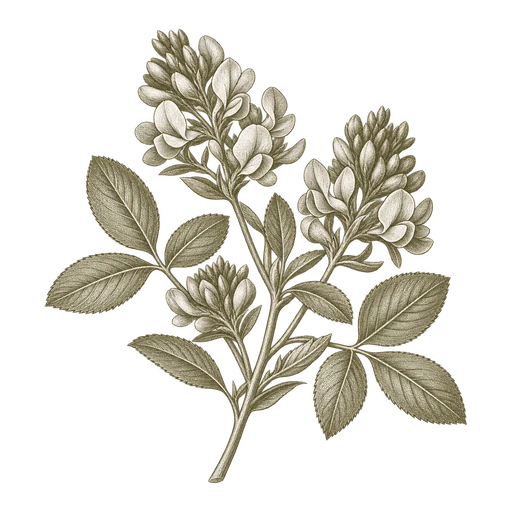
Alfalfa Meal

Alfalfa meal is ground forage used in animal feed, with sun-cured and dehydrated processing routes and meal or pellet forms. Compare the offered process, physical form and analysis against the needs of the species and feed formulation.

Explore ingredient
Feed Ingredients

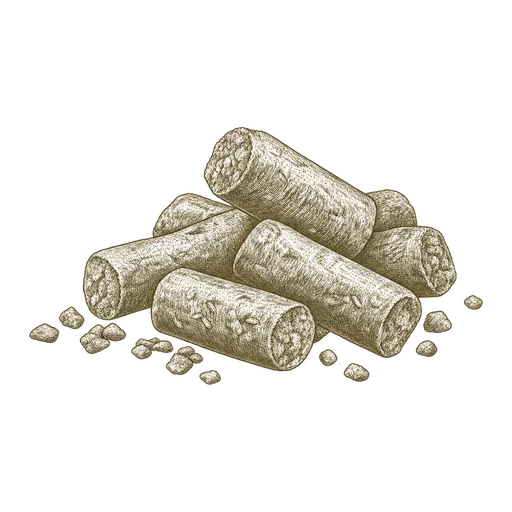
Alfalfa Pellets

Alfalfa pellets are ground, compressed forage used in livestock feeding and compound feeds. Compare the drying process, alfalfa material, forage analysis and pellet characteristics to choose a form that fits your ration and receiving setup.

Explore ingredient
Grains

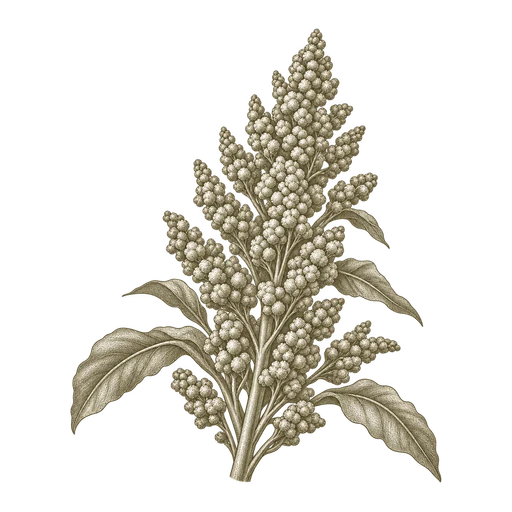
Amaranth

Amaranth can be sourced as grain, leaf meal or whole-plant forage, and those forms are not interchangeable in feed formulation. Specify the plant material, species and processing method, then compare lot analysis suited to the intended animal and use.

Explore ingredient
Pulses

Austrian Winter Peas

Austrian winter peas are a field pea type supplied for uses including cover cropping, forage and livestock feed. Specify whether you need planting seed, dry grain, hay or silage, since each form serves a different purpose and has different quality considerations.

Explore ingredient
Dried Fruits

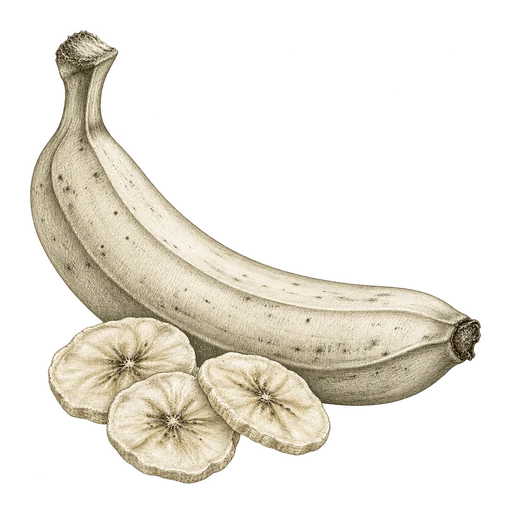
Banana Chips

Banana chips include both fried snack slices and dried banana products for food preparation or flour. Identify the process, added ingredients, and intended use before comparing quality measures and bulk shipment terms.

Explore ingredient
Starches/Fibers/Proteins

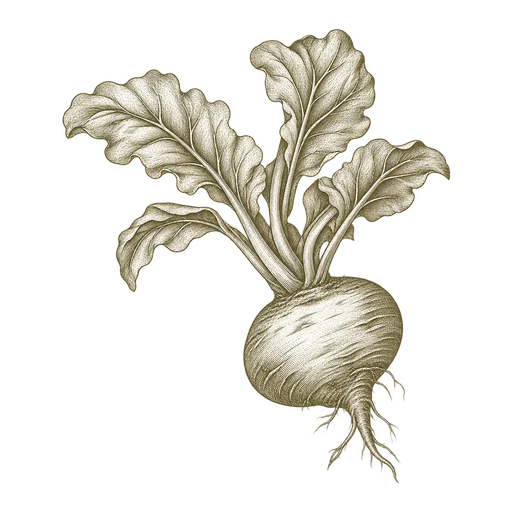
Beet Pulp Shreds

Beet pulp shreds are dried, shredded sugar-beet pulp used as a digestible-fiber ingredient in livestock and horse diets. Compare the offered form, additions and lot analysis, then match the shipment and dry-storage plan to your receiving setup.

Explore ingredient
Sunflower Seeds

Black Oils

Black-oil sunflower seed is a black-hulled oilseed used in bird feeding, oil processing and animal-feed formulations. Specify whole seed or a processed form, then compare lot quality and storage requirements against the intended use.

Explore ingredient
Animal Products

Blood Meal

Blood meal is dried, powdered blood used as a protein ingredient in formulated feed and as a concentrated nitrogen fertilizer. Source, processing and intended use shape which analysis and handling details matter in a bulk purchase.

Explore ingredient
Animal Products

Bone Meal

Bone meal is dried, ground animal bone used as a mineral-bearing ingredient in feed and pet-food formulations. Compare cooked and steamed forms, source species, and calcium and phosphorus analysis to identify the material that fits the intended use.

Explore ingredient
Animal Products

Bovine Plasma

Bovine plasma is a blood-derived ingredient supplied in liquid, concentrated or spray-dried form. Buyers sourcing it for livestock diets or pet-food formulations should compare species origin, processing, analysis and intended use, then match the product form to their receiving and storage setup.

Explore ingredient
Feed Ingredients

Brewer’s Grain

Brewer’s grain, or brewers’ spent grain, is a brewing co-product used particularly in cattle feed. Wet and dried forms differ in moisture, transport burden and storage needs; compare the offered form and lot analysis with your ration and receiving setup.

Explore ingredient
Seeds

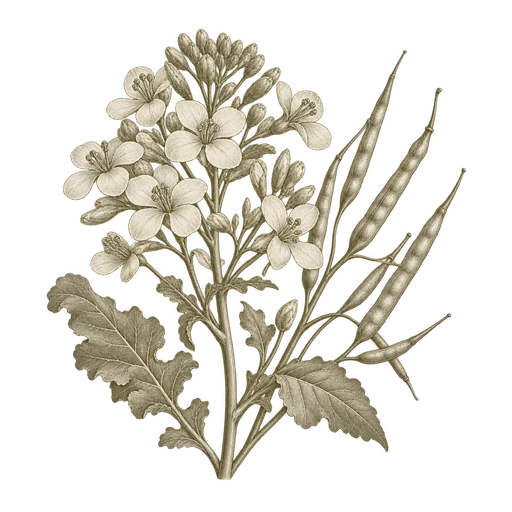
Canola

Canola refers to seed and products including edible oil and feed meal. For bulk sourcing, identify the product and, for meal, compare processing, physical form and lot analysis to match the feed formulation and receiving setup.

Explore ingredient
Dried Vegetables

Carrots

Bulk carrots can mean fresh roots, frozen or dehydrated product, ensiled feed material, or processing by-products such as juice pomace. Identify the exact form and intended use, then compare moisture and analysis on a consistent basis.

Explore ingredient
Animal Products

Catfish Meal

Catfish meal is a rendered feed ingredient made from catfish-processing byproducts. Because raw materials and processing can differ, compare the declared identity, lot analysis and test basis before evaluating its role in a feed formulation.

Explore ingredient
Animal Products

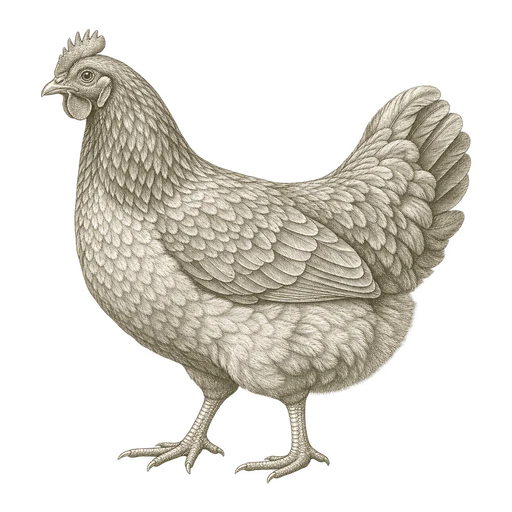
Chicken Meal

Chicken meal is a dry-rendered, ground chicken ingredient used as a protein component in formulated animal foods. Compare its exact ingredient identity, full analysis and analytical basis, then match the offered lot and receiving arrangement to the intended formulation.

Explore ingredient
Feed Ingredients

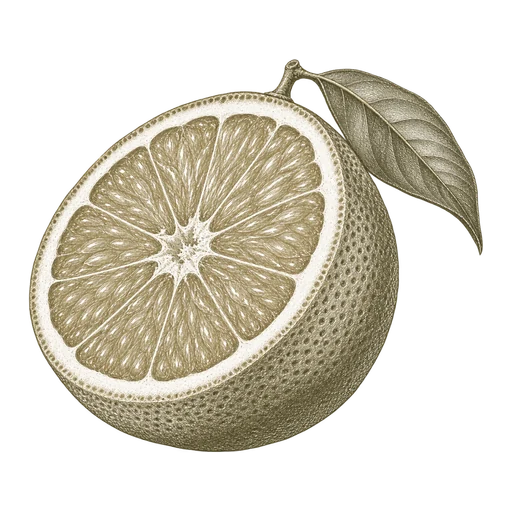
Citrus Pulp

Citrus pulp is a citrus-juice-processing residue used in livestock feed as an energy and fiber ingredient. Compare whole, pressed, dried or pelleted forms by moisture, handling needs and current lot analysis before arranging a bulk order.

Explore ingredient
Oils/Fats

Coconut Oil

Coconut oil is a coconut-kernel oil used in human food and food formulation. Compare processing history, lot-specific quality measures and temperature-handling needs when sourcing a bulk shipment.

Explore ingredient
Feed Ingredients

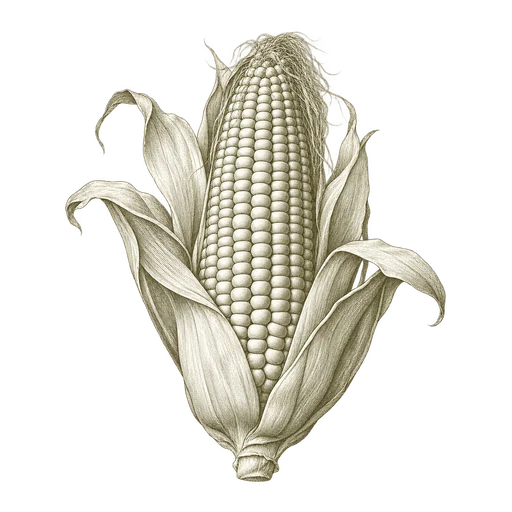
Corn

Corn grain is a major feed ingredient and a raw material for food and industrial processing. Specify whole, cracked or ground form, intended use, lot-quality needs and receiving details to compare bulk offers appropriately.

Explore ingredient
Feed Ingredients

Corn Gluten Meal

Corn gluten meal is a corn wet-milling coproduct used as a concentrated plant-protein ingredient in poultry feed and pet food. Compare the offered form, protein and amino-acid analysis, moisture basis, and xanthophyll when relevant to the formulation.

Explore ingredient
Dried Vegetables

Kelp

Kelp is a group of brown algae supplied in forms such as meal, granules, flakes and powder. For bulk feed or food ingredient sourcing, compare species, physical form and lot analysis—especially iodine for feed—then match packaging and storage to your operation.

Explore ingredient
Animal Products

Menhaden Fish Meal

Menhaden fish meal is a rendered feed ingredient used in aquaculture, poultry, and swine formulations. Compare the offered lot’s analysis, processing details, and handling guidance to match the meal to the intended ration and receiving plan.

Explore ingredient
Grains

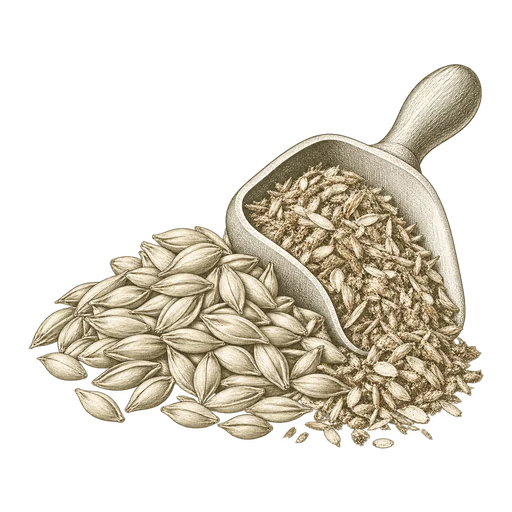
Milo

Milo is grain sorghum used as a starch-rich energy grain in animal feed. Compare whole and processed forms, then match quality measures and receiving details to the species, ration, and facility.

Explore ingredient
Starches/Fibers/Proteins

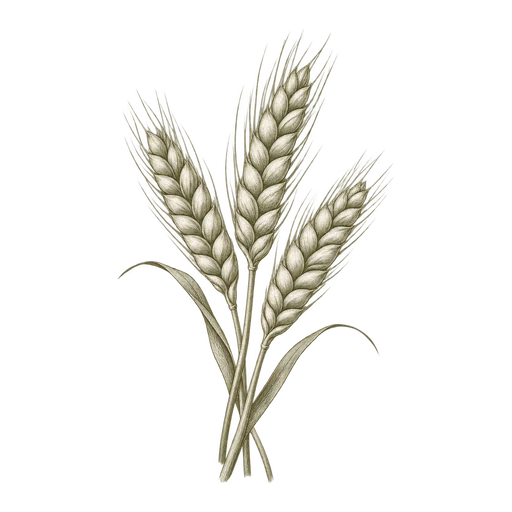
Vital Wheat Gluten

Vital wheat gluten is a dried wheat protein ingredient that develops an elastic, cohesive structure when hydrated. Buyers use it in bread, pasta, meat analogues and some feed formulations; compare its functional properties and quality analysis against the process before choosing a bulk product.

Explore ingredient

Testing varies by ingredient and intended use

This topic covers testing considerations across forages, grains and pulses, processed plant ingredients, oils, marine ingredients and animal-derived ingredients. Examples include alfalfa meal and pellets, corn, Austrian winter peas, coconut oil, menhaden fish meal and bovine plasma. A shared collection does not mean these materials need the same tests or have equivalent specifications.

Start with the declared ingredient identity, physical form, processing method and intended application. A routine nutrient panel can include moisture, crude protein, fat, fiber and ash. Depending on the material and formulation, buyers may also need measures such as minerals, amino acids, fatty-acid profile or forage fiber fractions.

Match the test panel to the question

For forage ingredients, NDF and ADF help describe fiber, while crude protein is commonly measured. Digestibility is not established by a basic nutrient panel alone, and calculated values such as total digestible nutrients are estimates rather than direct assays. For grains such as corn and milo, consider targeted mycotoxin testing when source, season, storage or other risk information warrants it. Specify the analyte, method, units and acceptance limit instead of requesting a generic test.

For any result, clarify whether values are reported as-fed or on a dry-matter basis, and distinguish measured values from calculated estimates or contractual guarantees. Ask whether the laboratory method and any NIRS calibration are appropriate for the ingredient being tested.

Representative samples make results useful

A laboratory result only describes the sample submitted. Agree on how increments will be collected and combined so the sample represents the lot; the right procedure differs for bulk, bagged and stored forage materials. A certificate of analysis is most useful when it identifies the lot, sample date, sampling responsibility, analytes, methods, units and reporting basis. Set testing frequency according to ingredient variability, supplier history, intended use and the consequences of a result outside specification.

Common questions.

Does every bulk ingredient load need testing?+

Not necessarily. Base the schedule on ingredient variability, supplier history, intended use and the impact of a nonconforming result. Targeted hazard testing can be appropriate when material-specific risk factors justify it.

What information should I give a laboratory?+

Identify the ingredient and form, intended use, questions the test should answer, and any acceptance limits. Confirm the required sample quantity and collection method with the laboratory.

What should I check on a certificate of analysis?+

Check that it identifies the relevant lot and states the sample date, sampling responsibility, analytes, methods, units and whether values are as-fed or on a dry-matter basis.

Does a nutrient analysis establish digestibility or safety?+

No. A basic nutrient panel describes measured nutrient concentrations, not digestibility by itself. Safety evaluation also depends on ingredient-specific hazards, intended use and other controls.

Ingredient testing · BUYER INSIGHTS

Go deeper before you source.

Focused guides to the specification, application, and delivery questions behind this ingredient.

FIELD GUIDE01Ingredient testing
Buyer’s guide

Planning receipt and storage of bulk vital wheat gluten

Prepare to receive bulk vital wheat gluten powder by matching the offered packaging to your unloading equipment, protecting the ingredient from moisture and odors, and following the product-specific storage directions.

Read this Insight
FIELD GUIDE02Ingredient testing
Buyer’s guide

Vital wheat gluten as a binder in aquaculture feed

Hydrated vital wheat gluten can contribute protein and binding in extruded fish feed, but pellet performance and nutritional suitability depend on the complete formulation and process.

Read this Insight
FIELD GUIDE03Ingredient testing
Buyer’s guide

How to compare vital wheat gluten protein and functional tests

Protein results for vital wheat gluten are comparable only when the nitrogen conversion factor and reporting basis match. Learn how to interpret moisture, ash, particle size and water-binding tests against a defined use and a lot-specific specification.

Read this Insight
FIELD GUIDE04Ingredient testing
Buyer’s guide

Bulk milo receiving and storage: planning the grain order

Plan bulk milo delivery around site capacity, inspect grain condition at receipt, and monitor moisture, odor, insects, and heating in storage.

Read this Insight
FIELD GUIDE05Ingredient testing
Buyer’s guide

Milo in poultry diets: tannin and formulation questions

Milo can supply energy in poultry diets, but tannin status and amino-acid balance matter when evaluating its role in the complete ration. Understand the lot and the formulation before sourcing.

Read this Insight
FIELD GUIDE06Ingredient testing
Buyer’s guide

Milo grain quality: how to compare grade factors and analysis

Compare milo’s moisture, test weight, kernel condition and foreign material as distinct quality factors, then assess feed-value analysis separately. Consistent methods and representative sampling make lot comparisons more useful.

Read this Insight