Processing route is identifiable
Sun-cured, dehydrated and direct-dehydrated describe different production paths. Identifying the route avoids treating a broad product name as a complete description.
Ingredient intelligence · quote-ready sourcing
Alfalfa meal is ground forage used in animal feed, with sun-cured and dehydrated processing routes and meal or pellet forms. Compare the offered process, physical form and analysis against the needs of the species and feed formulation.
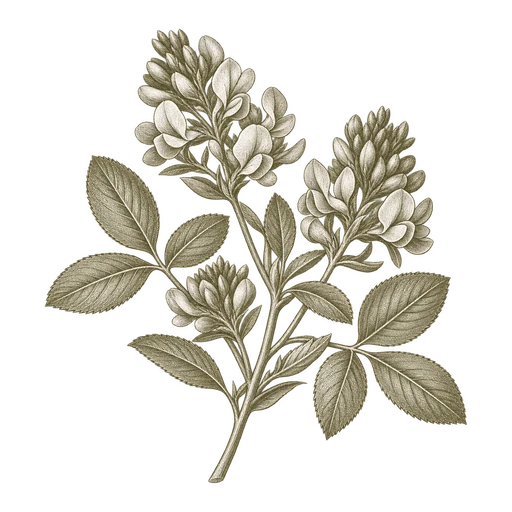
Alfalfa meal is ground alfalfa forage used as an animal-feed ingredient. Sun-cured meal is made from forage dried by solar means, stored as hay, and then ground. Dehydrated meal is thermally dried under controlled conditions; direct-dehydrated meal does not first pass through hay storage.
Meal and pellets are distinct physical forms. The processing route and form identify what is being offered, while the lot analysis is needed to compare nutrient measures for a particular feed program. Alfalfa meal is separate from alfalfa leaf protein concentrate and alfalfa nutrient concentrate.
Sun-cured, dehydrated and direct-dehydrated describe different production paths. Identifying the route avoids treating a broad product name as a complete description.
Crude protein and crude fiber provide different information about a feed ingredient. Comparing their values on a consistent basis helps a nutritionist evaluate the offered lot.
Ground meal and pellets are different forms of alfalfa feed. Naming the required form helps align the product with a facility’s handling and storage arrangements.
Beta-carotene analysis may be relevant when alfalfa meal is considered for carotenoid pigments in poultry feed. The presence of pigment data does not determine an appropriate ration inclusion level.
| Characteristic | Why it matters |
|---|---|
| Processing route | Distinguishes sun-cured, dehydrated and direct-dehydrated meal. |
| Crude protein | Supports comparison of the offered feed analysis with formulation needs. |
| Crude fiber | A relevant measure for evaluating fiber characteristics in the ration. |
| Neutral detergent fiber | A separate fiber measure; do not treat it as interchangeable with crude fiber. |
| Beta-carotene | May be relevant when carotenoid pigments are part of the application. |
| Moisture and physical form | Help characterize the offered product for handling and storage planning. |
Request lot-specific values, the measurement basis and test methods for the offered product. No numerical values are stated here as a guaranteed specification.
Crude protein and crude fiber are useful comparison measures for alfalfa meal. They describe different aspects of the ingredient, and a buyer should compare them using the same reporting basis. For non-ruminant diets, fiber is an important formulation consideration; crude fiber and neutral detergent fiber are different measures and should not be treated as equivalent.
Where alfalfa meal is being considered for its carotenoid pigments, beta-carotene data may also be relevant. Ask for the offered lot’s analysis, including its measurement basis and method, rather than treating a general ingredient description as a specification. Moisture, particle or pellet characteristics, and controls for mold and foreign material can also matter to a feed program and receiving operation.
Ruminant diets use alfalfa in several forage forms, including dehydrated product. Alfalfa forage is valued for protein and calcium, but the nutrient value of a particular meal depends on its actual analysis and processing. A nutritionist can compare that analysis with the rest of the ration rather than relying on general forage characteristics.
In poultry feed, dehydrated alfalfa meal can contribute carotenoid pigments used to influence yolk or tissue color. Its fiber and other composition characteristics also affect the formulation, so pigment goals do not establish an appropriate inclusion level. In pig diets, the role of alfalfa meal depends on the production phase and full ration; fiber considerations differ between growing pigs and gestating sows. These uses call for species- and diet-specific formulation, not a universal rate.
Ground meal and pellets have different physical forms, so the right receiving arrangement depends on the offered product and the facility’s equipment. Specify whether you need meal or pellets and describe how your operation receives and stores feed ingredients. Packaging and shipment arrangements should be matched to those requirements rather than assumed from the product name.
Keep alfalfa meal protected from moisture during storage and handling, and include any receiving constraints in the shipment discussion. For a useful comparison, identify the processing route, physical form, quantity and unit, destination, intended species, required analysis, and packaging or unloading needs. Commercial terms, including available packaging and freight, depend on the specific offer.
Alfalfa forage is used in ruminant diets in multiple forms, including dehydrated product. Compare the meal’s actual protein, fiber and other analysis with the complete ration rather than assuming forage-level characteristics apply to every processed lot.
Dehydrated alfalfa meal may be used as a source of carotenoid pigments for yolk or tissue color. Fiber and other composition characteristics also matter, so the role and amount belong in species- and diet-specific formulation.
Alfalfa meal’s fiber contribution has to be considered in the context of the pig’s production phase and full diet. Formulation considerations differ between growing pigs and gestating sows; a general inclusion rate does not fit every ration.
Feed manufacturers can evaluate meal or pellets as forage ingredients in formulated feeds. The selected physical form, processing route and lot analysis should fit the product design and the plant’s receiving arrangements.
Meal is ground and pellets are a separate physical form. Describe which form your facility can receive and store so the shipment arrangement can be evaluated against your equipment.
Include moisture protection and storage arrangements in handling plans for alfalfa meal. The appropriate packaging and shipment method depend on the specific offer and destination.
Alfalfa is a forage legume sourced as hay, silage, meal or pellets for livestock feed. Match the form to receiving and ration needs, then compare a lot-specific analysis on a consistent basis.
Explore ingredientAlfalfa pellets are ground, compressed forage used in livestock feeding and compound feeds. Compare the drying process, alfalfa material, forage analysis and pellet characteristics to choose a form that fits your ration and receiving setup.
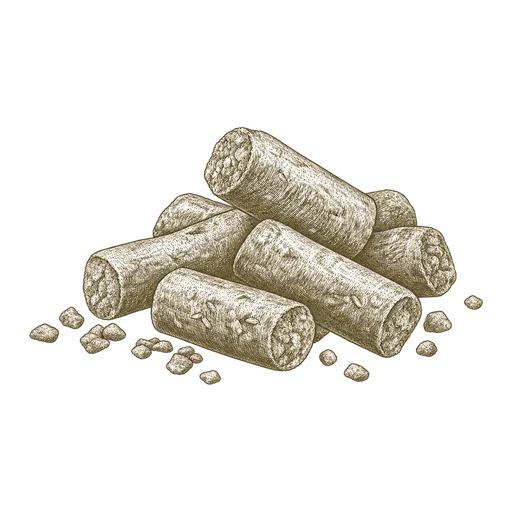
Explore ingredientBeet pulp pellets are a dried, compacted sugar beet co-product used as a fibrous, energy-bearing ingredient in livestock feed. Compare molasses status, lot analysis and pellet handling needs to match the product to your ration and receiving setup.
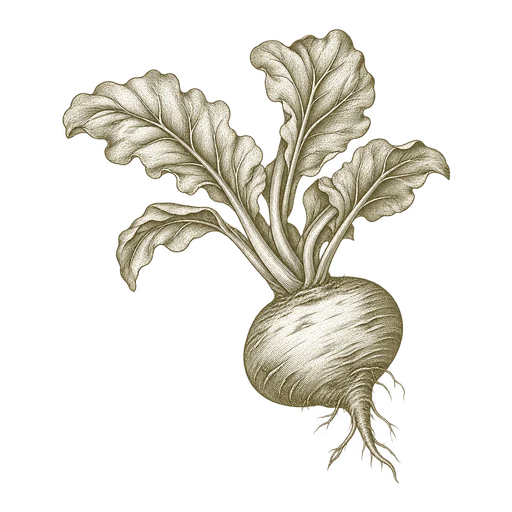
Explore ingredientBeet pulp shreds are dried, shredded sugar-beet pulp used as a digestible-fiber ingredient in livestock and horse diets. Compare the offered form, additions and lot analysis, then match the shipment and dry-storage plan to your receiving setup.
Explore ingredientFocused guides to the specification, application, and delivery questions behind this ingredient.
Plan bulk alfalfa meal receiving around the product form, moisture protection, packaging, unloading equipment and dry storage capacity.
Read this InsightAlfalfa meal raises different formulation questions in poultry, growing pigs and gestating sows. Compare pigment objectives, fiber and nutrient composition against the complete diet and the intended animal group.
Read this InsightA practical guide to comparing alfalfa meal crude protein, crude fiber and NDF results—covering reporting basis, lot and method context, and when moisture or beta-carotene analysis adds useful information.
Read this InsightSun-cured meal is made from alfalfa dried by solar means, stored as hay, and then ground. Dehydrated meal is thermally dried under controlled conditions; direct-dehydrated meal is not first stored as sun-cured hay. Ask for the specific process because the name alfalfa meal alone does not identify it.
Start with crude protein and crude fiber, and compare values on the same reporting basis. Depending on the application, also request neutral detergent fiber, moisture, physical-form details and beta-carotene data. Use the offered lot’s specification or analysis rather than assuming a general value applies.
The processing route, meal or pellet form, quantity, destination, packaging and freight arrangements all affect a delivered quote. Include your receiving requirements and the quality measures needed for your feed program when requesting pricing.
Send your volume, destination, and key specifications. A broker can follow up with availability and commercial terms.