Compact physical form
Pelleting compacts dried beet pulp, distinguishing it from wet pulp and loose dried shreds. Pellet condition and fines can matter when matching the product to a feed mill’s handling and mixing equipment.
Ingredient intelligence · quote-ready sourcing
Also searched as Sugar beet pulp pellets
Beet pulp pellets are a dried, compacted sugar beet co-product used as a fibrous, energy-bearing ingredient in livestock feed. Compare molasses status, lot analysis and pellet handling needs to match the product to your ration and receiving setup.
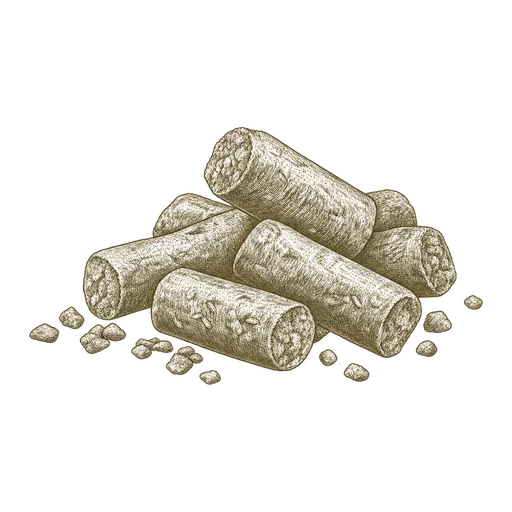
Beet pulp is the fibrous material remaining after sugar is extracted from sugar beets. Pellets are a dried, compacted form; beet pulp is also supplied wet or as dried shreds, which differ in physical handling.
Whether molasses was added and how the pulp was dried can affect composition. A current specification and lot analysis are the practical basis for comparing pellet offers and formulating with them.
Pelleting compacts dried beet pulp, distinguishing it from wet pulp and loose dried shreds. Pellet condition and fines can matter when matching the product to a feed mill’s handling and mixing equipment.
Beet pulp contributes fiber and energy in livestock rations. Its role depends on the full diet and the analyzed lot, so nutritionists need product-specific composition rather than an assumption based on the ingredient name.
Molasses addition and drying history can influence composition. Identifying these details helps buyers compare offers whose shared name does not guarantee the same product characteristics.
| Characteristic | Why it matters |
|---|---|
| Molasses status and processing | Clarifies how the product was made and helps explain differences between offers. |
| Dry matter or moisture | Shows the product’s moisture basis and supports consistent comparison of analysis. |
| Crude protein and fiber | Protein and NDF/ADF help a nutritionist assess the ingredient’s contribution to a ration. |
| Energy estimate | Helps evaluate the ingredient’s role in the complete feed formulation. |
| Calcium and phosphorus | These minerals affect ration balance, including in horse diets. |
| Pellet condition and fines | Relevant to receiving, handling and incorporation into a feed-mixing process. |
General reference values for dry beet pulp are not guaranteed specifications for beet pulp pellets. Compare the offered lot’s analysis and analytical basis.
Pelleting changes how beet pulp is handled and incorporated compared with loose, dried shreds; it does not by itself tell you the nutrient profile or whether molasses is present. Specify whether molasses addition matters to your formulation, and compare pellet condition and fines if they affect your equipment or mixing process.
In cattle rations, beet pulp can contribute energy and fiber. For horses, it is used as a fiber and energy source and can serve as a partial hay replacement in some diets. The suitable role depends on the animal’s full ration and the analyzed product, not on the ingredient name alone.
Pellet size, fines, moisture and packaging influence how a shipment can be received and handled at a particular facility. Confirm the offered packaging and unloading requirements against your receiving equipment rather than assuming all beet pulp pellets flow or unload in the same way.
Protect stored pellets from moisture and deterioration, and keep them separate from materials that could contaminate feed. Ask for the offered product’s storage guidance and moisture information when planning the receiving and storage arrangement.
A clear request identifies beet pulp pellets, whether molasses addition is acceptable, quantity and units, destination, timing, packaging or unloading needs, and the quality measures required by your feed program. Delivered price depends on the offered product and quantity as well as destination and freight arrangements; the broker handling the inquiry can provide terms for a specific offer.
Beet pulp can contribute energy and fiber to cattle rations. Its role and amount depend on the full ration and the analyzed lot; a nutritionist should assess it alongside the other feed ingredients.
Beet pulp is used as a fiber and energy source and can serve as a partial hay replacement in some diets. Its relatively high calcium content makes mineral balance, including phosphorus, relevant to ration planning.
Pellets offer a compact form for feed handling and blending. Confirm pellet condition, fines and receiving compatibility where these characteristics affect the mill’s equipment or finished-feed process.
Identify beet pulp pellets, molasses preference, quantity and units, destination, and required timing. These details define the product and delivery requirement for a specific offer.
Describe the packaging needed and how your facility unloads and handles pellets. Confirm compatibility with receiving equipment and any constraints that could affect acceptance of the shipment.
Plan storage that protects the pellets from moisture and deterioration, and keeps them separate from potential contaminants. Use the offered product’s moisture information and storage guidance when setting up handling procedures.
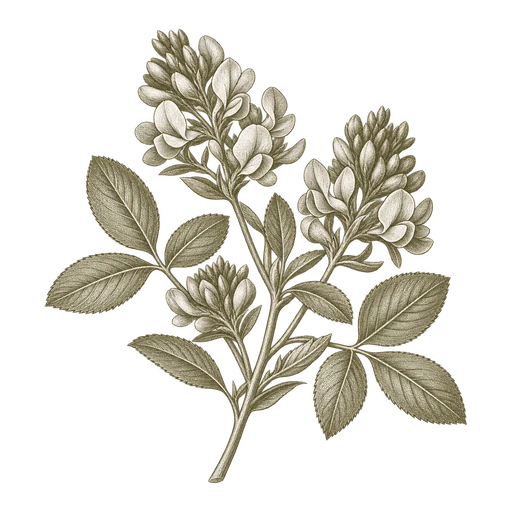
Alfalfa is a forage legume sourced as hay, silage, meal or pellets for livestock feed. Match the form to receiving and ration needs, then compare a lot-specific analysis on a consistent basis.
Explore ingredientAlfalfa meal is ground forage used in animal feed, with sun-cured and dehydrated processing routes and meal or pellet forms. Compare the offered process, physical form and analysis against the needs of the species and feed formulation.
Explore ingredientAlfalfa pellets are ground, compressed forage used in livestock feeding and compound feeds. Compare the drying process, alfalfa material, forage analysis and pellet characteristics to choose a form that fits your ration and receiving setup.
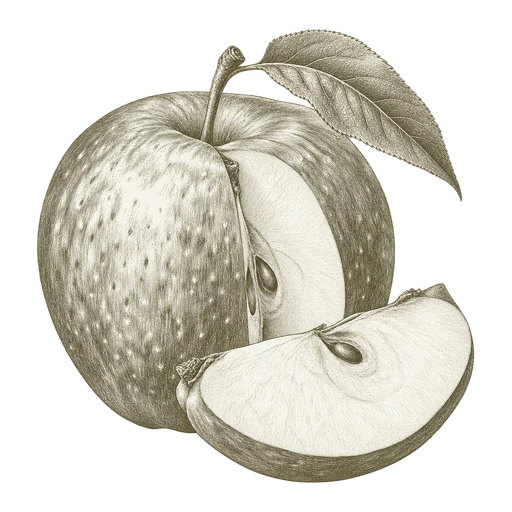
Explore ingredientApple pomace is an apple-pressing residue used in ruminant feed. Wet, dried and ensiled forms differ in moisture and preservation, so compare the actual form and lot analysis when assessing its role in a ration and planning bulk handling.
Explore ingredientNo. Beet pulp pellets can be made with or without added molasses. The product name alone does not establish molasses status, so specify your preference and compare the offered product details.
Start with dry matter or moisture, crude protein, fiber measures such as NDF and ADF, and an energy estimate. Calcium and phosphorus also matter for ration balancing, particularly in horse diets. Compare current lot information on a consistent basis rather than treating general dry-beet-pulp values as guaranteed pellet specifications.
The offered product, quantity, destination, timing and freight arrangement all affect delivered price. Include packaging and receiving requirements in the request because they help define the shipment that can serve your facility.
Send your volume, destination, and key specifications. A broker can follow up with availability and commercial terms.