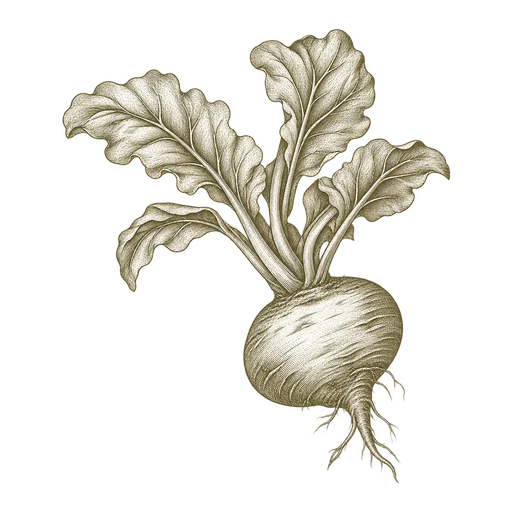
Beet pulp shreds are dried, shredded sugar-beet pulp used as a digestible-fiber ingredient in livestock and horse diets. Compare the offered form, additions and lot analysis, then match the shipment and dry-storage plan to your receiving setup.
Beet pulp shreds are the fibrous material remaining after sugar is extracted from sugar beets. The pulp is mechanically pressed and dried to make shreds, a feed form distinct from wet pulp and pellets.
02
Beet pulp supplies digestible fiber in livestock and horse feeding contexts. Its contribution to a ration depends on the animal, the rest of the diet and the analyzed product; a form or analysis for another beet-pulp product should not be assumed to apply.
03
Commercial comparison starts with product identity and analysis. Establish whether the shreds are plain pulp or include molasses or other additions, and compare moisture or dry matter and nutrient measures on a consistent basis.
Digestible-fiber role
Beet pulp is used as a digestible-fiber ingredient and can contribute supplemental energy in some beef-cattle diets. Its role depends on the full ration and the product’s analyzed composition, rather than the ingredient name alone.
Dried shredded form
Pressing and drying distinguish shreds from wet pulp, while the shredded form is physically different from pellets. That difference matters when matching the product to a mixing process, feeding plan and receiving setup.
Analysis basis matters
Moisture changes the relationship between delivered weight and dry matter. Comparing nutrient values on the same as-fed or dry-matter basis makes the figures more useful for formulation.
SPECIFICATIONS
Beet Pulp Shreds specifications.
Lot-specific measures for evaluating beet pulp shreds
Characteristic
Why it matters
Moisture and dry matter
Describe water content and help interpret the amount of dry product in a delivered weight.
Crude protein
Provides a composition measure for evaluating the ingredient within a ration.
NDF and ADF
Fiber measures used to characterize the product for feed formulation.
Sugars, ash and minerals
Help distinguish composition and assess fit with the intended ration.
Product identity and additions
Establish whether the product is plain beet pulp or includes molasses or other additions.
Request current lot documentation and compare results on a consistent basis. Typical figures from an individual producer are not guaranteed values for other offers.
Which analysis to compare
A lot-specific analysis helps determine how beet pulp shreds fit a ration. Moisture and dry matter describe how much of the delivered weight is water; crude protein, NDF and ADF describe additional aspects of composition. Sugars, ash and mineral concentrations can also matter to a formulation.
Compare values on the same basis: dry-matter figures and as-fed figures are not interchangeable. A typical analysis published for one producer is not a guaranteed specification for another product or lot. Also establish whether the shreds are plain beet pulp or have molasses or other additions, since identity and composition affect how an analysis should be interpreted.
Shreds, pellets and wet pulp
Shredded, pelleted and wet forms are distinct physical products. A formulation or receiving system designed around one form should not assume another will handle or analyze the same way. Ask for a description of the offered product and particle-size information when those details affect mixing, storage or feeding.
Beet pulp is not a complete substitute for forage in every feeding program. In particular, horse-specific guidance on maintaining hay or pasture applies to horses and should not be generalized to other animals. Have a qualified nutrition professional assess the ingredient against the species, ration and analyzed product.
Plan receiving and dry storage
For a bulk order, specify whether you need dried shreds, the quantity and unit, destination, and timing. Explain how the receiving site unloads and stores feed ingredients, and identify packaging or bulk arrangements the site can handle. The available format and shipment terms depend on the offered product and order.
Keep dried beet pulp shreds protected from water and follow the handling and storage instructions for the actual lot. A producer statement about storage life is not a universal shelf-life guarantee. Moisture, product condition and the site’s storage setup matter when planning how much to receive and how to protect it.
APPLICATIONS
Common uses for beet pulp shreds.
01
Beef-cattle diets
Beet pulp can serve as supplemental energy in beef-cow diets and as a fiber source in backgrounding and finishing rations. Its place in a ration depends on the animal, other ingredients and current product analysis.
02
Horse diets
Beet pulp is used as a fiber and calorie source in horse feeding. Soaking practices and forage decisions are horse-specific; consult an equine nutrition professional rather than applying guidance from another species.
03
Commercial feed formulation
Feed formulators can evaluate beet pulp shreds as a fiber ingredient using the offered lot’s analysis. Physical form, moisture basis and any additions should be clear before comparing it with other ingredients.
ORDERING & DELIVERY
Beet Pulp Shreds delivery.
POINT 01
Define the order
State that the requirement is for dried beet pulp shreds, identify whether additions are acceptable, and provide quantity, unit, destination and timing. These details help align the offered product and freight with the feed program.
POINT 02
Match shipment to receiving
Describe the receiving site’s unloading method and the packaging or bulk arrangement it can handle. These constraints matter because the suitable shipment arrangement depends on the destination and the offered product.
POINT 03
Keep the shreds dry
Plan storage that protects dried beet pulp shreds from water and follow the handling instructions for the actual lot. Do not assume a universal storage duration; product condition and the storage setup affect how the material should be managed.
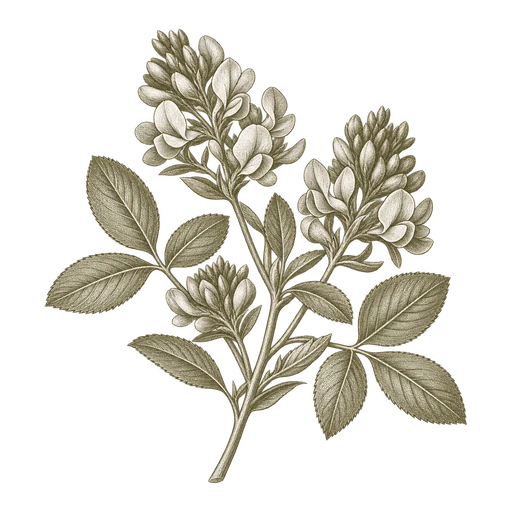
Alfalfa is a forage legume sourced as hay, silage, meal or pellets for livestock feed. Match the form to receiving and ration needs, then compare a lot-specific analysis on a consistent basis.
Alfalfa meal is ground forage used in animal feed, with sun-cured and dehydrated processing routes and meal or pellet forms. Compare the offered process, physical form and analysis against the needs of the species and feed formulation.
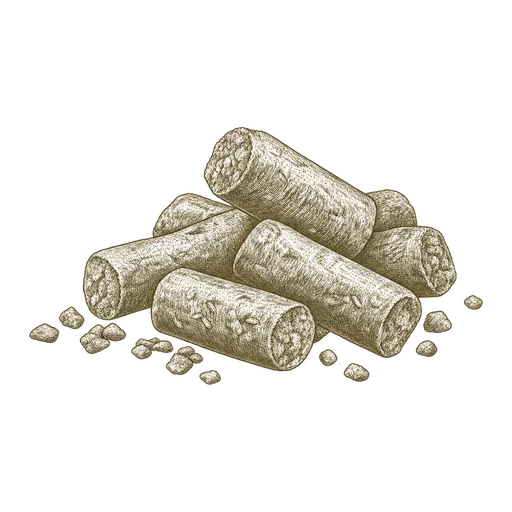
Alfalfa pellets are ground, compressed forage used in livestock feeding and compound feeds. Compare the drying process, alfalfa material, forage analysis and pellet characteristics to choose a form that fits your ration and receiving setup.
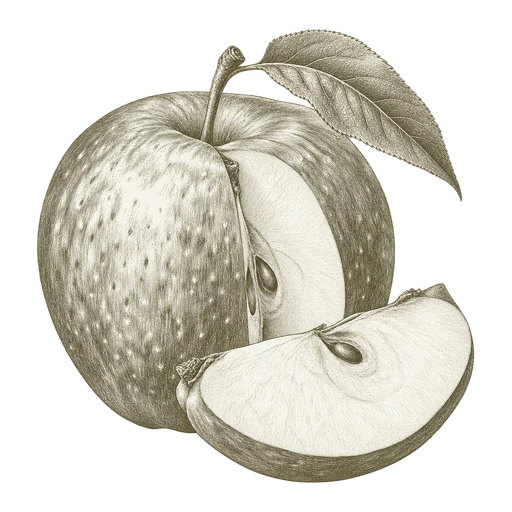
Apple pomace is an apple-pressing residue used in ruminant feed. Wet, dried and ensiled forms differ in moisture and preservation, so compare the actual form and lot analysis when assessing its role in a ration and planning bulk handling.
How are beet pulp shreds different from beet pulp pellets or wet pulp?+
Shreds are mechanically pressed and dried sugar-beet pulp in shredded form. Pellets are a different physical form, and wet pulp has not undergone the same drying step. Compare the specific product’s description and analysis rather than applying data from one form to another.
What analysis should I request for beet pulp shreds?+
Request a current lot analysis that includes moisture or dry matter, crude protein, NDF and ADF, sugars, ash and relevant minerals. Check whether results are as-fed or on a dry-matter basis, and establish whether the product includes molasses or other additions.
What affects delivered pricing for bulk beet pulp shreds?+
The product description, quantity, destination, timing, packaging or bulk receiving arrangement, and freight affect a delivered quote. Share how your site unloads and stores feed so the broker can assess the requirement with the offered product and shipment terms.
START WITH A CLEAR BRIEF
Ready to source beet pulp shreds?
Send your volume, destination, and key specifications. A broker can follow up with availability and commercial terms.