Independent sourcing. Better connections.Commercial buyers · Bulk ingredients
topic

Ingredient specifications

Ingredient specifications help buyers compare products by exact identity, processing and physical form, analytical basis, and intended use. This collection spans whole foods, milled and pelleted materials, oils, proteins and processing co-products, so a shared label or one nutrient figure is not enough to establish equivalence.

106 ingredients6 published Insights
EXPLORE THE COLLECTION

Ingredient specifications ingredients

Feed Ingredients

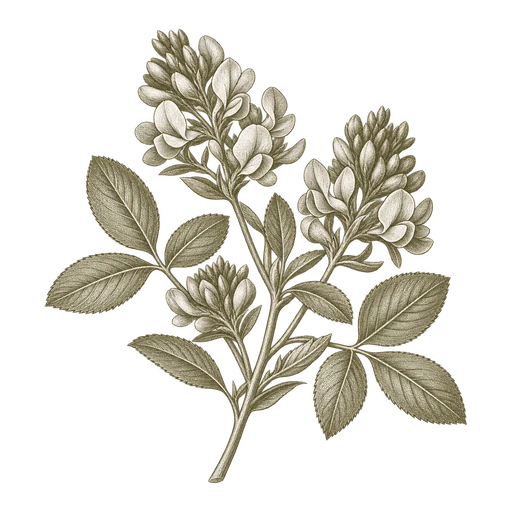
Alfalfa Meal

Alfalfa meal is ground forage used in animal feed, with sun-cured and dehydrated processing routes and meal or pellet forms. Compare the offered process, physical form and analysis against the needs of the species and feed formulation.

Explore ingredient
Feed Ingredients

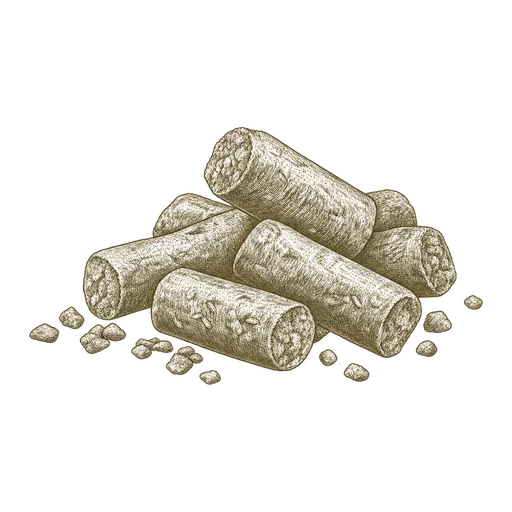
Alfalfa Pellets

Alfalfa pellets are ground, compressed forage used in livestock feeding and compound feeds. Compare the drying process, alfalfa material, forage analysis and pellet characteristics to choose a form that fits your ration and receiving setup.

Explore ingredient
Tree Nuts

Almond Meal

Almond meal can mean ground edible kernels or oil-extraction press cake, and the distinction affects composition and bakery performance. Identify the almond fraction, compare its lot analysis and match its form to your formulation and receiving setup.

Explore ingredient
Tree Nuts

Almonds

Almonds may be supplied as kernels, in-shell nuts, or distinct processing by-products. For a bird-food request, define the form and intended use first, then evaluate lot documentation, handling needs, and receiving requirements.

Explore ingredient
Grains

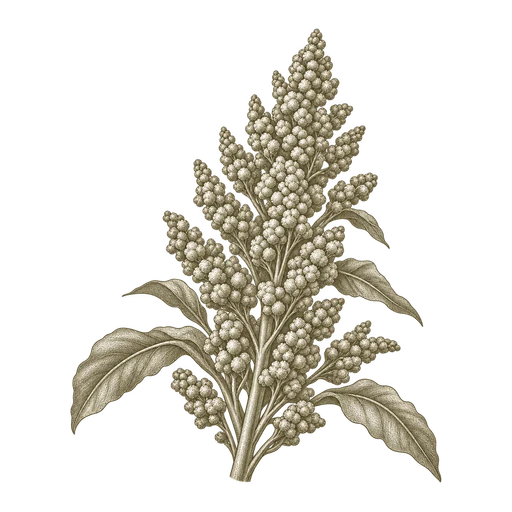
Amaranth

Amaranth can be sourced as grain, leaf meal or whole-plant forage, and those forms are not interchangeable in feed formulation. Specify the plant material, species and processing method, then compare lot analysis suited to the intended animal and use.

Explore ingredient
Starches/Fibers/Proteins

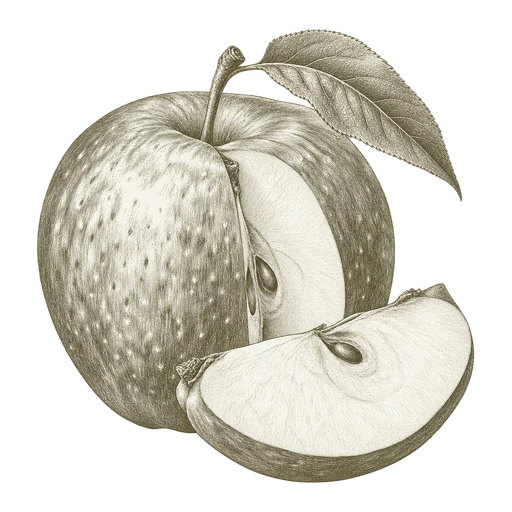
Apple Pomace

Apple pomace is an apple-pressing residue used in ruminant feed. Wet, dried and ensiled forms differ in moisture and preservation, so compare the actual form and lot analysis when assessing its role in a ration and planning bulk handling.

Explore ingredient
Dried Fruits

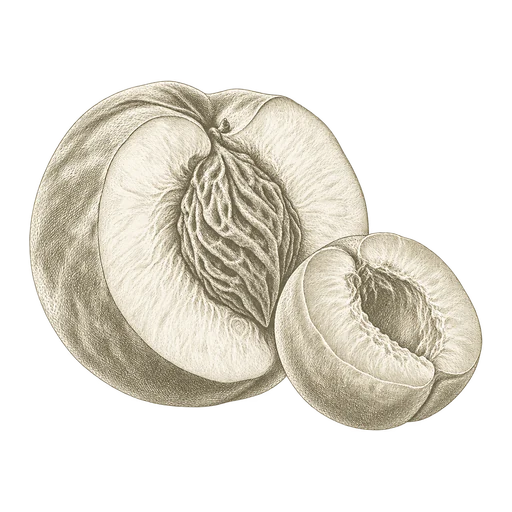
Apricots

Apricots are sourced fresh or processed into dried fruit and other food forms. Match the form, cut, treatment and quality measures to the intended use, then plan receiving and storage around the product’s handling needs.

Explore ingredient
Dried Fruits

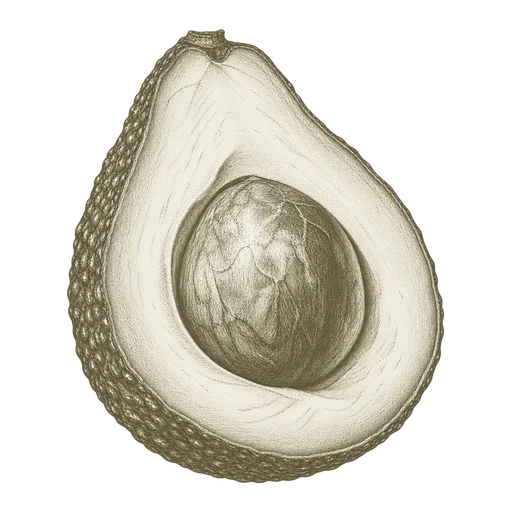
Avocados

Avocado feed materials include distinct forms such as pulp-and-peel by-product, peel meal and dried meal. Fraction, processing, intended species and handling needs determine what analysis and safety information matter before a bulk purchase.

Explore ingredient
Sunflower Seeds

Bakery Kernels

Bakery kernels is a broad label for kernels, seeds or blends used in baked goods—not one standardized ingredient. Specify the species, form and quality needs, since whole, chopped, roasted, ground and blended products differ in recipe role and handling.

Explore ingredient
Feed Ingredients

Beet Molasses

Beet molasses is a viscous, sugar-rich by-product used in animal feed for energy, palatability, binding and dust control. Compare the product stream and analysis, then match liquid handling and receiving plans to your facility.

Explore ingredient
Dried Vegetables

Beet Powder

Beet powder can mean whole-root powder or a juice-derived color ingredient, and the distinction affects composition and formulation use. Compare product identity, carriers, color performance and storage needs before arranging a bulk order.

Explore ingredient
Starches/Fibers/Proteins

Beet Pulp Shreds

Beet pulp shreds are dried, shredded sugar-beet pulp used as a digestible-fiber ingredient in livestock and horse diets. Compare the offered form, additions and lot analysis, then match the shipment and dry-storage plan to your receiving setup.

Explore ingredient
Dried Fruits

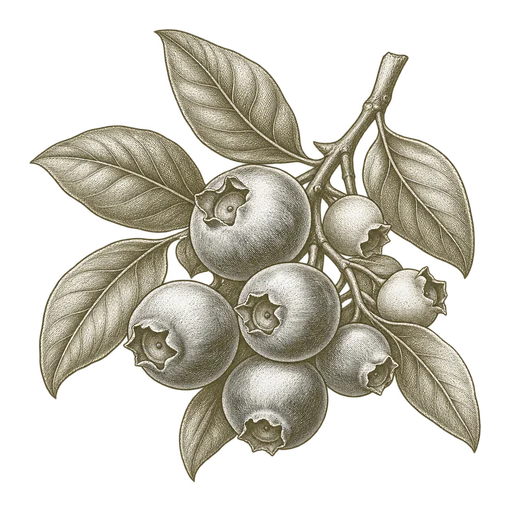
Blueberry Powder

Blueberry powder can come from whole fruit, juice or pomace, with carriers and drying methods affecting composition and handling. Compare the source fraction, ingredient statement and physical properties to match the powder to your food formulation.

Explore ingredient
Animal Products

Bone Meal

Bone meal is dried, ground animal bone used as a mineral-bearing ingredient in feed and pet-food formulations. Compare cooked and steamed forms, source species, and calcium and phosphorus analysis to identify the material that fits the intended use.

Explore ingredient
Animal Products

Bovine Plasma

Bovine plasma is a blood-derived ingredient supplied in liquid, concentrated or spray-dried form. Buyers sourcing it for livestock diets or pet-food formulations should compare species origin, processing, analysis and intended use, then match the product form to their receiving and storage setup.

Explore ingredient
Tree Nuts

Brazils

Brazil nuts are sourced in-shell or as shelled kernels, including whole, sized, chipped and broken forms. Match kernel size and condition to the food application, and assess storage and quality requirements for the specific lot.

Explore ingredient
Grains

Brewers Rice

Brewers rice is a broken-rice milling fraction used in brewing, fermented products and animal feed. Compare broken, granulated or ground forms and review lot-specific physical and analytical details before sourcing in bulk.

Explore ingredient
Feed Ingredients

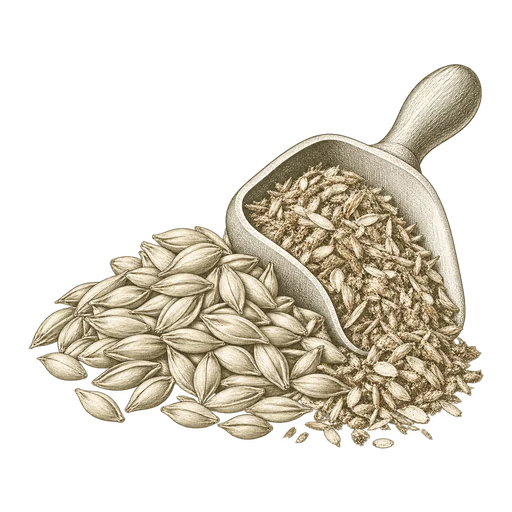
Brewer’s Grain

Brewer’s grain, or brewers’ spent grain, is a brewing co-product used particularly in cattle feed. Wet and dried forms differ in moisture, transport burden and storage needs; compare the offered form and lot analysis with your ration and receiving setup.

Explore ingredient
Grains

Brown Rice

Brown rice is hulled rice with its bran layers retained, sourced as whole kernels or flour for food uses. Specify grain class, processing state and quality requirements, then match packaging and storage plans to your facility.

Explore ingredient
Grains

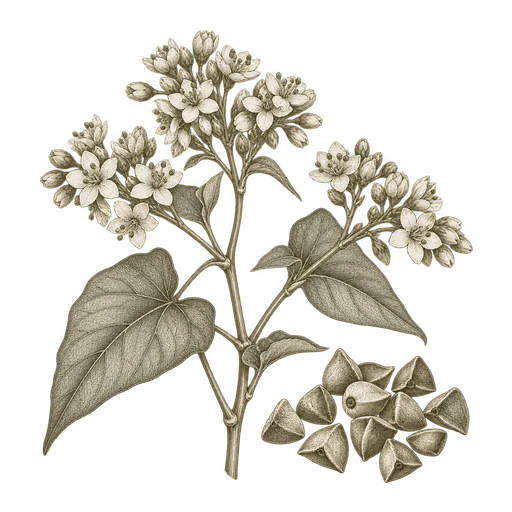
Buckwheat

Buckwheat is sourced as whole seed, dehulled groats, flour and milling by-products for food and feed uses. Choose the form and processing status for the intended use, and compare lot quality on a clearly stated basis.

Explore ingredient
Other Seeds & Grains

Canary

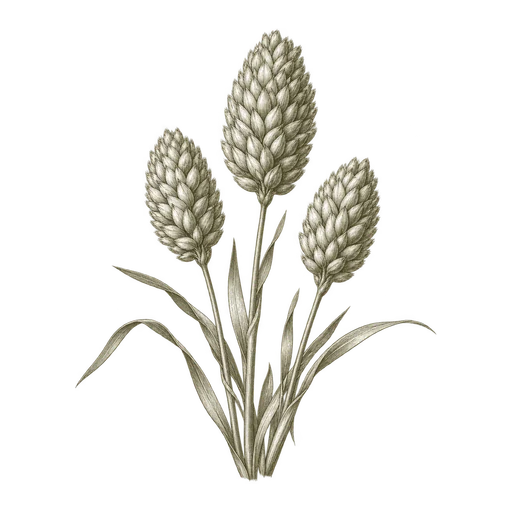
Canary seed is a grass grain sourced mainly for bird-feed blends, with specific glabrous varieties also processed into food ingredients such as groats and flour. Identify the hull type, intended market and processing form before comparing bulk lots.

Explore ingredient
Tree Nuts

Cashew Pieces

Cashew pieces are broken edible kernels used as a cashew ingredient when whole-kernel appearance is unnecessary. Compare piece size, processing state and quality requirements to match the product with your food formulation.

Explore ingredient
Dairy Ingredients

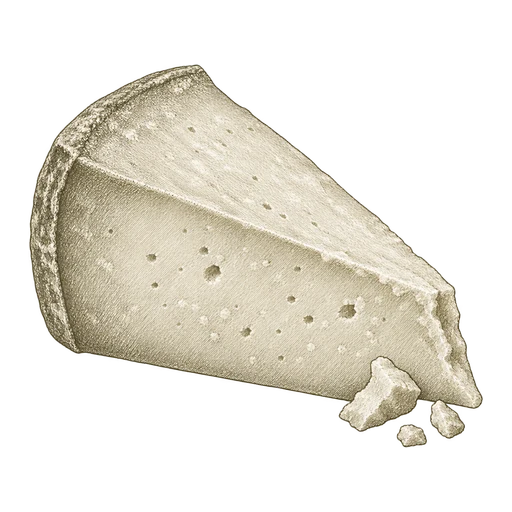
Cheese (All Types)

Cheese is a broad ingredient category ranging from natural and processed products to cheese powder and trimmings. Define the variety, composition and physical form first; cheese powder serves dry food applications, while other forms require specifications matched to their intended process.

Explore ingredient
Dairy Ingredients

Cheese Powders

Cheese powder is a dried cheese or cheese-based ingredient used to add cheese flavor to coatings, dry mixes, sauces and other foods. Cheese style, added ingredients and drying method affect composition and performance, so compare the formulation and functional properties with the needs of your process.

Explore ingredient
Animal Products

Chicken Fat

Chicken fat is a rendered or extracted poultry fat used in animal feed and pet food. Compare its processing description and lot analysis, then match packaging, receiving, and storage plans to the specific product and intended formulation.

Explore ingredient
Animal Products

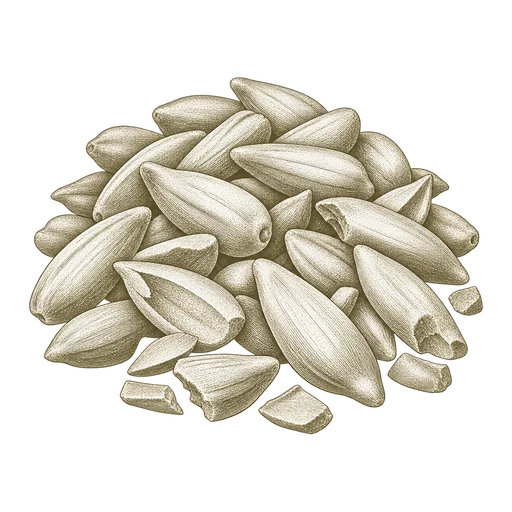
Chicken Meal

Chicken meal is a dry-rendered, ground chicken ingredient used as a protein component in formulated animal foods. Compare its exact ingredient identity, full analysis and analytical basis, then match the offered lot and receiving arrangement to the intended formulation.

Explore ingredient
Pulses

Chickpea Protein

Chickpea protein is available as less-fractionated flour and more processed concentrates or isolates for human-food formulations. Compare protein on a consistent basis and match the ingredient’s demonstrated functional properties to the needs of the finished product.

Explore ingredient
Other Seeds & Grains

Colored Safflower

Colored safflower is safflower seed identified by its appearance, but the name can mean naturally colored or artificially treated seed. Establish the product identity and intended use, then compare whole-seed condition, moisture and test weight for bird-feed applications.

Explore ingredient
Dairy Ingredients

Colostrum Powder

Bovine colostrum powder is a dried ingredient that can differ in IgG content, fat, lactose and processing. Compare the specific form, lot analysis and intended-use documentation before arranging a bulk order.

Explore ingredient
Sunflower Seeds

Con Oils

“Con Oils” is not a precise ingredient identity. If corn oil is intended, buyers should distinguish the source stream, processing and intended use before comparing specifications or arranging a bulk order.

Explore ingredient
Feed Ingredients

Corn Gluten Feed Pellets

Corn gluten feed pellets are a dried, pelleted coproduct of corn wet milling used in livestock feed, especially cattle rations. Compare the lot analysis and analytical basis, then consider pellet flow, receiving equipment and moisture management when planning a bulk order.

Explore ingredient
Feed Ingredients

Corn Gluten Meal

Corn gluten meal is a corn wet-milling coproduct used as a concentrated plant-protein ingredient in poultry feed and pet food. Compare the offered form, protein and amino-acid analysis, moisture basis, and xanthophyll when relevant to the formulation.

Explore ingredient
Feed Ingredients

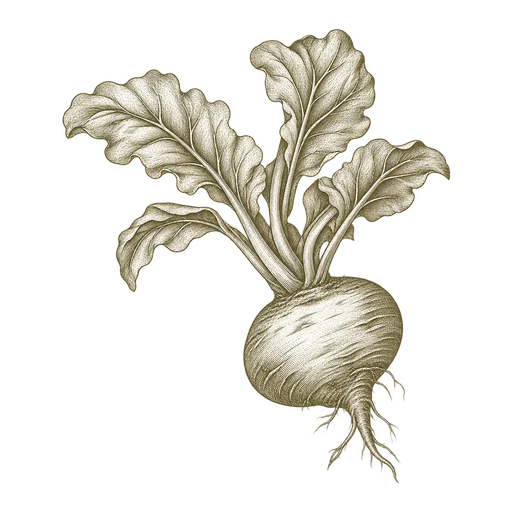
Corn Syrup Solids

Corn syrup solids are dried corn syrup supplied as a powder and used as a carbohydrate ingredient in food formulations. Compare dextrose equivalent, moisture and physical properties to match the grade to your process.

Explore ingredient
Dried Fruits

Cranberries

Bulk cranberries can mean whole fruit, juice products, dried fruit, pomace or extracts. Identify the exact form and application, then compare its processing, analysis and handling requirements rather than treating cranberry products as interchangeable.

Explore ingredient
Feed Ingredients

Dextrose

Dextrose is D-glucose supplied in forms including monohydrate and anhydrous powder. Specify the form, intended food or feed use, particle-size needs and analysis basis when comparing bulk offers.

Explore ingredient
Feed Ingredients

Dried Molasses

Dried molasses is a livestock-feed ingredient that can differ in crop source, carrier and added ingredients. Compare the full formulation and dried-product analysis to determine how it fits a feed ration and bulk receiving plan.

Explore ingredient
Animal Products

Egg Powder

Egg powder is available as dried whole egg, yolk, egg white or formulated blends for food manufacturing. Match the fraction and application-specific functionality to your process, then compare quality, packaging and storage details for the bulk order.

Explore ingredient
Peanuts

Fancy Inshells

Fancy Inshells needs a precise nut identity and grade. U.S. Fancy Hand Picked applies to cleaned Virginia-type inshell peanuts; buyers should distinguish that standard from lot analysis and intended-use documentation.

Explore ingredient
Sunflower Seeds

Fine Chips

Fine Chips are broken or size-reduced sunflower kernels used in wild-bird feed products. Compare the seller’s chip-size definition, hull content and lot analysis, then match packaging and receiving details to your facility.

Explore ingredient
Feed Ingredients

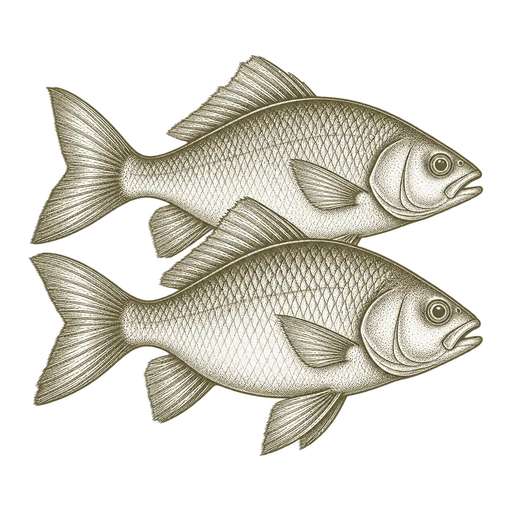
Fish Meal

Fish meal is a dried, ground feed ingredient made from whole fish, fish parts or processing residues. Used in livestock and aquaculture feeds, it varies with raw material and processing, so compare lot analysis, product identity and handling details before arranging a bulk shipment.

Explore ingredient
Oils/Fats

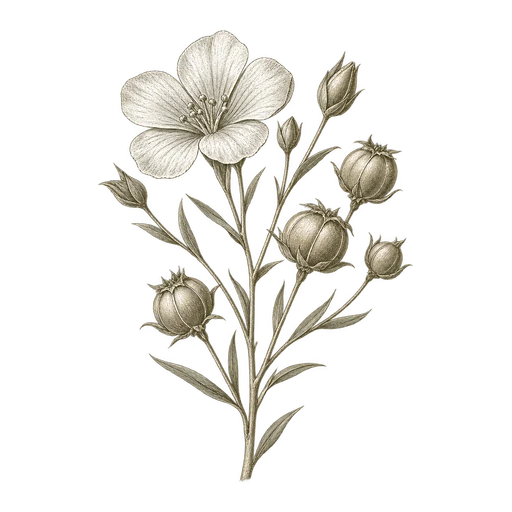
Flaxseed Oil

Flaxseed oil is a liquid oil extracted from flaxseed and valued for its ALA content. Bulk buyers should distinguish edible, feed and industrial grades, compare extraction and oxidation measures, and plan packaging and storage to limit light exposure.

Explore ingredient
Pulses

Green Peas

Green peas can mean tender garden peas for food or mature dry field peas for livestock feed. Identify the maturity, processing and intended use first; those choices determine the relevant quality checks, handling and bulk order details.

Explore ingredient
Animal Products

Herring Fish Meal

Herring fish meal is a dried, ground fish ingredient used in animal and aquafeed formulations. Compare the lot’s analysis, raw material and physical form, then plan receiving and storage around its flow, moisture and residual-oil characteristics.

Explore ingredient
Millet

Japanese

“Japanese” alone is not a specific ingredient name. Identify the commodity, form and intended use before assessing specifications or bulk shipment requirements.

Explore ingredient
Other Seeds & Grains

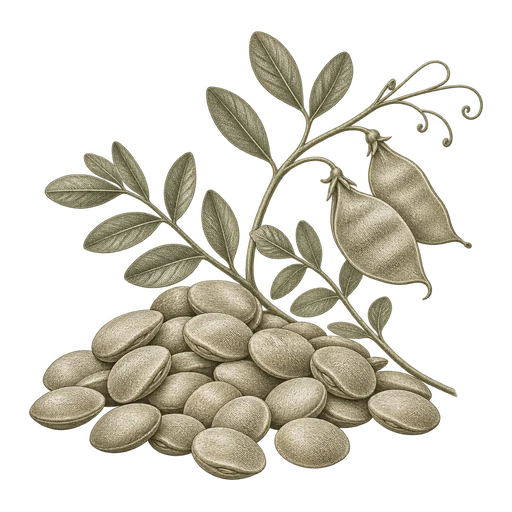
Lentils

Lentils are pulse seeds sold as whole, split or dehulled product for food processing and, with lot-specific evaluation, some feed uses. Specify the form, type and quality measures that match your application.

Explore ingredient
Animal Products

Meat and Bone Meal

Meat and bone meal is a rendered mammalian feed ingredient that contributes protein and bone-derived minerals. Compare its full lot analysis—not crude protein alone—and match the source, formulation needs and receiving arrangement to your operation.

Explore ingredient
Sunflower Seeds

Medium Chips

Medium Chips commonly refers to broken, peeled sunflower kernels used in bird-feed and related ingredient markets. Because “medium” has no universal size definition, compare the sieve cut, intended grade and lot quality before arranging a bulk order.

Explore ingredient
Animal Products

Menhaden Fish Meal

Menhaden fish meal is a rendered feed ingredient used in aquaculture, poultry, and swine formulations. Compare the offered lot’s analysis, processing details, and handling guidance to match the meal to the intended ration and receiving plan.

Explore ingredient
Dairy Ingredients

Milk Protein Isolate

Milk protein isolate is a concentrated bovine milk protein ingredient used in human-food formulations, including nutrition bars and dietetic products. Compare conventional and microfiltered profiles, quality measures and processing needs before choosing a bulk product.

Explore ingredient
Dried Vegetables

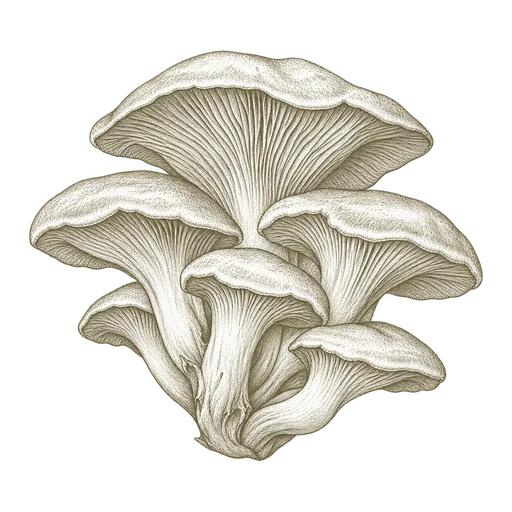
Mushrooms

Mushrooms are sourced in different species and forms, from whole edible fruiting bodies to powders and extracts. Identify the species, part and processing method first, then compare the analysis and handling details relevant to your food application.

Explore ingredient
Grains

Oat Flour

Oat flour is milled oats used in bakery products, cereals, bars, batters and other food formulations. Processing and particle size affect how it blends and performs, so compare the offered flour’s preparation, analysis and grind with your recipe and receiving requirements.

Explore ingredient
Feed Ingredients

Oats & Oat Products

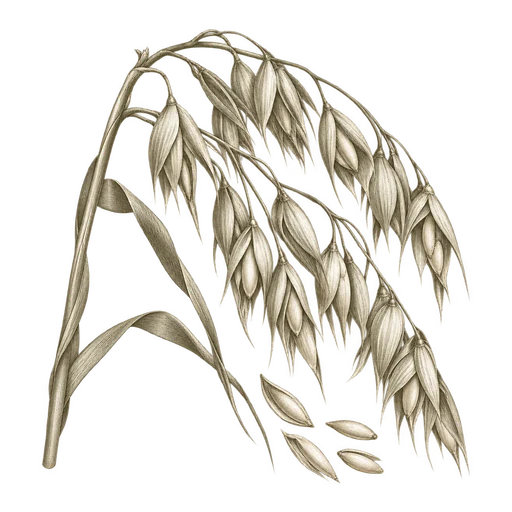
Oats are sourced as whole grain and as distinct products such as groats, flakes, flour, bran and hulls. Match the form and its analysis to the food or feed application, then plan bulk receiving and storage around that specific material.

Explore ingredient
Starches/Fibers/Proteins

Pea Fiber

Pea fiber is sourced from different pea fractions and processing streams, so its fiber profile and water-binding behavior can vary. Identify the material and compare its analysis and functional properties against the intended food application.

Explore ingredient
Pulses

Pea Flour

Pea flour is milled from dried peas and used in foods including baked goods, pasta, snacks, batters and sauces. Whole-seed, dehulled, fractionated and pregelatinized forms differ in composition and function, so compare processing details and application-relevant specifications.

Explore ingredient
Starches/Fibers/Proteins

Pea Protein

Pea protein is a pea-derived food ingredient sold as flour, concentrate, isolate or hydrolysate. Compare the form, protein measurement basis and application-relevant functional data to choose an ingredient for your formulation.

Explore ingredient
Starches/Fibers/Proteins

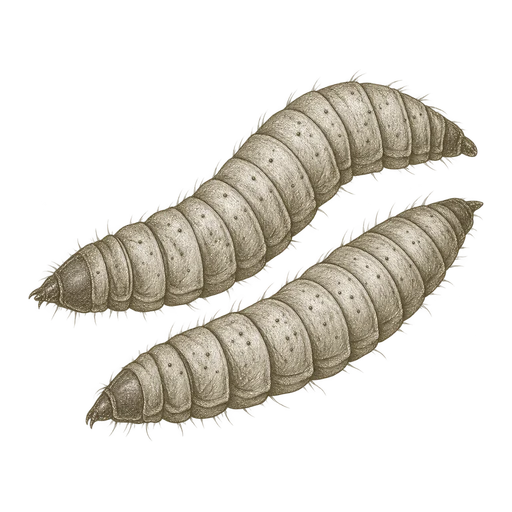
Pea Starch

Pea starch is the starch fraction separated from peas and is used for viscosity, gel formation, water retention and texture in food formulations. Processing changes its behavior, so identify the offered form and compare functional properties against your application.

Explore ingredient
Seeds, Grains & Specialty

Peanut Granules

Peanut granules are chopped peanut pieces used in foods such as chocolate, ice cream and biscuits. Compare particle size, roast and blanch status, added ingredients, and lot-specific quality documentation to find a product that fits your process.

Explore ingredient
Feed Ingredients

Peanut Hulls

Peanut hulls are bulky, fiber-rich peanut shells used in some cattle roughage and concentrate formulations. Compare whole versus processed form and review the offered lot’s analysis, intended use and receiving requirements before arranging a bulk order.

Explore ingredient
Feed Ingredients

Peanuts

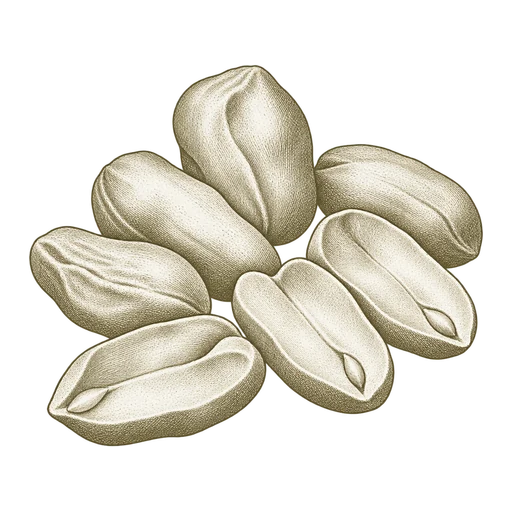
Peanuts are sourced as whole kernels and processed products such as peanut meal, hulls and skins. Identify the exact form and intended use first, then compare the relevant analysis and aflatoxin documentation before arranging a bulk shipment.

Explore ingredient
Tree Nuts

Pecan Pieces

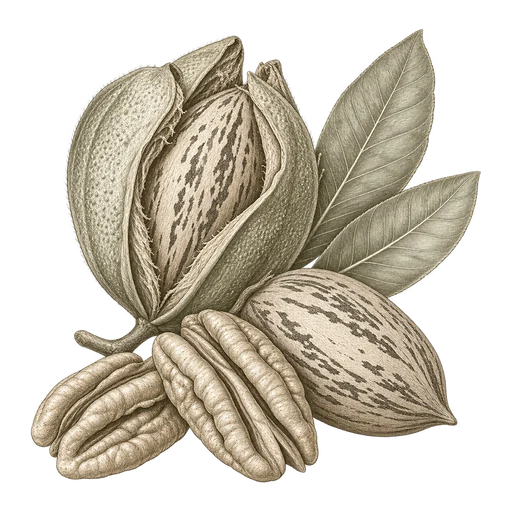
Pecan pieces are broken portions of shelled pecan kernels used in food manufacturing when whole halves are not required. Compare screen size, grade, moisture and defect limits to match the ingredient to its role, appearance and receiving process.

Explore ingredient
Seeds

Poppy

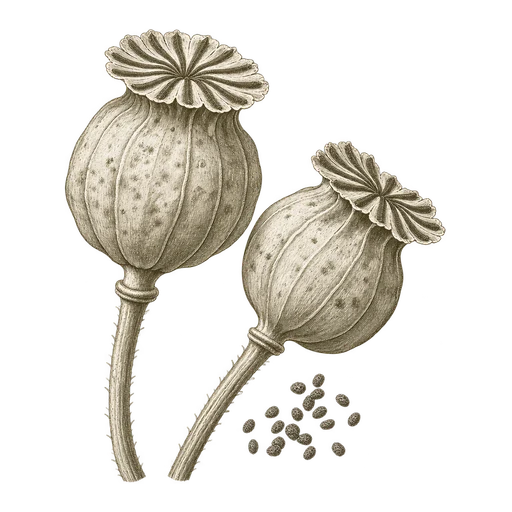
Poppy can refer to whole seed for food uses or to oil-extraction by-products used in feed. Specify whole seed, pressed cake or solvent-extracted meal, then compare intended-use requirements and lot analysis on a consistent basis.

Explore ingredient
Starches/Fibers/Proteins

Potato Protein

Potato protein is recovered from potato starch-processing liquids and supplied in dried forms for feed or food applications. Processing affects composition and functionality, so compare the intended use, product analysis and relevant performance information before arranging a bulk order.

Explore ingredient
Feed Ingredients

Poultry Meal

Poultry meal is a rendered, ground ingredient used in formulated animal diets. Its declared identity and lot analysis matter: compare protein, fat, minerals, moisture and, where relevant, amino-acid information before choosing an offer.

Explore ingredient
Sunflower Seeds

Premium Blend Chips

Premium Blend Chips is a product name, not a standardized ingredient identity. Establish its constituents, intended use, physical form, and lot analysis before evaluating feed applications or arranging a bulk shipment.

Explore ingredient
Dried Vegetables

Pumpkin

Pumpkin is sourced as distinct ingredients—including pulp, peel, seeds and processing residues—in fresh, dried or other processed forms. Match the plant part and processing method to the intended food or feed use, then compare moisture, particle form and relevant analysis.

Explore ingredient
Dried Fruits

Pumpkin Powder

Pumpkin powder is dried, milled pumpkin material used in food formulations and some feed research. Compare the plant parts, processing, moisture and particle characteristics to choose a powder that fits the intended use and receiving setup.

Explore ingredient
Seeds

Pumpkin Seeds

Pumpkin seeds are sourced as whole seeds, kernels, ground ingredients and oil-extraction co-products. Specify the form, processing and intended food or feed use; for meal and cake, residual fat and lot analysis help distinguish the material.

Explore ingredient
Grains

Quinoa

Quinoa is a grain-like pseudocereal seed sold in distinct forms such as whole grain and flour. Compare form, processing and relevant quality measures to match the product to a food or feed application and plan receiving and storage.

Explore ingredient
Seeds, Grains & Specialty

Rapeseed

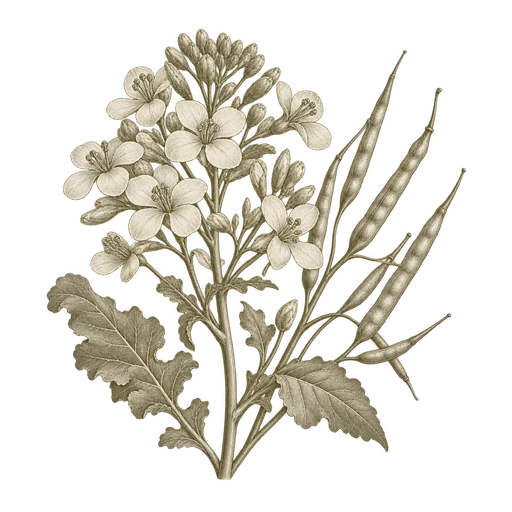
Rapeseed can mean whole seed, oil or oil-extraction meal, and the crop name alone does not establish grade or end use. Compare product identity, intended application and relevant analysis before arranging a bulk purchase.

Explore ingredient
Peanuts

Raw Peanut Hearts

Raw peanut hearts is an ambiguous trade description: it can refer to the peanut embryo or be used without clearly distinguishing it from intact kernels. Define the exact form, processing condition and lot quality before comparing bulk offers or matching the product to a food process.

Explore ingredient
Pulses

Red Lentil Flour

Red lentil flour is a milled human-food ingredient whose seed form, particle size and processing history affect how it performs in formulations. Compare those characteristics with your application and specify the quality information, packaging and delivery details needed for a bulk order.

Explore ingredient
Pulses

Red Lentils

Red lentils are sold whole, split, or split and dehulled for food processing and, where appropriate, feed use. Compare the physical form and quality factors such as moisture, foreign material, damage and color to match the order to its intended use.

Explore ingredient
Feed Ingredients

Red Millet

Red millet is a color-described grain used in feed and birdseed markets, but the name does not establish its species. Compare botanical identity, whole or processed form, hull status and lot analysis to match the grain to its intended use and receiving setup.

Explore ingredient
Starches/Fibers/Proteins

Rice Starch

Rice starch is the isolated starch fraction of rice, used for thickening, stabilization and texture in food and described in pet food and feed formulations. Native and modified grades differ in function, so match the starch type and relevant test methods to your process before arranging a bulk shipment.

Explore ingredient
Peanuts

Roasted Peanut Hearts

Roasted peanut hearts are roasted peanut kernels, but the name does not define whether a lot is whole, split or broken. Specify kernel form, roast method, skin and seasoning status, along with relevant quality documentation and receiving needs.

Explore ingredient
Animal Products

Salmon Oil

Salmon oil is a fish-derived lipid used as a fat and long-chain omega-3 source in animal-food formulations. Compare source, processing, intended-use grade, fatty-acid profile and oxidation results, then match the offered oil’s packaging and handling directions to your receiving setup.

Explore ingredient
Dried Vegetables

Spinach

Bulk spinach is sourced as fresh leaves or dried, ground leaf, and those forms have different uses and handling needs. Fresh spinach for processing is judged by condition and cleanliness; dried leaf requires product-specific composition and storage information.

Explore ingredient
Animal Products

Spray Dried Egg Powder

Spray-dried egg powder may be whole egg, egg white, yolk or a blend. Identify the exact composition, intended use and handling needs before comparing bulk offers, since these choices affect formulation, quality requirements and receiving plans.

Explore ingredient
Sunflower Seeds

Stripes

Striped sunflower seed, often shortened to “stripes,” is whole sunflower seed with its hull attached. Buyers compare seed size, hull status and lot condition for bird-feed use, mixes or dehulling; the shorthand alone does not establish food-grade suitability.

Explore ingredient
Feed Ingredients

Sucrose

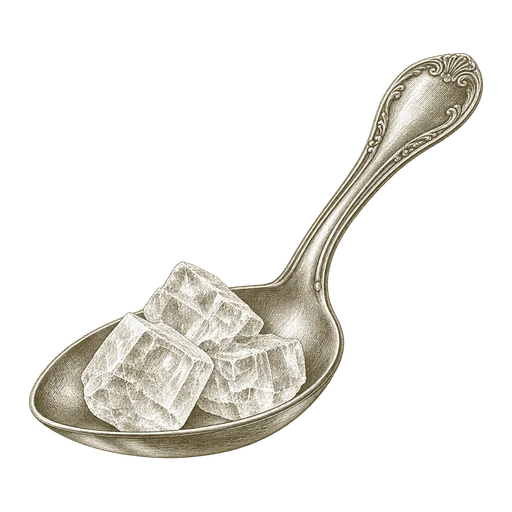
Sucrose is a cane- or beet-derived sweetener sold in crystalline and liquid product forms. Match the form to your process, then compare the relevant composition and quality measures before arranging a bulk shipment.

Explore ingredient
Feed Ingredients

Sugar

Sugar is a broad product family that includes crystalline sucrose, powdered sugar, liquid sugar, syrups and molasses. Identify the exact product, form and intended use, then compare the quality measures and handling information relevant to that category.

Explore ingredient
Dried Vegetables

Sweet Potato Powder

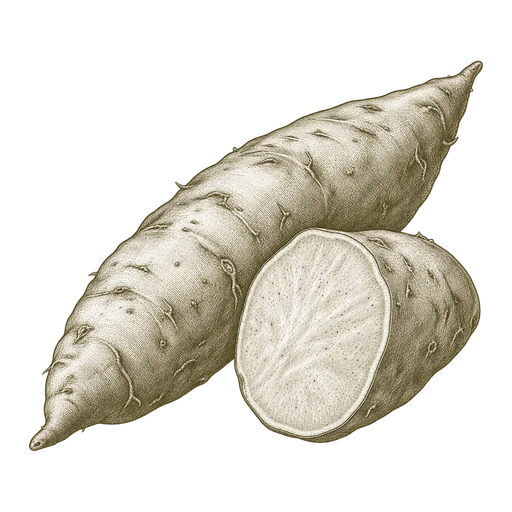
Sweet potato powder is a dried, ground root ingredient available through different processing routes, including milled dried root and dried puree. Compare process, color, particle size and functional properties against the needs of your food formulation or feed evaluation.

Explore ingredient
Starches/Fibers/Proteins

Tapioca Starch

Tapioca starch is cassava-root starch used for thickening, binding and stabilization in food products and in selected feed formulations. Native, modified, pregelatinized and hydrolyzed forms can behave differently, so match the form and functional data to the process before arranging a bulk shipment.

Explore ingredient
Seeds, Grains & Specialty

Thistle Seed

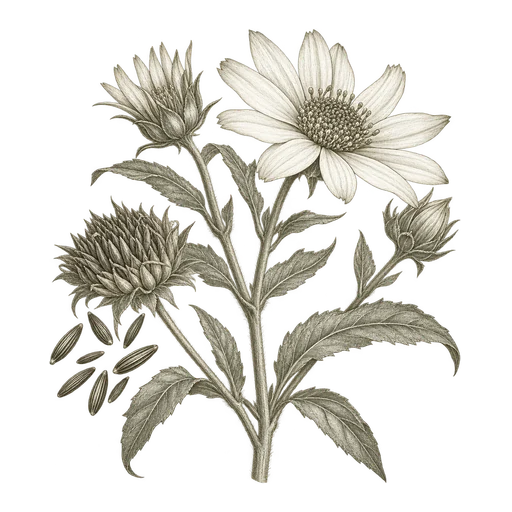
Milk thistle (Silybum marianum) is sourced as whole or ground seed and as processed products such as press cake and meal. Identify the botanical species and form first, then compare lot analysis and receiving needs for the intended feed application.

Explore ingredient
Dried Vegetables

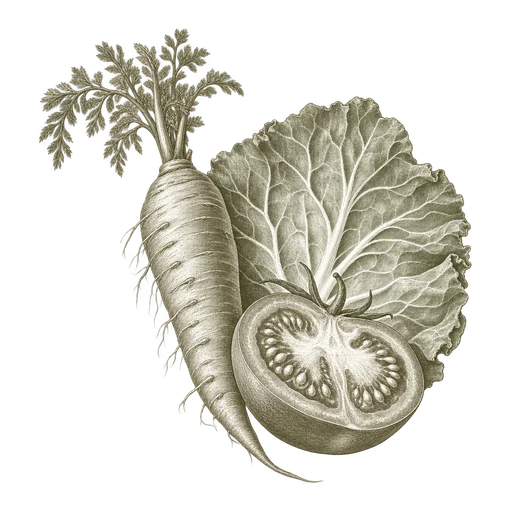
Tomato

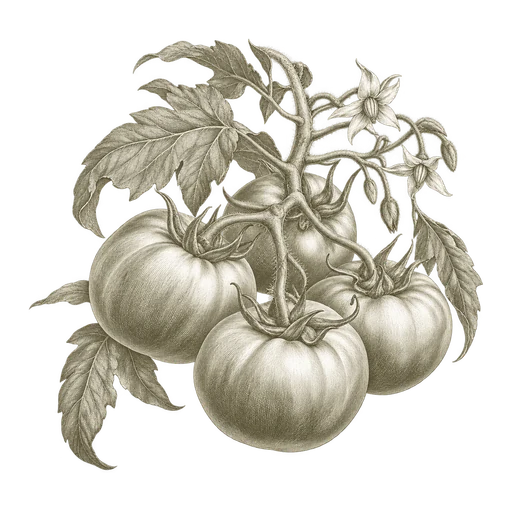
Tomato pomace is a tomato-processing residue supplied in wet, dried, powdered or preserved forms. Compare the form, composition and intended feed or food use, since moisture and the proportions of skins, seeds and pulp affect handling and formulation.

Explore ingredient
Starches/Fibers/Proteins

Vegetable Pomace

Vegetable pomace is a variable residue from vegetable processing, not a single standardized ingredient. Identify the source and processing, then compare wet or dried form, moisture and relevant analysis to determine whether a specific lot fits a feed or food application.

Explore ingredient
Animal Products

Venison Meal

Venison meal is a ground deer-derived ingredient used in pet-food formulations. Compare source tissues, bone content, processing and lot-specific analysis to determine whether an offered product fits your formula and receiving requirements.

Explore ingredient
Starches/Fibers/Proteins

Vital Wheat Gluten

Vital wheat gluten is a dried wheat protein ingredient that develops an elastic, cohesive structure when hydrated. Buyers use it in bread, pasta, meat analogues and some feed formulations; compare its functional properties and quality analysis against the process before choosing a bulk product.

Explore ingredient
Tree Nuts

Walnuts

Bulk walnuts can mean shelled kernels, pieces, ground kernel or oil-extraction meal. Identify the species, form and intended use first, then compare the quality measures and handling needs relevant to that product.

Explore ingredient
Dried Fruits

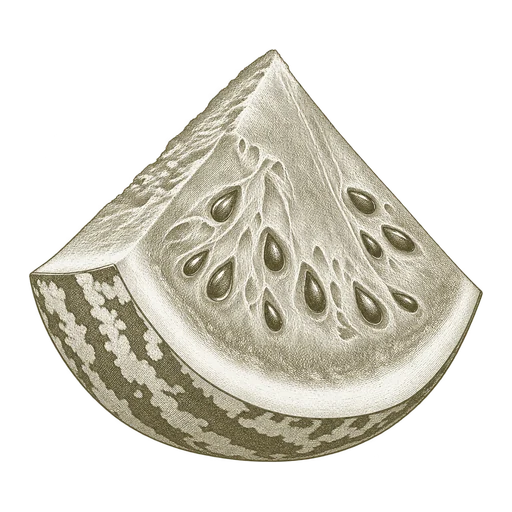
Watermelon

Watermelon ingredients include seed flour, meal, protein concentrate and rind meal, each with different processing and composition. Identify the plant part, processing and intended food or feed use before comparing bulk offers.

Explore ingredient
Starches/Fibers/Proteins

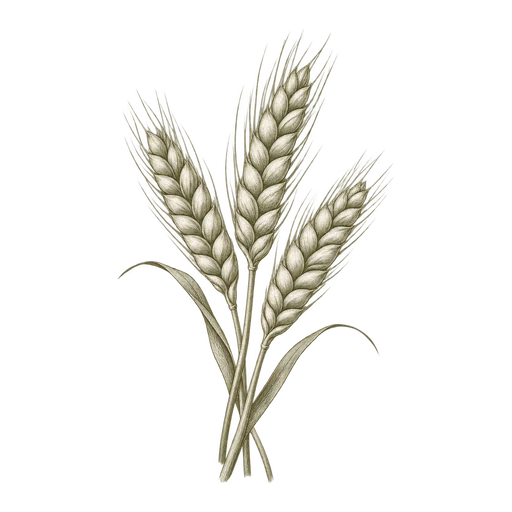
Wheat Germ

Wheat germ is a wheat-milling co-product used in food formulations and feed. Compare full-fat and defatted forms, processing history, and freshness measures to identify the material that fits your formulation and handling needs.

Explore ingredient
Feed Ingredients

Wheat Midd Pellets

Wheat midd pellets are a compacted wheat-milling co-product used in livestock feed. Because milling streams and nutrient composition vary, compare the offered lot analysis and reporting basis, then match pellet handling and dry storage to your facility.

Explore ingredient
Feed Ingredients

Wheat Midds

Wheat middlings are a variable wheat-milling co-product used in animal feed as meal or pellets. Compare the offered form and lot analysis with the target species’ ration and the facility’s storage and handling capacity.

Explore ingredient
Dairy Ingredients

Whey Powder

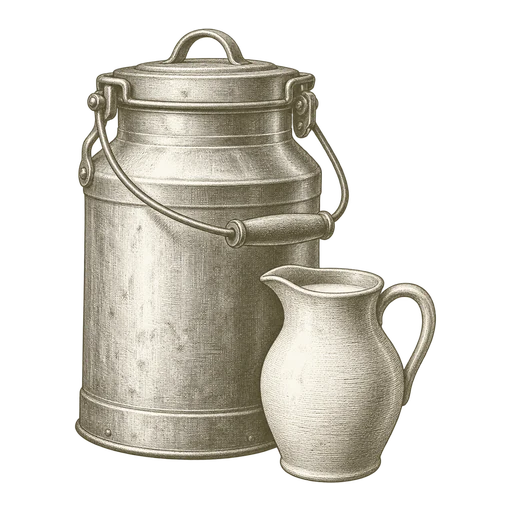
Whey powder is a dried dairy ingredient used in food manufacturing and animal feed. Sweet and acid whey, and ordinary powder versus further-processed whey products, differ in composition and function—so match the product identity and lot analysis to the application.

Explore ingredient
Feed Ingredients

Whey Protein Concentrate

Whey protein concentrate is a membrane-concentrated dairy powder used in a range of food formulations. Compare WPC grades by protein basis and the accompanying lactose, fat, ash and moisture analysis, then match functional requirements to the intended recipe and process.

Explore ingredient
Dairy Ingredients

Whey Protein Concentrate 34

Whey Protein Concentrate 34 is a spray-dried dairy powder used in food formulations for its whey protein contribution and functional effects on texture, water binding and viscosity. Compare protein basis, composition and process needs to distinguish it from higher-protein concentrates and isolate.

Explore ingredient
Dairy Ingredients

Whey Protein Isolate 90

Whey protein isolate 90 is a dried whey-derived protein ingredient used in food formulations for protein supplementation and functional roles such as gelation, whipping, water binding and emulsification. Compare the protein basis, powder form and any additives against the needs of your process.

Explore ingredient

Start with identity, form and intended use

This collection includes ingredients with very different forms and uses, from whole almonds and lentils to oat flour, alfalfa pellets, canola oil and whey protein concentrate. These are not interchangeable products. Even related forms, such as a meal and a pellet, can differ in processing, particle size and handling characteristics.

Confirm the precise ingredient identity, source material and physical form in the specification. Also clarify whether the intended market is human food, livestock feed or pet food: documentation for one use does not automatically establish suitability for another.
Compare analyses on the same basis

Request a current specification and lot certificate of analysis (COA). Check whether each figure is a minimum, maximum or typical value, and whether results are reported as-fed or on a dry-matter basis. Values reported on different moisture bases cannot be compared directly.

The useful test panel depends on the ingredient and application. Protein, moisture, fat, fiber and ash may be relevant, while a buyer may also need particle size, amino-acid or fatty-acid analysis, or use-specific testing. Confirm test methods, tolerances, lot identification and packaging details against your process and receiving requirements. A COA reflects the sample tested; representative sampling matters when evaluating a lot.
Common questions.

Can I compare two ingredients using their protein percentages alone?+

Not reliably. Confirm that the products have the same identity and form, and compare results reported on the same basis, such as as-fed or dry matter. Other composition or physical measures may also matter for the intended use.

Does a typical analysis value guarantee the next lot?+

No. A typical value describes an expected result, not a guaranteed lot specification. Review the applicable tolerances and the current lot's COA.

Can a feed ingredient specification establish suitability for human food?+
No. Intended use and applicable requirements differ. Confirm documentation and suitability for the specific human-food, livestock-feed or pet-food application.

What should I check when comparing meal, flour, powder and pellet forms?+

Verify the exact product form and processing details, then compare relevant composition and physical attributes such as particle size. The form names alone do not establish equivalent performance or handling.

Ingredient specifications · BUYER INSIGHTS
Go deeper before you source.

Focused guides to the specification, application, and delivery questions behind this ingredient.

FIELD GUIDE01Ingredient specifications
Buyer’s guide

Planning bulk whey protein isolate 90 receiving and storage

Plan bulk whey protein isolate 90 receiving around your facility’s package handling, unloading and storage needs. Keep the powder cool and dry, protect opened material from moisture, and rotate inventory by the product’s stated expiration or retest date.

Read this Insight
FIELD GUIDE02Ingredient specifications
Buyer’s guide

Whey protein isolate 90 in yogurt: evaluating gelation needs

Whey protein isolate 90 can contribute protein to yogurt, but its gelation effect depends on ingredient functionality, formulation, and processing—not protein content alone.

Read this Insight
FIELD GUIDE03Ingredient specifications
Buyer’s guide

How to compare protein results for whey protein isolate 90

Dry-matter and as-sold protein percentages describe the same material on different bases. Learn how moisture affects the calculation and what to align across a whey protein isolate 90 specification and lot COA.

Read this Insight
FIELD GUIDE04Ingredient specifications
Buyer’s guide

Planning bulk WPC powder receiving and storage

Prepare to receive bulk whey protein concentrate 70/80 by aligning the product specification, order details, packaging, and unloading plan with your facility. Protect the powder from moisture and contamination, and follow storage instructions confirmed for the offered product.

Read this Insight
FIELD GUIDE05Ingredient specifications
Buyer’s guide

Choosing whey protein concentrate for powdered beverage mixes

WPC grade is only one part of beverage performance. Compare protein basis and composition, then evaluate solubility and dispersibility under the pH, mixing and heat conditions your powdered beverage will encounter.

Read this Insight
FIELD GUIDE06Ingredient specifications
Buyer’s guide

How to compare WPC 70 and WPC 80 specifications

Compare WPC 70 and WPC 80 by aligning protein basis and test method, then reviewing moisture, lactose, fat and ash. Add functional data only when it matches the needs of your process.
Read this Insight