A compact forage form
Grinding and compression create a smaller, more uniform form than long-stem hay. That changes how the forage is handled and mixed, while leaving its nutritional value to be established by analysis.
Ingredient intelligence · quote-ready sourcing
Alfalfa pellets are ground, compressed forage used in livestock feeding and compound feeds. Compare the drying process, alfalfa material, forage analysis and pellet characteristics to choose a form that fits your ration and receiving setup.
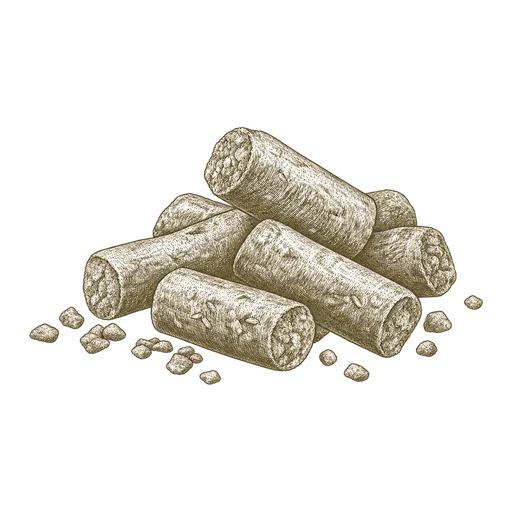
Alfalfa pellets are made by grinding and compressing alfalfa forage. They are used as livestock forage or as an ingredient in compound feeds. Compared with long-stem hay, the pellet form is more uniform and has smaller particles, which changes handling and incorporation into a ration.
Pellets can be made from sun-cured or thermally dehydrated alfalfa, and the name does not establish whether the material is whole-plant forage or another formulation. Processing and source material can affect how an offer should be compared, so the product description and analysis matter alongside physical form.
Grinding and compression create a smaller, more uniform form than long-stem hay. That changes how the forage is handled and mixed, while leaving its nutritional value to be established by analysis.
Sun-curing and thermal dehydration describe different ways of drying alfalfa. The process distinction helps buyers compare product descriptions rather than treating every pellet as the same ingredient.
Crude protein, fiber fractions, moisture or dry matter, and minerals describe different aspects of forage quality. A stated measurement basis makes those results more useful when comparing products or checking ration fit.
| Characteristic | Why it matters |
|---|---|
| Drying process | Distinguishes sun-cured alfalfa from thermally dehydrated material. |
| Alfalfa material | Clarifies whether the pellets are made from whole-plant forage or another formulation. |
| Crude protein and fiber fractions | Help a nutritionist compare forage composition; interpret results using the stated test basis. |
| Moisture or dry matter | Provides context for comparing analyses and considering storage needs. |
| Pellet diameter and fines | Can affect handling and compatibility with storage or feed-mixing equipment. |
These are comparison fields, not guaranteed values for an offered lot. Compare documented results on the same measurement basis.
Crude protein, neutral detergent fiber, acid detergent fiber, moisture or dry matter, and minerals are useful measures for comparing alfalfa forage. They help a nutritionist assess the ingredient against a ration’s requirements. Values need a stated measurement basis—such as dry matter or as-fed—because results on different bases are not directly comparable.
A product name alone cannot substitute for a current analysis. Ask for the ingredient identity and processing description alongside the lot’s reported values, test methods and basis. If pellet diameter or fines affect your equipment, define those requirements separately from the nutritional specification. The analysis should describe the offered material, not a generic value assumed for all alfalfa pellets.
Alfalfa pellets are used as forage or as a feed ingredient for livestock, including cattle, sheep and horses. They can also be incorporated into compound feeds. The role of the pellets depends on the ration: their forage analysis and physical form need to fit the intended animal and feeding program.
Pellets and long-stem hay are not interchangeable just because both are alfalfa. Processing changes particle size, and feeding research in sheep has found that intake and digestion can respond differently to pelleted forage. Those results depend on the animals, forage and feeding conditions studied; they are not a general performance guarantee. Use an animal nutritionist’s guidance for ration decisions.
A useful bulk request identifies the processing type, ingredient description, quantity and unit, destination and required timing. Include the analysis your feeding program needs and explain any pellet-size or fines limits that matter to your equipment. These details help distinguish a forage pellet from a different alfalfa formulation and let the quote address the intended order.
Receiving and storage requirements depend on the offered packaging or delivery arrangement and the facility’s equipment. Share unloading constraints before arranging freight, and obtain handling and storage guidance for the specific lot. Moisture is a relevant quality measure, but a generic storage life or moisture limit cannot be assumed for every alfalfa pellet product.
Alfalfa pellets can serve as forage or as a ration ingredient for cattle and sheep. Their forage analysis and smaller particle size distinguish them from long-stem hay; a nutritionist should assess the offered product in the full ration.
Pelleted alfalfa is used in horse feeding, but it is a different physical form from hay. Compare the offered forage analysis and intended role with the needs of the feeding program rather than assuming the forms are interchangeable.
Feed manufacturers can use alfalfa pellets as an ingredient in compound feeds. The ingredient description, analysis and pellet characteristics help determine whether the product matches the formulation and handling process.
Specify sun-cured or dehydrated product, the alfalfa material or formulation, quantity and unit, destination, and required timing. Include analysis and pellet characteristics that matter to the ration or equipment so the order is clearly defined.
Describe the facility’s unloading equipment and access, plus any packaging or delivery requirements. Those details matter because receiving capability must match the arrangement offered for the shipment.
Moisture is a relevant forage-quality and storage consideration. Ask for handling guidance tied to the offered lot, and account for the facility’s storage conditions and protection from moisture or contamination.
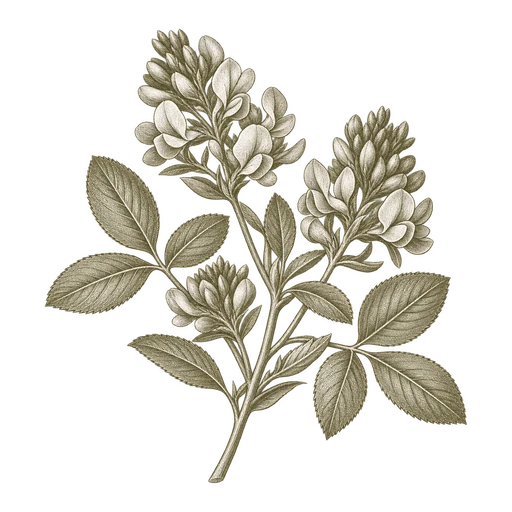
Alfalfa is a forage legume sourced as hay, silage, meal or pellets for livestock feed. Match the form to receiving and ration needs, then compare a lot-specific analysis on a consistent basis.
Explore ingredientAlfalfa meal is ground forage used in animal feed, with sun-cured and dehydrated processing routes and meal or pellet forms. Compare the offered process, physical form and analysis against the needs of the species and feed formulation.
Explore ingredientBeet pulp pellets are a dried, compacted sugar beet co-product used as a fibrous, energy-bearing ingredient in livestock feed. Compare molasses status, lot analysis and pellet handling needs to match the product to your ration and receiving setup.
Explore ingredientBeet pulp shreds are dried, shredded sugar-beet pulp used as a digestible-fiber ingredient in livestock and horse diets. Compare the offered form, additions and lot analysis, then match the shipment and dry-storage plan to your receiving setup.
Explore ingredientFocused guides to the specification, application, and delivery questions behind this ingredient.
Plan bulk alfalfa pellet receiving around the order quantity, destination, packaging, unloading equipment and protected storage. Confirm lot-specific handling and delivery details before committing.
Read this InsightAlfalfa pellets and long-stem hay differ in physical form as well as in how buyers inspect and compare them. Learn which composition and forage-analysis questions to take to a nutritionist before sourcing pellets for a horse’s feeding program.
Read this InsightCompare alfalfa pellet crude protein, NDF, ADF, moisture and mineral results accurately by matching the product and lot, then aligning units, analytical methods and measurement basis.
Read this InsightThe terms describe different drying processes: sun-cured alfalfa is dried by solar means, while dehydrated alfalfa is dried thermally under controlled conditions. The product name alone does not establish the process or nutritional analysis, so compare the ingredient description and lot documentation.
Not necessarily. Pellets are ground and compressed, while hay retains longer plant material; the products can also differ in source forage and processing. Compare the offered analysis on the same measurement basis, and have a nutritionist assess how either form fits the ration.
The product description and processing type, order quantity, destination, timing, and shipment and receiving requirements all affect a delivered quote. Share those details along with any analysis or pellet-size requirements so the broker can price the specified order.
Send your volume, destination, and key specifications. A broker can follow up with availability and commercial terms.