Form determines handling
Long-stem hay, moist silage and processed meal or pellets have different receiving and storage needs. Naming the form helps align the offer with the equipment and ration process at destination.
Ingredient intelligence · quote-ready sourcing
Also searched as Lucerne
Alfalfa is a forage legume sourced as hay, silage, meal or pellets for livestock feed. Match the form to receiving and ration needs, then compare a lot-specific analysis on a consistent basis.
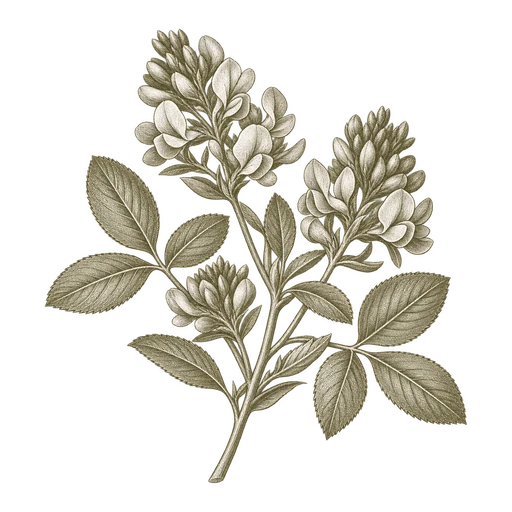
Alfalfa is a forage legume used as hay, silage and pasture, and processed into meal or pellets. Hay retains long plant material; silage is preserved moist forage, while meal and pellets are processed forms used in feed products.
Processing distinctions matter when comparing products. Some meal and pellet products are made from sun-cured material that is later ground; others are thermally dried, including products dried after grinding without first being stored as sun-cured hay. The product description and analysis should identify what is being offered.
Long-stem hay, moist silage and processed meal or pellets have different receiving and storage needs. Naming the form helps align the offer with the equipment and ration process at destination.
NDF and ADF describe fiber characteristics used in ruminant forage evaluation. Reviewing them alongside protein and energy measures gives a more complete comparison than relying on one headline value.
Forage can vary within a load, and moisture changes the basis on which nutrient values are reported. Lot-linked results, sample details and a consistent basis make comparisons more meaningful.
| Characteristic | Why it matters |
|---|---|
| Form and processing | Separates hay, silage, meal or pellets and clarifies how processed material was dried. |
| Crude protein (CP) | Provides a protein measure for evaluating the ingredient in a ration. |
| ADF and NDF | Describe fiber characteristics used in forage evaluation for ruminants. |
| TDN and RFV | Offer additional forage-value measures; interpretation depends on the method and basis reported. |
| Moisture and reporting basis | Help distinguish dry-matter values from as-received values and inform storage considerations. |
| Sampling and lot records | Show how representative the analysis is and which offered lot the results describe. |
These are comparison fields, not guaranteed offered specifications. Confirm the actual analysis, units, basis, methods and lot documentation for the product being considered.
For hay, buyers commonly define the required forage form and the analytical fields and physical condition that matter to the ration. For meal or pellets, clarify the product identity, processing description, particle or pellet characteristics where relevant, and the analysis required by the feed formulation. Protein and fiber should be considered together rather than treating a single value as a complete quality measure.
There is no one analysis that makes every alfalfa lot suitable for every animal or feeding program. Growing, harvest and handling conditions affect the material, and a lot’s results should be evaluated against the intended use. Give your nutritionist or feed formulator the offered specification and lot analysis before approving a purchase.
Hay needs protection from rain and ground moisture; exposure can weather the forage and affect its condition. Inspect incoming hay for weathering, mold and contamination, and plan storage that keeps it protected. Silage has different preservation and receiving requirements from dry hay, so do not assume the same packaging or storage approach applies to both.
Meal and pellets also require handling compatible with their physical form and the receiving equipment. Packaging, loading method and delivery arrangement depend on the specific offer. Share site access, unloading equipment, storage capacity and any restrictions with the broker so the proposed arrangement can be assessed against the destination.
A clear request names the form—such as hay, silage, meal or pellets—along with quantity and unit, destination and timing. Include the intended livestock use and the analysis fields, measurement basis, sampling details or physical criteria your team needs. If lot-specific records are required, state which records are important.
For delivered pricing, destination, volume, product form, packaging or receiving method, and timing all affect the commercial offer. The broker confirms the available product and terms for the specific requirement; evaluate the actual product description and analysis before comparing offers.
Alfalfa hay and silage can serve as forage in livestock rations. Form and analysis affect how a nutritionist evaluates the material for a particular ration; assess the lot’s results with the rest of the feed program.
Alfalfa is a common forage component in ruminant diets. A nutritionist can use the offered protein, fiber and energy analysis to judge its role in the complete ration rather than relying on the ingredient name alone.
Meal and pellets provide processed forms for feed manufacture or blending. Specify the required form and any relevant physical characteristics so the offered material can be assessed for the receiving and mixing process.
Hay requires a receiving and storage arrangement that protects it from rain and ground moisture. Share unloading access, storage conditions and site restrictions when delivery options are evaluated.
Silage is moist preserved forage, so its preservation and receiving requirements differ from dry hay. Confirm the offered product’s packaging, handling directions and storage needs before arranging delivery.
Processed forms require handling compatible with their physical format and the facility’s receiving equipment. Packaging and loading arrangements depend on the specific offer and destination.
Alfalfa meal is ground forage used in animal feed, with sun-cured and dehydrated processing routes and meal or pellet forms. Compare the offered process, physical form and analysis against the needs of the species and feed formulation.
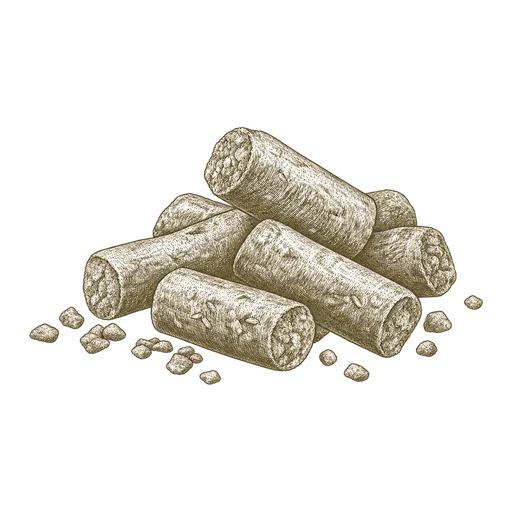
Explore ingredientAlfalfa pellets are ground, compressed forage used in livestock feeding and compound feeds. Compare the drying process, alfalfa material, forage analysis and pellet characteristics to choose a form that fits your ration and receiving setup.
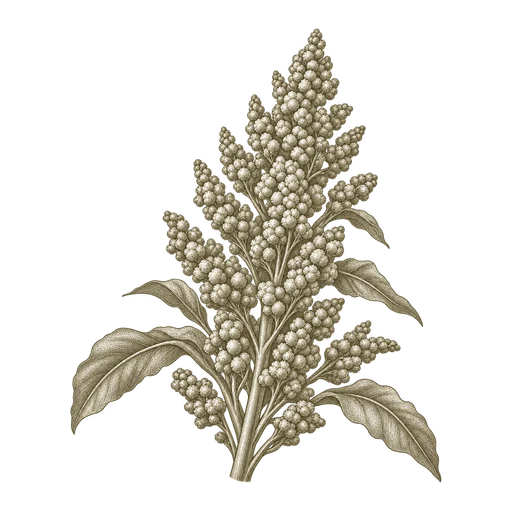
Explore ingredientAmaranth can be sourced as grain, leaf meal or whole-plant forage, and those forms are not interchangeable in feed formulation. Specify the plant material, species and processing method, then compare lot analysis suited to the intended animal and use.
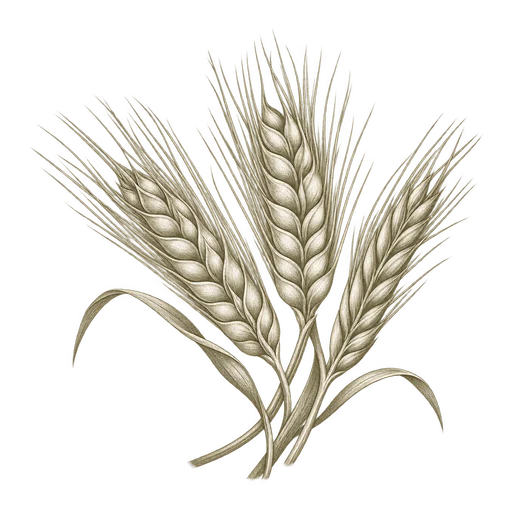
Explore ingredientBarley is a cereal grain used in cattle feed, malting, food and industrial processing. Whole and processed forms serve different needs; identify the intended use, processing state and receiving requirements when sourcing a bulk order.
Explore ingredientFocused guides to the specification, application, and delivery questions behind this ingredient.
Plan bulk alfalfa receiving by form: protect dry hay from moisture, prepare suitable handling and storage for moist silage, and match meal or pellets to your unloading system.
Read this InsightA practical guide to interpreting alfalfa hay and silage analyses in a complete ruminant ration, with attention to form, protein, fiber, energy measures and reporting basis.
Read this InsightCompare alfalfa hay analyses on the same moisture basis, units and methods, and check that each sample represents the lot being purchased. Understand what CP, ADF, NDF, RFV and TDN each describe before using results to define a specification.
Read this Insight
Compare alfalfa hay, meal and pellets by form-specific physical criteria, analytical basis, test methods and lot records—without relying on assumed limits.
Read this InsightAlfalfa is used as hay, silage and pasture, and it is also processed into meal or pellets. The forms differ in moisture, physical structure, processing and handling, so name the required form rather than requesting alfalfa without qualification.
For hay, buyers commonly review crude protein, ADF, NDF, RFV and TDN. Compare reports using the same measurement basis and check how the sample was collected. Your nutritionist can assess the lot’s results in the context of the complete ration.
Storage depends on form. Protect hay from rain and ground moisture, and inspect it for weathering, mold and contamination. Silage, meal and pellets have different preservation or handling needs; follow product-specific directions and ensure the receiving site is equipped for the form.
Send your volume, destination, and key specifications. A broker can follow up with availability and commercial terms.