Grains
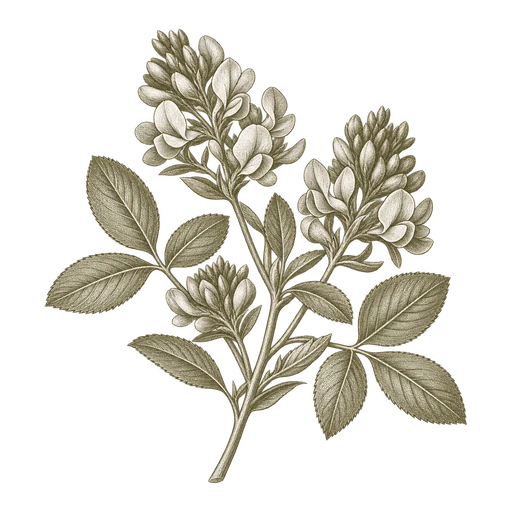
Alfalfa
Alfalfa is a forage legume sourced as hay, silage, meal or pellets for livestock feed. Match the form to receiving and ration needs, then compare a lot-specific analysis on a consistent basis.
Explore ingredientA practical overview of assessing identity, form, lot documentation, testing, and receiving condition across bulk ingredients with varied origins and applications.
Alfalfa is a forage legume sourced as hay, silage, meal or pellets for livestock feed. Match the form to receiving and ration needs, then compare a lot-specific analysis on a consistent basis.
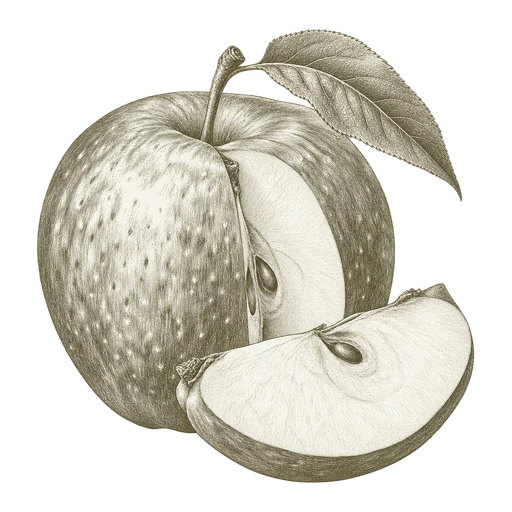
Explore ingredientApple pomace is an apple-pressing residue used in ruminant feed. Wet, dried and ensiled forms differ in moisture and preservation, so compare the actual form and lot analysis when assessing its role in a ration and planning bulk handling.
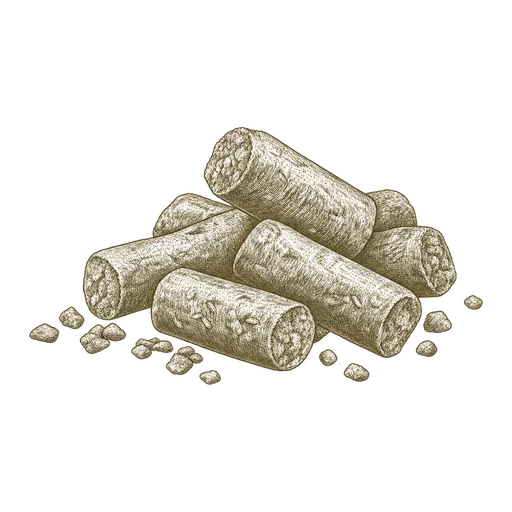
Explore ingredientBeet pulp pellets are a dried, compacted sugar beet co-product used as a fibrous, energy-bearing ingredient in livestock feed. Compare molasses status, lot analysis and pellet handling needs to match the product to your ration and receiving setup.
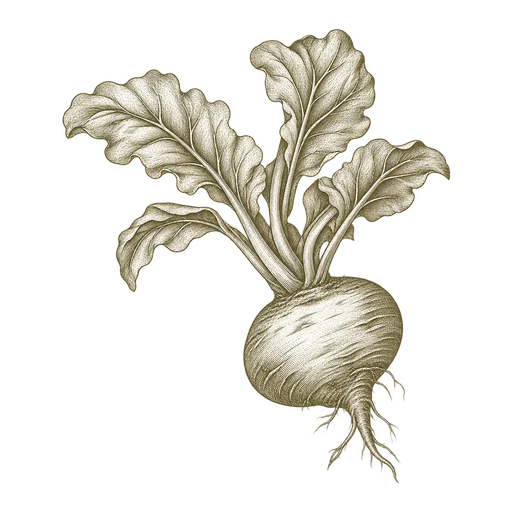
Explore ingredientSugar beet pulp is the fibrous residue left after sugar extraction and is used in livestock feed. Buyers can source moist pressed or dried shredded and pelleted forms; moisture, analysis and receiving needs determine which form fits a feed program.
Explore ingredientDry black beans are used in packaged foods, prepared dishes and canning. Compare whole versus broken or split composition, and assess canning performance separately when the beans will be processed.
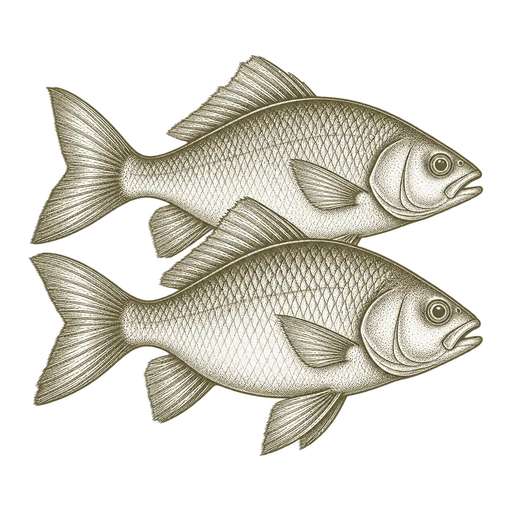
Explore ingredientCatfish meal is a rendered feed ingredient made from catfish-processing byproducts. Because raw materials and processing can differ, compare the declared identity, lot analysis and test basis before evaluating its role in a feed formulation.
Explore ingredientChicken fat is a rendered or extracted poultry fat used in animal feed and pet food. Compare its processing description and lot analysis, then match packaging, receiving, and storage plans to the specific product and intended formulation.
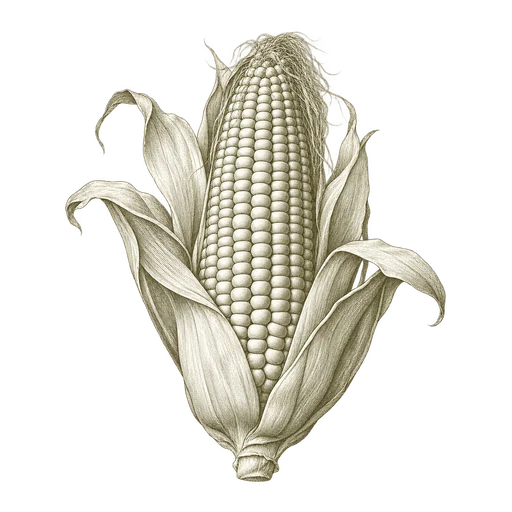
Explore ingredientCorn starch is separated from corn and sold as native or modified starch for food thickening and other application-specific uses. Compare modification status, functional properties and product documentation, then match packaging and handling to your receiving setup.
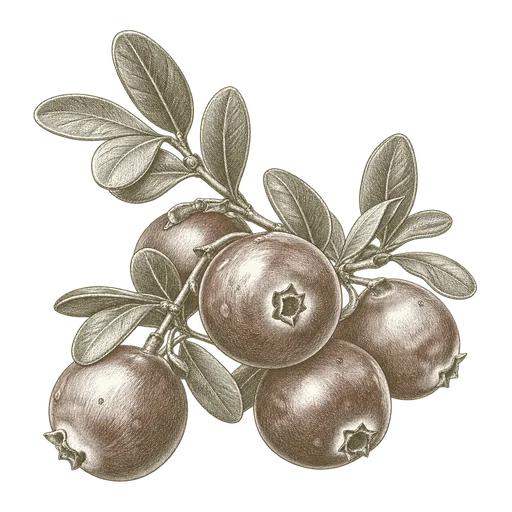
Explore ingredientCranberry pomace is a variable cranberry-processing coproduct used in food research and, in limited research, poultry diets. Compare wet, dried and processed forms by moisture, analysis basis and intended application.
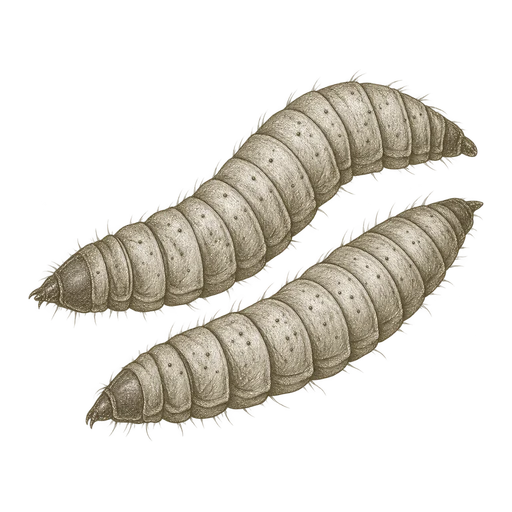
Explore ingredientDried black soldier fly larvae are an animal-feed ingredient available whole or ground, with some products partly defatted. Compare form, fat status and lot analysis to match the ingredient to your feed process and receiving setup.
Explore ingredientDried molasses is a livestock-feed ingredient that can differ in crop source, carrier and added ingredients. Compare the full formulation and dried-product analysis to determine how it fits a feed ration and bulk receiving plan.
Explore ingredientDuck meal is a dry-rendered, ground animal ingredient used as a raw material in dog and cat foods. Compare the source tissues, ingredient identity and lot analysis to match the product with formulation and labeling requirements.
Explore ingredientFish oil is a marine lipid used in compound aquafeeds. Compare its source, processing and lot-specific fatty-acid profile, then consider oxidation measures and liquid-oil receiving needs when planning a bulk order.
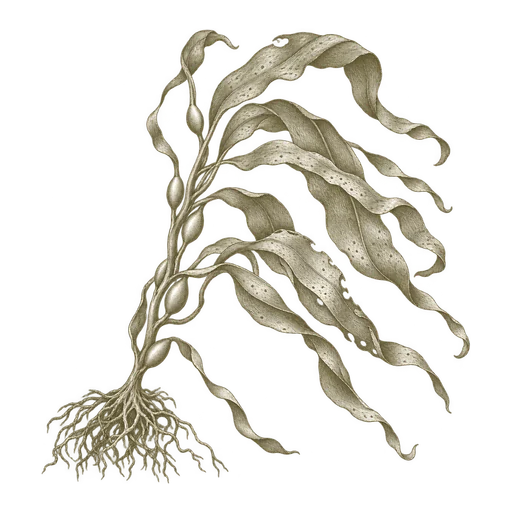
Explore ingredientKelp is a group of brown algae supplied in forms such as meal, granules, flakes and powder. For bulk feed or food ingredient sourcing, compare species, physical form and lot analysis—especially iodine for feed—then match packaging and storage to your operation.
Explore ingredientMilled flaxseed is ground flaxseed used in feed and food formulations. Distinguish whole-seed meal from oil-extracted linseed meal, then compare analysis, particle size and handling needs for the intended use.
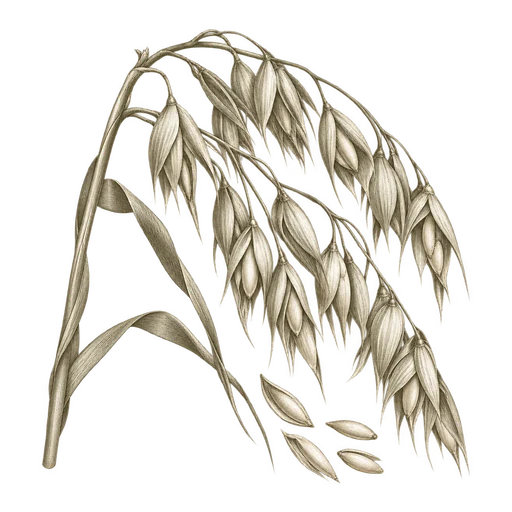
Explore ingredientOat groats are dehulled oat kernels used in food processing and feed formulations. Specify whole or cut form and processing history, then compare relevant quality measures on a consistent basis.
Explore ingredientOatmeal can mean rolled oats, another oat form, or a distinct feed milling fraction. Name the exact product and intended use, then compare the relevant quality details and receiving needs for a bulk order.
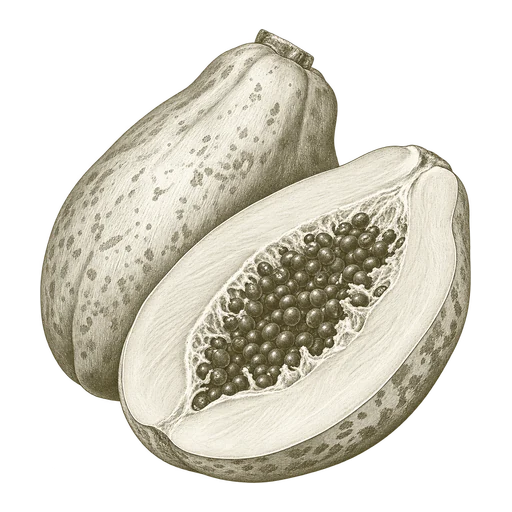
Explore ingredientPapaya is sourced as fresh fruit, puree, frozen or canned fruit, dried products, and distinct processing by-products. Identify the exact material and compare form-appropriate quality measures, handling needs and intended use.
Explore ingredientPea screenings are a variable grain-cleaning fraction used in livestock feed formulation. Compare whether the lot is pea-only or mixed pulse material, its physical form, analysis basis and foreign-material profile before deciding whether it fits your ration and receiving equipment.
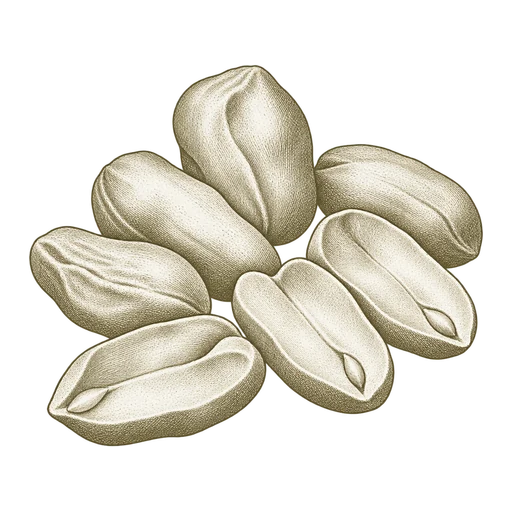
Explore ingredientPeanut meal is a ground, oil-removed peanut ingredient used as a protein source in livestock feed. Extraction method and hull content affect its analysis, so compare lot-specific composition and aflatoxin information before matching a bulk offer to a feed formulation.
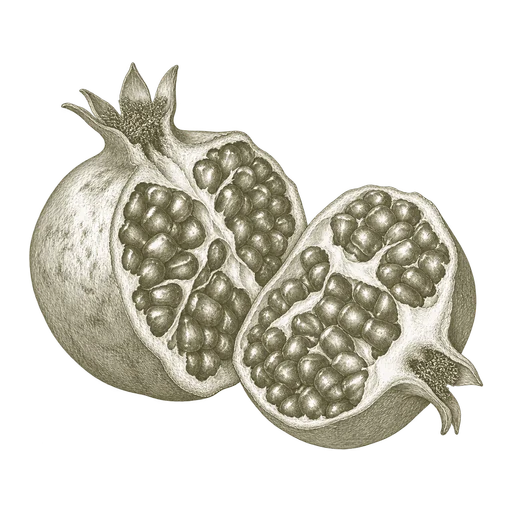
Explore ingredientPomegranate feed by-products can be fresh, dried or ensiled, with composition shaped by the fruit parts and processing. Identify the exact material and compare its moisture basis and analysis before evaluating it for a ruminant ration.
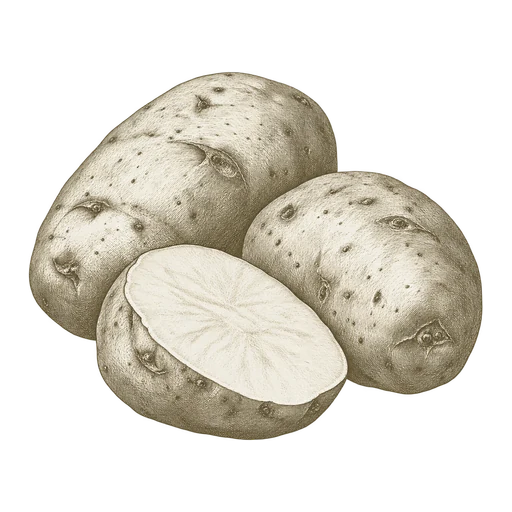
Explore ingredientPotato starch is a dried, potato-derived ingredient used in food formulations for thickening, stabilization, gel formation and texture. Identify native or modified form and compare functional specifications against the process and receiving requirements for your bulk order.
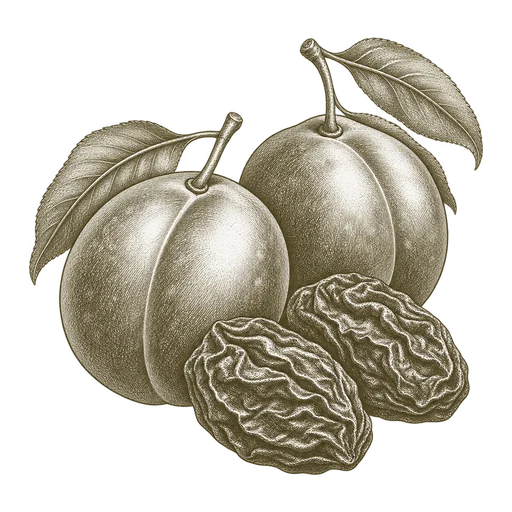
Explore ingredientPrunes are dried European plum fruit supplied whole or in ingredient forms such as diced pieces, paste, puree, concentrate and powder. Compare style, moisture, size, ingredients and handling characteristics against the needs of your food process.
Explore ingredientRaw pickouts most likely means raw peanut kernels or pieces separated during processing, but the name does not define a standard grade. Compare the offered kernel form, sorting criteria and lot-specific testing—especially aflatoxin—against the intended use and receiving plan.
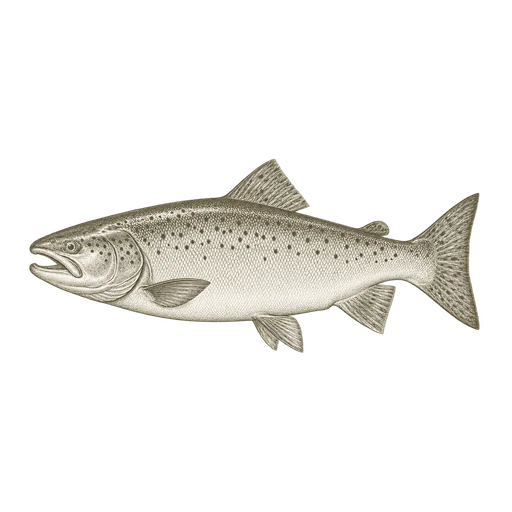
Explore ingredientSalmon oil is a fish-derived lipid used as a fat and long-chain omega-3 source in animal-food formulations. Compare source, processing, intended-use grade, fatty-acid profile and oxidation results, then match the offered oil’s packaging and handling directions to your receiving setup.
Explore ingredientTapioca pellets are a dried cassava-root feed ingredient used primarily as a carbohydrate and energy source in livestock rations. Their low protein content, variable composition and pellet-handling characteristics make ingredient identity, lot analysis and receiving equipment important parts of a bulk purchase.
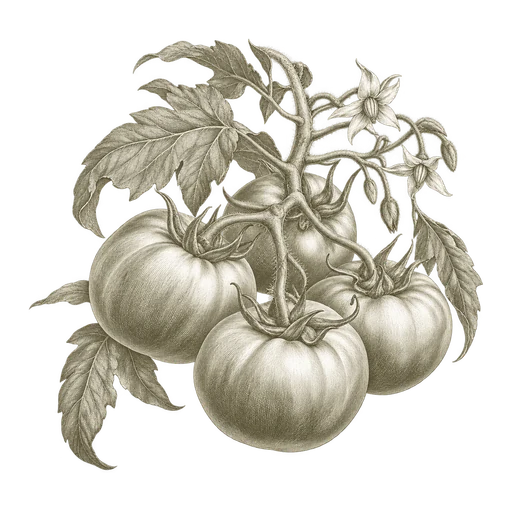
Explore ingredientTomato pomace is a variable tomato-processing residue used in livestock feed and, in dried form, some pet-food formulations. Compare wet, dried or ensiled material by its composition, moisture and intended use before arranging a bulk shipment.
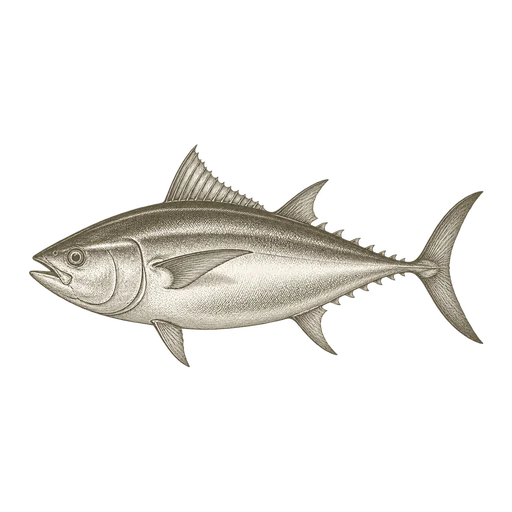
Explore ingredientTuna meal is a dried, ground fish ingredient used in feed formulations, including aquaculture diets. Its raw materials, processing, composition and physical form can differ, so compare lot analysis and handling requirements before arranging a bulk order.
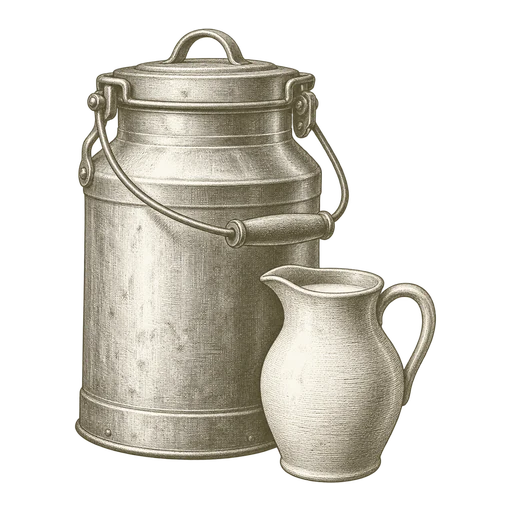
Explore ingredientWhey powder is a dried dairy ingredient used in food manufacturing and animal feed. Sweet and acid whey, and ordinary powder versus further-processed whey products, differ in composition and function—so match the product identity and lot analysis to the application.
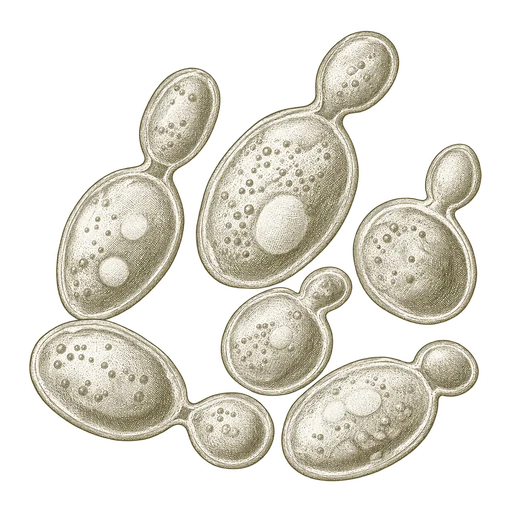
Explore ingredientFeed yeast covers distinct whole-cell, live, culture, extract, and cell-wall products. Compare source, processing, viability, and nutrient analysis to choose the form that fits an animal-feed formulation and bulk receiving plan.
Explore ingredientThis collection covers ingredients with different origins and forms, including alfalfa, oat groats, apple pomace, catfish meal, fish oil, and whey powder. There is no single grade or test panel that applies across them all. A useful specification starts by matching the full ingredient identity and processing description to the intended use, whether that is feed, pet food, or human food.
Physical form matters too: oils, powders, meals, pellets, and whole materials have different handling characteristics and may need different acceptance criteria. A category name alone does not establish composition, grade, or suitability. Review the offered product’s current specification against your formulation and quality requirements.
Agree in advance which attributes affect acceptance. Depending on the ingredient and application, these can include moisture, protein, fat, fiber, minerals, particle size, appearance, and odor. Safety checks should also reflect the ingredient, its source and process, and its intended use; a broad list of possible hazards is not automatically a required test panel for every lot.
When reviewing a certificate of analysis, check that it is linked to the offered lot and that the sample date, sampling method, analytical basis, units, methods, and acceptance limits are clear. Comparing a single value such as protein is meaningful only when the products, methods, and reporting basis are comparable.
A test result describes the sample tested, so sampling should represent the lot and suit the material. Confirm the method with the laboratory or quality team rather than applying one sampling approach to oils, meals, pellets, and powders alike. At delivery, compare lot identity and form with the purchase specification, and check for visible damage, unexpected odor, or signs of contamination or deterioration. Document differences and follow your receiving procedure before using material that does not meet agreed criteria.
No. Set the panel from the ingredient’s identity, form, intended use, and agreed specification. The relevant nutrient, physical, and safety checks vary by product and application.
Check the lot linkage, sample date and method, test methods, units, analytical basis, and results against the agreed acceptance limits. A certificate describes the tested sample; it does not by itself establish that every part of a delivery is identical.
Only when the products, forms, analytical methods, units, and reporting basis are comparable. One nutrient value does not establish overall quality, safety, or suitability.
Document the condition, compare it with the purchase specification, and follow your receiving procedure. Hold the material for review before use if it does not meet agreed criteria.
Focused guides to the specification, application, and delivery questions behind this ingredient.
Bulk feed yeast receiving depends on the offered form. Dry inactive yeast, live dry products, liquids and extracts require product-specific packaging, unloading and storage planning—especially when a live product carries a viability guarantee.
Read this InsightLive and inactive yeast answer different feed-formulation needs. Compare viability for products intended to supply live cells, and product identity and nutrient composition for inactive yeast ingredients.
Read this InsightFeed yeast specifications are meaningful only when product identity is clear. Compare source, organism, processing, activity status, and analytical basis before using protein, viable-cell, or functional-component measures to evaluate bulk offers.
Read this InsightPlan bulk whey powder receiving around the offered package, your facility’s unloading setup and dry, protected storage. Verify product-specific storage instructions and dated shelf-life details before delivery.
Read this InsightWhey powder adds a broader mix of dairy solids than whey protein concentrate or isolate. See how composition, dispersibility and baking conditions can shape a bakery trial, and what to compare before scaling.
Read this InsightCompare sweet and acid whey powder by processing identity first, then evaluate protein, lactose, fat, moisture, ash and acidity using consistent units, measurement bases and methods.
Read this Insight