Distinct forms support distinct evaluations
Grain, leaf meal and whole-plant forage have different compositions and should not be substituted in a comparison without form-specific analysis.
Ingredient intelligence · quote-ready sourcing
Amaranth can be sourced as grain, leaf meal or whole-plant forage, and those forms are not interchangeable in feed formulation. Specify the plant material, species and processing method, then compare lot analysis suited to the intended animal and use.
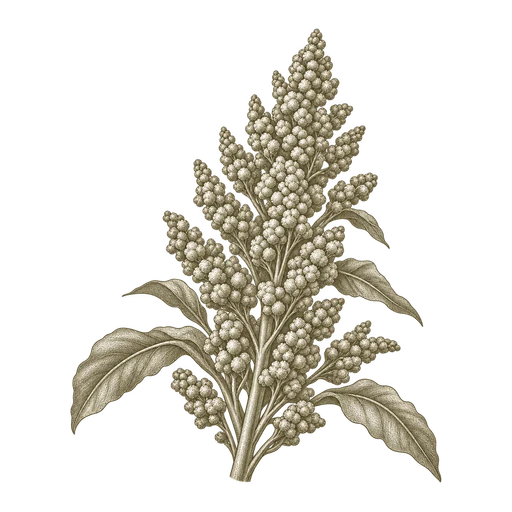
Amaranth names plants in the genus Amaranthus, not one uniform feed product. Grain, dried leaves and whole-plant forage differ in composition and use, so identifying the material—and species where known—is central to comparing offers.
Grain may be supplied raw or processed. Processing method and conditions matter because feeding results vary across treatments, diets and animal groups. Grain findings do not establish the value of leaf meal or forage.
Grain, leaf meal and whole-plant forage have different compositions and should not be substituted in a comparison without form-specific analysis.
Heat treatment can affect feeding value, and results are not uniform across methods. A process description makes it possible to assess relevant analysis or feeding information.
Moisture and nutrient values need a stated as-fed or dry-matter basis. Without it, apparent differences between analyses may reflect measurement basis rather than the ingredient itself.
| Characteristic | Why it matters |
|---|---|
| Botanical identity and form | Distinguishes grain from leaf meal or forage and clarifies which feeding evidence applies. |
| Processing method and conditions | Needed to evaluate processed grain because treatment can affect feeding value. |
| Moisture and nutrient analysis | Protein, fat, fiber and ash describe the material; a stated as-fed or dry-matter basis supports comparison. |
| Forage nitrate information | Nitrate is a relevant forage consideration and should not be inferred from grain analysis. |
| Feeding or digestibility information | Useful only when it matches the offered species, form, process and intended animal. |
These are comparison fields, not guaranteed commercial specifications. Values and supporting documents depend on the offered lot.
Raw and heat-treated amaranth grain are not automatically equivalent in a ration. Research on grain amaranth reports improved feeding outcomes after certain heat treatments in some settings, while other processing results are mixed and high-temperature treatment can reduce protein digestibility. “Processed” alone is therefore not a meaningful description of the treatment.
For a processed-grain offer, identify the method and conditions, then evaluate analysis or feeding information that matches that process and the intended animal. Results from one species, treatment, diet or animal group do not establish a universal inclusion rate or outcome. Processing detail matters because it links the product in the load to the evidence used in formulation.
Poultry is a researched use for grain amaranth, generally as a partial feed ingredient rather than an assumed one-for-one replacement for conventional grains or protein meals. Findings vary with grain form, processing and diet. A nutritionist assessing poultry use needs the offered grain’s identity and process, as well as its lot analysis; results from one trial are not a general feeding instruction.
Amaranth leaves and whole-plant forage call for a separate assessment. Limited forage observations report that crude protein changed with plant maturity, and nitrate accumulation is a concern identified for amaranth and pigweeds. Those considerations do not transfer to grain. Buyers evaluating forage should request relevant forage analysis, including nitrate information where appropriate, and have the material assessed for the intended feeding program.
A useful comparison pairs botanical identity and physical form with processing method, moisture and nutrient analysis. The analysis should state whether values are as-fed or on a dry-matter basis; otherwise, two sets of numbers may not be comparable. Protein, fat, fiber and ash help describe the offered material, but their significance depends on form and intended use.
For grain, ask what identity and contamination controls apply to the intended use. For forage, ask about nitrate results where relevant. Any digestibility or feeding data should match the species, form and processing method being offered. These details make a specification useful for formulation rather than merely a list of numbers.
Grain amaranth has been investigated as a partial ingredient in poultry diets. Formulators should distinguish raw from processed grain and evaluate evidence that matches the grain, treatment and diet; research does not establish a universal inclusion rate.
Whole-plant forage is a different feed material from grain. Plant maturity affects its composition, and nitrate is a relevant evaluation point. Use forage-specific information for the intended feeding program rather than transferring grain analysis.
State whether the requirement is grain, leaf meal or forage, and include species and processing details where known. Give the quantity and unit, destination and requested timing so the product and delivery requirement can be evaluated together.
Describe the packaging needed and how the facility receives and unloads the material. These details matter because the required form and receiving setup must align; do not assume a particular packaging option is available.
Plan to keep the material protected from moisture and contamination, and retain its product identity through handling. For forage, keep relevant nitrate information with the lot; no single storage limit or shelf life is established for every amaranth form.
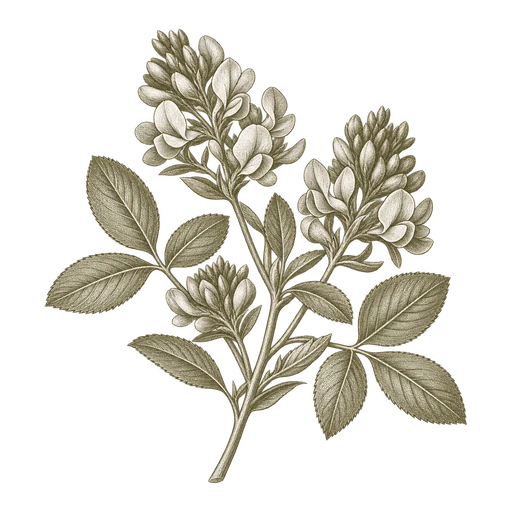
Alfalfa is a forage legume sourced as hay, silage, meal or pellets for livestock feed. Match the form to receiving and ration needs, then compare a lot-specific analysis on a consistent basis.
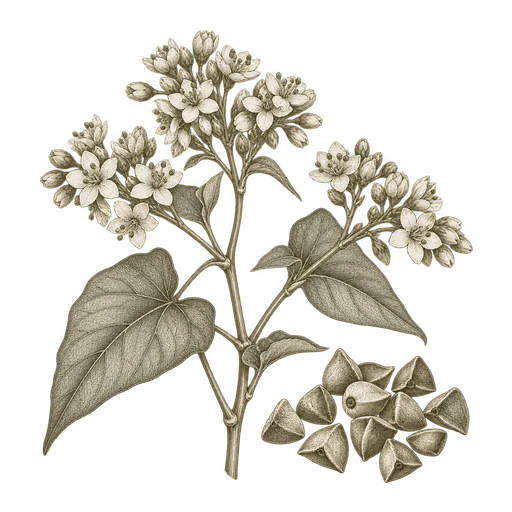
Explore ingredientBuckwheat is sourced as whole seed, dehulled groats, flour and milling by-products for food and feed uses. Choose the form and processing status for the intended use, and compare lot quality on a clearly stated basis.
Explore ingredientThe relevant forms include grain, dried leaf meal and whole-plant forage. They are distinct materials, so specify the form—and the species where known—rather than relying on the name amaranth alone.
No. Processing method and conditions can affect feeding value, and results vary across treatments and diets. Identify the process and compare analysis or feeding information that matches the offered grain and intended use.
State the form, species if known, quantity and unit, destination, timing, packaging and receiving method. Include the relevant quality needs: for example, nutrient analysis with its basis for grain, or nitrate information for forage where appropriate. Delivered pricing depends on the offered product and shipment details.
Send your volume, destination, and key specifications. A broker can follow up with availability and commercial terms.