Grains
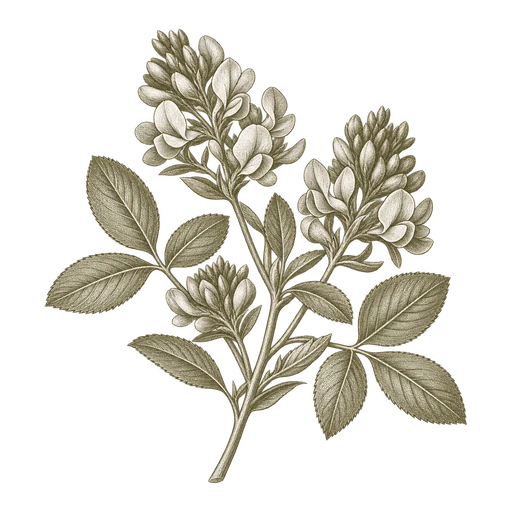
Alfalfa
Alfalfa is a forage legume sourced as hay, silage, meal or pellets for livestock feed. Match the form to receiving and ration needs, then compare a lot-specific analysis on a consistent basis.
Explore ingredientA cross-sector overview of bulk ingredient categories and the practical checks buyers can use to compare product form, intended market, lot documentation, and delivery needs.
Alfalfa is a forage legume sourced as hay, silage, meal or pellets for livestock feed. Match the form to receiving and ration needs, then compare a lot-specific analysis on a consistent basis.
Explore ingredientAlmond meal can mean ground edible kernels or oil-extraction press cake, and the distinction affects composition and bakery performance. Identify the almond fraction, compare its lot analysis and match its form to your formulation and receiving setup.
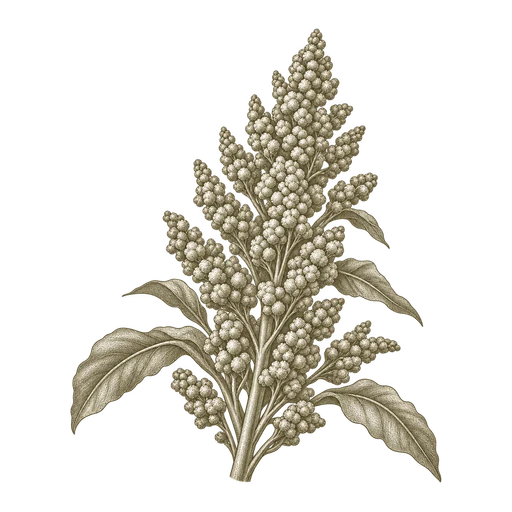
Explore ingredientAmaranth can be sourced as grain, leaf meal or whole-plant forage, and those forms are not interchangeable in feed formulation. Specify the plant material, species and processing method, then compare lot analysis suited to the intended animal and use.
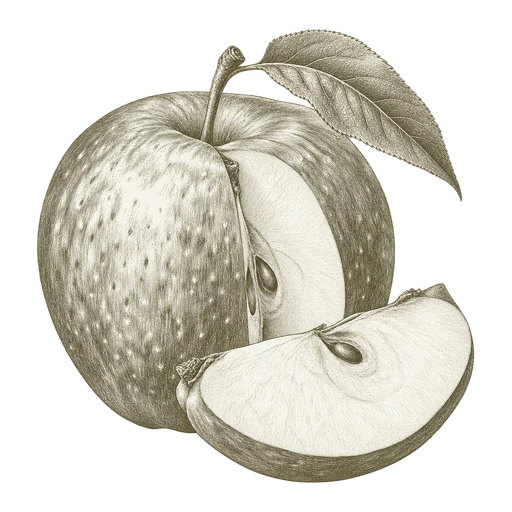
Explore ingredientApple pomace is an apple-pressing residue used in ruminant feed. Wet, dried and ensiled forms differ in moisture and preservation, so compare the actual form and lot analysis when assessing its role in a ration and planning bulk handling.
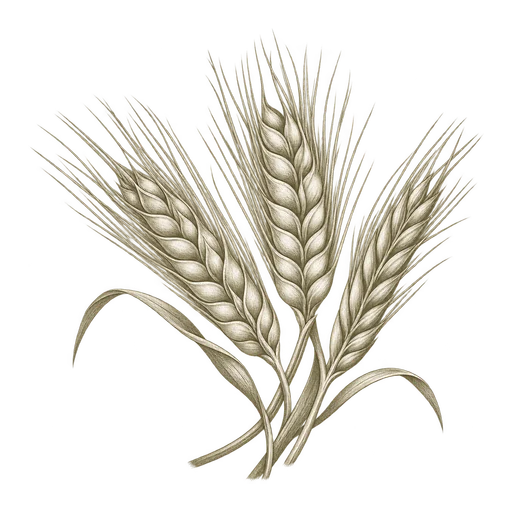
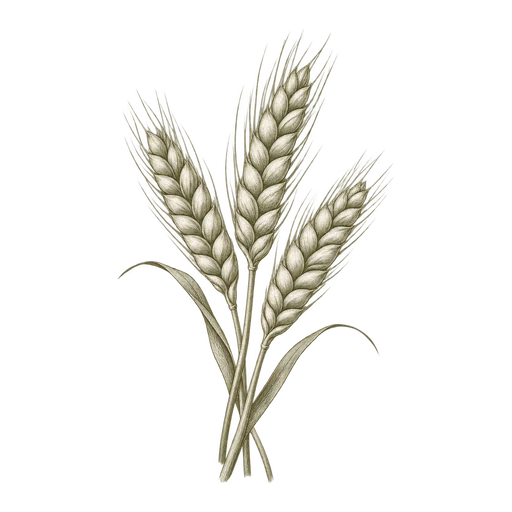
Explore ingredientBarley is a cereal grain used in cattle feed, malting, food and industrial processing. Whole and processed forms serve different needs; identify the intended use, processing state and receiving requirements when sourcing a bulk order.
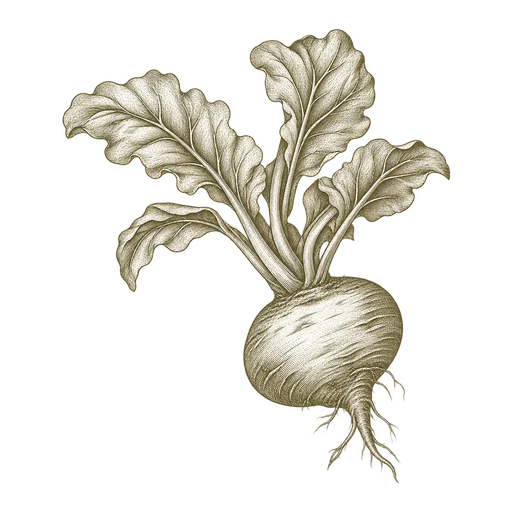
Explore ingredientBeet powder can mean whole-root powder or a juice-derived color ingredient, and the distinction affects composition and formulation use. Compare product identity, carriers, color performance and storage needs before arranging a bulk order.
Explore ingredientBlack-eyed peas are mature dry cowpea seeds sourced for human-food markets and processing. Compare whole or processed form, grain condition, moisture context, and the receiving and storage plan before arranging a bulk order.
Explore ingredientBlood meal is dried, powdered blood used as a protein ingredient in formulated feed and as a concentrated nitrogen fertilizer. Source, processing and intended use shape which analysis and handling details matter in a bulk purchase.
Explore ingredientBone meal is dried, ground animal bone used as a mineral-bearing ingredient in feed and pet-food formulations. Compare cooked and steamed forms, source species, and calcium and phosphorus analysis to identify the material that fits the intended use.
Explore ingredientCabbage feed can mean whole cull vegetables or leaves and cores from sauerkraut processing. These high-moisture materials differ in composition and handling, so compare the specific stream, current analysis and receiving plan before buying for cattle.
Explore ingredientCalf milk replacer ingredients include protein sources, lactose, fats and premix components used to formulate a dry powder that is mixed with water before feeding. Compare exact material identity, processing and composition because these components are not interchangeable or complete replacers on their own.
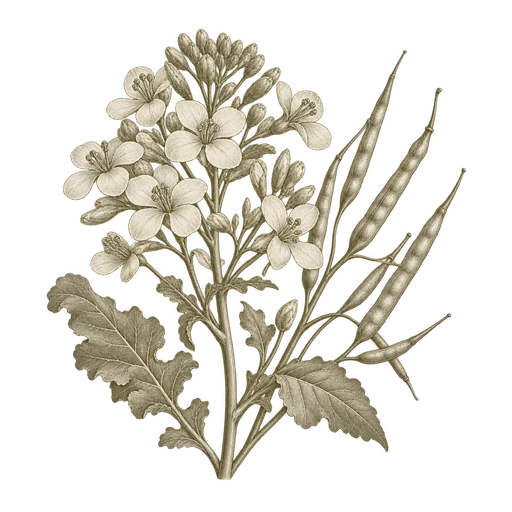
Explore ingredientCanola refers to seed and products including edible oil and feed meal. For bulk sourcing, identify the product and, for meal, compare processing, physical form and lot analysis to match the feed formulation and receiving setup.
Explore ingredientCommercial vegetable oil sourcing with application-specific specifications.
Explore ingredientCashew pieces are broken edible kernels used as a cashew ingredient when whole-kernel appearance is unnecessary. Compare piece size, processing state and quality requirements to match the product with your food formulation.
Explore ingredientBulk cashews are sourced as edible kernels in forms such as whole or broken, raw or roasted. Specify the exact product form and quality measures so the shipment can be compared with your food application and receiving requirements.
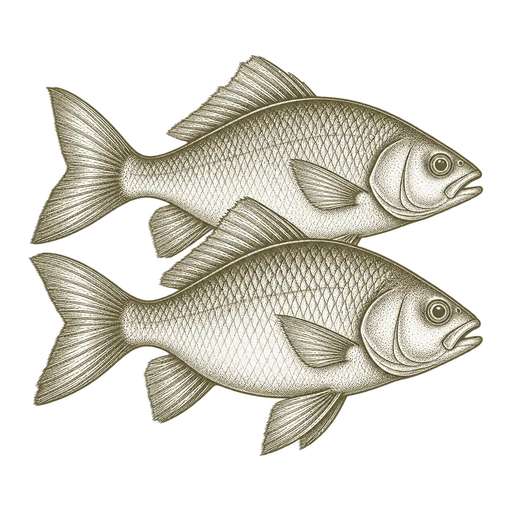
Explore ingredientCatfish meal is a rendered feed ingredient made from catfish-processing byproducts. Because raw materials and processing can differ, compare the declared identity, lot analysis and test basis before evaluating its role in a feed formulation.
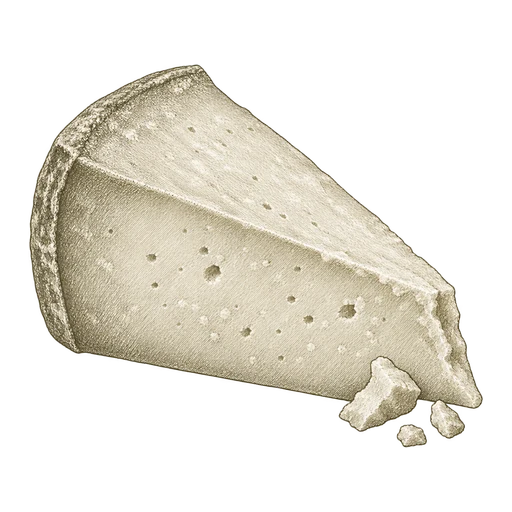
Explore ingredientCheese powder is a dried cheese or cheese-based ingredient used to add cheese flavor to coatings, dry mixes, sauces and other foods. Cheese style, added ingredients and drying method affect composition and performance, so compare the formulation and functional properties with the needs of your process.
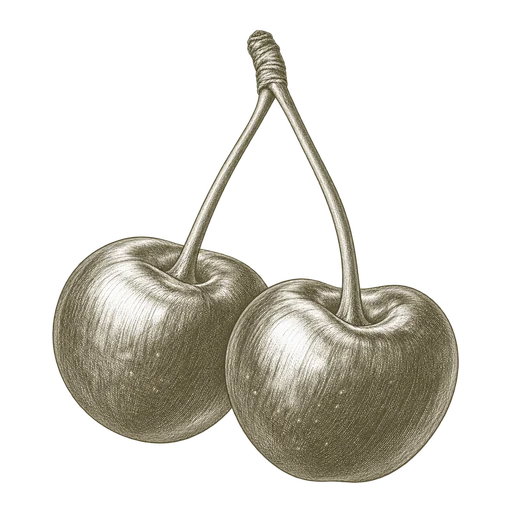
Explore ingredientBulk cherries may mean whole fruit, processed cherries or a distinct fraction such as pomace. Identify sweet or sour cherry and the processing form first; these choices affect product use, quality checks and the specifications needed for a useful quote.
Explore ingredientChickpea flour is milled from chickpeas for use in breads, baked goods, tortillas, pasta, batters and other foods. Processing history and particle size affect formulation behavior, so compare those details alongside analysis and receiving requirements when sourcing in bulk.
Explore ingredientChickpeas are dry edible pulses sold as Kabuli or Desi seed, whole, split, dehulled or milled into flour. Choose class and form to match the food process or formulation, and compare lot moisture, size, defects and receiving needs.
Explore ingredientClear flour is a darker wheat-milling flour stream used in baking, especially darker breads. Compare first- or second-clear grade, lot analysis and application performance to choose flour that fits your process.
Explore ingredientColored safflower is safflower seed identified by its appearance, but the name can mean naturally colored or artificially treated seed. Establish the product identity and intended use, then compare whole-seed condition, moisture and test weight for bird-feed applications.
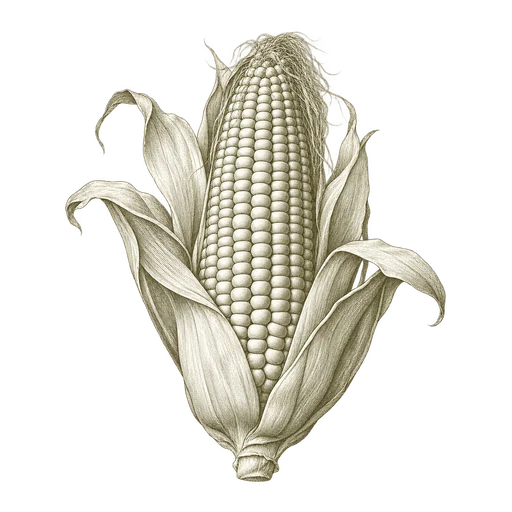
Explore ingredientCorn grain is a major feed ingredient and a raw material for food and industrial processing. Specify whole, cracked or ground form, intended use, lot-quality needs and receiving details to compare bulk offers appropriately.
Explore ingredientCorn gluten meal is a corn wet-milling coproduct used as a concentrated plant-protein ingredient in poultry feed and pet food. Compare the offered form, protein and amino-acid analysis, moisture basis, and xanthophyll when relevant to the formulation.
Explore ingredientCorn oil is sourced in distinct forms for edible-oil, feed and industrial uses. Compare the processing description and lot analysis, then match grade, receiving requirements and storage instructions to the intended application.
Explore ingredientCorn syrup solids are dried corn syrup supplied as a powder and used as a carbohydrate ingredient in food formulations. Compare dextrose equivalent, moisture and physical properties to match the grade to your process.
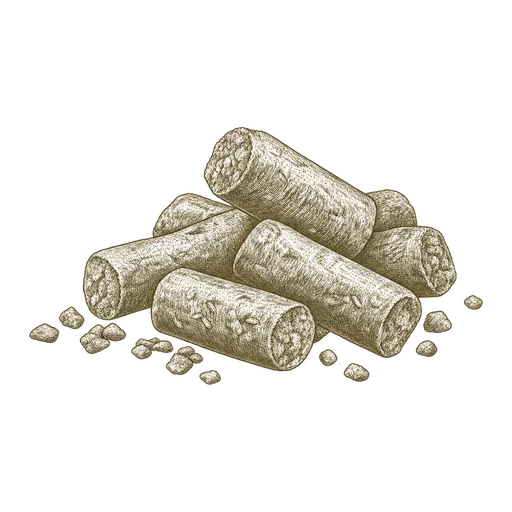
Explore ingredientCottonseed hull pellets are a pelleted cotton-processing co-product used as roughage in cattle diets. Compare the actual ingredient declaration and lot analysis, and match the product's physical characteristics to your ration and receiving setup.
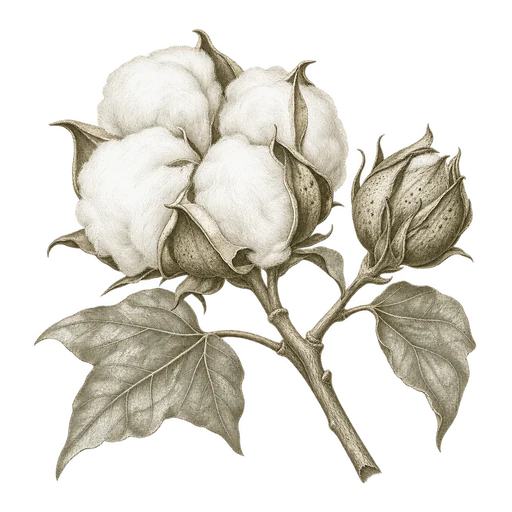
Explore ingredientCottonseed meal is a protein-containing co-product of cottonseed oil extraction used in animal feed. Processing affects its composition and gossypol characteristics, so compare a lot’s analysis and intended-species requirements before choosing an offer.
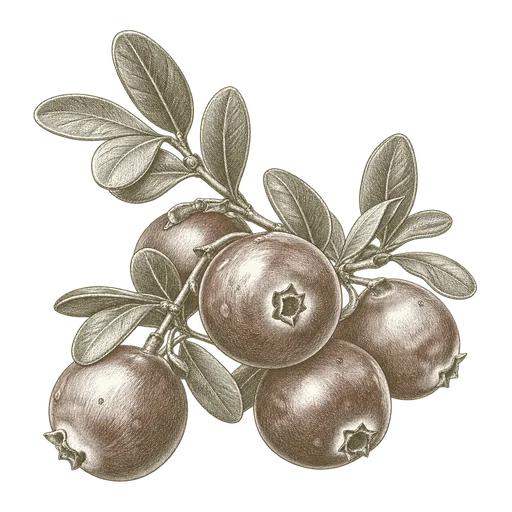
Explore ingredientCranberry pomace is a variable cranberry-processing coproduct used in food research and, in limited research, poultry diets. Compare wet, dried and processed forms by moisture, analysis basis and intended application.
Explore ingredientDextrose is D-glucose supplied in forms including monohydrate and anhydrous powder. Specify the form, intended food or feed use, particle-size needs and analysis basis when comparing bulk offers.
Explore ingredientDuck meal is a dry-rendered, ground animal ingredient used as a raw material in dog and cat foods. Compare the source tissues, ingredient identity and lot analysis to match the product with formulation and labeling requirements.
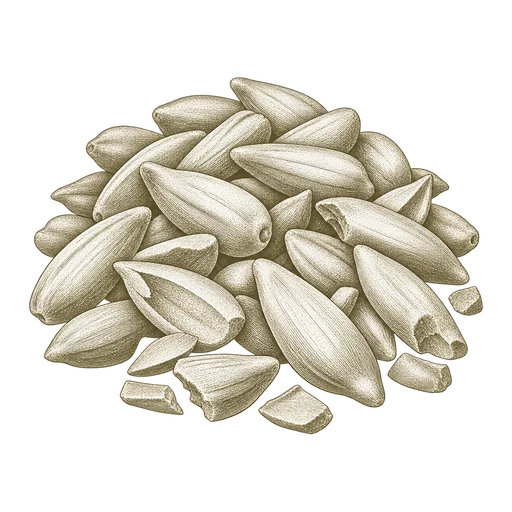
Explore ingredientFine Chips are broken or size-reduced sunflower kernels used in wild-bird feed products. Compare the seller’s chip-size definition, hull content and lot analysis, then match packaging and receiving details to your facility.
Explore ingredientFlax is sourced as whole or ground seed, oil, meal and straw, with processing affecting product characteristics. Identify the form and intended market first, then compare the relevant analysis and receiving requirements.
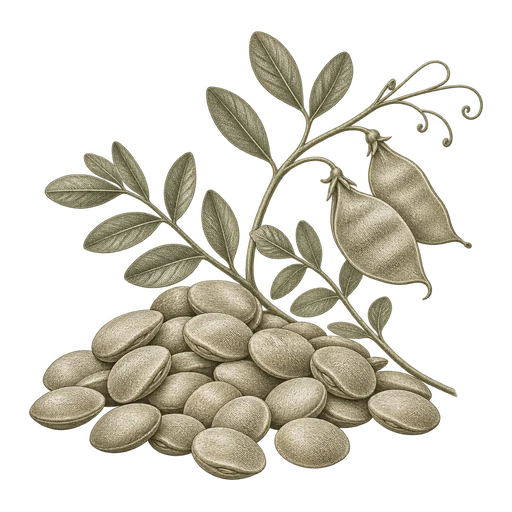
Explore ingredientGreen lentil flour is milled from green lentil seed for food product development, including bakery, pasta, snack and other formulations. Compare whole-seed or dehulled status, heat treatment and particle size because these differences can affect color and processing behavior.
Explore ingredientGround corn is milled corn grain used as an energy ingredient in livestock diets and commercial feed. Because the name does not define grind size, analysis or intended use, buyers should specify the particle-size requirement and quality measures that fit their process.
Explore ingredientHominy feed is a variable corn-milling co-product used in livestock diets, distinct from nixtamalized food hominy. Compare the actual physical form and lot analysis, then evaluate its role in the complete ration and plan receiving and moisture-conscious storage.
Explore ingredientInstant WPC 80 is a whey-derived protein powder designed to disperse more readily in mixing. Distinguish it from WPI 90, then compare protein basis, lecithin details and lot analysis for the intended food formulation.
Explore ingredient“Japanese” alone is not a specific ingredient name. Identify the commodity, form and intended use before assessing specifications or bulk shipment requirements.
Explore ingredientA dairy-derived ingredient sourced to application-specific requirements.
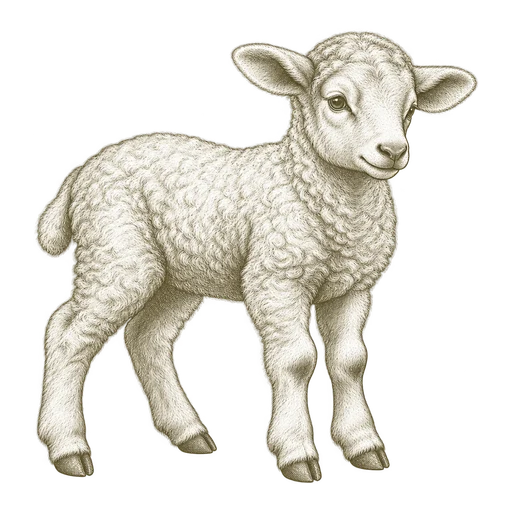
Explore ingredientLamb meal is rendered, dried and ground ovine tissue used in animal food. Compare the product definition and lot analysis—including protein, fat, ash and moisture—and match the offered form and receiving arrangement to the intended use.
Explore ingredientMacadamia nuts are sourced in-shell or as kernels for snacks and food manufacturing. Compare kernel style, raw or roasted processing, moisture and oil analysis, and packaging to match the product to its intended use.
Explore ingredientMango-derived feed ingredients range from peel and mixed residue to whole seed and kernel meal. Identify the material and its processing first: those differences affect composition, formulation, analysis and storage decisions.
Explore ingredientMeat and bone meal is a rendered mammalian feed ingredient that contributes protein and bone-derived minerals. Compare its full lot analysis—not crude protein alone—and match the source, formulation needs and receiving arrangement to your operation.
Explore ingredientMenhaden fish oil is a species-specific oil supplied as crude or further-refined product for distinct feed, aquaculture and human-food applications. Compare processing status, intended use and lot-specific composition before arranging a bulk order.
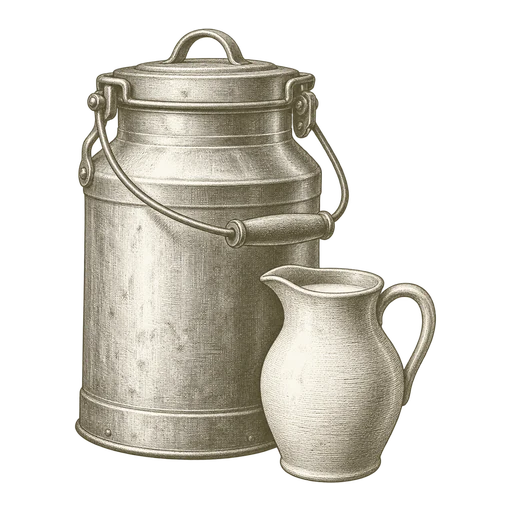
Explore ingredientMilk permeate is a lactose- and mineral-rich dairy fraction used in food formulations including baked goods, dairy products, dry mixes and beverages. Bulk buyers can distinguish milk permeate from whey permeate and compare powder composition, reporting basis and handling needs against the intended application.
Explore ingredientMustard can mean culinary seed, oilseed or oil-extraction meal. Compare species, physical form and processing method first; for meal, review its analysis and glucosinolate profile against the intended feed use.
Explore ingredientNavy beans are small, white dry beans used in retail packs and foods such as baked beans, soups and stews. Specify the navy market class, required form and end-use quality factors when comparing bulk lots.
Explore ingredientNon-fat dry milk is a concentrated dairy ingredient used in food manufacturing. Compare instant status, heat class and lot specifications against your process, and account for packaging and dry storage when planning a bulk order.
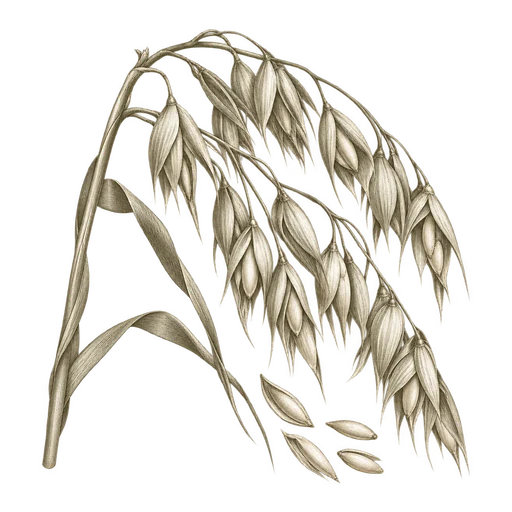
Explore ingredientOat flour is milled oats used in bakery products, cereals, bars, batters and other food formulations. Processing and particle size affect how it blends and performs, so compare the offered flour’s preparation, analysis and grind with your recipe and receiving requirements.
Explore ingredientOat groats are dehulled oat kernels used in food processing and feed formulations. Specify whole or cut form and processing history, then compare relevant quality measures on a consistent basis.
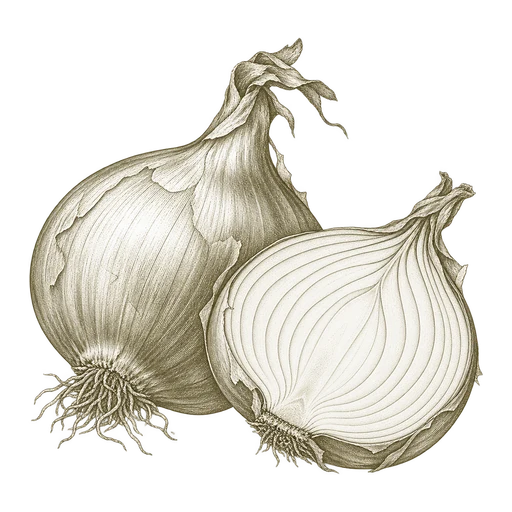
Explore ingredientCull onions are water-rich bulbs rejected from the fresh market, with feed-use evidence specific to particular forms and livestock trials. Compare form, moisture, condition and intended species before arranging a bulk order.
Explore ingredientPea fiber is sourced from different pea fractions and processing streams, so its fiber profile and water-binding behavior can vary. Identify the material and compare its analysis and functional properties against the intended food application.
Explore ingredientPea flour is milled from dried peas and used in foods including baked goods, pasta, snacks, batters and sauces. Whole-seed, dehulled, fractionated and pregelatinized forms differ in composition and function, so compare processing details and application-relevant specifications.
Explore ingredientPea protein is a pea-derived food ingredient sold as flour, concentrate, isolate or hydrolysate. Compare the form, protein measurement basis and application-relevant functional data to choose an ingredient for your formulation.
Explore ingredientPea screenings are a variable grain-cleaning fraction used in livestock feed formulation. Compare whether the lot is pea-only or mixed pulse material, its physical form, analysis basis and foreign-material profile before deciding whether it fits your ration and receiving equipment.
Explore ingredientPea starch is the starch fraction separated from peas and is used for viscosity, gel formation, water retention and texture in food formulations. Processing changes its behavior, so identify the offered form and compare functional properties against your application.
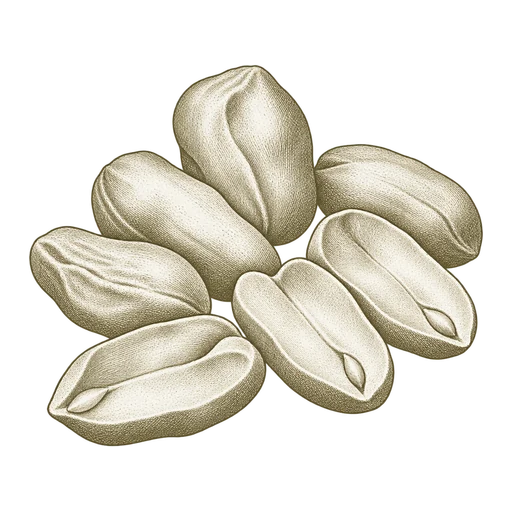
Explore ingredientPeanut splits are separated halves of shelled kernels used in food processing. Define the required processing state, kernel-size mix, grade and quality checks before comparing bulk offers.
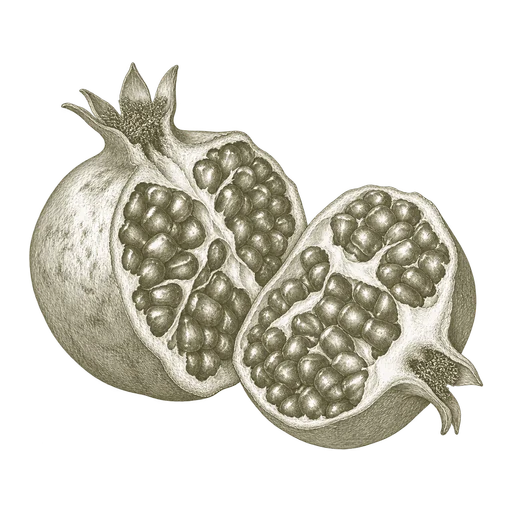
Explore ingredientPomegranate feed by-products can be fresh, dried or ensiled, with composition shaped by the fruit parts and processing. Identify the exact material and compare its moisture basis and analysis before evaluating it for a ruminant ration.
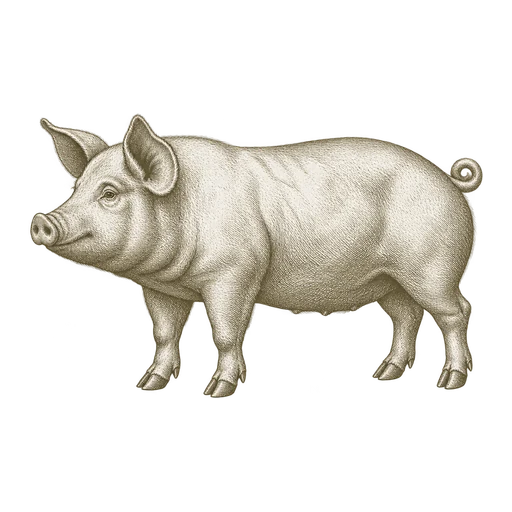
Explore ingredientPork meal is rendered, ground pork-derived material used in animal-feed and pet-food manufacturing. Confirm whether bone is included, compare the offered lot analysis on a consistent basis, and match the form and handling details to your facility.
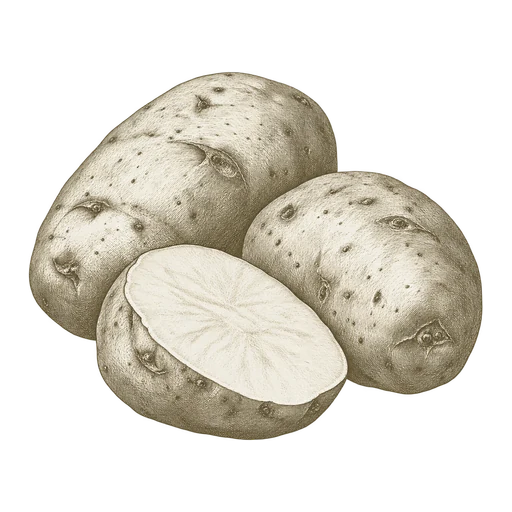
Explore ingredientPotato starch is a dried, potato-derived ingredient used in food formulations for thickening, stabilization, gel formation and texture. Identify native or modified form and compare functional specifications against the process and receiving requirements for your bulk order.
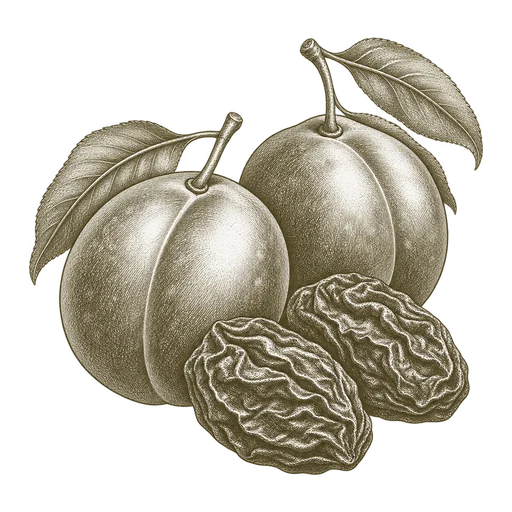
Explore ingredientPrunes are dried European plum fruit supplied whole or in ingredient forms such as diced pieces, paste, puree, concentrate and powder. Compare style, moisture, size, ingredients and handling characteristics against the needs of your food process.
Explore ingredientRed millet is a color-described grain used in feed and birdseed markets, but the name does not establish its species. Compare botanical identity, whole or processed form, hull status and lot analysis to match the grain to its intended use and receiving setup.
Explore ingredientRed milo is red-pericarp grain sorghum used as an energy ingredient in animal feed. Color does not establish tannin status, so compare the lot’s identity, physical quality and nutrient analysis, and choose whole or processed grain to match the feeding or milling system.
Explore ingredientRed proso is red-seeded proso millet sold for markets that include feed and birdseed. Choose whole, cracked or ground grain to fit the end use, and compare lot-specific physical quality and analysis against the buyer’s requirements.
Explore ingredientRice is sourced in distinct forms—from rough, brown and milled kernels to broken rice and milling co-products such as bran. Identify the form, intended use and relevant quality measures to compare bulk offers appropriately.
Explore ingredientBulk rice is sourced as brown or milled white rice, with whole- and broken-kernel options. The right choice depends on the end use: milling form changes the grain’s composition, while grain type, kernel condition and lot analysis help determine whether it fits a food process or feed formulation.
Explore ingredientRice starch is the isolated starch fraction of rice, used for thickening, stabilization and texture in food and described in pet food and feed formulations. Native and modified grades differ in function, so match the starch type and relevant test methods to your process before arranging a bulk shipment.
Explore ingredientRye grain is used in feed formulations and milled for food products such as bread flour. Whole, broken and ground forms differ in handling, while starch, soluble non-starch polysaccharides and grain condition shape how buyers evaluate rye for a specific use.
Explore ingredientSorghum, also called milo, is a cereal grain used in livestock diets and some human foods. Compare whole, rolled or ground forms, physical grade measures and use-specific analysis to match the grain to your receiving system and formulation.
Explore ingredientSoy hull pellets are a pelleted, fiber-rich soybean co-product used in ruminant feed programs. Compare the offered lot analysis, any pellet additions, and physical handling characteristics to match the product to the ration and receiving setup.
Explore ingredientSoy protein isolate is a highly refined soy ingredient used for protein enrichment and functional roles in formulated foods. Compare the intended grade, lot analysis and application-specific functionality before arranging a bulk order.
Explore ingredientSoybeans are oilseeds sourced as whole beans or processed into distinct products such as soybean meal and oil. Identify the exact form and intended use first; heat treatment, analysis and grade matter when comparing lots for feed or food applications.
Explore ingredientBulk strawberries are sourced in fresh, frozen and processed forms, each with different handling and recipe characteristics. Specify the form, intended use and relevant quality criteria—especially frozen-fruit grade or dried-product analysis—to compare suitable offers.
Explore ingredientSuet cake ingredients combine fat with dry inclusions to make formed wild-bird feeder products. Compare the fat’s source and processing state, the blend’s ingredients, and the physical form needed for your production and receiving setup.
Explore ingredientSunflower hearts are dehulled sunflower kernels used in food formulations and some feed applications. Compare whole or broken form, processing state and lot analysis against the intended use before arranging a bulk shipment.
Explore ingredientSunflower meal is a sunflower-seed oil-extraction residue used as a protein ingredient in animal feed. Compare dehulling, extraction method, physical form and lot analysis to determine how a bulk offer fits your feed formulation and receiving setup.
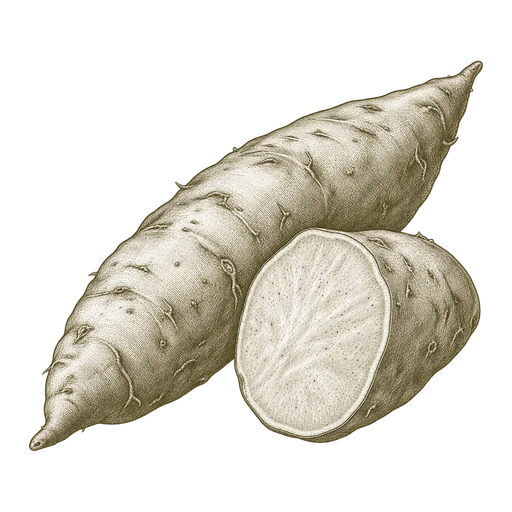
Explore ingredientSweet potato powder is a dried, ground root ingredient available through different processing routes, including milled dried root and dried puree. Compare process, color, particle size and functional properties against the needs of your food formulation or feed evaluation.
Explore ingredientMilk thistle (Silybum marianum) is sourced as whole or ground seed and as processed products such as press cake and meal. Identify the botanical species and form first, then compare lot analysis and receiving needs for the intended feed application.
Explore ingredientVenison meal is a ground deer-derived ingredient used in pet-food formulations. Compare source tissues, bone content, processing and lot-specific analysis to determine whether an offered product fits your formula and receiving requirements.
Explore ingredientCommon vetch is sourced as feed seed or as forage for grazing, hay and silage. These forms have different quality and handling considerations; identify the species, intended use and relevant lot analysis before comparing bulk offers.
Explore ingredientWheat bran is the coarse outer layer separated during flour milling, used in livestock feed and as a fiber-containing food ingredient. Compare bran identity, flakes or meal, particle size and the analysis needed for your application.
Explore ingredientWheat midd pellets are a compacted wheat-milling co-product used in livestock feed. Because milling streams and nutrient composition vary, compare the offered lot analysis and reporting basis, then match pellet handling and dry storage to your facility.
Explore ingredientWhey Protein Concentrate 34 is a spray-dried dairy powder used in food formulations for its whey protein contribution and functional effects on texture, water binding and viscosity. Compare protein basis, composition and process needs to distinguish it from higher-protein concentrates and isolate.
Explore ingredientWhey protein concentrate 70/80 is a powdered dairy protein ingredient used in food formulations. Compare the grade, analytical basis and functional data to match the powder to your recipe and processing conditions.
Explore ingredientWhite proso millet is white-seeded Panicum miliaceum used in birdseed, livestock feed and food processing. Compare whole, cracked or ground forms and specify the identity, quality analysis and receiving needs that fit the intended use.
Explore ingredientBulk ingredient sourcing covers products used across food manufacturing, livestock and pet food, and other applications—not one interchangeable ingredient family. This collection includes whole crops and grains such as barley, rice, and chickpeas; processed forms such as chickpea flour and soy protein isolate; and products including oils, dairy ingredients, fruit products, and animal-derived meals. Names indicate broad categories, not a specific lot’s composition, grade, or approved use.
A useful first comparison is physical form and processing: whole grains differ from ground grain or flour, while oil-bearing crops differ from extracted oils and meals. Dairy powders and concentrates also have distinct forms and functions. These categories are not automatically substitutes; compare the product specification with the role it needs to perform in your formulation.
Confirm whether the ingredient is intended for human food, livestock feed, pet food, or another market. Requirements and suitable documentation depend on the intended use. Do not infer identity or application from an unclear product name.
Request a current specification that identifies the exact product and form, intended market, relevant quality measures, test methods, and the lot represented by any analysis. The right measures depend on the ingredient: grain, protein, dairy, and oil products call for different checks. For grain, ask how the sample represents the lot.
Compare packaging or bulk delivery, transport suitability, receiving capacity, and storage needs alongside product terms. Handling controls are product-specific; account for protection from contamination and any applicable time or temperature requirements. Confirm lot-specific commercial terms and delivery details in the quotation.
No. Confirm the exact product, processing or form, composition, grade, and intended use in its current specification and supporting documentation.
Not by category name alone. Their forms and functions differ, so compare specifications against the ingredient’s intended role in your application.
Check which measures and test methods it reports, when the sample was taken, and whether the results represent the lot being offered.
Confirm packaging or bulk format, transport suitability, receiving capability, and product-specific protection or storage requirements.
Focused guides to the specification, application, and delivery questions behind this ingredient.
Plan bulk non-fat dry milk receiving around package compatibility, unloading capacity and protected storage. Keep powder cool and dry, control contamination, and evaluate lot age and storage instructions for the actual lot.
Read this InsightA practical guide to distinguishing heat class from instant status when evaluating non-fat dry milk for breadmaking, with emphasis on product specifications and bakery trials.
Read this InsightA practical guide to comparing non-fat dry milk specifications across product type, functional properties, composition and microbiological criteria—without mistaking one grade’s limits for universal requirements.
Read this InsightPlan bulk navy bean receiving around order details, packaging and unloading compatibility, incoming-lot inspection, and the storage controls available at your facility.
Read this InsightA practical guide to defining whole dry navy bean identity, incoming condition and process-specific targets for canned products.
Read this InsightCompare navy bean lots by market-class identity and defined inspection criteria—not color or grade alone. Moisture, splits, damage, contrasting classes, foreign material and dockage each need clear methods and contract tolerances.
Read this Insight