Grains
Alfalfa
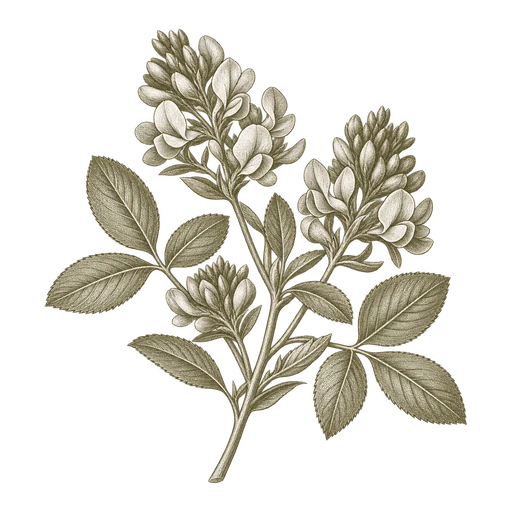
Alfalfa is a forage legume sourced as hay, silage, meal or pellets for livestock feed. Match the form to receiving and ration needs, then compare a lot-specific analysis on a consistent basis.
Explore ingredientA focused livestock ingredient collection featuring alfalfa forage, with buyer guidance on product form, feed analysis, and storage.
Alfalfa is a forage legume sourced as hay, silage, meal or pellets for livestock feed. Match the form to receiving and ration needs, then compare a lot-specific analysis on a consistent basis.
Explore ingredientThis collection currently includes alfalfa, a legume forage used in livestock feeding. It is a focused starting point rather than a broad catalog of ingredients for every species or ration. The crop name alone does not establish whether a particular lot suits an animal class or feeding program.
Alfalfa may be supplied as dry hay or as ensiled forage such as silage or haylage. These forms have different moisture, storage, and handling requirements, so specify the form when comparing offers. Confirm whether the material is pure alfalfa or a mixture, along with its package or bale type.
For hay, request a current lot analysis and compare results on the same reporting basis. Common measures include crude protein, ADF, NDF, RFV, and TDN. Maturity and harvesting or weather conditions affect forage quality; leaf loss during handling also matters because leaves are more digestible and protein-rich than stems.
For dry hay, ask about moisture and storage history, and check the delivered forage for signs of spoilage. Keep bales protected from precipitation and ground moisture after delivery. For silage or haylage, request relevant moisture and fermentation information and ensure the receiving and storage setup is appropriate for ensiled forage.
USDA hay quality designations use several laboratory measures and apply to alfalfa hay with no more than 10% grass. Treat a grade as a classification aid, not a guarantee of ration performance; confirm suitability for the intended animals with a qualified nutrition professional.
The supplied collection member is alfalfa, a forage ingredient. The collection does not establish that other livestock ingredients are available.
Confirm whether the offer is dry hay or ensiled forage such as silage or haylage; their moisture, storage, and handling needs differ.
Request a current lot analysis and compare crude protein, ADF, NDF, RFV, and TDN on the same reporting basis. Consider the intended ration and animal class.
No. A grade classifies hay using specified measures; it does not guarantee performance in a particular ration. Confirm ration fit with a qualified nutrition professional.
Focused guides to the specification, application, and delivery questions behind this ingredient.
Plan bulk alfalfa receiving by form: protect dry hay from moisture, prepare suitable handling and storage for moist silage, and match meal or pellets to your unloading system.
Read this InsightA practical guide to interpreting alfalfa hay and silage analyses in a complete ruminant ration, with attention to form, protein, fiber, energy measures and reporting basis.
Read this InsightCompare alfalfa hay analyses on the same moisture basis, units and methods, and check that each sample represents the lot being purchased. Understand what CP, ADF, NDF, RFV and TDN each describe before using results to define a specification.
Read this Insight
Compare alfalfa hay, meal and pellets by form-specific physical criteria, analytical basis, test methods and lot records—without relying on assumed limits.
Read this Insight