Independent sourcing. Better connections.Commercial buyers · Bulk ingredients
topic

Livestock feed formulation

Livestock feed formulation starts with the animal and its complete diet, then evaluates ingredients by identity, form and analyzed nutrient content. This collection spans forage, grain, fruit-based ingredients, peas and kelp; names alone do not establish a lot’s composition or suitability.

11 ingredients6 published Insights
EXPLORE THE COLLECTION

Livestock feed formulation ingredients

Feed Ingredients

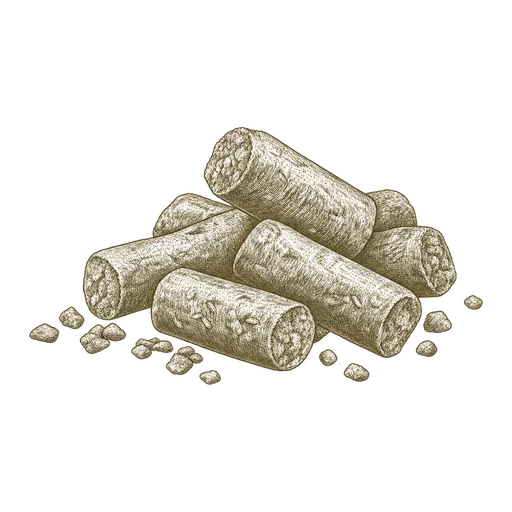
Alfalfa Pellets

Alfalfa pellets are ground, compressed forage used in livestock feeding and compound feeds. Compare the drying process, alfalfa material, forage analysis and pellet characteristics to choose a form that fits your ration and receiving setup.

Explore ingredient
Dried Fruits

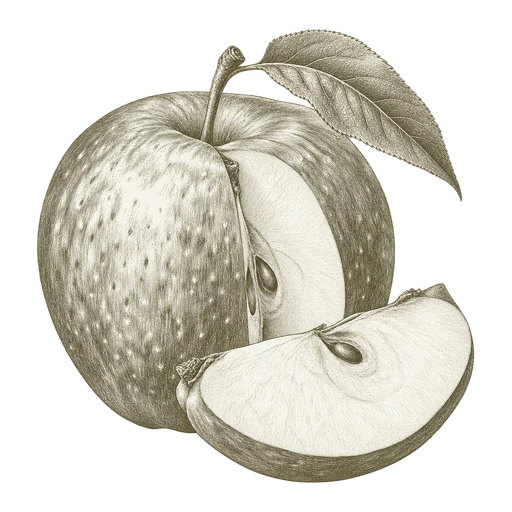
Apples

Bulk apples can mean whole fruit, culled apples, dried forms or apple pomace—the residue from pressing apples. Specify the form and intended use first, then compare grade or lot analysis, preservation, receiving needs and storage requirements.

Explore ingredient
Feed Ingredients

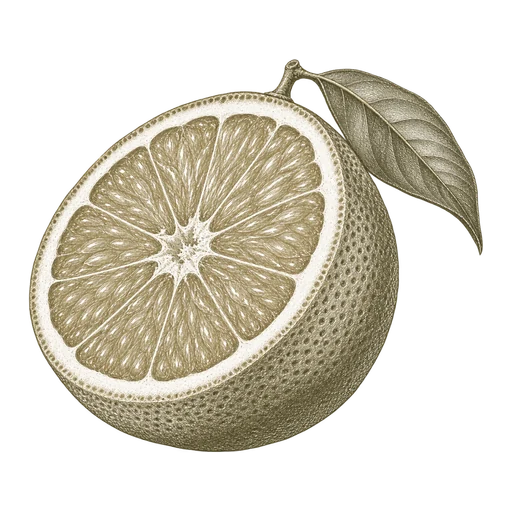
Citrus Pulp

Citrus pulp is a citrus-juice-processing residue used in livestock feed as an energy and fiber ingredient. Compare whole, pressed, dried or pelleted forms by moisture, handling needs and current lot analysis before arranging a bulk order.

Explore ingredient
Feed Ingredients

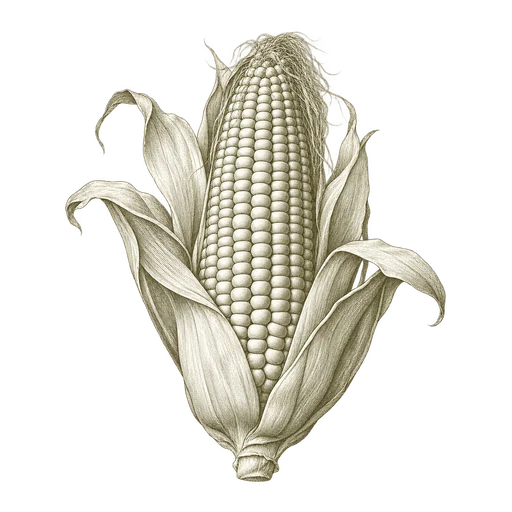
Corn

Corn grain is a major feed ingredient and a raw material for food and industrial processing. Specify whole, cracked or ground form, intended use, lot-quality needs and receiving details to compare bulk offers appropriately.

Explore ingredient
Dried Vegetables

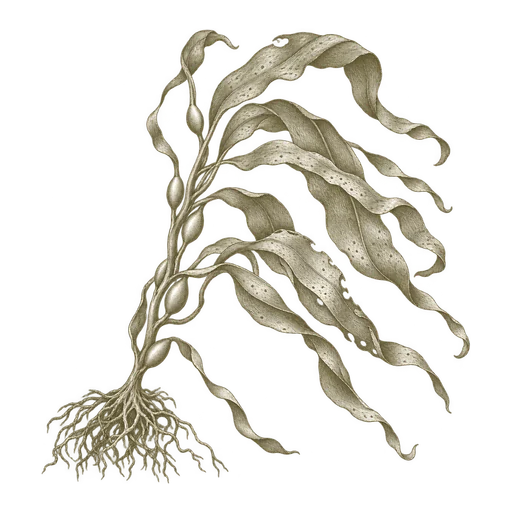
Kelp

Kelp is a group of brown algae supplied in forms such as meal, granules, flakes and powder. For bulk feed or food ingredient sourcing, compare species, physical form and lot analysis—especially iodine for feed—then match packaging and storage to your operation.

Explore ingredient
Pulses

Maple Peas

Maple peas are a specialty type of field pea sourced for markets including racing-pigeon food. Variety and lot can differ in seed-coat and cotyledon color, size and analysis, so buyers should specify the required form and compare lot-level details for the intended use.

Explore ingredient
Sunflower Seeds

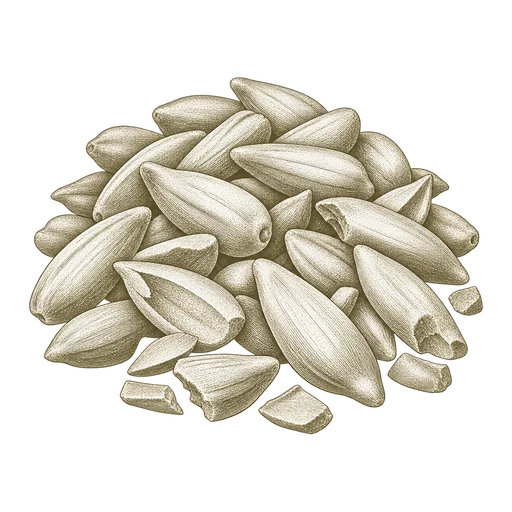
Premium Blend Chips

Premium Blend Chips is a product name, not a standardized ingredient identity. Establish its constituents, intended use, physical form, and lot analysis before evaluating feed applications or arranging a bulk shipment.

Explore ingredient
Starches/Fibers/Proteins

Tapioca Pellets

Tapioca pellets are a dried cassava-root feed ingredient used primarily as a carbohydrate and energy source in livestock rations. Their low protein content, variable composition and pellet-handling characteristics make ingredient identity, lot analysis and receiving equipment important parts of a bulk purchase.

Explore ingredient
Starches/Fibers/Proteins

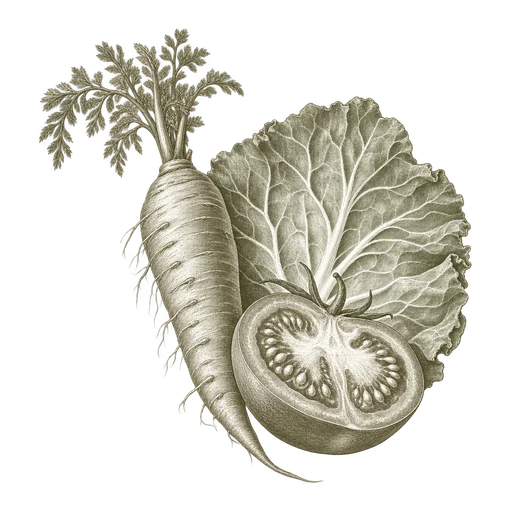
Vegetable Pomace

Vegetable pomace is a variable residue from vegetable processing, not a single standardized ingredient. Identify the source and processing, then compare wet or dried form, moisture and relevant analysis to determine whether a specific lot fits a feed or food application.

Explore ingredient
Feed Ingredients

Wheat Midd Pellets

Wheat midd pellets are a compacted wheat-milling co-product used in livestock feed. Because milling streams and nutrient composition vary, compare the offered lot analysis and reporting basis, then match pellet handling and dry storage to your facility.

Explore ingredient

Compare ingredients by role and form

This collection brings together ingredients that can serve different roles in livestock diets. Alfalfa pellets are a processed forage; corn and cracked corn are grain options used as energy feeds. Cracking changes corn’s physical form, but the ingredient name alone does not define its nutrient profile or suitability for a particular ration.

Citrus pulp and apples require closer attention to product form. Citrus pulp can be wet or dried, while “apples” does not establish whether the product is whole fruit, culls or pomace. Their moisture and nutrient values cannot be compared fairly without identifying the specific product. Maple peas also need identity confirmation before applying information about field peas.

Formulate from the whole diet

Ingredient names are not a ration. Species, age, production stage, current diet and feed analysis all affect how a material fits. In ruminant diets, grain processing and starch availability are relevant alongside roughage; any change to the ration should be evaluated in that context. Kelp is different from the energy and forage ingredients: its use as a mineral-oriented ingredient makes its specific identity and mineral analysis especially important.

Treat typical published composition values as references, not as guaranteed values for an offered lot. Compare analysis on a dry-matter basis as well as as-fed when moisture differs, and use the measures relevant to the animal and formulation.

Evaluate the delivered lot

Before comparing offers, establish the exact ingredient, form and moisture basis. Request current analysis suited to the product: moisture or dry matter, protein, fiber and energy where relevant, and mineral values for kelp. For wet citrus pulp, confirm preservation and handling details because its water content and use window differ from dried pulp. Compare delivered cost against usable dry matter or a relevant nutrient, not only price per as-fed ton.

Common questions.

Can these ingredients be used in any livestock ration?+

No. Suitability depends on the species, production stage, full diet and the ingredient’s exact form and analysis. The collection is not a complete ration.

Why compare ingredients on a dry-matter basis?+

Moisture changes the amount of nutrient delivered per as-fed ton. Dry-matter comparison helps distinguish nutrient value from water weight, especially across wet and dried products.

What should I clarify about apples and citrus pulp?+

Confirm whether apples are whole fruit, culls, pomace or another form, and whether citrus pulp is wet or dried. These forms differ in moisture and cannot be treated as interchangeable.

What information is important when evaluating kelp?+

Confirm the product’s exact identity and request its mineral analysis, including iodine information where available. The name “kelp” alone does not establish its mineral profile.

Livestock feed formulation · BUYER INSIGHTS

Go deeper before you source.

Focused guides to the specification, application, and delivery questions behind this ingredient.

FIELD GUIDE01Livestock feed formulation
Buyer’s guide

Cracked corn receiving and storage: plan for particle flow

Plan bulk cracked corn receiving around the particle profile your equipment can handle, then protect the ingredient with clean, dry, pest-conscious storage.

Read this Insight
FIELD GUIDE02Livestock feed formulation
Buyer’s guide

Receiving and storing wheat midd pellets in bulk

Plan bulk wheat midd pellets receiving around facility capacity, unloading equipment, packaging needs, and dry storage. Protect pellets from moisture, which can swell, soften, and break them down.

Read this Insight
FIELD GUIDE03Livestock feed formulation
Buyer’s guide

Where wheat midd pellets fit in livestock feed formulation

Wheat midd pellets can contribute energy, protein and fiber to livestock feeds, but their role depends on the species, animal class, complete ration and offered lot analysis. Understand the fiber and energy tradeoff before treating them as a substitute for grain or roughage.

Read this Insight
FIELD GUIDE04Livestock feed formulation
Buyer’s guide

How to compare wheat midd pellets analysis and reporting basis

A practical guide to comparing wheat midd pellets analyses: align reporting basis and measures, then check how lot identity, mill-stream blend and sampling date affect what the report represents.

Read this Insight
FIELD GUIDE05Livestock feed formulation
Buyer’s guide

Planning receiving and storage for wet vegetable pomace

A practical guide to planning wet vegetable pomace receiving and storage around lot history, moisture, stabilization, packaging and facility constraints.

Read this Insight
FIELD GUIDE06Livestock feed formulation
Buyer’s guide

Evaluating vegetable pomace for a livestock feed formulation

Evaluate vegetable pomace for livestock feed by identifying its vegetable source and process, interpreting moisture and nutrient analysis on a clear basis, and having a nutrition professional assess it for the target animals and complete ration.

Read this Insight