Independent sourcing. Better connections.Commercial buyers · Bulk ingredients
topic

Bulk feed procurement

Bulk feed procurement brings together forage and fiber ingredients, grains, pulses, fermentation co-products and marine meals. These products serve different ration roles and are not interchangeable. Compare exact identity, form and lot analysis on a consistent basis, then assess suitability and storage against the intended animal and complete ration.

10 ingredients6 published Insights
EXPLORE THE COLLECTION

Bulk feed procurement ingredients

Feed Ingredients

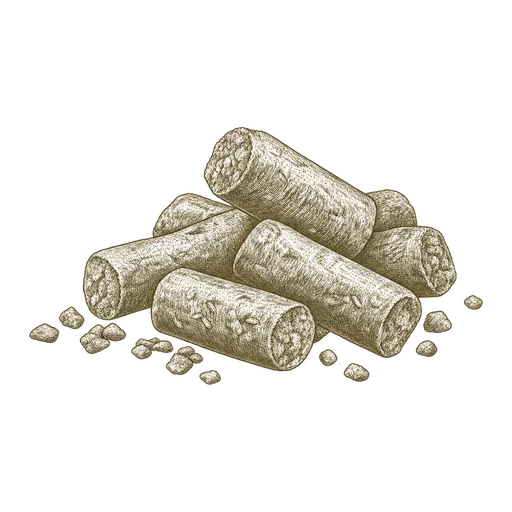
Alfalfa Pellets

Alfalfa pellets are ground, compressed forage used in livestock feeding and compound feeds. Compare the drying process, alfalfa material, forage analysis and pellet characteristics to choose a form that fits your ration and receiving setup.

Explore ingredient
Pulses

Austrian Winter Peas

Austrian winter peas are a field pea type supplied for uses including cover cropping, forage and livestock feed. Specify whether you need planting seed, dry grain, hay or silage, since each form serves a different purpose and has different quality considerations.

Explore ingredient
Starches/Fibers/Proteins

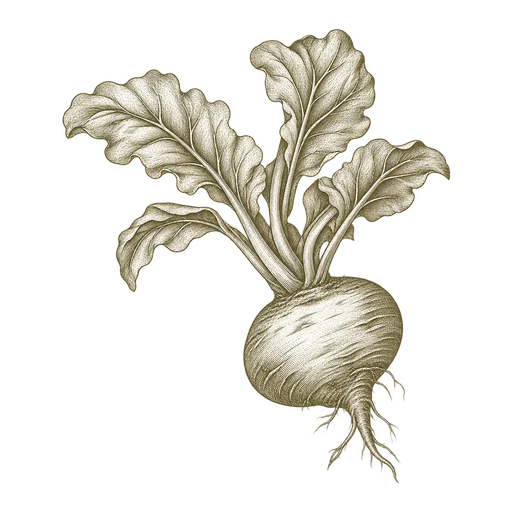
Beet Pulp Pellets

Beet pulp pellets are a dried, compacted sugar beet co-product used as a fibrous, energy-bearing ingredient in livestock feed. Compare molasses status, lot analysis and pellet handling needs to match the product to your ration and receiving setup.

Explore ingredient
Starches/Fibers/Proteins

Beet Pulp Shreds

Beet pulp shreds are dried, shredded sugar-beet pulp used as a digestible-fiber ingredient in livestock and horse diets. Compare the offered form, additions and lot analysis, then match the shipment and dry-storage plan to your receiving setup.

Explore ingredient
Animal Products

Catfish Meal

Catfish meal is a rendered feed ingredient made from catfish-processing byproducts. Because raw materials and processing can differ, compare the declared identity, lot analysis and test basis before evaluating its role in a feed formulation.

Explore ingredient
Feed Ingredients

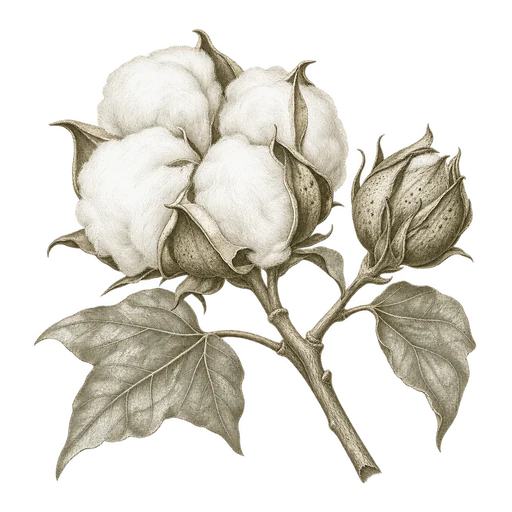
Cottonseed Hulls

Cottonseed hulls are a fibrous cattle-feed ingredient supplied loose or pelleted. Compare form, lot analysis, and receiving capacity to determine how the hulls fit a cattle ration and bulk handling plan.

Explore ingredient
Feed Ingredients

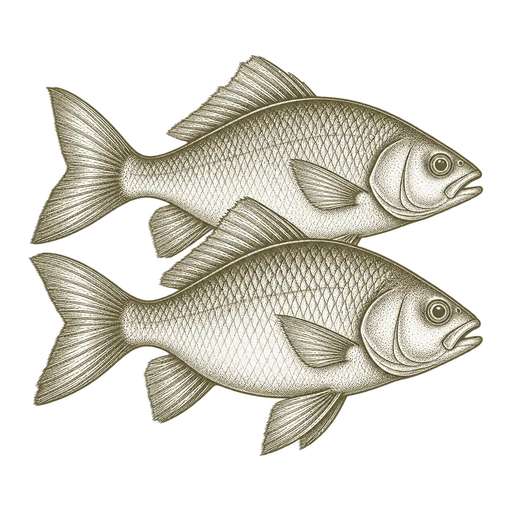
Fish Meal

Fish meal is a dried, ground feed ingredient made from whole fish, fish parts or processing residues. Used in livestock and aquaculture feeds, it varies with raw material and processing, so compare lot analysis, product identity and handling details before arranging a bulk shipment.

Explore ingredient
Animal Products

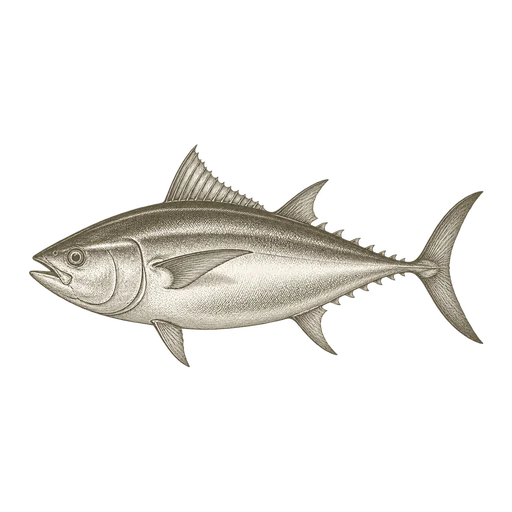
Tuna Meal

Tuna meal is a dried, ground fish ingredient used in feed formulations, including aquaculture diets. Its raw materials, processing, composition and physical form can differ, so compare lot analysis and handling requirements before arranging a bulk order.

Explore ingredient

A varied set of feed ingredients

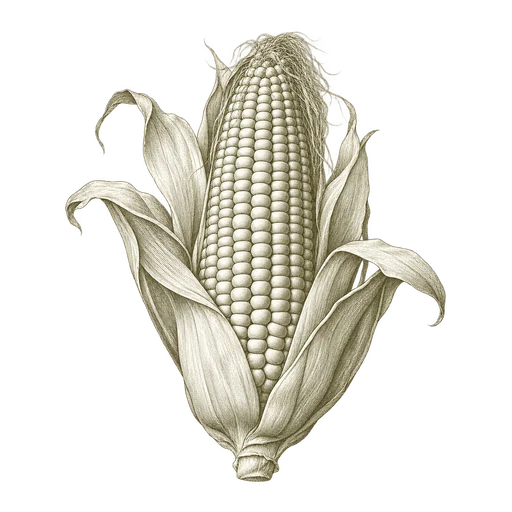
Bulk feed procurement covers ingredients with different jobs in a ration—not one interchangeable class. Alfalfa Pellets, Beet Pulp Pellets, Beet Pulp Shreds and Cottonseed Hulls are forage or fiber-oriented options, while Cracked Corn supplies grain-based starch and energy. Austrian Winter Peas are a pulse ingredient; Dried Distillers Grain is a cereal-fermentation co-product with a different nutrient profile from corn.

Catfish Meal, Fish Meal and Tuna Meal are marine-animal meals. Their names do not establish identical raw materials, processing or nutrient values. Across all these ingredients, suitability depends on the animal, life stage, full ration and product analysis.

Compare the product, not just the price

Ask for the precise product identity, physical form and a representative lot analysis. Compare nutrient values on the same basis—such as as-fed or dry matter—and evaluate delivered cost against the ration need. Depending on the ingredient, relevant measures can include moisture, protein, fiber fractions, fat, starch and minerals. For Dried Distillers Grain, sulfur and phosphorus can also be important comparison points.

Pellets and shreds describe form, not a guaranteed nutrient profile. Confirm any processing details or quality limits that matter to your formulation. Agree on sampling and how a result outside the agreed specification will be addressed before purchase.

Plan for ration fit and storage

Choose an ingredient to fill a defined nutritional role, then have its inclusion assessed within the complete ration. No single inclusion rate applies across species, diets or lots. Storage planning also depends on moisture and form: wet feed co-products have different spoilage considerations from dry ingredients, and should not be handled as though all bulk feed stores alike.

Common questions.

Are the ingredients in this collection interchangeable?+

No. Forage and fiber ingredients, grains, pulses, fermentation co-products and marine meals have different nutrient contributions. Select against the animal’s requirements and the complete ration.

How should I compare nutrient analyses?+

Use the same basis for each offer, especially as-fed versus dry matter, and compare representative lot results for the nutrients relevant to the ration.

Are Catfish Meal, Fish Meal and Tuna Meal equivalent?+

Do not assume so. Confirm the species or raw-material identity, processing details and lot analysis for the specific product.

Can all bulk feed ingredients use the same storage plan?+

No. Moisture and physical form affect handling and spoilage risk. Confirm storage requirements for the specific ingredient, particularly for wet co-products.

Bulk feed procurement · BUYER INSIGHTS

Go deeper before you source.

Focused guides to the specification, application, and delivery questions behind this ingredient.

FIELD GUIDE01Bulk feed procurement
Buyer’s guide

Dried distillers grains storage and receiving: preventing flow problems

Plan dried distillers grains receiving around the product’s moisture and particle characteristics, bin design, unloading equipment and expected storage time to reduce caking and bridging disruptions.

Read this Insight
FIELD GUIDE02Bulk feed procurement
Buyer’s guide

Dried distillers grains in beef rations: balancing sulfur and phosphorus

Dried distillers grains can add protein and energy to beef rations, but their sulfur and phosphorus contributions affect whole-ration decisions. Learn what analyses to consider and why calcium balance matters before sourcing a product.

Read this Insight
FIELD GUIDE03Bulk feed procurement
Buyer’s guide

How to compare dried distillers grains lot analyses

A practical guide to comparing dried distillers grains analyses on a consistent basis, with attention to product identity, moisture, nutrients, minerals and relevant testing.

Read this Insight
FIELD GUIDE04Bulk feed procurement
Buyer’s guide

Cottonseed Hulls: Bulk Storage and Receiving Planning

Loose and pelleted cottonseed hulls differ in bulkiness and receiving needs. Compare the form with your storage capacity and unloading setup, and include lot moisture information in storage planning.

Read this Insight
FIELD GUIDE05Bulk feed procurement
Buyer’s guide

Cottonseed Hulls in Beef and Dairy Rations

Cottonseed hulls can contribute roughage in some high-concentrate beef diets or replace part of the forage-fiber contribution in dairy rations. Their low protein and effect on whole-ration energy balance make the intended use and cattle class central to the decision.

Read this Insight
FIELD GUIDE06Bulk feed procurement
Buyer’s guide

Cottonseed Hulls Analysis: Which Measures Matter?

A practical guide to comparing cottonseed hull analyses, from moisture basis and fiber measures to energy estimates, minerals and residual seed content.

Read this Insight