Independent sourcing. Better connections.Commercial buyers · Bulk ingredients
tag

Pelleted feed

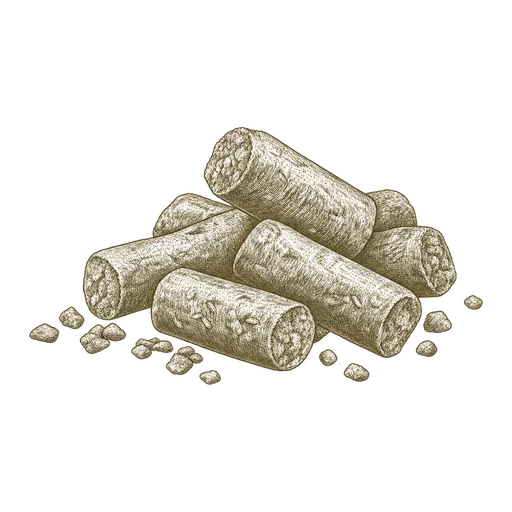
A buyer’s overview of alfalfa, beet pulp, corn gluten feed and wheat midd pellets, focusing on ingredient differences, lot analysis and bulk handling.

5 ingredients6 published Insights
EXPLORE THE COLLECTION

Pelleted feed ingredients

Feed Ingredients

Alfalfa Pellets

Alfalfa pellets are ground, compressed forage used in livestock feeding and compound feeds. Compare the drying process, alfalfa material, forage analysis and pellet characteristics to choose a form that fits your ration and receiving setup.

Explore ingredient
Feed Ingredients

Beet Molasses

Beet molasses is a viscous, sugar-rich by-product used in animal feed for energy, palatability, binding and dust control. Compare the product stream and analysis, then match liquid handling and receiving plans to your facility.

Explore ingredient
Starches/Fibers/Proteins

Beet Pulp Pellets

Beet pulp pellets are a dried, compacted sugar beet co-product used as a fibrous, energy-bearing ingredient in livestock feed. Compare molasses status, lot analysis and pellet handling needs to match the product to your ration and receiving setup.

Explore ingredient
Feed Ingredients

Corn Gluten Feed Pellets

Corn gluten feed pellets are a dried, pelleted coproduct of corn wet milling used in livestock feed, especially cattle rations. Compare the lot analysis and analytical basis, then consider pellet flow, receiving equipment and moisture management when planning a bulk order.

Explore ingredient
Feed Ingredients

Wheat Midd Pellets

Wheat midd pellets are a compacted wheat-milling co-product used in livestock feed. Because milling streams and nutrient composition vary, compare the offered lot analysis and reporting basis, then match pellet handling and dry storage to your facility.

Explore ingredient

What this collection includes

Pelleted feed describes physical form, not a single ingredient or a complete ration. This collection brings together alfalfa pellets, beet pulp pellets, corn gluten feed pellets and wheat midd pellets. Their source materials and potential roles differ, so the word “pelleted” alone does not establish nutrient composition, species suitability or feeding rate.

Pelleting can make an ingredient easier to handle or deliver through some feeding systems, but it does not make unlike ingredients nutritionally interchangeable. These products are best compared by identity and lot-specific analysis, then assessed for the intended animal and ration.

How the ingredients differ

Alfalfa pellets are a processed forage option; their handling and consumption can differ from long-stem hay. Beet pulp is a fiber-oriented ingredient, but buyers should not assume that pellet form guarantees a particular nutrient profile. Corn gluten feed is a corn wet-milling coproduct, while wheat midds come from flour milling and can contain varying proportions of endosperm, bran and germ.

These distinctions matter in formulation: an ingredient’s origin is a useful starting point, not a substitute for its actual analysis. Do not infer that any one of these pellets replaces forage or suits every livestock species.

Bulk purchasing and handling

Request the ingredient identity and lot-specific analysis, including the moisture or dry-matter basis used for reported nutrients. Ask for measures relevant to the planned ration, such as protein, energy and minerals; for corn gluten feed in cattle diets, sulfur and phosphorus can also matter. Commodity averages are not a guarantee for a particular lot.

Confirm pellet dimensions, fines, delivery format and storage requirements against your receiving and feeding equipment. A pellet can still be lost or damaged in handling, and moisture protection and storage limits should be established for the specific product. Verify intended species and feed labeling rather than inferring suitability from pellet form.

Common questions.

Are these four pelleted ingredients interchangeable?+

No. Alfalfa, beet pulp, corn gluten feed and wheat midds come from different source materials and have different compositions. Compare their lot analyses against the intended ration.

Does pelleted form mean an ingredient can replace forage?+

No. Pellet form alone does not establish forage replacement or provide a complete ration. Evaluate the ingredient in the context of the animal’s species-specific needs and the full ration.

What analysis should I request for a bulk lot?+

Request a lot-specific analysis with its moisture or dry-matter basis. Select nutrient measures for the intended ration; sulfur and phosphorus are also relevant considerations when formulating cattle diets with corn gluten feed.

Does livestock-feed use establish pet-food suitability?+

No. Do not infer pet-food suitability from livestock-feed use. Confirm the ingredient identity, intended use and applicable documentation separately.

Pelleted feed · BUYER INSIGHTS

Go deeper before you source.

Focused guides to the specification, application, and delivery questions behind this ingredient.

FIELD GUIDE01Pelleted feed
Buyer’s guide

Receiving and storing wheat midd pellets in bulk

Plan bulk wheat midd pellets receiving around facility capacity, unloading equipment, packaging needs, and dry storage. Protect pellets from moisture, which can swell, soften, and break them down.

Read this Insight
FIELD GUIDE02Pelleted feed
Buyer’s guide

Where wheat midd pellets fit in livestock feed formulation

Wheat midd pellets can contribute energy, protein and fiber to livestock feeds, but their role depends on the species, animal class, complete ration and offered lot analysis. Understand the fiber and energy tradeoff before treating them as a substitute for grain or roughage.

Read this Insight
FIELD GUIDE03Pelleted feed
Buyer’s guide

How to compare wheat midd pellets analysis and reporting basis

A practical guide to comparing wheat midd pellets analyses: align reporting basis and measures, then check how lot identity, mill-stream blend and sampling date affect what the report represents.

Read this Insight
FIELD GUIDE04Pelleted feed
Buyer’s guide

Planning beet molasses pumping, storage and dilution

Plan beet molasses pumping, storage and dilution around viscosity, cold-related flow challenges and the fermentation risk of diluted product.

Read this Insight
FIELD GUIDE05Pelleted feed
Buyer’s guide

Using beet molasses for pellet binding and dust reduction

Beet molasses can help feed particles adhere and reduce loose dust, but its usefulness as a pellet binder depends on liquid distribution, metering and the production line. Evaluate those process needs separately from its role as a source of feed energy.

Read this Insight
FIELD GUIDE06Pelleted feed
Buyer’s guide

How to compare beet molasses analysis and Brix

Compare beet molasses reports on a common analytical basis. Learn what moisture, dry matter, sugars, Brix and density each measure, and when protein, ash and minerals matter to a feed formulation.

Read this Insight