Independent sourcing. Better connections.Commercial buyers · Bulk ingredients
tag

Bulk sourcing

Bulk sourcing brings together ingredients commonly purchased in quantity, not a single product type or shared specification. This collection spans grains, pulses, oils, dairy and egg powders, dried produce, nuts, seeds and other materials. Use it to explore options, then compare each offer by exact product form, intended use, lot specification, transport format and storage requirements.

95 ingredients6 published Insights
EXPLORE THE COLLECTION

Bulk sourcing ingredients

Feed Ingredients

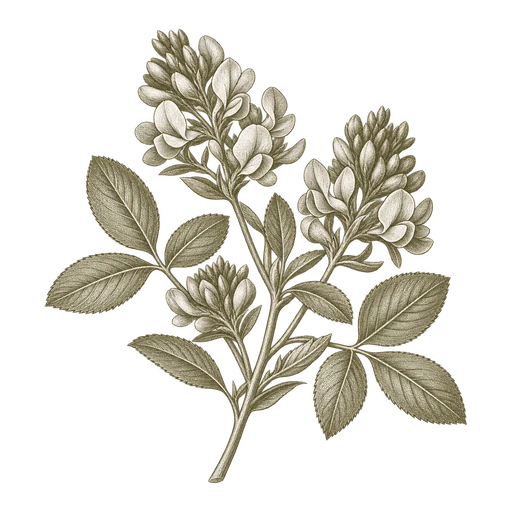
Alfalfa Meal

Alfalfa meal is ground forage used in animal feed, with sun-cured and dehydrated processing routes and meal or pellet forms. Compare the offered process, physical form and analysis against the needs of the species and feed formulation.

Explore ingredient
Dried Fruits

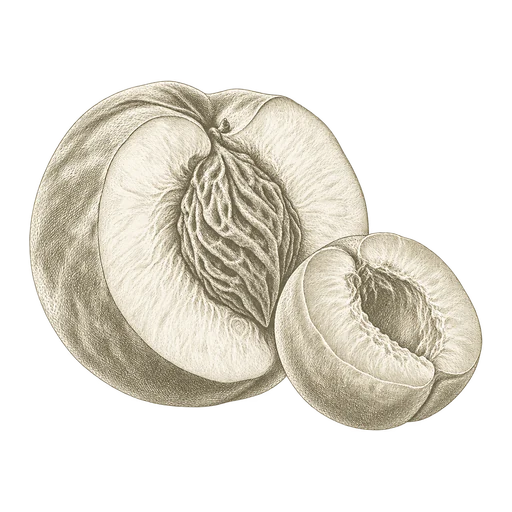
Apricots

Apricots are sourced fresh or processed into dried fruit and other food forms. Match the form, cut, treatment and quality measures to the intended use, then plan receiving and storage around the product’s handling needs.

Explore ingredient
Pulses

Austrian Winter Peas

Austrian winter peas are a field pea type supplied for uses including cover cropping, forage and livestock feed. Specify whether you need planting seed, dry grain, hay or silage, since each form serves a different purpose and has different quality considerations.

Explore ingredient
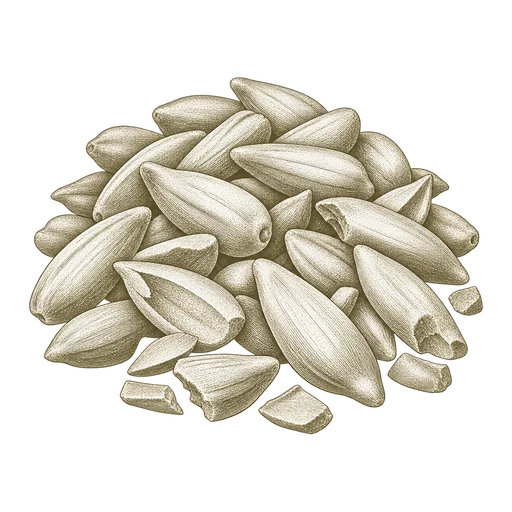
Sunflower Seeds

Bakery Kernels

Bakery kernels is a broad label for kernels, seeds or blends used in baked goods—not one standardized ingredient. Specify the species, form and quality needs, since whole, chopped, roasted, ground and blended products differ in recipe role and handling.

Explore ingredient
Feed Ingredients

Beet Molasses

Beet molasses is a viscous, sugar-rich by-product used in animal feed for energy, palatability, binding and dust control. Compare the product stream and analysis, then match liquid handling and receiving plans to your facility.

Explore ingredient
Dried Vegetables

Beet Powder

Beet powder can mean whole-root powder or a juice-derived color ingredient, and the distinction affects composition and formulation use. Compare product identity, carriers, color performance and storage needs before arranging a bulk order.

Explore ingredient
Pulses

Black Beans

Dry black beans are used in packaged foods, prepared dishes and canning. Compare whole versus broken or split composition, and assess canning performance separately when the beans will be processed.

Explore ingredient
Sunflower Seeds

Black Oils

Black-oil sunflower seed is a black-hulled oilseed used in bird feeding, oil processing and animal-feed formulations. Specify whole seed or a processed form, then compare lot quality and storage requirements against the intended use.

Explore ingredient
Peanuts

Blanched Peanuts

Blanched peanuts are shelled kernels with the red seed coat removed, used in food processing such as peanut butter and salted peanuts. Compare kernel form, heat-treatment status, skin removal, and lot-specific quality information to match the product to your process.

Explore ingredient
Dried Fruits

Blueberry Powder

Blueberry powder can come from whole fruit, juice or pomace, with carriers and drying methods affecting composition and handling. Compare the source fraction, ingredient statement and physical properties to match the powder to your food formulation.

Explore ingredient
Animal Products

Bovine Plasma

Bovine plasma is a blood-derived ingredient supplied in liquid, concentrated or spray-dried form. Buyers sourcing it for livestock diets or pet-food formulations should compare species origin, processing, analysis and intended use, then match the product form to their receiving and storage setup.

Explore ingredient
Grains

Brewers Rice

Brewers rice is a broken-rice milling fraction used in brewing, fermented products and animal feed. Compare broken, granulated or ground forms and review lot-specific physical and analytical details before sourcing in bulk.

Explore ingredient
Feed Ingredients

Brewer’s Grain

Brewer’s grain, or brewers’ spent grain, is a brewing co-product used particularly in cattle feed. Wet and dried forms differ in moisture, transport burden and storage needs; compare the offered form and lot analysis with your ration and receiving setup.

Explore ingredient
Starches/Fibers/Proteins

Brewer’s Yeast

Brewer’s yeast is a brewing-derived ingredient, but dried, liquid and further-processed yeast products are not interchangeable. Identify the intended use and exact form, then compare the lot analysis—especially crude protein for defined brewers dried yeast—before arranging a bulk order.

Explore ingredient
Grains

Brown Rice

Brown rice is hulled rice with its bran layers retained, sourced as whole kernels or flour for food uses. Specify grain class, processing state and quality requirements, then match packaging and storage plans to your facility.

Explore ingredient
Dairy Ingredients

Butter Products

Butter products include churned butter, concentrated milkfat products and formulated powders. Choose the exact form first: composition, recipe role, quality measures and temperature or storage needs differ across these ingredients.

Explore ingredient
Tree Nuts

Cashew Pieces

Cashew pieces are broken edible kernels used as a cashew ingredient when whole-kernel appearance is unnecessary. Compare piece size, processing state and quality requirements to match the product with your food formulation.

Explore ingredient
Starches/Fibers/Proteins

Cassava Flour

Cassava flour is milled, sifted cassava root used in human-food formulations. Distinguish edible flour from feed meal and other cassava products, then compare moisture, processing and the analysis required for your intended use.

Explore ingredient
Dairy Ingredients

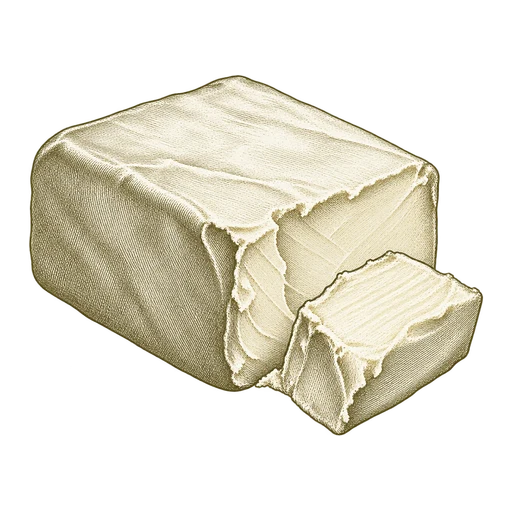
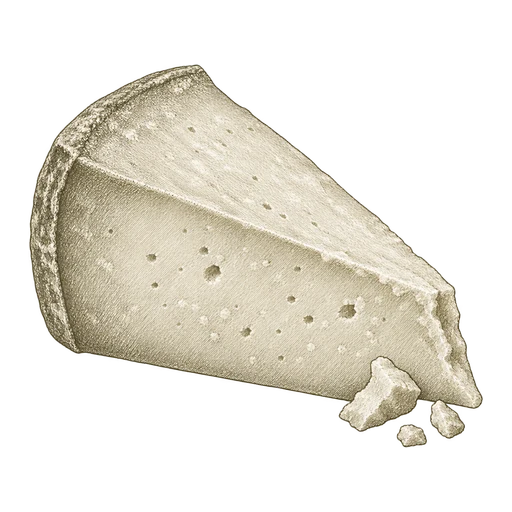
Cheese (All Types)

Cheese is a broad ingredient category ranging from natural and processed products to cheese powder and trimmings. Define the variety, composition and physical form first; cheese powder serves dry food applications, while other forms require specifications matched to their intended process.

Explore ingredient
Seeds

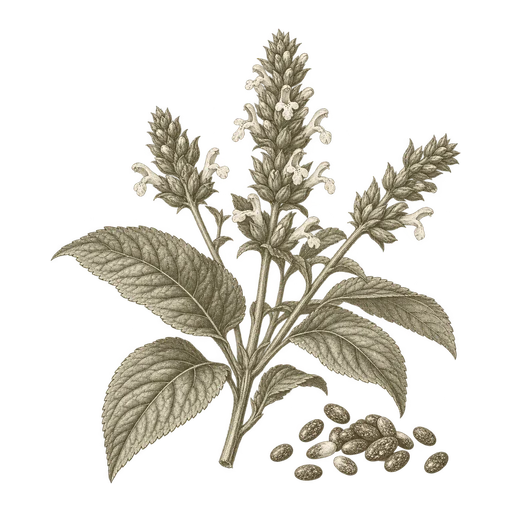
Chia

Chia is an oilseed sold as whole or milled seed, gel or mucilage, oil, and extraction coproducts. Choose the form around its role in food or feed, and compare product-specific quality measures and handling needs before arranging a bulk shipment.

Explore ingredient
Pulses

Chickpea Protein

Chickpea protein is available as less-fractionated flour and more processed concentrates or isolates for human-food formulations. Compare protein on a consistent basis and match the ingredient’s demonstrated functional properties to the needs of the finished product.

Explore ingredient
Sunflower Seeds

Coarse Chips

Coarse sunflower chips are broken, hulled sunflower kernels used most clearly in wild-bird feed. Compare the seller’s particle-size definition, fines and hull limits, kernel condition and intended-use grade when planning a bulk order.

Explore ingredient
Sunflower Seeds

Con Oils

“Con Oils” is not a precise ingredient identity. If corn oil is intended, buyers should distinguish the source stream, processing and intended use before comparing specifications or arranging a bulk order.

Explore ingredient
Starches/Fibers/Proteins

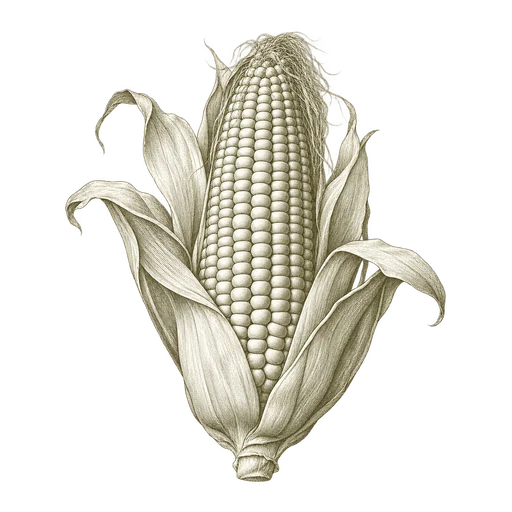
Corn Starch

Corn starch is separated from corn and sold as native or modified starch for food thickening and other application-specific uses. Compare modification status, functional properties and product documentation, then match packaging and handling to your receiving setup.

Explore ingredient
Feed Ingredients

Corn Syrup Solids

Corn syrup solids are dried corn syrup supplied as a powder and used as a carbohydrate ingredient in food formulations. Compare dextrose equivalent, moisture and physical properties to match the grade to your process.

Explore ingredient
Dried Fruits

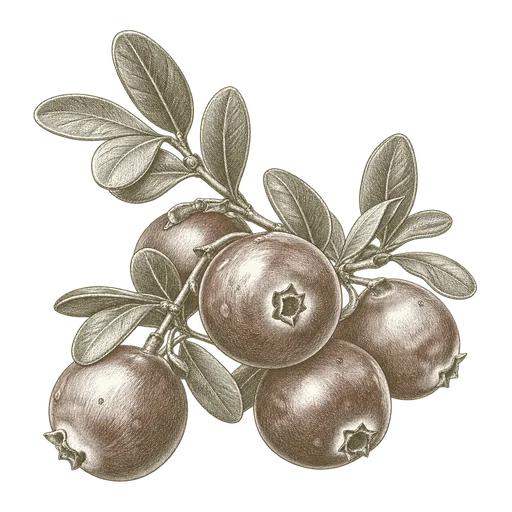
Cranberry Powder

Cranberry powder may be ground whole fruit, dried juice pomace or a pomace extract, and those forms differ in composition and use. Compare ingredient declarations, processing and relevant quality measures before choosing a bulk product for a food formulation.

Explore ingredient
Dried Vegetables

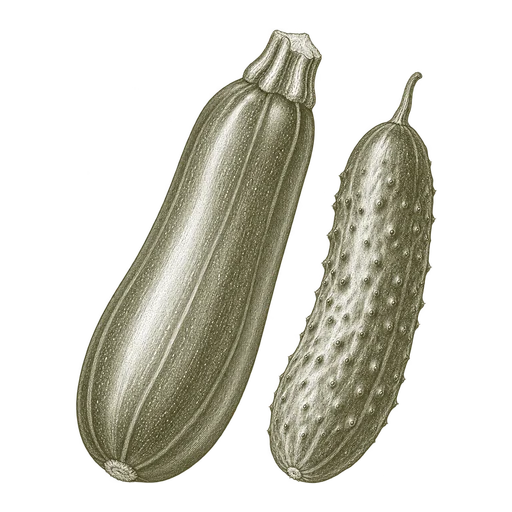
Cucumber

Cucumber is sourced as fresh produce for slicing and pickling uses. Define the intended use, size and quality expectations, and temperature-sensitive handling needs when planning a bulk order.

Explore ingredient
Feed Ingredients

Dried Molasses

Dried molasses is a livestock-feed ingredient that can differ in crop source, carrier and added ingredients. Compare the full formulation and dried-product analysis to determine how it fits a feed ration and bulk receiving plan.

Explore ingredient
Feed Ingredients

Durum

Durum is a hard, amber-grained wheat used chiefly for semolina and pasta production. Compare grain form, class or subclass, grade and milling-related analyses when defining a bulk requirement.

Explore ingredient
Pulses

Faba Beans

Faba beans are grain-legume seeds used in food and feed, supplied in forms ranging from whole or split seed to milled and more highly processed ingredients. Choose by intended use and form, then compare the relevant lot analysis and handling needs.

Explore ingredient
Dried Fruits

Figs

Dried figs are sourced whole or as pieces for bakery, confectionery and dried-fruit uses. Compare style, treatment, moisture and lot condition, then match packaging and storage to your receiving operation.

Explore ingredient
Oils/Fats

Flaxseed Oil

Flaxseed oil is a liquid oil extracted from flaxseed and valued for its ALA content. Bulk buyers should distinguish edible, feed and industrial grades, compare extraction and oxidation measures, and plan packaging and storage to limit light exposure.

Explore ingredient
Pulses

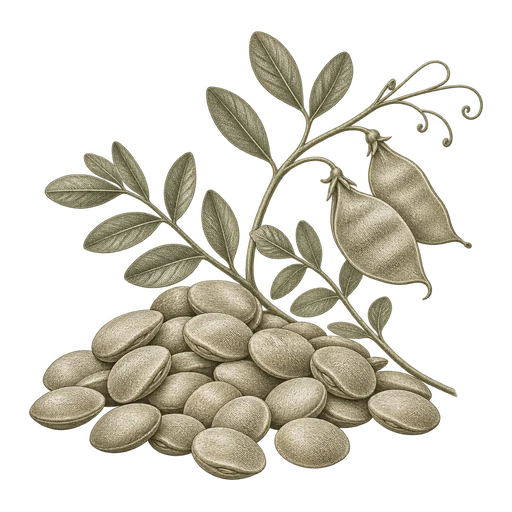
French Green Lentils

French green lentils are sold as whole or split lentil seeds for food uses where form, color and cooking characteristics matter. The name does not guarantee French origin or Puy identity, so compare lot identity, physical quality and intended-use requirements when sourcing in bulk.

Explore ingredient
Dairy Ingredients

Ghee

Ghee is a concentrated dairy fat used in cooking, frying, sweetmeats and as a topping. Compare process and sensory requirements alongside milk-fat, moisture and oxidation measures, then match the packaging and receiving details to your food operation.

Explore ingredient
Pulses

Great Northern Beans

Great Northern beans are mature edible beans sourced as a food ingredient, most commonly specified as whole and dry for hydration and cooking. Distinguish them from canned beans and cull material, and compare lot analyses on a clearly stated basis.

Explore ingredient
Pulses

Green Lentils

Green lentils are dry pulse seeds sold in forms such as whole, split, dehulled and flour. Compare the processing form, grade documentation, color, moisture and cleanliness against the needs of your food process or reviewed feed formulation.

Explore ingredient
Tree Nuts

Hazelnuts

Bulk hazelnuts are sourced in-shell or as kernels, with natural, roasted, whole and piece forms suited to different food products. Compare style, size, quality requirements and storage conditions for the intended use.

Explore ingredient
Seeds, Grains & Specialty

Hulled Millet

Hulled millet is millet grain with its outer covering removed, sold as whole grain and also used in flour or precooked forms. Species and processing status distinguish offers and help food manufacturers match the ingredient to their production method.

Explore ingredient
Millet

Japanese

“Japanese” alone is not a specific ingredient name. Identify the commodity, form and intended use before assessing specifications or bulk shipment requirements.

Explore ingredient
Dried Vegetables

Kelp

Kelp is a group of brown algae supplied in forms such as meal, granules, flakes and powder. For bulk feed or food ingredient sourcing, compare species, physical form and lot analysis—especially iodine for feed—then match packaging and storage to your operation.

Explore ingredient
Pulses

Kidney Beans

Kidney beans are dry edible beans sold in distinct color classes and forms, from whole beans to processed meal or flour. Specify the class, form and intended use so quality measures, processing history and receiving needs can be evaluated together.

Explore ingredient
Pulses

Lima Beans

Lima beans are sourced fresh and immature or as dry beans in Large, Baby and other classes. Compare class, whole or split form, defect expectations and intended food use when planning a bulk order.

Explore ingredient
Tree Nuts

Macadamia Nuts

Macadamia nuts are sourced in-shell or as kernels for snacks and food manufacturing. Compare kernel style, raw or roasted processing, moisture and oil analysis, and packaging to match the product to its intended use.

Explore ingredient
Sunflower Seeds

Medium Chips

Medium Chips commonly refers to broken, peeled sunflower kernels used in bird-feed and related ingredient markets. Because “medium” has no universal size definition, compare the sieve cut, intended grade and lot quality before arranging a bulk order.

Explore ingredient
Dairy Ingredients

Milk Protein Isolate

Milk protein isolate is a concentrated bovine milk protein ingredient used in human-food formulations, including nutrition bars and dietetic products. Compare conventional and microfiltered profiles, quality measures and processing needs before choosing a bulk product.

Explore ingredient
Seeds

Milled Flaxseed

Milled flaxseed is ground flaxseed used in feed and food formulations. Distinguish whole-seed meal from oil-extracted linseed meal, then compare analysis, particle size and handling needs for the intended use.

Explore ingredient
Grains

Millet

Millet covers several small-grained cereal crops used in food and feed. Compare species, whole or milled form, and lot quality details to match the grain to your process, formulation, and storage plan.

Explore ingredient
Grains

Milo

Milo is grain sorghum used as a starch-rich energy grain in animal feed. Compare whole and processed forms, then match quality measures and receiving details to the species, ration, and facility.

Explore ingredient
Dairy Ingredients

Non Fat Dry Milk

Non-fat dry milk is a concentrated dairy ingredient used in food manufacturing. Compare instant status, heat class and lot specifications against your process, and account for packaging and dry storage when planning a bulk order.

Explore ingredient
Grains

Oat Flour

Oat flour is milled oats used in bakery products, cereals, bars, batters and other food formulations. Processing and particle size affect how it blends and performs, so compare the offered flour’s preparation, analysis and grind with your recipe and receiving requirements.

Explore ingredient
Grains

Oatmeal

Oatmeal can mean rolled oats, another oat form, or a distinct feed milling fraction. Name the exact product and intended use, then compare the relevant quality details and receiving needs for a bulk order.

Explore ingredient
Feed Ingredients

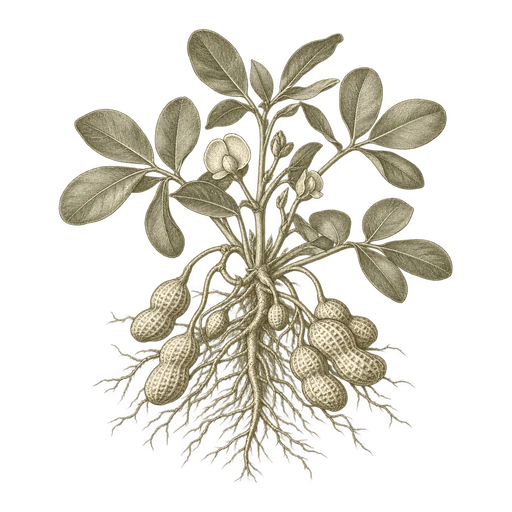
Peanuts

Peanuts are sourced as whole kernels and processed products such as peanut meal, hulls and skins. Identify the exact form and intended use first, then compare the relevant analysis and aflatoxin documentation before arranging a bulk shipment.

Explore ingredient
Tree Nuts

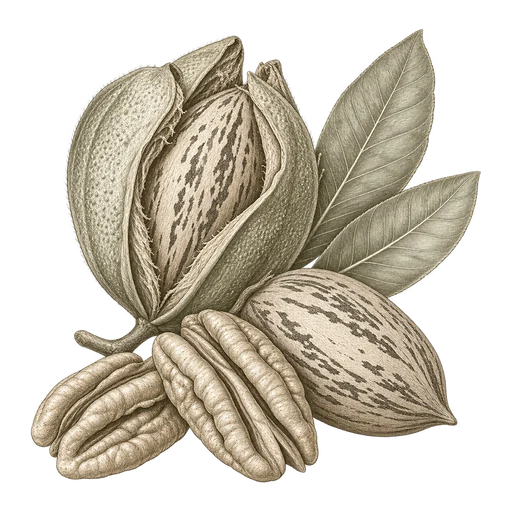
Pecans

Pecans are edible tree-nut kernels sourced as halves, pieces, meal or flour for food production. Match the form to the finished product, then compare lot-specific moisture, size, condition and storage information.

Explore ingredient
Dried Vegetables

Pepper

Black pepper is a dried Piper nigrum berry sold as whole peppercorns or ground seasoning. Choose the form, particle-size needs and quality measures that match your food process and receiving setup.

Explore ingredient
Tree Nuts

Pistachios

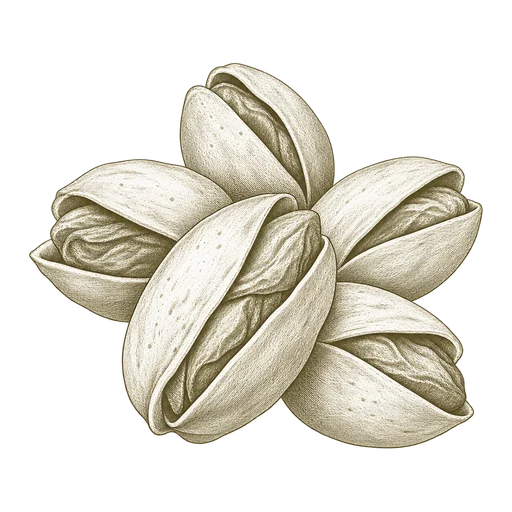
Pistachios are sourced as in-shell nuts, shelled kernels and processed forms for snacks, bakery, frozen desserts, sauces and confections. Define the product form, processing and quality requirements together, since shelling, roasting, seasoning and particle size change how the ingredient fits a food application.

Explore ingredient
Grains

Popcorn

Popcorn is a distinct maize type purchased as whole kernels for popping or as an already-popped food ingredient. For bulk food use, match the form to your process and compare kernel moisture, popping performance and integrity against your requirements.

Explore ingredient
Starches/Fibers/Proteins

Potato Flake

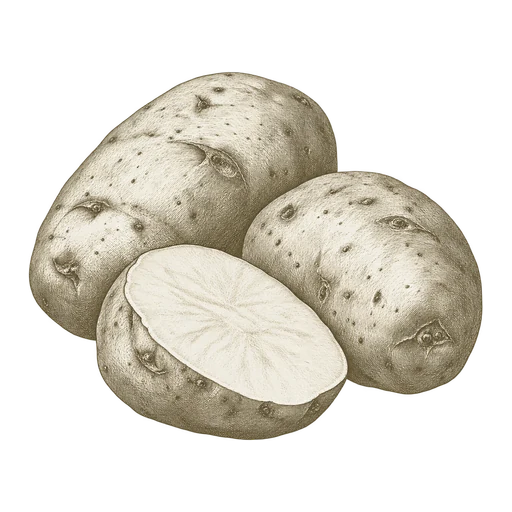
Potato flakes are cooked, mashed potatoes drum-dried into pieces for use in snacks, soups, sauces, bakery products and other potato foods. Compare flakes with other dehydrated potato forms, then assess the offered lot’s quality measures, preparation guidance and storage requirements.

Explore ingredient
Animal Products

Poultry Fat

Poultry fat is a rendered fat used as an energy ingredient in poultry feed. Compare source identity, quality analysis and handling instructions so the offered lot fits your formulation and receiving setup.

Explore ingredient
Grains

Quinoa

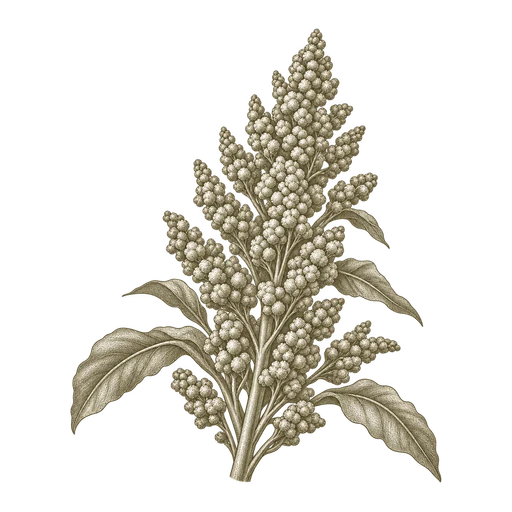
Quinoa is a grain-like pseudocereal seed sold in distinct forms such as whole grain and flour. Compare form, processing and relevant quality measures to match the product to a food or feed application and plan receiving and storage.

Explore ingredient
Seeds, Grains & Specialty

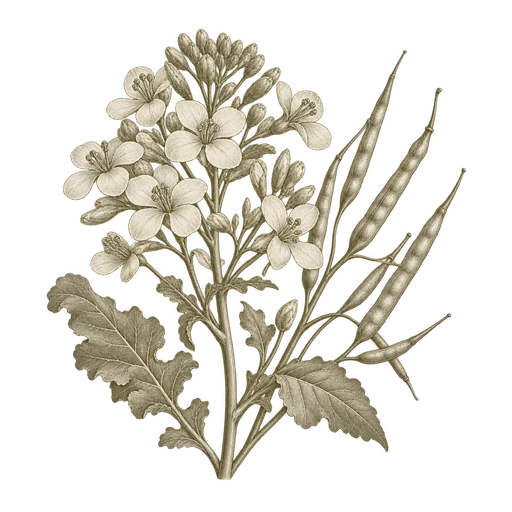
Rapeseed

Rapeseed can mean whole seed, oil or oil-extraction meal, and the crop name alone does not establish grade or end use. Compare product identity, intended application and relevant analysis before arranging a bulk purchase.

Explore ingredient
Peanuts

Raw Peanut Hearts

Raw peanut hearts is an ambiguous trade description: it can refer to the peanut embryo or be used without clearly distinguishing it from intact kernels. Define the exact form, processing condition and lot quality before comparing bulk offers or matching the product to a food process.

Explore ingredient
Peanuts

Raw Pickouts

Raw pickouts most likely means raw peanut kernels or pieces separated during processing, but the name does not define a standard grade. Compare the offered kernel form, sorting criteria and lot-specific testing—especially aflatoxin—against the intended use and receiving plan.

Explore ingredient
Pulses

Red Lentil Flour

Red lentil flour is a milled human-food ingredient whose seed form, particle size and processing history affect how it performs in formulations. Compare those characteristics with your application and specify the quality information, packaging and delivery details needed for a bulk order.

Explore ingredient
Millet

Red Siberian

Red Siberian is a named foxtail millet variety associated with planting seed and forage production. Distinguish seed from harvested forage, and compare identity, purity, germination or feed-analysis information according to the material you need.

Explore ingredient
Starches/Fibers/Proteins

Rice Protein

Rice protein is a protein-rich ingredient extracted from rice-derived material and supplied as a powder. Compare feedstock, processing, protein reporting basis and solubility against the intended food or animal-food application.

Explore ingredient
Peanuts

Roasted Peanut Hearts

Roasted peanut hearts are roasted peanut kernels, but the name does not define whether a lot is whole, split or broken. Specify kernel form, roast method, skin and seasoning status, along with relevant quality documentation and receiving needs.

Explore ingredient
Peanuts

Runner Inshells

Runner inshell peanuts are runner-type peanuts sold with their kernels enclosed in the pods. Distinguish the market type from the physical form, and compare whole-pod condition, moisture information and intended-use requirements when sourcing a bulk lot.

Explore ingredient
Seeds

Safflower

Safflower is an oilseed sold as whole seed, oil and oil-extraction meal. For feed buyers, meal's hull content and extraction method shape its protein, fiber and residual oil profile, so compare the actual product analysis and intended use.

Explore ingredient
Oils/Fats

Safflower Oil

Safflower oil is a seed-derived oil used in cooking and food manufacturing. Compare conventional and high-oleic profiles, processing method and lot analysis to match the oil to your formulation.

Explore ingredient
Seeds

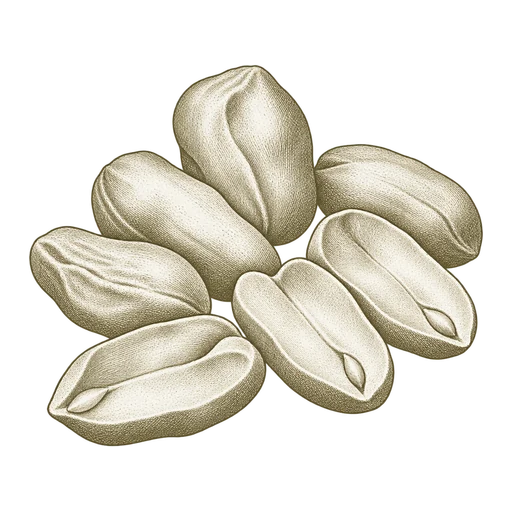
Sesame

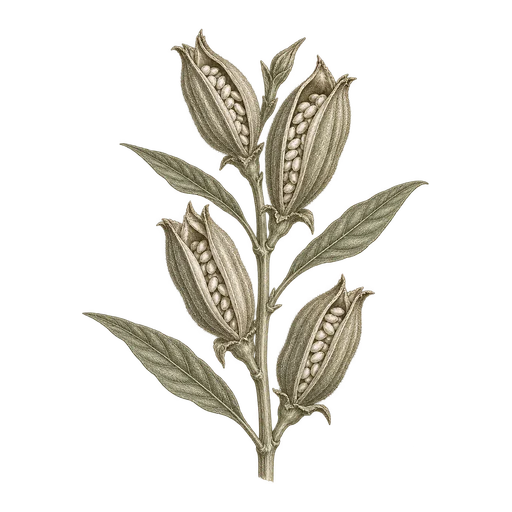
Sesame is an oilseed sourced as whole or hulled seed, oil, and oil-extraction meal. Processing changes flavor, composition and use, so identify the exact form and compare quality measures suited to that product before arranging a bulk order.

Explore ingredient
Oils/Fats

Sesame Oil

Sesame oil is a seed-derived edible oil offered in different process and flavor profiles. Compare cold-pressed, pressed, extracted or refined oil—and specify whether roasted-seed flavor is wanted—against your food use and quality requirements.

Explore ingredient
Feed Ingredients

Soy Hulls

Soybean hulls are a digestible fiber energy feed used mainly in cattle rations. Source them loose or pelleted according to receiving needs, and compare current lot analysis and reporting basis before purchase.

Explore ingredient
Pulses

Split Green Peas

Split green peas are dried mature field peas that have been dehulled and split for cooking and food manufacturing. Compare seed condition, moisture, fines, and analysis basis, then match the order and receiving plan to the intended use.

Explore ingredient
Animal Products

Spray Dried Egg Powder

Spray-dried egg powder may be whole egg, egg white, yolk or a blend. Identify the exact composition, intended use and handling needs before comparing bulk offers, since these choices affect formulation, quality requirements and receiving plans.

Explore ingredient
Feed Ingredients

Sucrose

Sucrose is a cane- or beet-derived sweetener sold in crystalline and liquid product forms. Match the form to your process, then compare the relevant composition and quality measures before arranging a bulk shipment.

Explore ingredient
Feed Ingredients

Sugar

Sugar is a broad product family that includes crystalline sucrose, powdered sugar, liquid sugar, syrups and molasses. Identify the exact product, form and intended use, then compare the quality measures and handling information relevant to that category.

Explore ingredient
Feed Ingredients

Sunflower Meal

Sunflower meal is a sunflower-seed oil-extraction residue used as a protein ingredient in animal feed. Compare dehulling, extraction method, physical form and lot analysis to determine how a bulk offer fits your feed formulation and receiving setup.

Explore ingredient
Seeds

Sunflower Seeds

Sunflower seeds are sourced as oil-type or confectionery seed, in-shell seed or kernels, with meal available as a distinct oil-processing co-product. Match the form and quality measures to the intended food, oil, feed, or birdseed use.

Explore ingredient
Dried Vegetables

Sweet Potato Powder

Sweet potato powder is a dried, ground root ingredient available through different processing routes, including milled dried root and dried puree. Compare process, color, particle size and functional properties against the needs of your food formulation or feed evaluation.

Explore ingredient
Starches/Fibers/Proteins

Tapioca Starch

Tapioca starch is cassava-root starch used for thickening, binding and stabilization in food products and in selected feed formulations. Native, modified, pregelatinized and hydrolyzed forms can behave differently, so match the form and functional data to the process before arranging a bulk shipment.

Explore ingredient
Seeds, Grains & Specialty

Thistle Seed

Milk thistle (Silybum marianum) is sourced as whole or ground seed and as processed products such as press cake and meal. Identify the botanical species and form first, then compare lot analysis and receiving needs for the intended feed application.

Explore ingredient
Starches/Fibers/Proteins

Tomato Pomace

Tomato pomace is a variable tomato-processing residue used in livestock feed and, in dried form, some pet-food formulations. Compare wet, dried or ensiled material by its composition, moisture and intended use before arranging a bulk shipment.

Explore ingredient
Starches/Fibers/Proteins

Vegetable Pomace

Vegetable pomace is a variable residue from vegetable processing, not a single standardized ingredient. Identify the source and processing, then compare wet or dried form, moisture and relevant analysis to determine whether a specific lot fits a feed or food application.

Explore ingredient
Starches/Fibers/Proteins

Wheat Starch

Wheat starch is an isolated wheat carbohydrate used for thickening and body in food and for narrower specialty-feed functions such as binding. Choose native, pregelatinized or modified starch according to the process and performance required.

Explore ingredient
Dairy Ingredients

Whey Powder

Whey powder is a dried dairy ingredient used in food manufacturing and animal feed. Sweet and acid whey, and ordinary powder versus further-processed whey products, differ in composition and function—so match the product identity and lot analysis to the application.

Explore ingredient
Feed Ingredients

Whey Protein Concentrate

Whey protein concentrate is a membrane-concentrated dairy powder used in a range of food formulations. Compare WPC grades by protein basis and the accompanying lactose, fat, ash and moisture analysis, then match functional requirements to the intended recipe and process.

Explore ingredient
Dairy Ingredients

Whey Protein Isolate 90

Whey protein isolate 90 is a dried whey-derived protein ingredient used in food formulations for protein supplementation and functional roles such as gelation, whipping, water binding and emulsification. Compare the protein basis, powder form and any additives against the needs of your process.

Explore ingredient
Dairy Ingredients

Whole Milk Powder

Whole milk powder is a concentrated dairy ingredient used in bakery, confectionery, dry mixes, sauces and beverages. Compare regular and instantized forms, composition and reconstitution properties to match the powder to your food process.

Explore ingredient
Starches/Fibers/Proteins

Yeast

Feed yeast covers distinct whole-cell, live, culture, extract, and cell-wall products. Compare source, processing, viability, and nutrient analysis to choose the form that fits an animal-feed formulation and bulk receiving plan.

Explore ingredient
Dried Vegetables

Zucchini

Zucchini is an immature summer squash used in human-food products as fresh fruit, frozen or canned slices, and dried pieces. Choose the form, maturity or cut, and handling requirements to fit the recipe and receiving setup.

Explore ingredient

A broad range of ingredients, not one product class

Bulk sourcing is a purchasing and logistics theme. The collection spans grains and pulses, oils and fats, dairy and egg powders, dried fruit and vegetable ingredients, nuts and seeds, and other materials. Examples include Brown Rice, Canola Oil, Whole Milk Powder and Apricots.

Those products differ in form, processing, intended use and handling. A liquid oil, a dry grain and a powdered dairy ingredient do not share one specification or storage method. The tag helps buyers explore options; it does not establish that products are interchangeable or suitable for the same application.

Compare offers against the exact product

Start with the precise ingredient and form, then identify its intended use. Whole and milled products, liquids and powders, and differently named protein products require distinct specifications. Ask for the current lot specification and confirm which quality measures and acceptance criteria matter for your application.
Also establish the packaging or transport format and applicable food or feed requirements. The ingredient name or collection tag alone does not confirm whether a lot is intended for human food, animal feed or pet food.

Plan transport and storage around the material

For bulk delivery, clarify how the product will be contained and protected during loading, transit and receipt. Ask about transport equipment suitability, sanitation and cross-contact controls, and prior cargo where relevant. These checks matter especially when materials are not completely enclosed.

Storage needs depend on the ingredient and its form. Obtain product-specific handling instructions rather than applying a generic moisture limit, temperature or shelf life across this collection. For dry grains, moisture and condensation can affect quality; oils and powders have different handling considerations.

Common questions.

Does “bulk sourcing” specify a minimum quantity or package type?+

No. The tag describes a sourcing context, not a uniform minimum order, shipment format or package. Confirm quantity and packaging for each offer.

What information should I compare between offers?+

Compare the exact ingredient and form, intended use, current lot specification, acceptance criteria, packaging or transport format, and relevant supporting documentation.
Does a product in this collection qualify for food, feed and pet food use?+
The collection does not establish intended use. Confirm the lot’s intended market and applicable requirements for your application.

What should I check before accepting a bulk delivery?+

Confirm containment and protection, transport equipment suitability, sanitation and cross-contact controls, and relevant prior-cargo information. Obtain storage instructions suited to the specific ingredient.

Bulk sourcing · BUYER INSIGHTS

Go deeper before you source.

Focused guides to the specification, application, and delivery questions behind this ingredient.

FIELD GUIDE01Bulk sourcing
Buyer’s guide

Planning non-fat dry milk receiving and storage

Plan bulk non-fat dry milk receiving around package compatibility, unloading capacity and protected storage. Keep powder cool and dry, control contamination, and evaluate lot age and storage instructions for the actual lot.

Read this Insight
FIELD GUIDE02Bulk sourcing
Buyer’s guide

Choosing non-fat dry milk for breadmaking

A practical guide to distinguishing heat class from instant status when evaluating non-fat dry milk for breadmaking, with emphasis on product specifications and bakery trials.

Read this Insight
FIELD GUIDE03Bulk sourcing
Buyer’s guide

How to compare non-fat dry milk specifications

A practical guide to comparing non-fat dry milk specifications across product type, functional properties, composition and microbiological criteria—without mistaking one grade’s limits for universal requirements.

Read this Insight
FIELD GUIDE04Bulk sourcing
Buyer’s guide

Bulk milo receiving and storage: planning the grain order

Plan bulk milo delivery around site capacity, inspect grain condition at receipt, and monitor moisture, odor, insects, and heating in storage.

Read this Insight
FIELD GUIDE05Bulk sourcing
Buyer’s guide

Milo in poultry diets: tannin and formulation questions

Milo can supply energy in poultry diets, but tannin status and amino-acid balance matter when evaluating its role in the complete ration. Understand the lot and the formulation before sourcing.

Read this Insight
FIELD GUIDE06Bulk sourcing
Buyer’s guide

Milo grain quality: how to compare grade factors and analysis

Compare milo’s moisture, test weight, kernel condition and foreign material as distinct quality factors, then assess feed-value analysis separately. Consistent methods and representative sampling make lot comparisons more useful.

Read this Insight