Grains
Alfalfa
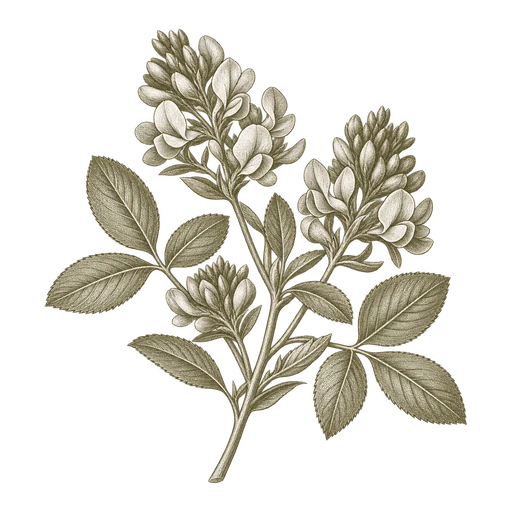
Alfalfa is a forage legume sourced as hay, silage, meal or pellets for livestock feed. Match the form to receiving and ration needs, then compare a lot-specific analysis on a consistent basis.
Explore ingredientPlan bulk alfalfa meal receiving around the product form, moisture protection, packaging, unloading equipment and dry storage capacity.
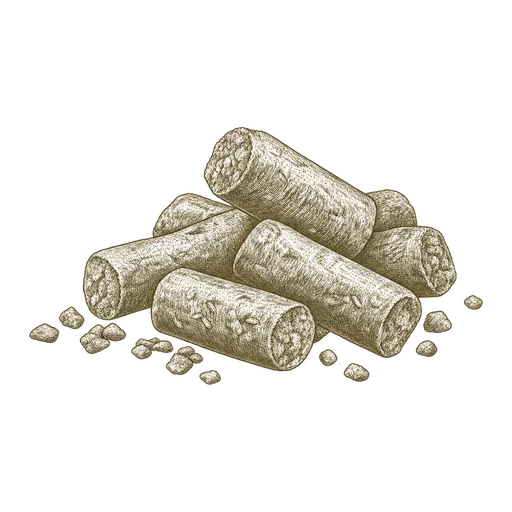
Alfalfa meal is dried alfalfa ground into a loose material; alfalfa pellets are made by compressing processed material into formed pieces. The distinction affects how product moves through your receiving and feed-handling system. Ground meal can contain fine particles that create dust during transfer, while pellets have a more defined shape. Pellet condition and the amount of fines can also matter when product is moved or conveyed.
Specify meal or pellets when requesting a shipment rather than treating the names as interchangeable. If either form could work, compare them against the equipment that receives, stores and transfers the ingredient. Particle size, pellet integrity and fines are useful points to discuss because they can affect handling and mixing. The offered product’s characteristics should be established before planning around a particular flow behavior.
Alfalfa meal and pellets should be protected from rain, leaks and other sources of moisture. Damp material can clump and become harder to handle; extended moisture exposure can also compromise stored feed ingredients. A covered receiving area, a dry storage location and a plan to close or protect product after unloading help limit avoidable exposure.
Think through the full path from delivery to use: where the product is unloaded, whether it passes through an exposed area, and how it will be protected once it reaches storage. Do not assume that packaging alone makes product weatherproof or establishes a particular shelf life. Ask for the handling and storage details applicable to the offered form, and match them to your site conditions.
Before comparing shipment arrangements, describe how your facility can receive product. Relevant constraints include the unloading method, available equipment, access and clearance at the delivery point, and whether you have covered space for staging. For meal, also consider how your system manages loose material and dust. For pellets, consider how the product is transferred without creating unwanted breakage or fines.
Packaging must fit both the shipment plan and the receiving process. Tell the broker whether your facility can handle the packaging being offered, what equipment is available to unload it, and whether you need product delivered in a form your system can transfer directly into storage. Do not assume that a particular bag size, bulk format or transport mode is standard; confirm the actual arrangement before committing to a receiving plan.
A useful request identifies the required form, order quantity and unit, destination, and desired timing. Include the delivery location’s practical constraints, such as receiving hours or limits on where a vehicle can unload. These details help a broker assess which shipment arrangements can be compared and whether the delivery can fit your operation.
Check that your storage space can accommodate the quantity under consideration while keeping the ingredient dry and separate from contaminants. Consider how quickly the facility can move product from receiving to storage and how it will be accessed during routine use. This is a planning question, not a shelf-life calculation: storage duration and conditions depend on the actual product and site, so avoid relying on an assumed storage window.
When comparing bulk alfalfa meal offers, look beyond the quoted quantity. Record whether each offer is meal or pellets, the stated particle or pellet characteristics if provided, the packaging, and the unloading arrangement. Ask what information is available about moisture and other quality requirements relevant to your use, since the product analysis and physical handling characteristics answer different questions.
Delivered cost depends on the order quantity, destination and shipment arrangement, as well as the product offer. Compare quotes on the same form and quantity basis, and account for whether your facility can receive the proposed packaging and delivery. Exact packaging, timing, freight terms and product details are supplier-dependent; establish them for the specific offer rather than assuming a standard arrangement.
Before requesting a quote, gather the product form, quantity and unit, destination, preferred timing, packaging or unloading capability, and any quality requirements your feed program uses. Note the equipment and storage constraints that could rule out an otherwise suitable arrangement. After reviewing the available terms, use the Alfalfa Meal page to submit a sourcing request that reflects your actual receiving setup.
No. Meal is ground loose material, while pellets are compressed into formed pieces. Dust and loose-material transfer can be considerations for meal; pellet condition and fines can matter for pellets. Match the offered form to your unloading and conveying equipment.
Keep it dry and protected from rain, leaks and other moisture exposure. Plan where it will be unloaded, how it will reach storage and how the storage area will remain protected. Confirm handling details for the specific product rather than assuming a shelf life.
Compare the same form and quantity basis, then consider destination, packaging, unloading arrangement and delivery timing. Delivered cost depends on those details and the specific offer; confirm the commercial terms for each quote.
Focused guides to the specification, application, and delivery questions behind this ingredient.
Alfalfa meal raises different formulation questions in poultry, growing pigs and gestating sows. Compare pigment objectives, fiber and nutrient composition against the complete diet and the intended animal group.
Read this InsightA practical guide to comparing alfalfa meal crude protein, crude fiber and NDF results—covering reporting basis, lot and method context, and when moisture or beta-carotene analysis adds useful information.
Read this InsightAlfalfa is a forage legume sourced as hay, silage, meal or pellets for livestock feed. Match the form to receiving and ration needs, then compare a lot-specific analysis on a consistent basis.
Explore ingredientAlfalfa pellets are ground, compressed forage used in livestock feeding and compound feeds. Compare the drying process, alfalfa material, forage analysis and pellet characteristics to choose a form that fits your ration and receiving setup.
Explore ingredientBeet pulp pellets are a dried, compacted sugar beet co-product used as a fibrous, energy-bearing ingredient in livestock feed. Compare molasses status, lot analysis and pellet handling needs to match the product to your ration and receiving setup.
Explore ingredientBeet pulp shreds are dried, shredded sugar-beet pulp used as a digestible-fiber ingredient in livestock and horse diets. Compare the offered form, additions and lot analysis, then match the shipment and dry-storage plan to your receiving setup.
Explore ingredient