Grains
Alfalfa
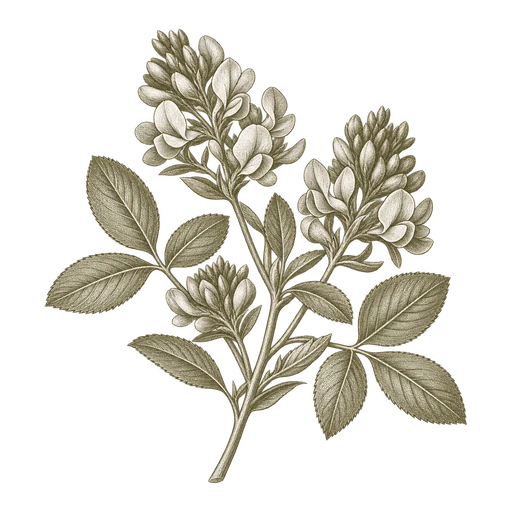
Alfalfa is a forage legume sourced as hay, silage, meal or pellets for livestock feed. Match the form to receiving and ration needs, then compare a lot-specific analysis on a consistent basis.
Explore ingredientPlan bulk milo delivery around site capacity, inspect grain condition at receipt, and monitor moisture, odor, insects, and heating in storage.
A bulk milo order works best when the grain specification and the receiving plan are defined together. Milo, also called grain sorghum, is commonly handled as a dry whole grain. Before requesting a quote, establish the quantity and unit, delivery destination, requested timing, and the product form your facility can handle. If the grain is intended for a feed mill or another processing line, include any requirements that affect whether it can be received and used as delivered.
Receiving capacity is a practical constraint, not a detail to settle after purchase. Consider where a vehicle would unload, how the grain moves from the delivery point into storage, and whether the receiving equipment can handle the expected flow. Share relevant site constraints when arranging an order so shipment plans can be checked against the actual facility. Available shipment arrangements and commercial terms depend on the offer.
Confirm the planned packaging or bulk delivery arrangement and how it interfaces with your site. A facility that receives loose grain needs a compatible unloading point and a clear route into the intended bin or storage area. If the site uses a different receiving method, describe that equipment before finalizing the arrangement rather than assuming a particular package or unloading setup will be available.
Also plan for the grain after it leaves the delivery vehicle. Make sure the destination storage is ready, accessible, and appropriate for dry grain, and that the receiving team can direct the load to the correct location. Avoid leaving grain exposed to rain or allowing it to contact residues from other materials. These steps reduce avoidable moisture and contamination risks during transfer.
Moisture is a key storage consideration because damp grain is more vulnerable to deterioration and mold growth than properly dry grain. Do not rely on appearance alone to establish condition: request the lot information relevant to your requirements and agree in advance how receiving inspection or sampling will be handled. If a moisture requirement matters to your operation, state it when arranging the offer and compare the reported result on a consistent basis.
Inspect the incoming grain for unusual odor, visible moisture, foreign material, and signs of insects. Odor can alert a receiving team to a possible problem, but it does not identify the cause by itself. Insects and microbial activity can contribute to grain heating, so a warm area or temperature change deserves attention rather than being treated as a normal condition. Record concerns and follow your facility’s procedures for holding or evaluating questionable grain before it enters routine use.
Storage checks should continue after the delivery is complete. Monitor the grain and storage environment for changes in temperature, odor, moisture condition, or insect activity. Heating can be localized, so a single observation may not describe the condition of the entire stored quantity. Use the monitoring method and inspection schedule appropriate to your storage system, and investigate changes promptly.
Keep stored milo protected from water entry and avoid introducing contamination through equipment, adjacent materials, or poorly managed transfers. Storage conditions and monitoring needs vary with the facility and the grain’s condition at receipt; a general article cannot set a safe moisture limit or storage duration for a particular lot. If condition changes, consult the person responsible for grain quality at your operation before blending or using the affected grain.
For a useful bulk milo quote, provide the required form, quantity and unit, delivery destination, target timing, and the receiving method your site can accommodate. Include any relevant quality requirements, such as a moisture condition or inspection information needed by your operation. Clarify how the lot will be identified and what condition information is available for review before the order is finalized.
At delivery, compare the received load with the agreed product and order details, then document observations about odor, moisture, insects, and heating. The exact shipment arrangement, lot information, and commercial terms must be confirmed for each offer. To begin a complete sourcing request, visit the Milo ingredient page and include your destination and receiving constraints.
Specify the required grain form, quantity and unit, destination, requested timing, receiving method, and any quality requirements that matter to your operation. Those details help evaluate whether the offer and planned delivery can work at your site.
Moisture can increase deterioration and mold risk, while insects and microbial activity can contribute to heating. Unusual odor can signal a condition worth investigating, though it does not diagnose the cause. Inspect the lot and follow your facility’s process for evaluating concerns.
Keep the grain protected from water and contamination, and monitor for changes in temperature, odor, moisture condition, and insect activity. The appropriate monitoring approach depends on the storage system and lot condition; do not assume a universal storage limit or duration.
Focused guides to the specification, application, and delivery questions behind this ingredient.
Milo can supply energy in poultry diets, but tannin status and amino-acid balance matter when evaluating its role in the complete ration. Understand the lot and the formulation before sourcing.
Read this InsightCompare milo’s moisture, test weight, kernel condition and foreign material as distinct quality factors, then assess feed-value analysis separately. Consistent methods and representative sampling make lot comparisons more useful.
Read this InsightAlfalfa is a forage legume sourced as hay, silage, meal or pellets for livestock feed. Match the form to receiving and ration needs, then compare a lot-specific analysis on a consistent basis.
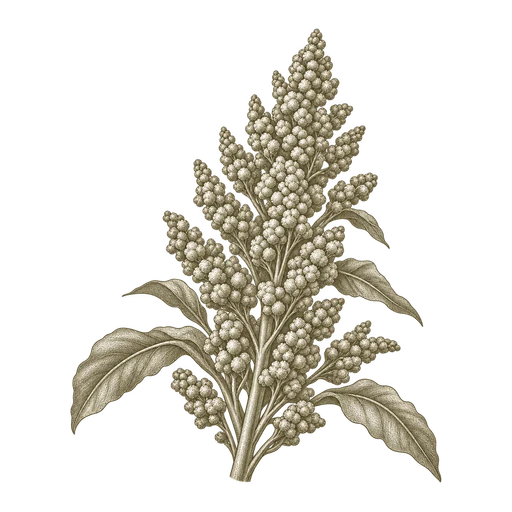
Explore ingredientAmaranth can be sourced as grain, leaf meal or whole-plant forage, and those forms are not interchangeable in feed formulation. Specify the plant material, species and processing method, then compare lot analysis suited to the intended animal and use.
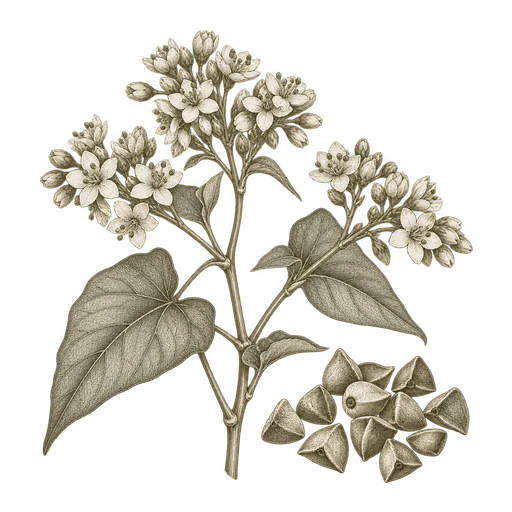
Explore ingredientBuckwheat is sourced as whole seed, dehulled groats, flour and milling by-products for food and feed uses. Choose the form and processing status for the intended use, and compare lot quality on a clearly stated basis.
Explore ingredientMillet covers several small-grained cereal crops used in food and feed. Compare species, whole or milled form, and lot quality details to match the grain to your process, formulation, and storage plan.
Explore ingredient