Independent sourcing. Better connections.Commercial buyers · Bulk ingredients
topic

Grain quality

Grain quality is not one universal grade. This collection spans corn, durum, millet, rye and other grains, along with named forms such as Colored Oat Groats and Red Proso. Compare lots only after confirming crop identity, product form, sampling and test methods, then match the specification to the intended destination.

14 ingredients6 published Insights
EXPLORE THE COLLECTION

Grain quality ingredients

Feed Ingredients

Corn

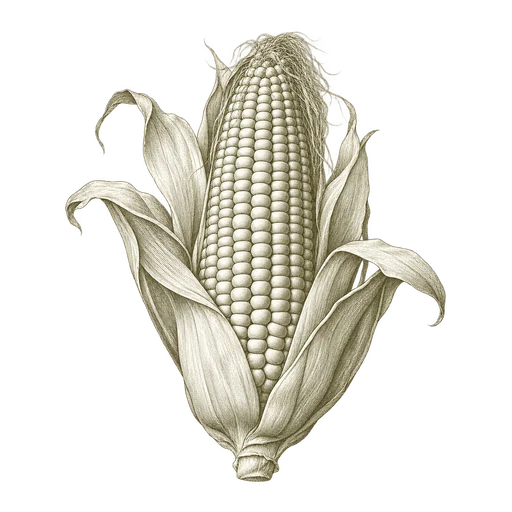
Corn grain is a major feed ingredient and a raw material for food and industrial processing. Specify whole, cracked or ground form, intended use, lot-quality needs and receiving details to compare bulk offers appropriately.

Explore ingredient
Feed Ingredients

Durum

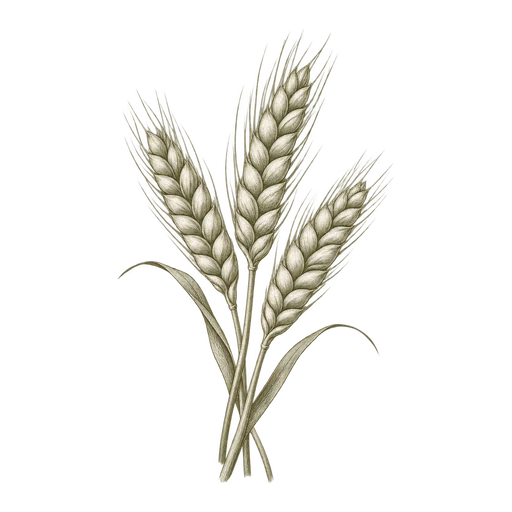
Durum is a hard, amber-grained wheat used chiefly for semolina and pasta production. Compare grain form, class or subclass, grade and milling-related analyses when defining a bulk requirement.

Explore ingredient
Grains

Millet

Millet covers several small-grained cereal crops used in food and feed. Compare species, whole or milled form, and lot quality details to match the grain to your process, formulation, and storage plan.

Explore ingredient
Grains

Milo

Milo is grain sorghum used as a starch-rich energy grain in animal feed. Compare whole and processed forms, then match quality measures and receiving details to the species, ration, and facility.

Explore ingredient
Feed Ingredients

Red Millet

Red millet is a color-described grain used in feed and birdseed markets, but the name does not establish its species. Compare botanical identity, whole or processed form, hull status and lot analysis to match the grain to its intended use and receiving setup.

Explore ingredient
Milo (Sorghum)

Red Milo

Red milo is red-pericarp grain sorghum used as an energy ingredient in animal feed. Color does not establish tannin status, so compare the lot’s identity, physical quality and nutrient analysis, and choose whole or processed grain to match the feeding or milling system.

Explore ingredient
Millet

Red Proso

Red proso is red-seeded proso millet sold for markets that include feed and birdseed. Choose whole, cracked or ground grain to fit the end use, and compare lot-specific physical quality and analysis against the buyer’s requirements.

Explore ingredient
Grains

Rye

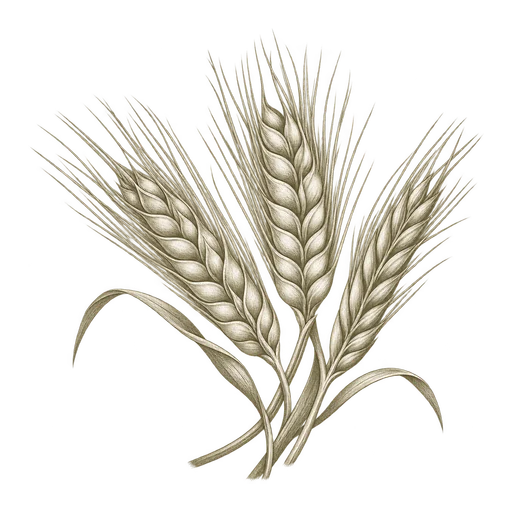
Rye grain is used in feed formulations and milled for food products such as bread flour. Whole, broken and ground forms differ in handling, while starch, soluble non-starch polysaccharides and grain condition shape how buyers evaluate rye for a specific use.

Explore ingredient
Feed Ingredients

Sorghum/Milo

Sorghum, also called milo, is a cereal grain used in livestock diets and some human foods. Compare whole, rolled or ground forms, physical grade measures and use-specific analysis to match the grain to your receiving system and formulation.

Explore ingredient
Grains

Teff

Teff is a small-seeded cereal sourced as food grain or flour and separately as forage or straw. Naming the form and intended use helps buyers compare the right quality measures, plan receiving and protect the product in storage.

Explore ingredient
Grains

Triticale

Triticale is a wheat–rye cereal grain used mainly in livestock feed, with separate food and forage applications. Compare whole or processed forms and evaluate each lot’s condition and analysis against its intended use.

Explore ingredient
Millet

White Proso

White proso millet is white-seeded Panicum miliaceum used in birdseed, livestock feed and food processing. Compare whole, cracked or ground forms and specify the identity, quality analysis and receiving needs that fit the intended use.

Explore ingredient
Millet

White Wonder

White Wonder is a foxtail millet forage type most closely associated with short-season hay production. Identify whether a bulk requirement is planting seed or harvested forage, then compare the matching seed-quality or forage-analysis information.

Explore ingredient

Different grains, different quality measures

This collection brings together several grain crops and named forms, not one uniform commodity class. Corn, rye, durum and triticale have different characteristics and applicable grading frameworks. Millet, Red Proso and White Proso are not automatically assessed on the same basis as those grains. Names such as Milo and Sorghum/Milo also call for a clear statement of grain identity and class.

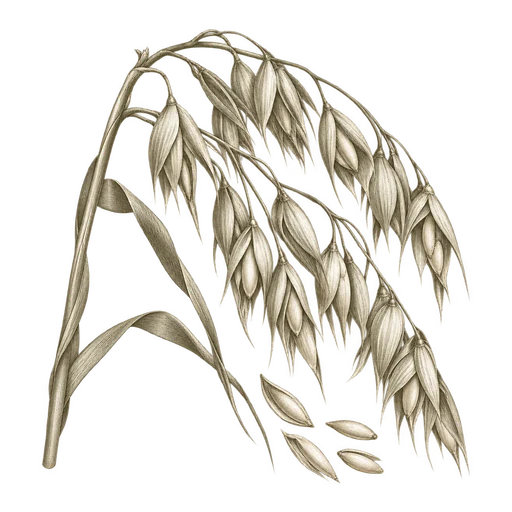
Form matters too. Colored Oat Groats identifies a different product form from whole oats, but the name alone does not establish how much processing or cleaning it has received. Before comparing lots, confirm the crop, class, whether it is whole or processed, and its intended use.

Compare results on a consistent basis

Start with a representative sample and ask how it was drawn. Moisture, test weight, foreign material, fines and damaged kernels help describe physical quality, but test methods and preparation can differ by grain. A test-weight figure is more useful when the method and sample preparation are clear.

For a food, feed or processing use, a grade alone may not capture the requirement. Add end-use tests only where they fit the grain and application; measures relevant to durum milling, for example, should not be assumed to apply to millet or sorghum.

Make the specification fit the destination

A feed-use description does not by itself establish suitability for food or pet food, and a grain’s name does not establish a lot’s testing or treatment status. Define the destination and any buyer-required contaminant tests or documentation in the specification.

For bulk purchasing, compare lot results, cleaning status and storage condition against the receiving facility’s needs. Moisture limits depend on the grain and storage conditions, so avoid applying a threshold for one crop to every member of this collection.

Common questions.

Are Milo and Sorghum/Milo interchangeable names?+

Do not assume so from the labels alone. Confirm the grain identity, class and form for the specific lot.

Does higher test weight always mean a better grain lot?+

No. Test weight is one physical measure; cleanliness, moisture, damage and the intended use also matter.

Can a feed-use grain lot be used for food or pet food?+

A feed-use description does not establish food or pet-food suitability. Confirm the destination-specific specification and required testing.

Which quality results are useful to compare?+

Representative-sample results for moisture, test weight, foreign material and damaged kernels are a practical starting point. Confirm methods and add end-use tests when relevant to the grain and destination.

Grain quality · BUYER INSIGHTS

Go deeper before you source.

Focused guides to the specification, application, and delivery questions behind this ingredient.

FIELD GUIDE01Grain quality
Buyer’s guide

White Wonder millet bulk receiving and storage planning

Plan a White Wonder shipment by specifying planting seed or forage, sharing your receiving constraints, and arranging storage around the lot’s moisture information and instructions.

Read this Insight
FIELD GUIDE02Grain quality
Buyer’s guide

White Wonder millet for hay: how harvest stage affects forage evaluation

Harvest stage can help explain differences in foxtail millet hay, but forage analysis, seedhead condition and crop history give buyers a more complete basis for evaluation.

Read this Insight
FIELD GUIDE03Grain quality
Buyer's guide

White Wonder millet seed quality: germination, purity and moisture

For White Wonder millet purchased as planting seed, evaluate germination, physical purity, weed seed, foreign material and moisture on a clear, lot-specific test basis—not by relying on harvested-forage analysis.

Read this Insight
FIELD GUIDE04Grain quality
Buyer’s guide

Planning bulk white proso millet receiving and storage

Plan a white proso millet order around the receiving site's form, quantity, destination, timing, packaging and unloading needs. Protect the grain from moisture and contamination, and establish lot-specific requirements for the actual offer.

Read this Insight
FIELD GUIDE05Grain quality
Buyer’s guide

Choosing white proso millet for birdseed mixes

A practical guide to choosing white proso millet for wild-bird and caged-bird mixes, with attention to seed color, grain form and blend-specific requirements.

Read this Insight
FIELD GUIDE06Grain quality
Buyer’s guide

White proso millet quality analysis: what to compare

A practical guide to separating white proso millet identity, appearance, form and lot analysis—and making quality results comparable before purchase.

Read this Insight