Grains
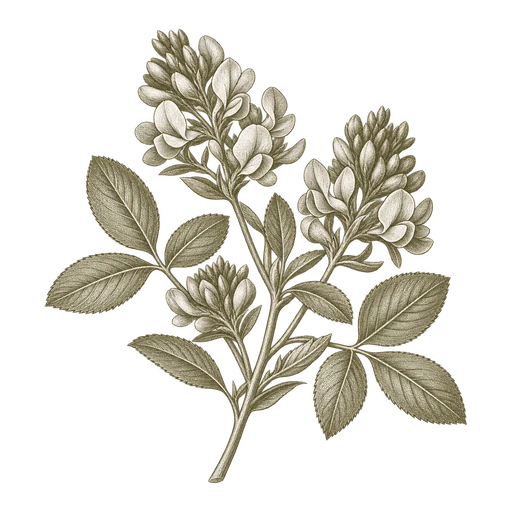
Alfalfa
Alfalfa is a forage legume sourced as hay, silage, meal or pellets for livestock feed. Match the form to receiving and ration needs, then compare a lot-specific analysis on a consistent basis.
Explore ingredientMilo can supply energy in poultry diets, but tannin status and amino-acid balance matter when evaluating its role in the complete ration. Understand the lot and the formulation before sourcing.
Milo, or grain sorghum, can serve as an energy grain in poultry diets. Its main formulation role is to contribute grain energy, not to replace a protein supplement or a balanced amino-acid program. The value of a particular lot depends on how its usable energy and nutrient profile fit the complete ration.
That distinction matters when comparing milo with other grains. A diet is formulated around the contribution of all ingredients together, so substituting one energy grain for another is not simply a weight-for-weight purchasing decision. The nutritionist must account for the grain’s composition and adjust the rest of the formula to meet the birds’ requirements.
Sorghum varies in tannin content. High-tannin sorghums can depress poultry growth and feed efficiency, so tannin status is a meaningful quality consideration—not a reason to assume that every milo lot has the same limitation. The effect should not be generalized across all grain sorghum.
Tannins can bind with proteins and interfere with nutrient use. In a poultry ration, that can make nutrients less available than the grain’s gross composition alone might suggest. This is why identifying the grain and understanding its tannin status belong alongside energy values in a formulation review.
A general commodity name does not establish a specific lot’s tannin level. For a planned diet, use lot-specific analysis when available and have qualified nutrition support interpret it in context. Do not infer a result from the word “milo” or apply a single inclusion rate across lots.
Milo contributes protein as well as energy, but its crude protein value does not describe the availability or balance of individual amino acids. Poultry diets need an appropriate amino-acid profile, and the contribution from milo must be considered with the rest of the ingredients and any supplements in the formula.
This is especially important when milo changes the share of another grain or protein ingredient. A formulation may need adjustment to maintain the intended amino-acid balance; simply matching crude protein does not show that the ration supplies the same amino acids in usable amounts. The right adjustment depends on the bird, the other ingredients, and the analysis used by the nutritionist.
Keep energy, protein, amino acids, and tannin status in the same formulation discussion. Reviewing only one number can obscure a tradeoff: a grain may contribute energy while its tannin characteristics or amino-acid contribution affect how the complete diet performs.
Physical form and processing also matter at the feed mill. Whole grain and ground grain differ in particle size and handling, and the selected form should work with the mill’s grinding, mixing, and delivery process. Processing does not remove the need to evaluate tannin status or nutrient balance.
For a useful comparison, review the grain identity and the available analysis relevant to the diet, including tannin status, energy-related values, protein, and amino acids where measured. Ask how each result is reported and interpreted; values from different methods or on different bases may not be directly comparable. The required detail depends on the formulation and the nutrition support guiding it.
Before sourcing, define the milo form and the quality characteristics your poultry formula requires. Share the intended use, quantity and unit, destination, timing, and receiving method so a broker can identify an offer that can be evaluated against those needs. Packaging and unloading arrangements should suit the facility’s equipment.
Once requirements are defined, use the [Milo ingredient page](/ingredients/milo) as the sourcing route. Have qualified nutrition support assess any lot-specific analysis and formulation details before using a particular offer in a diet. Price and delivered terms depend on the specific product and transaction.
Yes. Grain sorghum can contribute energy to poultry diets, but its role must be evaluated as part of the complete ration, including tannin status and amino-acid balance.
No. Sorghum varies in tannin content. High-tannin sorghums can depress growth and feed efficiency, but that effect should not be assumed for every milo lot. Lot-specific analysis and qualified nutrition support are important for formulation decisions.
Crude protein does not describe the balance or availability of individual amino acids. A poultry nutritionist considers milo’s contribution alongside the other ingredients and adjusts the complete formula as needed.
Focused guides to the specification, application, and delivery questions behind this ingredient.
Plan bulk milo delivery around site capacity, inspect grain condition at receipt, and monitor moisture, odor, insects, and heating in storage.
Read this InsightCompare milo’s moisture, test weight, kernel condition and foreign material as distinct quality factors, then assess feed-value analysis separately. Consistent methods and representative sampling make lot comparisons more useful.
Read this InsightAlfalfa is a forage legume sourced as hay, silage, meal or pellets for livestock feed. Match the form to receiving and ration needs, then compare a lot-specific analysis on a consistent basis.
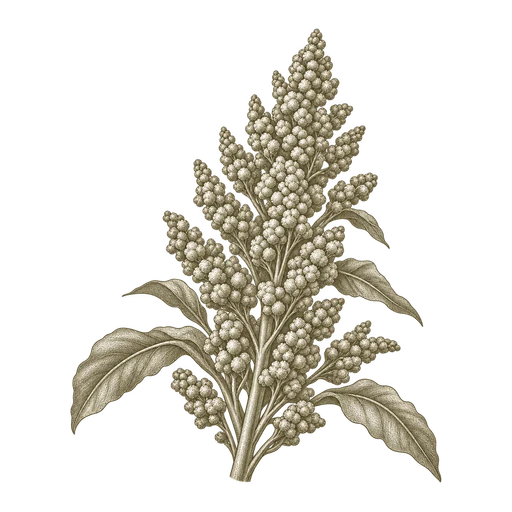
Explore ingredientAmaranth can be sourced as grain, leaf meal or whole-plant forage, and those forms are not interchangeable in feed formulation. Specify the plant material, species and processing method, then compare lot analysis suited to the intended animal and use.
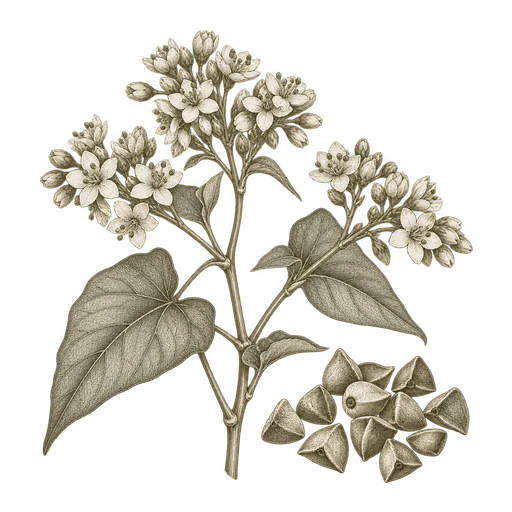
Explore ingredientBuckwheat is sourced as whole seed, dehulled groats, flour and milling by-products for food and feed uses. Choose the form and processing status for the intended use, and compare lot quality on a clearly stated basis.
Explore ingredientMillet covers several small-grained cereal crops used in food and feed. Compare species, whole or milled form, and lot quality details to match the grain to your process, formulation, and storage plan.
Explore ingredient