Independent sourcing. Better connections.Commercial buyers · Bulk ingredients
tag

Poultry feed

A collection of distinct grains, an insect-derived ingredient and mango materials whose poultry-feed relevance depends on exact identity, form and lot composition.

13 ingredients6 published Insights
EXPLORE THE COLLECTION

Poultry feed ingredients

Animal Products

Dried Mealworms

Dried mealworms are Tenebrio molitor larvae supplied whole or ground into meal and powder for animal-feed applications. Choose the form to fit receiving and mixing needs, and compare nutrient analysis on a consistent basis because processing and test methods affect reported composition.

Explore ingredient
Dried Fruits

Mango

Mango-derived feed ingredients range from peel and mixed residue to whole seed and kernel meal. Identify the material and its processing first: those differences affect composition, formulation, analysis and storage decisions.

Explore ingredient
Grains

Millet

Millet covers several small-grained cereal crops used in food and feed. Compare species, whole or milled form, and lot quality details to match the grain to your process, formulation, and storage plan.

Explore ingredient
Grains

Milo

Milo is grain sorghum used as a starch-rich energy grain in animal feed. Compare whole and processed forms, then match quality measures and receiving details to the species, ration, and facility.

Explore ingredient
Dried Fruits

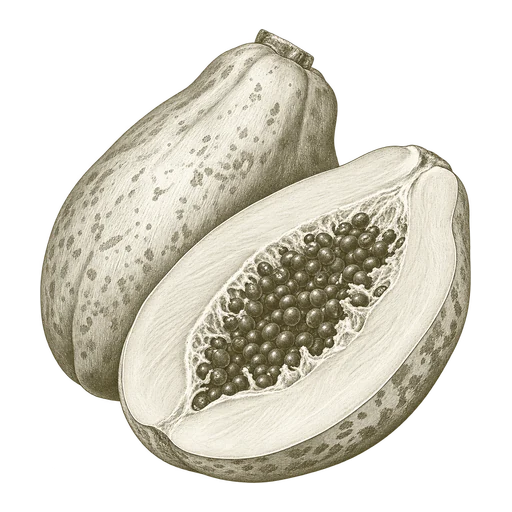
Papaya

Papaya is sourced as fresh fruit, puree, frozen or canned fruit, dried products, and distinct processing by-products. Identify the exact material and compare form-appropriate quality measures, handling needs and intended use.

Explore ingredient
Animal Products

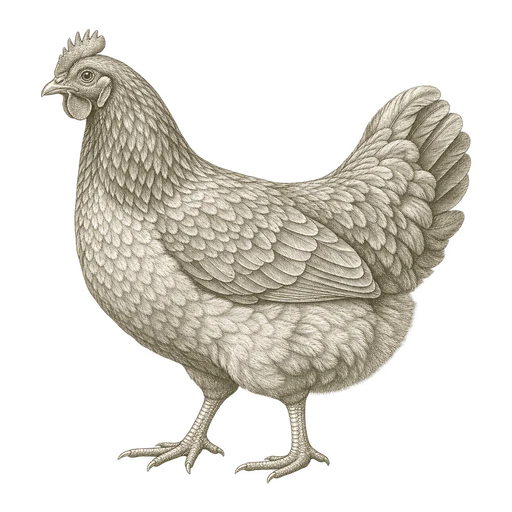
Poultry Fat

Poultry fat is a rendered fat used as an energy ingredient in poultry feed. Compare source identity, quality analysis and handling instructions so the offered lot fits your formulation and receiving setup.

Explore ingredient
Feed Ingredients

Poultry Meal

Poultry meal is a rendered, ground ingredient used in formulated animal diets. Its declared identity and lot analysis matter: compare protein, fat, minerals, moisture and, where relevant, amino-acid information before choosing an offer.

Explore ingredient
Feed Ingredients

Red Millet

Red millet is a color-described grain used in feed and birdseed markets, but the name does not establish its species. Compare botanical identity, whole or processed form, hull status and lot analysis to match the grain to its intended use and receiving setup.

Explore ingredient
Grains

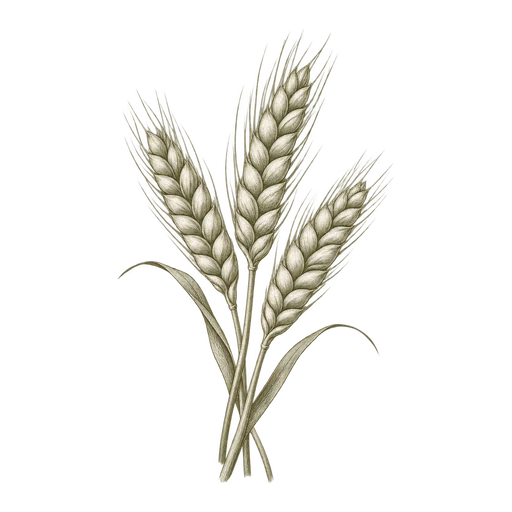
Rye

Rye grain is used in feed formulations and milled for food products such as bread flour. Whole, broken and ground forms differ in handling, while starch, soluble non-starch polysaccharides and grain condition shape how buyers evaluate rye for a specific use.

Explore ingredient
Seeds

Safflower

Safflower is an oilseed sold as whole seed, oil and oil-extraction meal. For feed buyers, meal's hull content and extraction method shape its protein, fiber and residual oil profile, so compare the actual product analysis and intended use.

Explore ingredient
Dried Vegetables

Spinach

Bulk spinach is sourced as fresh leaves or dried, ground leaf, and those forms have different uses and handling needs. Fresh spinach for processing is judged by condition and cleanliness; dried leaf requires product-specific composition and storage information.

Explore ingredient
Grains

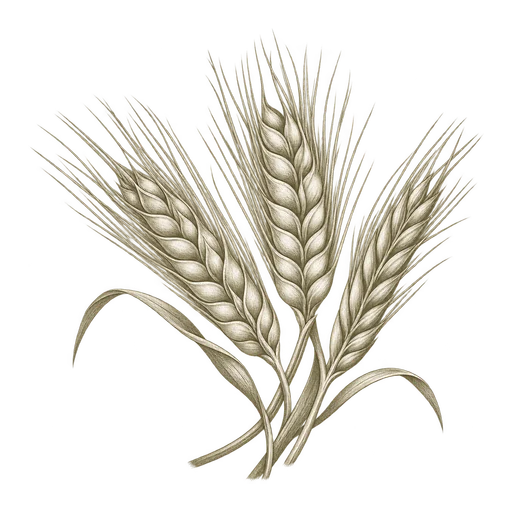
Triticale

Triticale is a wheat–rye cereal grain used mainly in livestock feed, with separate food and forage applications. Compare whole or processed forms and evaluate each lot’s condition and analysis against its intended use.

Explore ingredient
Tree Nuts

Walnuts

Bulk walnuts can mean shelled kernels, pieces, ground kernel or oil-extraction meal. Identify the species, form and intended use first, then compare the quality measures and handling needs relevant to that product.

Explore ingredient

Ingredients with different roles

This collection brings together Dried Mealworms, Mango, Millet and Milo, but these names describe distinct materials—not interchangeable feeds or a complete poultry ration. Millet and milo are grains; dried mealworms are an animal-derived ingredient. Mango needs closer identification: poultry-feed discussions generally concern a particular seed or processing fraction, not unspecified mango fruit.

The form matters as much as the name. Poultry research on millet concerns pearl millet grain, while milo is another name for grain sorghum. Mealworms may be offered in different forms, and mango materials can include kernel meal, peel or mixed processing residues. Their composition and formulation use cannot be assumed to match.

Compare grain choices in context

Millet and milo can both be considered as grain ingredients, but they are not the same crop. Sorghum has somewhat less energy than corn and less xanthophyll, which can matter when yolk or skin pigmentation is a formulation goal. Findings for pearl millet likewise apply to the studied grain and diet, not automatically to every product called millet.

Dried mealworms offer a different ingredient category: research has evaluated yellow mealworm as a protein feedstuff for broilers. That does not establish a universal nutrient profile or inclusion rate for a particular mealworm product. Evaluate it against the intended bird class and the rest of the ration.

Specify the material before buying

For bulk comparisons, establish exact identity and processing first: millet species and whole or ground form; sorghum grain or a by-product; mealworm species and product form; and the specific mango fraction and treatment. For mango in particular, raw kernel meal, processed kernel material and mixed residues should not be treated as equivalent.

Request a current lot analysis with its basis stated, such as as-fed or dry matter. Moisture, protein, fat, fiber and ash help distinguish lots; ask for relevant energy or amino-acid data when the formulation requires them. Match the analysis to the poultry species, age and production stage, rather than relying on general reference values.

Common questions.

Are millet and milo the same poultry-feed ingredient?+

No. Millet and milo are different grains; milo is a common name for grain sorghum. Confirm the crop identity and form on the product details.

What does “mango” mean in a poultry-feed offer?+

It needs clarification. The name could refer to fruit or a specific fraction such as kernel meal, peel or processing residue, and these materials are not interchangeable.

Can dried mealworms be treated as a standard protein meal?+

Not without checking the product. Species, processing, form and lot composition affect how it compares with other protein ingredients.

Do published feeding results set an inclusion rate for these ingredients?+

No. Findings for a particular ingredient, bird class and diet are not a general feeding instruction. Formulation should account for the intended poultry and verified lot composition.

Poultry feed · BUYER INSIGHTS

Go deeper before you source.

Focused guides to the specification, application, and delivery questions behind this ingredient.

FIELD GUIDE01Poultry feed
Buyer’s guide

Planning bulk walnut receiving, packaging and storage

Plan a bulk walnut delivery around its actual form: shelled kernels need protection from breakage, while oil-extraction meal requires handling matched to its particle form. Align packaging and unloading with your facility, then limit moisture and oxygen exposure in storage.

Read this Insight
FIELD GUIDE02Poultry feed
Buyer’s guide

Questions to assess walnut oil meal in broiler feed

Evaluate walnut oil meal for broilers by establishing whether it is genuine oil-extraction residue, reviewing lot-specific proximate analysis on a clear reporting basis, and separating general product identity from evidence that supports a broiler formulation decision.

Read this Insight
FIELD GUIDE03Poultry feed
Buyer’s guide

How to compare bulk walnut kernel quality specifications

Compare bulk walnut kernel offers by product identity, cut, appearance, cleanliness, dryness, damage, and freshness—and verify that the inspection basis applies to the offered lot.

Read this Insight
FIELD GUIDE04Poultry feed
Buyer’s guide

Planning bulk triticale grain receiving and storage

Plan a triticale grain order around a clear quantity, destination, receiving method and storage setup. Moisture and grain condition inform storage decisions, while shipment details depend on the offered lot and your facility.

Read this Insight
FIELD GUIDE05Poultry feed
Buyer’s guide

Triticale in swine and poultry diets: formulation questions

Triticale can contribute to swine and poultry diets, but its formulation value depends on the offered grain analysis, NSP characteristics, physical form, animal species and the rest of the ration. Understand those decisions before defining the feed specification and sourcing requirement.

Read this Insight
FIELD GUIDE06Poultry feed
Buyer’s guide

Triticale grain quality: comparing moisture, test weight and condition

Moisture, test weight, foreign material and condition describe different aspects of a triticale lot. Learn how to compare the measures, interpret their limits and request lot-specific records and sampling details.

Read this Insight