Grains
Alfalfa
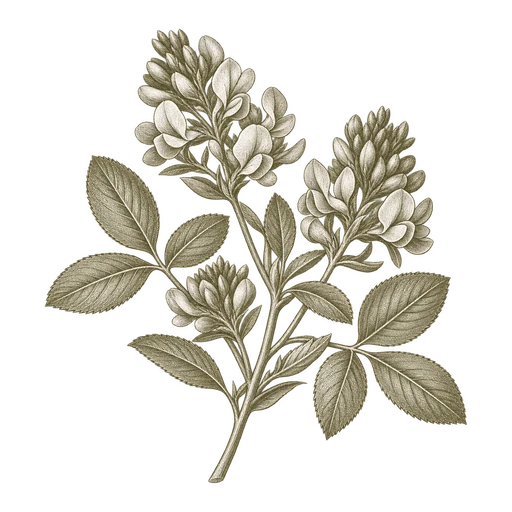
Alfalfa is a forage legume sourced as hay, silage, meal or pellets for livestock feed. Match the form to receiving and ration needs, then compare a lot-specific analysis on a consistent basis.
Explore ingredientCompare milo’s moisture, test weight, kernel condition and foreign material as distinct quality factors, then assess feed-value analysis separately. Consistent methods and representative sampling make lot comparisons more useful.
Milo grain quality is not captured by one number. Moisture describes the grain’s water content; test weight describes bulk density; damaged and broken kernels describe physical condition; and foreign material measures material other than the intended grain. These factors can affect handling, storage, processing or contract acceptance in different ways.
Feed-value analysis answers another question: what does the grain contribute nutritionally? Measures such as protein, starch and fiber describe composition, not physical condition or cleanliness. A lot can compare favorably on a grade factor without having the nutrient profile your formulation calls for, or have useful feed analysis while still needing review for handling-related quality factors.
Moisture matters because water content affects storage management and can influence how grain handles. Compare results on the same reporting basis and identify the method used. A moisture result alone does not tell you whether kernels are damaged or whether the lot’s nutrient composition matches your target.
Test weight is a bulk-density measure, not a direct assay of feed value. Kernel size, shape, soundness and the way grain packs can affect the result. It can help characterize a lot, but it does not replace nutrient analysis or a separate assessment of damaged kernels and foreign material.
Damaged kernels and broken kernels describe different physical concerns. Damage refers to kernels affected by conditions or deterioration defined by the applicable grading method; broken kernels are pieces of grain. The categories and their treatment depend on the grading reference and contract, so ask for the definitions behind the reported results rather than assuming that every report classifies them identically.
Foreign material is matter in the sample that is not counted as the intended grain under the stated method. Its identity can matter as much as the reported amount: screenings, other grains and miscellaneous material do not have the same implications for cleaning, conveying or formulation. Review what the measurement includes and how the result is expressed.
A useful comparison requires more than matching column names. Check that samples were assessed using comparable definitions, methods and reporting bases. If one result is tied to an official grade reference and another is a supplier’s internal analysis, establish what each classification means before treating the results as equivalent. Grade references and contract language can differ by jurisdiction and transaction; verify the applicable reference instead of assuming a universal limit.
Sampling matters because a test describes the sample, not automatically every part of a bulk lot. A representative sample needs to reflect the grain being evaluated, with sampling and sample preparation suited to the lot and analysis. Ask how and when the sample was collected, whether it represents the offered lot, and whether reported results are lot-specific. For a discrepancy or a critical purchase requirement, agree in advance on the sampling and testing procedure used to resolve it.
For a bulk milo purchase, translate the intended use into two separate review steps. First, compare physical-quality and grade factors against the contract language and the needs of your receiving and processing equipment. Then review feed-value analysis against the ration or formulation target. Keep the units, basis, methods and sample identity visible in both comparisons.
Before accepting a result, clarify the applicable grade reference, definitions for damaged kernels and foreign material, sampling basis, test methods and which results apply to the offered lot. Acceptance limits should come from the purchase specification or applicable contract, not from a generic chart without context. Buyers sourcing milo can begin at the [Milo ingredient page](/ingredients/milo), then define the analysis and grading terms needed for their order.
No. Grade factors describe characteristics such as moisture, bulk density, kernel condition and foreign material. Feed-value analysis describes nutritional composition. Review both when the purchase depends on physical quality and formulation value.
Reports may use different definitions, methods, reporting bases or samples. Compare like with like, and identify the grading reference and the sample’s connection to the offered lot before drawing conclusions.
Ask when and how it was collected, whether it represents the lot being offered, and which test methods and definitions were used. If results will determine acceptance, agree on the sampling and testing procedure in the purchase terms.
Focused guides to the specification, application, and delivery questions behind this ingredient.
Plan bulk milo delivery around site capacity, inspect grain condition at receipt, and monitor moisture, odor, insects, and heating in storage.
Read this InsightMilo can supply energy in poultry diets, but tannin status and amino-acid balance matter when evaluating its role in the complete ration. Understand the lot and the formulation before sourcing.
Read this InsightAlfalfa is a forage legume sourced as hay, silage, meal or pellets for livestock feed. Match the form to receiving and ration needs, then compare a lot-specific analysis on a consistent basis.
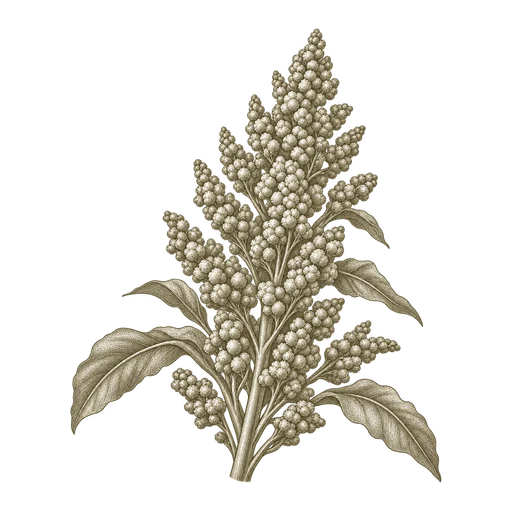
Explore ingredientAmaranth can be sourced as grain, leaf meal or whole-plant forage, and those forms are not interchangeable in feed formulation. Specify the plant material, species and processing method, then compare lot analysis suited to the intended animal and use.
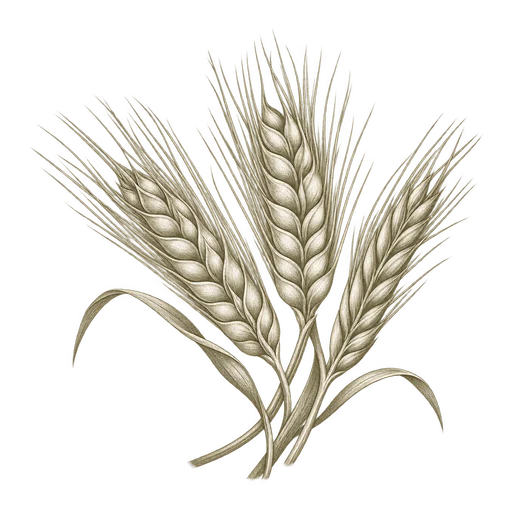
Explore ingredientBarley is a cereal grain used in cattle feed, malting, food and industrial processing. Whole and processed forms serve different needs; identify the intended use, processing state and receiving requirements when sourcing a bulk order.
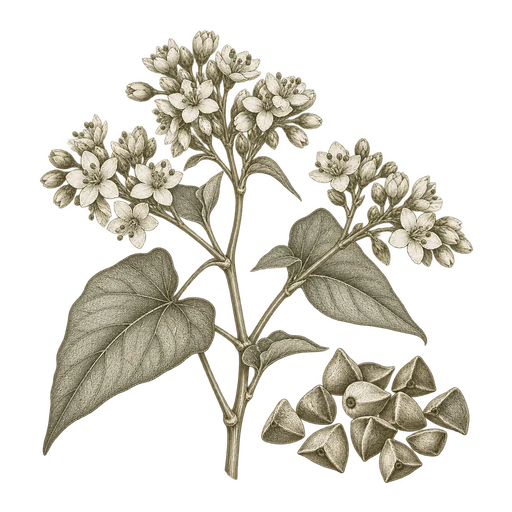
Explore ingredientBuckwheat is sourced as whole seed, dehulled groats, flour and milling by-products for food and feed uses. Choose the form and processing status for the intended use, and compare lot quality on a clearly stated basis.
Explore ingredient