Independent sourcing. Better connections.Commercial buyers · Bulk ingredients
tag

quality analysis

Quality analysis applies different measures to different products, not one shared panel or grade. This collection spans dairy ingredients—lactose, milk permeate, Milk Protein Concentrate 70/80/85 and Non Fat Dry Milk—as well as mango and Milo. Buyers should first confirm product identity, form and intended use, then compare relevant lot results using compatible methods and reporting bases.

27 ingredients6 published Insights
EXPLORE THE COLLECTION

quality analysis ingredients

Feed Ingredients

Almond Hulls

Almond hulls are the dried outer layer of the almond fruit, sourced for ruminant feed as hull-only material or as a hull-and-shell mixture. Compare the lot’s composition, physical form, and handling needs before arranging a bulk shipment.

Explore ingredient
Grains

Barley

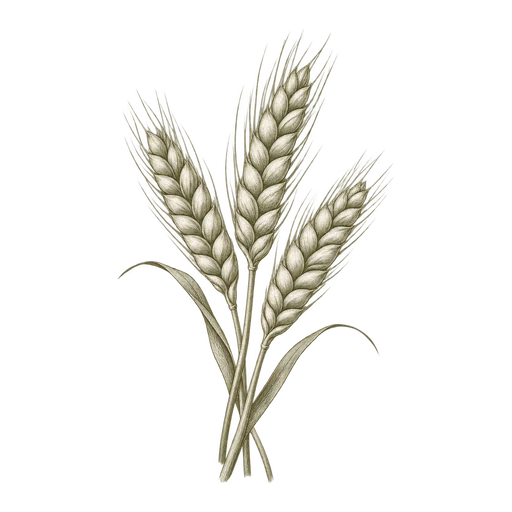
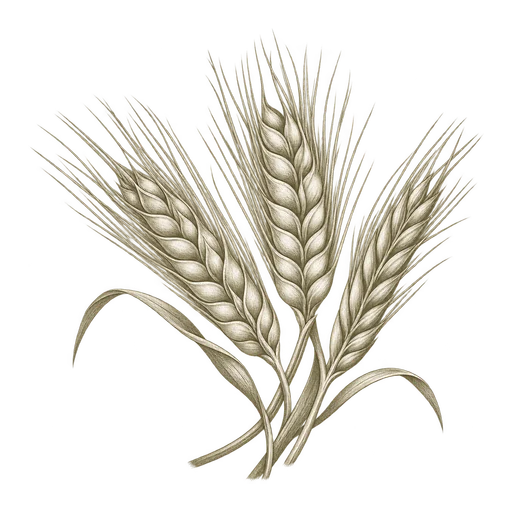
Barley is a cereal grain used in cattle feed, malting, food and industrial processing. Whole and processed forms serve different needs; identify the intended use, processing state and receiving requirements when sourcing a bulk order.

Explore ingredient
Dried Fruits

Blueberry Powder

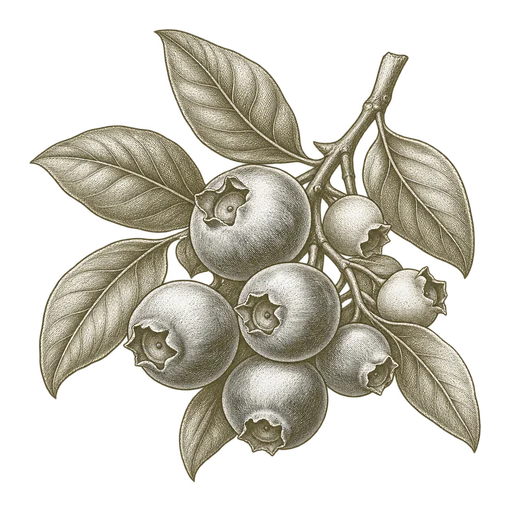
Blueberry powder can come from whole fruit, juice or pomace, with carriers and drying methods affecting composition and handling. Compare the source fraction, ingredient statement and physical properties to match the powder to your food formulation.

Explore ingredient
Dairy Ingredients

Colostrum Powder

Bovine colostrum powder is a dried ingredient that can differ in IgG content, fat, lactose and processing. Compare the specific form, lot analysis and intended-use documentation before arranging a bulk order.

Explore ingredient
Dried Fruits

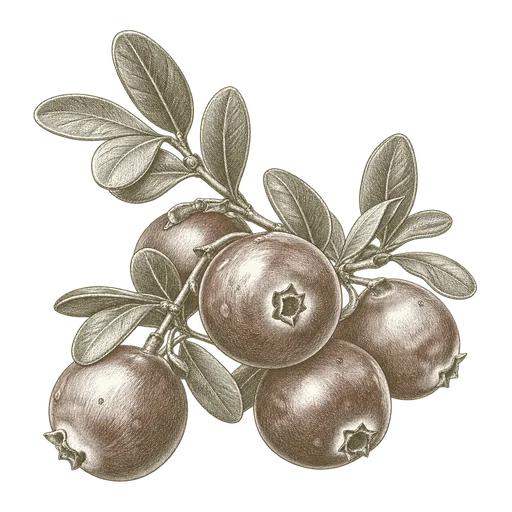
Cranberry Powder

Cranberry powder may be ground whole fruit, dried juice pomace or a pomace extract, and those forms differ in composition and use. Compare ingredient declarations, processing and relevant quality measures before choosing a bulk product for a food formulation.

Explore ingredient
Pulses

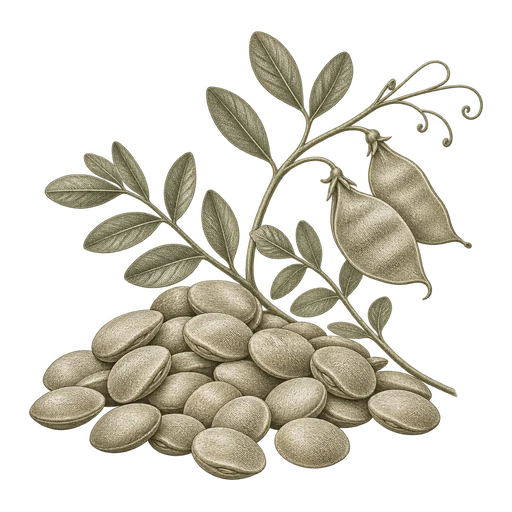
French Green Lentils

French green lentils are sold as whole or split lentil seeds for food uses where form, color and cooking characteristics matter. The name does not guarantee French origin or Puy identity, so compare lot identity, physical quality and intended-use requirements when sourcing in bulk.

Explore ingredient
Dairy Ingredients

Ghee

Ghee is a concentrated dairy fat used in cooking, frying, sweetmeats and as a topping. Compare process and sensory requirements alongside milk-fat, moisture and oxidation measures, then match the packaging and receiving details to your food operation.

Explore ingredient
Dried Fruits

Mango

Mango-derived feed ingredients range from peel and mixed residue to whole seed and kernel meal. Identify the material and its processing first: those differences affect composition, formulation, analysis and storage decisions.

Explore ingredient
Dairy Ingredients

Milk Permeate

Milk permeate is a lactose- and mineral-rich dairy fraction used in food formulations including baked goods, dairy products, dry mixes and beverages. Bulk buyers can distinguish milk permeate from whey permeate and compare powder composition, reporting basis and handling needs against the intended application.

Explore ingredient
Dairy Ingredients

Milk Protein Isolate

Milk protein isolate is a concentrated bovine milk protein ingredient used in human-food formulations, including nutrition bars and dietetic products. Compare conventional and microfiltered profiles, quality measures and processing needs before choosing a bulk product.

Explore ingredient
Grains

Milo

Milo is grain sorghum used as a starch-rich energy grain in animal feed. Compare whole and processed forms, then match quality measures and receiving details to the species, ration, and facility.

Explore ingredient
Dairy Ingredients

Non Fat Dry Milk

Non-fat dry milk is a concentrated dairy ingredient used in food manufacturing. Compare instant status, heat class and lot specifications against your process, and account for packaging and dry storage when planning a bulk order.

Explore ingredient
Starches/Fibers/Proteins

Pea Hull Fiber

Pea hull fiber is milled field-pea seed coat used in food formulations and animal feed. Compare hull identity, fiber analysis basis, particle size and intended grade to choose material that fits the formulation and receiving setup.

Explore ingredient
Animal Products

Porcine Meat Meal

Porcine meat meal is a rendered animal-protein ingredient identified as pig-derived. Compare documented product identity, nutrient and mineral analysis, and any amino-acid data needed for the intended feed formulation.

Explore ingredient
Dried Fruits

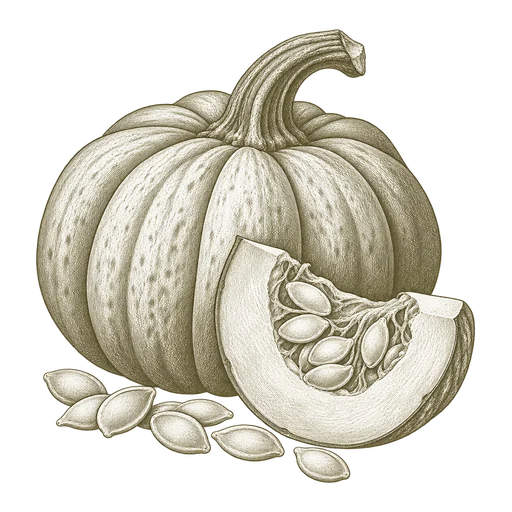
Pumpkin Powder

Pumpkin powder is dried, milled pumpkin material used in food formulations and some feed research. Compare the plant parts, processing, moisture and particle characteristics to choose a powder that fits the intended use and receiving setup.

Explore ingredient
Other Seeds & Grains

Pumpkin Seed

Pumpkin seed can mean whole food seeds, hulled kernels, ground meal or oil-extraction cake. Choose the form for its intended food or feed use, and compare the specific product’s processing and analysis before sourcing in bulk.

Explore ingredient
Seeds, Grains & Specialty

Rapeseed

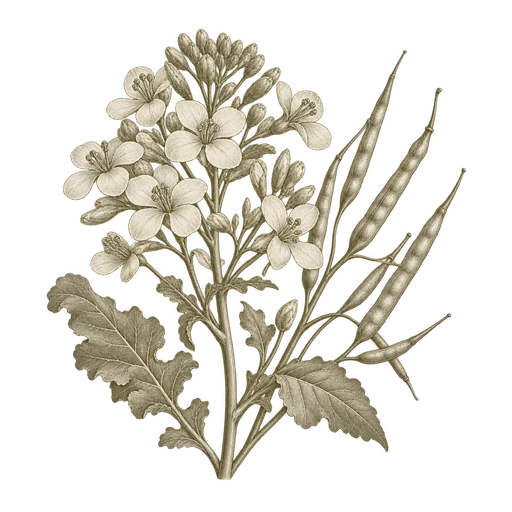
Rapeseed can mean whole seed, oil or oil-extraction meal, and the crop name alone does not establish grade or end use. Compare product identity, intended application and relevant analysis before arranging a bulk purchase.

Explore ingredient
Pulses

Red Lentils

Red lentils are sold whole, split, or split and dehulled for food processing and, where appropriate, feed use. Compare the physical form and quality factors such as moisture, foreign material, damage and color to match the order to its intended use.

Explore ingredient
Grains

Spelt

Spelt is a hulled wheat sourced as grain, dehulled kernels, flour, or separated hulls. Choose the form for the intended food or feed use, and compare lot-specific functionality or feed analysis rather than assuming all spelt is equivalent.

Explore ingredient
Dairy Ingredients

Sweet Whey

Sweet whey is a cheese-making co-product sold as liquid, concentrate or powder. The form affects composition, receiving and storage, while its lactose, protein, fat and minerals support food manufacturing and selected feed uses.

Explore ingredient
Starches/Fibers/Proteins

Vital Wheat Gluten

Vital wheat gluten is a dried wheat protein ingredient that develops an elastic, cohesive structure when hydrated. Buyers use it in bread, pasta, meat analogues and some feed formulations; compare its functional properties and quality analysis against the process before choosing a bulk product.

Explore ingredient
Millet

White Proso

White proso millet is white-seeded Panicum miliaceum used in birdseed, livestock feed and food processing. Compare whole, cracked or ground forms and specify the identity, quality analysis and receiving needs that fit the intended use.

Explore ingredient
Dairy Ingredients

Whole Milk Powder

Whole milk powder is a concentrated dairy ingredient used in bakery, confectionery, dry mixes, sauces and beverages. Compare regular and instantized forms, composition and reconstitution properties to match the powder to your food process.

Explore ingredient

Different ingredients need different measures

The dairy ingredients in this collection are not interchangeable. Lactose is a milk sugar, while milk permeate contains lactose, minerals and other solids; it should not be treated as high-purity lactose. Milk Protein Concentrate 70/80/85 labels indicate approximate protein levels, but buyers should also compare moisture, fat, ash, lactose and protein reporting basis. Non Fat Dry Milk has its own composition and grade considerations, including process type and intended use.

A useful analysis starts with the product identity and end use, then checks relevant composition and functional properties. Solubility or dispersibility can matter alongside a headline protein figure; for lactose, crystal form and grade may affect whether it fits the application.

Confirm form and test basis before comparing

Mango can be supplied in different forms, and processing affects which tests matter. For mango powder, buyers may need to review moisture, color, acidity, solubility and microbiological results, as well as the fruit part and any added carriers. Moisture uptake can contribute to caking, making storage instructions relevant to bulk handling.

“Milo” does not establish a precise product identity or form by itself. Confirm what the offered material is before selecting an analysis; if it is sorghum grain, grading factors include test weight, damaged kernels, broken kernels and foreign material. These do not replace any additional safety or feed analyses needed for the intended use.

Read the analysis in context

For any ingredient, compare a lot-specific certificate of analysis by analyte, result, units, method and sample date. Check whether values are reported as-is or on a dry basis; results with different bases or methods may not be directly comparable. Establish whether the material is intended for food, feed or another use, and review the documentation and limits relevant to that use. Packaging, lot identification and storage guidance also matter when planning bulk receiving.

Common questions.

Does this tag mean every ingredient uses the same quality tests?+

No. Dairy powders, mango and Milo have different identities and relevant measures. Choose tests based on the confirmed product form and intended use.

How should I compare results on a certificate of analysis?+

Compare the same analyte, units, test method and reporting basis, and check the sample date. As-is and dry-basis results are not directly equivalent.

Is milk permeate equivalent to lactose?+

No. Milk permeate contains lactose along with minerals and other solids, so it is not the same as high-purity lactose.

What should I confirm for mango or Milo before requesting tests?+

For mango, establish the form and any added ingredients. For Milo, confirm the exact product identity and form before choosing relevant grading or safety analyses.

quality analysis · BUYER INSIGHTS

Go deeper before you source.

Focused guides to the specification, application, and delivery questions behind this ingredient.

FIELD GUIDE01quality analysis
Buyer’s guide

Planning bulk whole milk powder receiving and storage

Plan a bulk whole milk powder order around your facility’s receiving capacity, the package actually offered and manufacturer handling guidance. Prepare for unloading, protect the dry powder from moisture, and rotate stock according to product-specific instructions.

Read this Insight
FIELD GUIDE02quality analysis
Buyer’s guide

When instant whole milk powder matters in a dry mix

Choosing regular or instantized whole milk powder for a beverage or dry mix starts with how the finished product meets liquid. Compare dispersibility information and evaluate the offered powder under the intended mixing conditions.

Read this Insight
FIELD GUIDE03quality analysis
Buyer’s guide

How to compare whole milk powder specifications and analysis

Compare whole milk powder analysis on matching reporting bases and test methods. Learn how to read fat, protein, moisture and solubility results—and distinguish specification limits from lot-specific COA values.

Read this Insight
FIELD GUIDE04quality analysis
Buyer’s guide

Planning bulk white proso millet receiving and storage

Plan a white proso millet order around the receiving site's form, quantity, destination, timing, packaging and unloading needs. Protect the grain from moisture and contamination, and establish lot-specific requirements for the actual offer.

Read this Insight
FIELD GUIDE05quality analysis
Buyer’s guide

Choosing white proso millet for birdseed mixes

A practical guide to choosing white proso millet for wild-bird and caged-bird mixes, with attention to seed color, grain form and blend-specific requirements.

Read this Insight
FIELD GUIDE06quality analysis
Buyer’s guide

White proso millet quality analysis: what to compare

A practical guide to separating white proso millet identity, appearance, form and lot analysis—and making quality results comparable before purchase.

Read this Insight