Starch-based energy
Sorghum’s energy is mainly starch, making it an energy-grain ingredient rather than a complete ration. Protein and amino-acid balance must be considered within the full diet.
Ingredient intelligence · quote-ready sourcing
Also searched as Grain sorghum
Milo is grain sorghum used as a starch-rich energy grain in animal feed. Compare whole and processed forms, then match quality measures and receiving details to the species, ration, and facility.

Milo is the feed-grain name for grain sorghum, the seed of Sorghum bicolor. Its energy comes mainly from starch, and it is used in animal diets as a grain ingredient.
The product name does not establish a variety, tannin level, grade, or processing method. Buyers should distinguish whole grain from processed forms because particle size and processing affect handling and how the grain is used in a ration.
Sorghum’s energy is mainly starch, making it an energy-grain ingredient rather than a complete ration. Protein and amino-acid balance must be considered within the full diet.
Grinding, rolling, steam flaking, and pelleting produce different physical forms. Processing can affect starch accessibility and handling, so the form should fit the species, ration, and facility.
Moisture and grade factors characterize storage and physical quality, while nutritional or contaminant tests address other feed-program needs. One set of measures does not replace the other.
| Characteristic | Why it matters |
|---|---|
| Product identity and form | Distinguishes grain sorghum from other sorghum products and identifies whether grain is whole or processed. |
| Moisture | Relevant to storage management; compare results using a stated, consistent measurement basis. |
| Test weight, damage, broken kernels, and foreign material | These physical measures help describe grain quality and are among the factors used in U.S. grain grading. |
| Tannin or nutritional analysis | Useful when the intended feed program has specific nutritional limits or poultry considerations. |
| Particle size or processing method | Helps determine whether processed grain fits the ration formulation and facility handling. |
| Mycotoxin results, when required | Addresses contaminant requirements set for the intended use; results should be tied to the offered lot. |
No lot-specific values are provided. Establish required limits and analysis basis for the intended use before comparing offers.
Sorghum supplies much of its energy as starch. Its protein content does not make it a complete protein source: pig and poultry diets need appropriate protein and amino-acid balance. Nutritionists also account for the rest of the ration and the grain’s processing when evaluating its contribution.
Tannin status is another relevant distinction. High-tannin sorghums can depress growth and feed efficiency in poultry, but that concern should not be applied to all milo. The product name by itself does not establish tannin content, so buyers with a tannin-sensitive specification should identify the required test or limit.
For U.S. grain, grade factors can include test weight, damaged kernels, broken kernels, and foreign material. These describe physical quality and help buyers compare grain; they do not guarantee feed value or establish that a lot meets a buyer’s own acceptance limits.
Moisture, odor, insect activity, and signs of heating are relevant to receiving and storage. Feed programs may also require nutritional or contaminant testing, including tannin or mycotoxin results. Specify the measures that matter to your use, and compare analysis on a consistent basis when evaluating offers.
Before comparing delivered offers, define the intended species and ration role, whether the facility needs whole or processed grain, and any required particle size or quality limits. A feed mill may have different handling and processing needs from a farm receiving grain for a formulated ration.
Quantity, destination, receiving equipment, and timing shape the shipment request. Delivered pricing depends on the offered product and these order details; include them together so a broker can assess the requirement. Lot-specific specifications, documentation, and commercial terms are confirmed for the offer.
Grain sorghum can serve as an energy grain in cattle diets. Whole grain and processed methods such as steam flaking or reconstitution involve different ration and management considerations; the form should be chosen with the feeding program in view.
Milo can contribute grain energy to pig diets, but it is not a complete protein source. Formulation should account for amino-acid balance and the processing and particle size appropriate to the diet.
Sorghum can be used as an energy grain in poultry diets. Tannin status matters because high-tannin sorghums can depress growth and feed efficiency; an unspecified milo lot should not be assumed to have a particular tannin level.
Milo may be handled as whole grain or processed for a feed product. The mill’s grinding, mixing, and receiving equipment make physical form and particle size relevant to the order.
Specify grain sorghum, the required form, quantity and unit, destination, and timing. Include any grade, moisture, tannin, or analysis requirements so the offered product can be compared against the intended feed use.
Describe the facility’s unloading method, access constraints, and ability to receive the requested form. Packaging and shipment arrangements need to match both the product and the receiving setup; do not assume a particular option without it being part of the offer.
Plan storage around the offered grain’s moisture and the facility’s ability to monitor for insects, objectionable odor, and heating. Keep the grain protected from moisture and contamination, and use handling guidance appropriate to its condition and form.
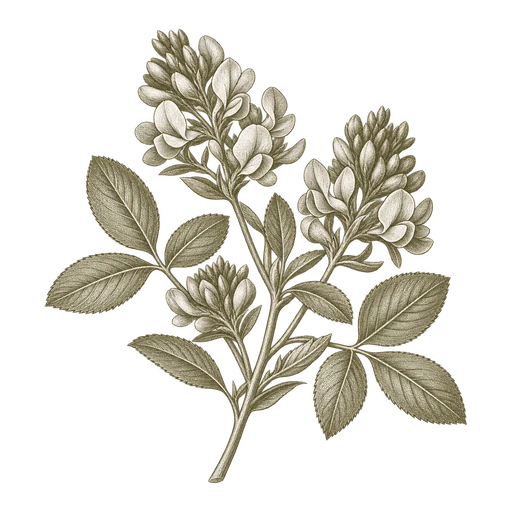
Alfalfa is a forage legume sourced as hay, silage, meal or pellets for livestock feed. Match the form to receiving and ration needs, then compare a lot-specific analysis on a consistent basis.
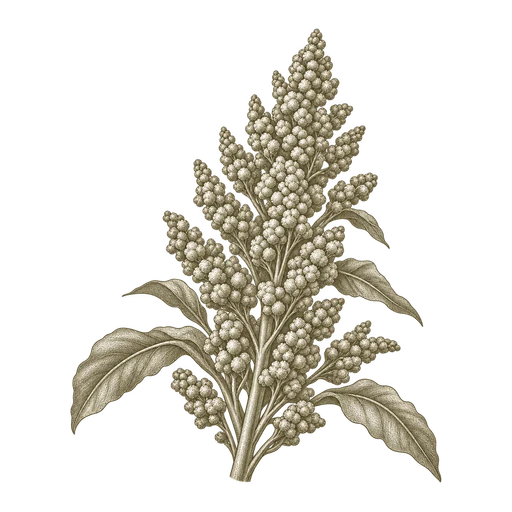
Explore ingredientAmaranth can be sourced as grain, leaf meal or whole-plant forage, and those forms are not interchangeable in feed formulation. Specify the plant material, species and processing method, then compare lot analysis suited to the intended animal and use.
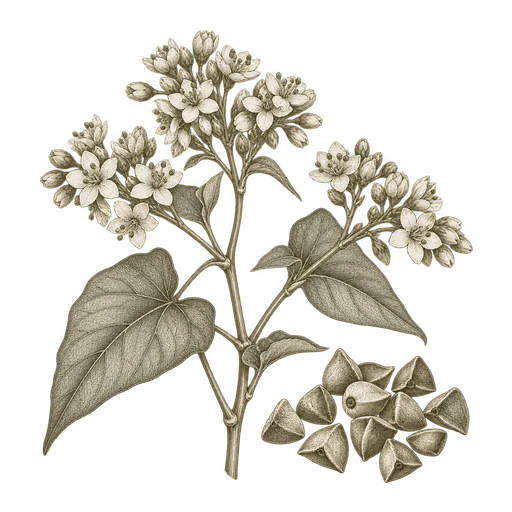
Explore ingredientBuckwheat is sourced as whole seed, dehulled groats, flour and milling by-products for food and feed uses. Choose the form and processing status for the intended use, and compare lot quality on a clearly stated basis.
Explore ingredientMilo is another name for grain sorghum, the seed of Sorghum bicolor. In feed use it is a starch-rich energy grain; the name does not specify its grade, tannin level, or processing.
Whole milo has not been ground or otherwise processed. Ground, rolled, steam-flaked, and pelleted forms differ in particle size and processing, which can affect handling and starch accessibility. The appropriate form depends on the species, ration, and facility.
The offered form and quality requirements, order quantity, destination, timing, and freight all affect a delivered quote. Provide those details together so the broker can evaluate the complete requirement.
Send your volume, destination, and key specifications. A broker can follow up with availability and commercial terms.