Independent sourcing. Better connections.Commercial buyers · Bulk ingredients
topic

Grain quality and grading

Grain quality and grading covers several distinct commodities, not one shared scoring system. Explore buyer considerations for durum, green lentils, millet and milo, including how to interpret grade factors, inspection bases and end-use specifications when comparing bulk lots.

14 ingredients6 published Insights
EXPLORE THE COLLECTION

Grain quality and grading ingredients

Grains

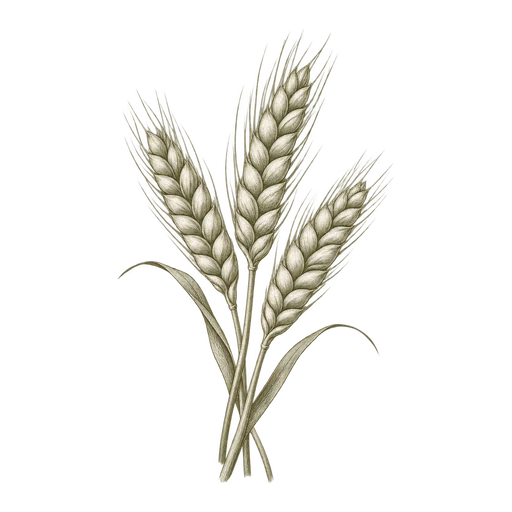
Barley

Barley is a cereal grain used in cattle feed, malting, food and industrial processing. Whole and processed forms serve different needs; identify the intended use, processing state and receiving requirements when sourcing a bulk order.

Explore ingredient
Grains

Brewers Rice

Brewers rice is a broken-rice milling fraction used in brewing, fermented products and animal feed. Compare broken, granulated or ground forms and review lot-specific physical and analytical details before sourcing in bulk.

Explore ingredient
Feed Ingredients

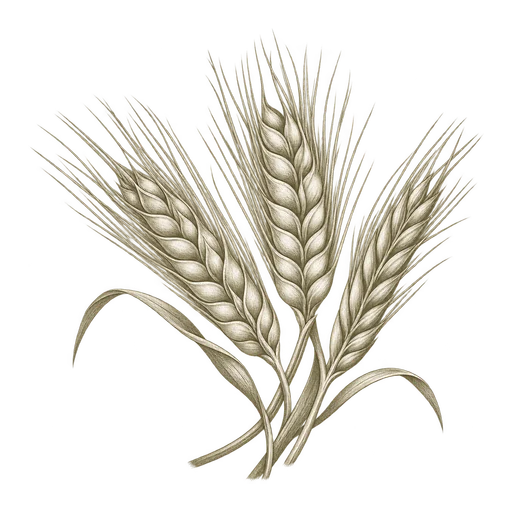
Durum

Durum is a hard, amber-grained wheat used chiefly for semolina and pasta production. Compare grain form, class or subclass, grade and milling-related analyses when defining a bulk requirement.

Explore ingredient
Pulses

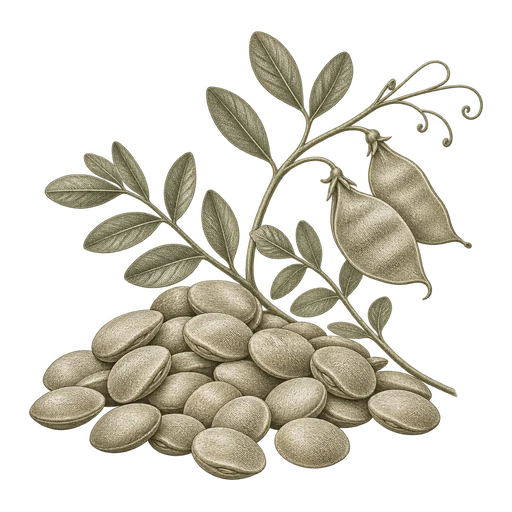
Green Lentils

Green lentils are dry pulse seeds sold in forms such as whole, split, dehulled and flour. Compare the processing form, grade documentation, color, moisture and cleanliness against the needs of your food process or reviewed feed formulation.

Explore ingredient
Grains

Millet

Millet covers several small-grained cereal crops used in food and feed. Compare species, whole or milled form, and lot quality details to match the grain to your process, formulation, and storage plan.

Explore ingredient
Grains

Milo

Milo is grain sorghum used as a starch-rich energy grain in animal feed. Compare whole and processed forms, then match quality measures and receiving details to the species, ration, and facility.

Explore ingredient
Other Seeds & Grains

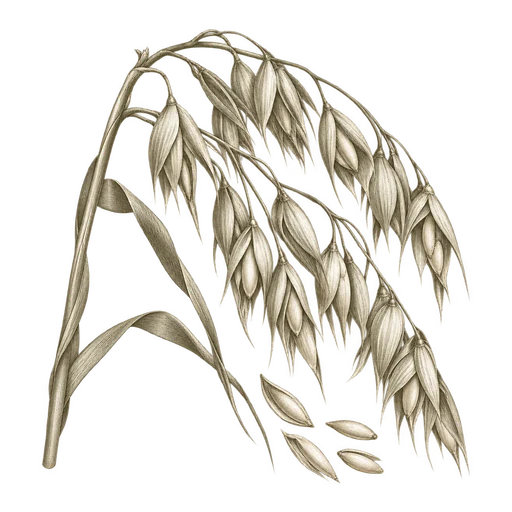
Oat Groats

Oat groats are dehulled oat kernels used in food processing and feed formulations. Specify whole or cut form and processing history, then compare relevant quality measures on a consistent basis.

Explore ingredient
Feed Ingredients

Oats & Oat Products

Oats are sourced as whole grain and as distinct products such as groats, flakes, flour, bran and hulls. Match the form and its analysis to the food or feed application, then plan bulk receiving and storage around that specific material.

Explore ingredient
Feed Ingredients

Red Millet

Red millet is a color-described grain used in feed and birdseed markets, but the name does not establish its species. Compare botanical identity, whole or processed form, hull status and lot analysis to match the grain to its intended use and receiving setup.

Explore ingredient
Milo (Sorghum)

Red Milo

Red milo is red-pericarp grain sorghum used as an energy ingredient in animal feed. Color does not establish tannin status, so compare the lot’s identity, physical quality and nutrient analysis, and choose whole or processed grain to match the feeding or milling system.

Explore ingredient
Feed Ingredients

Sorghum/Milo

Sorghum, also called milo, is a cereal grain used in livestock diets and some human foods. Compare whole, rolled or ground forms, physical grade measures and use-specific analysis to match the grain to your receiving system and formulation.

Explore ingredient
Milo (Sorghum)

White Milo

White milo is white-class grain sorghum sold for feed and, when the lot meets end-user requirements, food processing. Compare whole and processed forms, grain condition, and the analysis and handling details your use requires.

Explore ingredient

Different crops, different grading systems

Grain quality is not a single score shared across commodities. Durum is a wheat class, green lentils are identified by their color class and condition, and milo is commonly used to refer to grain sorghum. Each has distinct identity and grading considerations. Millet requires extra care: buyers should request the applicable specification and test basis rather than assume it follows the same system as wheat or sorghum.

For durum and sorghum, grade factors can include test weight, foreign material and damaged or broken kernels. Lentil assessments can consider splits, color, damage, moisture, odor and infestation. Which measures matter depends on the commodity and inspection basis.

A grade is not an end-use guarantee

A grade describes defined factors; it does not by itself confirm suitability for a particular mill, food product or feed formulation. For example, durum protein can matter to pasta performance even though it is not an official wheat grading factor. A buyer may therefore need end-use tests alongside the grade.

For milo, confirm that the paperwork identifies the commodity as sorghum and states its class where applicable. For green lentils, check whether results refer to thresher-run or dockage-free lentils. These distinctions affect how to interpret the inspection.

Compare lots on a clear basis

Before comparing offers, identify the exact commodity and form, grade or buyer specification, class or subclass where applicable, and inspection basis. Review recent results for a representative sample, including the sampling identity and test methods. Make sure moisture and foreign-material results are stated on a basis you can compare.

Set acceptance criteria around the intended use, including relevant condition or processing measures. A grade alone does not establish food-safety compliance or prove suitability for food, feed or pet food. Confirm lot-specific handling and storage terms separately from quality measures.

Common questions.

Can I compare durum, green lentils, millet and milo using one grade scale?+

No. Their identity rules, grading factors and inspection bases differ. Compare specific test results only when the commodity, method and measurement basis are clear.

Does a higher grade guarantee better processing performance?+

No. A grade covers defined factors, while processing needs can require additional tests. For durum, for example, protein may matter to pasta performance beyond the official grade.

What should I check on a green lentil inspection?+

Confirm the lentil form and whether the results refer to thresher-run or dockage-free lentils. Review the stated condition factors, such as splits, color, moisture, odor and damage.

What grading basis should I request for millet?+

Request the actual lot specification, grading or inspection basis, test methods and results. Do not assume a wheat or sorghum standard applies to millet.

Grain quality and grading · BUYER INSIGHTS

Go deeper before you source.

Focused guides to the specification, application, and delivery questions behind this ingredient.

FIELD GUIDE01Grain quality and grading
Buyer’s guide

White Milo Storage and Receiving: Moisture, Aeration, and Delivery Planning

Plan bulk white milo receiving around lot moisture, unloading capacity and sorghum’s higher resistance to airflow than corn. Match storage and aeration decisions to the grain’s condition and your facility.

Read this Insight
FIELD GUIDE02Grain quality and grading
Buyer’s guide

Processing White Milo for Cattle: Whole, Rolled, or Ground?

Whole, rolled, cracked and ground white milo differ in how much of the kernel is exposed and how readily cattle can access its starch. Compare forms in the context of the complete ration and feeding program.

Read this Insight
FIELD GUIDE03Grain quality and grading
Buyer's guide

White Milo Grade and Analysis: Which Measures Should Buyers Compare?

A buyer’s guide to distinguishing white milo class from grade and lot analysis, and comparing quality measures against a defined end use.

Read this Insight
FIELD GUIDE04Grain quality and grading
Buyer’s guide

Bulk Wheat Shipping and Storage: Documents, Handling, and Handoff Checks

A practical bulk wheat guide to planning shipment responsibilities, protecting cargo condition, matching records, coordinating sampling, and preparing for receipt and storage.

Read this Insight
FIELD GUIDE05Grain quality and grading
Buyer’s guide

Choosing Wheat for Bread Flour: Match Wheat Characteristics to Milling Goals

A practical guide to evaluating wheat for bread flour: connect grain characteristics and flour tests to the dough and baking performance your mill needs.

Read this Insight
FIELD GUIDE06Grain quality and grading
Buyer’s guide

Wheat Specifications: How to Compare Protein, Moisture, and Grade Requirements

Compare wheat specifications by separating grade and class from measured protein and moisture. Align reporting basis, test method, sampling and tolerances before making contract requirements.

Read this Insight