Multiple moisture levels
Fresh and pressed pulp retain substantial water, while dried pulp is much lower in moisture. This difference affects shipment weight and how quickly feed must be used or preserved.
Ingredient intelligence · quote-ready sourcing
Citrus pulp is a citrus-juice-processing residue used in livestock feed as an energy and fiber ingredient. Compare whole, pressed, dried or pelleted forms by moisture, handling needs and current lot analysis before arranging a bulk order.
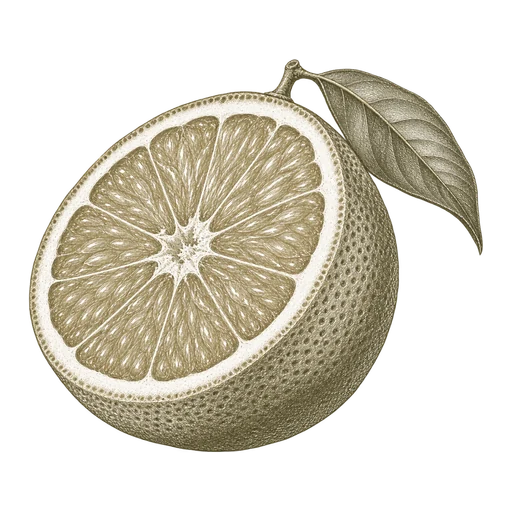
Citrus pulp is a residue from citrus-juice processing, made up of peel and inner fruit material, sometimes with cull fruit. Juice or peel oil may be extracted during processing, and a neutralizing agent such as calcium carbonate may be added.
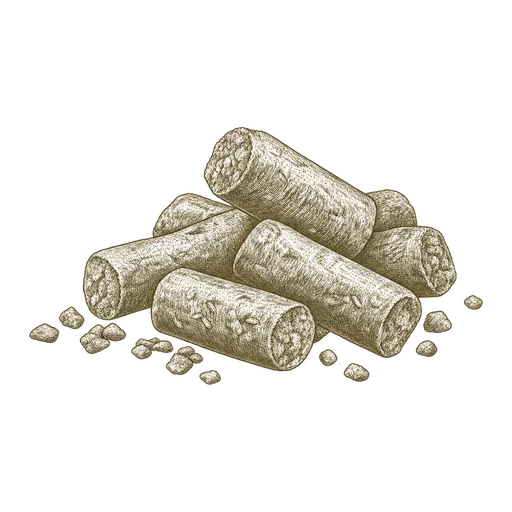
Whole or fresh, pressed, dried and pelleted forms differ in moisture and handling. Pressing removes some water; drying removes more, and dried pulp is commonly pelleted to facilitate transportation. Form therefore affects both freight weight and the receiving and storage plan.
Fresh and pressed pulp retain substantial water, while dried pulp is much lower in moisture. This difference affects shipment weight and how quickly feed must be used or preserved.
Citrus pulp is used as a digestible, low-protein, high-fiber energy supplement for beef cattle. Its contribution should be assessed alongside the other ingredients in the ration.
Citrus type, residue proportions and processing choices change composition. A neutralizer such as calcium carbonate can affect calcium, so process details help explain differences between lot analyses.
| Characteristic | Why it matters |
|---|---|
| Moisture or dry matter | Shows how much water is present and helps distinguish fresh, pressed and dried forms. |
| Crude protein | Helps a nutritionist assess the ingredient's contribution within the complete ration. |
| Fiber, including NDF | Describes a relevant part of the feed profile for ration evaluation. |
| Ash and calcium | Help characterize the mineral fraction; added neutralizer can affect calcium. |
| Sugars or other energy measures | Help assess the ingredient's energy contribution in the intended ration. |
| Processing and neutralizer use | Citrus source, molasses handling and added neutralizer can contribute to lot-to-lot differences. |
Request a current lot analysis. Check whether values are reported as-fed or on a dry-matter basis before comparing offers; there is no single composition that describes every citrus pulp lot.
For beef cattle, citrus pulp is used as a digestible, low-protein, high-fiber energy supplement. It should be evaluated as one part of the complete ration, not as a stand-alone source of protein. Growing-cattle recommendations do not automatically apply to other classes of cattle or species.
Citrus pulp is also used in dairy-cattle rations, where its role depends on the ingredients it replaces and the rest of the diet. Whole or pressed pulp preserved by ensiling has also been used in finishing-pig diets. These feed uses do not establish suitability for pet food or human food.
Whole and pressed pulp contain substantial water, so shipping them moves considerably more water than shipping dried pulp. High-moisture pulp also needs prompt use or preservation: feed guidance calls for use within three days of production or ensiling. For ensiled feed, plan to use material within two to three days after it is removed from the ensiling container to limit spoilage and mold risk.
Those timeframes apply to the high-moisture feed forms discussed here, not to dried pulp or pellets. Darkening toward black can indicate overheating. Discuss form-specific storage and handling with the supplier when arranging the order.
Citrus pulp is used as a digestible, low-protein, high-fiber energy supplement. Its role depends on the complete ration; recommendations for growing beef cattle should not be transferred to other cattle classes or species.
Dairy rations can use citrus pulp as a feed ingredient, with its role depending on the formulation and ingredients it replaces. Compare the offered analysis with the nutritionist's requirements rather than assuming one inclusion level.
Whole or pressed citrus pulp preserved by ensiling has been used in finishing-pig diets. This application concerns a specific feed context and does not establish suitability for pet food or human food.
Feed mills and ration formulators can evaluate citrus pulp alongside other ingredients using its current analysis and physical form. Moisture and particle form influence how the material is received and incorporated.
Specify whole or fresh, pressed, dried or pelleted pulp, along with quantity and unit, destination and required timing. Form matters because high-moisture pulp carries more water per shipment and has a different use timetable from dried product.
Describe how the facility unloads and handles the chosen form, including any packaging or bulk-receiving constraints. Whole and pressed pulp require arrangements suited to high-moisture material; dried pellets have different physical handling needs.
For whole or pressed high-moisture pulp, arrange use within three days of production or preservation by ensiling. For ensiled feed, plan to use it within two to three days after removal from the ensiling container; these timeframes do not apply to dried pulp or pellets.
Alfalfa is a forage legume sourced as hay, silage, meal or pellets for livestock feed. Match the form to receiving and ration needs, then compare a lot-specific analysis on a consistent basis.
Explore ingredientAlfalfa meal is ground forage used in animal feed, with sun-cured and dehydrated processing routes and meal or pellet forms. Compare the offered process, physical form and analysis against the needs of the species and feed formulation.
Explore ingredientAlfalfa pellets are ground, compressed forage used in livestock feeding and compound feeds. Compare the drying process, alfalfa material, forage analysis and pellet characteristics to choose a form that fits your ration and receiving setup.
Explore ingredientBeet pulp pellets are a dried, compacted sugar beet co-product used as a fibrous, energy-bearing ingredient in livestock feed. Compare molasses status, lot analysis and pellet handling needs to match the product to your ration and receiving setup.
Explore ingredientFeed forms include whole or fresh pulp, pressed pulp, dried pulp and dried pellets. Whole and pressed pulp are high in moisture and need prompt use or preservation; dried pellets are a lower-moisture form commonly made to facilitate transportation.
Compare a current lot analysis for moisture or dry matter, crude protein, fiber such as NDF, ash, sugars and calcium as relevant to the ration. Check whether results are reported as-fed or on a dry-matter basis, and ask whether a neutralizing agent was used because processing can affect calcium.
Whole and pressed pulp should be used within three days of production or preserved by ensiling. For ensiled feed, plan to use it within two to three days after removal from the ensiling container. These recommendations are for high-moisture pulp, not dried pulp or pellets.
Send your volume, destination, and key specifications. A broker can follow up with availability and commercial terms.