Grains
Alfalfa
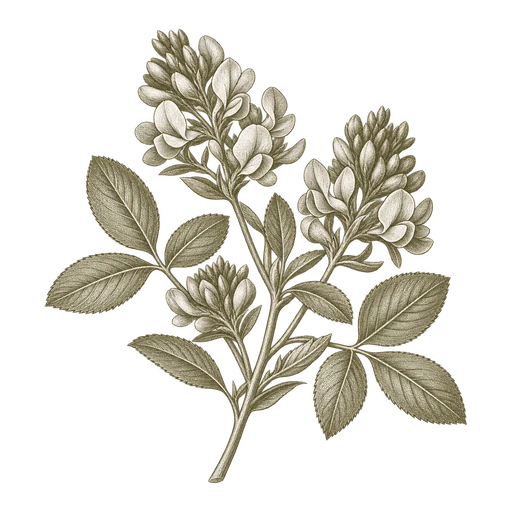
Alfalfa is a forage legume sourced as hay, silage, meal or pellets for livestock feed. Match the form to receiving and ration needs, then compare a lot-specific analysis on a consistent basis.
Explore ingredientCitrus pulp can contribute energy and fiber to growing beef cattle rations, but its analysis must be evaluated alongside forage, protein and every other ration component.
Citrus pulp is a fruit-processing co-product used in livestock feed. In beef cattle rations, it is valued as a low-protein, high-fiber energy ingredient. Its role is to contribute energy and fiber—not to serve as a protein source or as a complete feed.
That distinction matters when formulating for growing cattle. Growth depends on the balance of energy, protein, forage, minerals and other ration components. Citrus pulp can contribute to the energy side of that balance, but its inclusion does not by itself meet a growing animal’s protein or overall nutrient requirements. The complete ration, rather than any single ingredient, determines whether those needs are addressed.
Citrus pulp’s fiber can be used as an energy source in ruminant diets. But a fiber analysis alone does not tell you whether an ingredient supplies the physical structure of long forage. Ground or compacted feed ingredients do not automatically replace the forage component needed to maintain the intended ration structure.
When evaluating citrus pulp, keep these two questions separate: how does it contribute nutrients, and how does the ration provide appropriate forage? A form that is easy to blend or handle may still have a different physical role from hay or other long forage. Formulation should account for both nutrient contribution and the physical characteristics of the whole diet.
The label “citrus pulp” does not provide enough information to calculate its contribution to a particular ration. Nutrient composition can differ among offers, so a nutritionist needs the actual product analysis and a clear basis for comparing it with the other feed ingredients. Relevant information may include energy, protein, fiber, moisture and minerals where those values are available and important to the formulation.
Analysis is useful only in context. For example, a nutritionist can use protein information to assess how the ingredient fits alongside the ration’s other protein sources; energy and fiber measures help evaluate its contribution relative to other ingredients. Moisture can also affect how a product is handled and how its analysis is interpreted. Comparing values on the same basis helps avoid treating unlike analyses as directly equivalent.
Use the analysis for the specific product under consideration, not a generic value for citrus pulp. A qualified cattle nutritionist can assess the intended cattle class, forage base, other ingredients and feeding objectives together. This is especially important when changing a ration: replacing one ingredient with another changes more than a single nutrient.
Growing beef cattle are not interchangeable with mature maintenance animals, finishing cattle, dairy cattle or other species. Their nutrient needs depend on factors such as body size, growth objectives, forage and the rest of the feeding program. An ingredient that contributes useful energy in one formulated ration should not be assumed to suit another class or species in the same way.
For growing cattle, the practical question is whether citrus pulp complements the current ration while leaving protein, forage and other required nutrients appropriately balanced. It should not be treated as a stand-alone growth supplement or as a guaranteed replacement for grain, forage or protein ingredients. Any formulation decision—including how much to include—belongs with a qualified nutritionist using the actual ingredient analysis and the full ration.
Before sourcing, identify the form your feeding and handling system can use, the quantity required, and the analysis your nutritionist needs to evaluate the product. Share the intended cattle class and ration context when requesting product information; that helps keep the purchasing discussion tied to the formulation rather than to the ingredient name alone.
Citrus pulp can be a useful energy-and-fiber component when it fits the complete ration. It is not a substitute for ration balancing, and its use should not be carried over automatically to other cattle classes or species. For product details and sourcing, visit the [Citrus Pulp](/ingredients/citrus-pulp) page.
No. Citrus pulp is a low-protein energy and fiber ingredient. The ration needs an appropriate protein source where required, assessed alongside citrus pulp and the other ingredients.
Do not assume it can. Its fiber contribution is not the same as the physical structure provided by long forage. A nutritionist should evaluate both nutrient composition and forage in the complete ration.
Use the analysis for the product being considered and assess it against the whole ration, including the cattle’s growth objectives, forage, protein and other ingredients. Ask a qualified nutritionist to determine whether and how it fits; do not infer an inclusion rate from the ingredient name alone.
Focused guides to the specification, application, and delivery questions behind this ingredient.
A practical receiving and storage guide for bulk citrus pulp, distinguishing high-moisture whole or pressed pulp from dried and pelleted forms.
Read this InsightA practical guide to comparing citrus pulp analysis on a consistent basis, understanding processing context and using current lot results without assuming a universal target profile.
Read this InsightAlfalfa is a forage legume sourced as hay, silage, meal or pellets for livestock feed. Match the form to receiving and ration needs, then compare a lot-specific analysis on a consistent basis.
Explore ingredientAlfalfa meal is ground forage used in animal feed, with sun-cured and dehydrated processing routes and meal or pellet forms. Compare the offered process, physical form and analysis against the needs of the species and feed formulation.
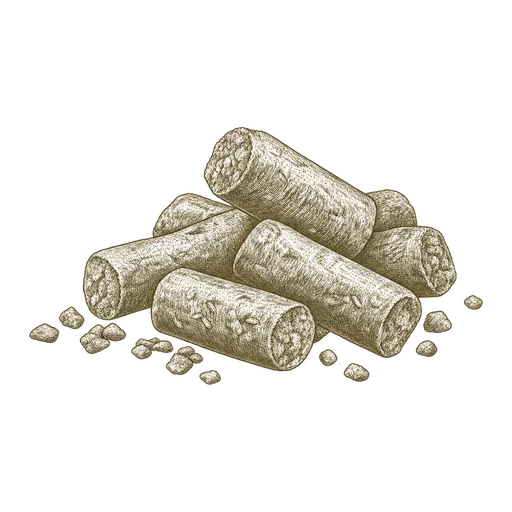
Explore ingredientAlfalfa pellets are ground, compressed forage used in livestock feeding and compound feeds. Compare the drying process, alfalfa material, forage analysis and pellet characteristics to choose a form that fits your ration and receiving setup.
Explore ingredientBeet pulp pellets are a dried, compacted sugar beet co-product used as a fibrous, energy-bearing ingredient in livestock feed. Compare molasses status, lot analysis and pellet handling needs to match the product to your ration and receiving setup.
Explore ingredient