Independent sourcing. Better connections.Commercial buyers · Bulk ingredients
tag

Ruminant nutrition

A collection of bulk ingredients relevant to cattle nutrition, featuring fresh cull cabbage and citrus pulp. Compare their distinct feed roles, moisture and form, handling needs, and lot-specific analyses before considering them within a ration.

3 ingredients6 published Insights
EXPLORE THE COLLECTION

Ruminant nutrition ingredients

Dried Vegetables

Cabbage

Cabbage feed can mean whole cull vegetables or leaves and cores from sauerkraut processing. These high-moisture materials differ in composition and handling, so compare the specific stream, current analysis and receiving plan before buying for cattle.

Explore ingredient

Feed Ingredients

Citrus Pulp

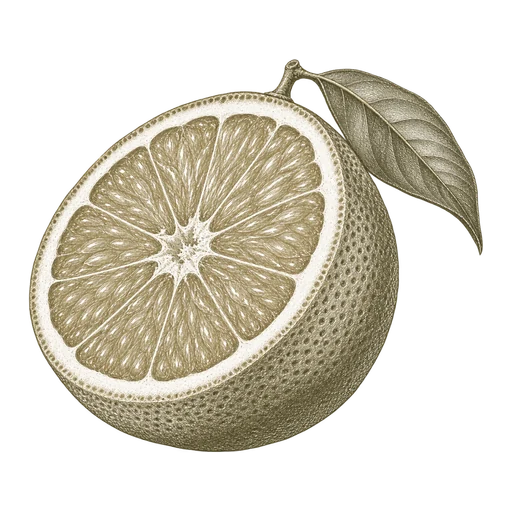
Citrus pulp is a citrus-juice-processing residue used in livestock feed as an energy and fiber ingredient. Compare whole, pressed, dried or pelleted forms by moisture, handling needs and current lot analysis before arranging a bulk order.

Explore ingredient

Ingredients in this collection

This collection brings together cabbage and citrus pulp as two distinct ingredients considered in cattle nutrition. They are not interchangeable: fresh cull cabbage is a high-moisture vegetable by-product, while citrus pulp is a citrus-processing co-product used primarily as an energy ingredient.

The available feeding evidence concerns cattle. It does not establish equivalent guidance for sheep, goats, or other species, and neither ingredient should be assumed to provide a complete ration.

Different feed roles and forms

Fresh cabbage supplies relatively little dry matter for its delivered weight, so moisture, condition, and time from delivery to use are central considerations. Its nutrient content can vary, making a lot analysis more useful than relying on a general reference value.

Citrus pulp supplies energy through soluble carbohydrates and digestible fiber rather than cereal-like starch, and it is low in protein. Wet pulp, dried pulp, meal, and pellets differ in moisture and handling; processing can also affect nutrient and mineral composition.

What to check before buying

For cabbage, assess freshness, spoilage risk, dry matter, and whether the receiving and feeding schedule suits a perishable material. Fresh vegetable by-products have short storage life, especially in warm, humid conditions.

For citrus pulp, confirm the exact form and request an analysis relevant to the lot, including dry matter and mineral values. Compare ingredients within the full ration rather than treating either as a stand-alone feed or assuming a single inclusion level suits every animal and diet.

Common questions.

Are cabbage and citrus pulp interchangeable in cattle diets?+

No. Cabbage is a high-moisture fresh vegetable by-product, while citrus pulp is an energy ingredient whose form and processing affect its handling and composition.

What should I check when buying bulk cabbage for feed?+

Check condition, moisture or dry matter, spoilage, and how quickly the material can be used after delivery. A lot-specific analysis helps account for nutrient variability.

Does citrus pulp have the same specifications in every form?+

No. Wet, dried, meal, and pelleted pulp differ in moisture and handling, and processing can change nutrient and mineral levels. Confirm the form and analysis for the lot.

Can either ingredient serve as a complete cattle ration?+

Neither should be assumed to be complete. Cabbage contributes limited dry matter per delivered weight, and citrus pulp is low in protein; evaluate each as part of a balanced ration.

Ruminant nutrition · BUYER INSIGHTS

Go deeper before you source.

Focused guides to the specification, application, and delivery questions behind this ingredient.

FIELD GUIDE01Ruminant nutrition
Buyer’s guide

Soybean Meal Bulk Receiving and Storage: Questions for Buyers and Facilities

A practical pre-shipment guide to coordinating bulk soybean meal delivery, receiving equipment, lot paperwork, sampling and dry, clean storage.

Read this Insight
FIELD GUIDE02Ruminant nutrition
Buyer’s guide

Evaluating Soybean Meal for Dairy Cattle Rations: A Formulation Checklist

A dairy ration decision starts with the complete diet: forage, animal group, other protein sources, and the nutritionist’s nutrient and amino-acid targets. This checklist explains how to evaluate soybean meal’s role and what offer details to discuss before sourcing.

Read this Insight
FIELD GUIDE03Ruminant nutrition
Buyer’s guide

How to Compare Soybean Meal Protein Values on As-Fed and Dry-Matter Bases

Soybean meal protein percentages reported as-fed and on a dry-matter basis cannot be compared directly. Align moisture, reporting basis, method information, and the context of each COA before evaluating supplier values.

Read this Insight
FIELD GUIDE04Ruminant nutrition
Buyer’s guide

Planning bulk citrus pulp receiving and storage

A practical receiving and storage guide for bulk citrus pulp, distinguishing high-moisture whole or pressed pulp from dried and pelleted forms.

Read this Insight
FIELD GUIDE05Ruminant nutrition
Buyer’s guide

Citrus pulp in beef cattle rations: understanding its role

Citrus pulp can contribute energy and fiber to growing beef cattle rations, but its analysis must be evaluated alongside forage, protein and every other ration component.

Read this Insight
FIELD GUIDE06Ruminant nutrition
Buyer’s guide

How to compare citrus pulp analysis and processing details

A practical guide to comparing citrus pulp analysis on a consistent basis, understanding processing context and using current lot results without assuming a universal target profile.

Read this Insight