Independent sourcing. Better connections.Commercial buyers · Bulk ingredients
tag

Livestock feed

Livestock feed covers a varied set of bulk ingredients, from grains and pulses to processing co-products. Compare each lot by its verified identity, physical form, analysis and storage needs; the tag alone does not establish nutritional equivalence or suitability for a particular animal.

15 ingredients6 published Insights
EXPLORE THE COLLECTION

Livestock feed ingredients

Pulses

Austrian Winter Peas

Austrian winter peas are a field pea type supplied for uses including cover cropping, forage and livestock feed. Specify whether you need planting seed, dry grain, hay or silage, since each form serves a different purpose and has different quality considerations.

Explore ingredient
Starches/Fibers/Proteins

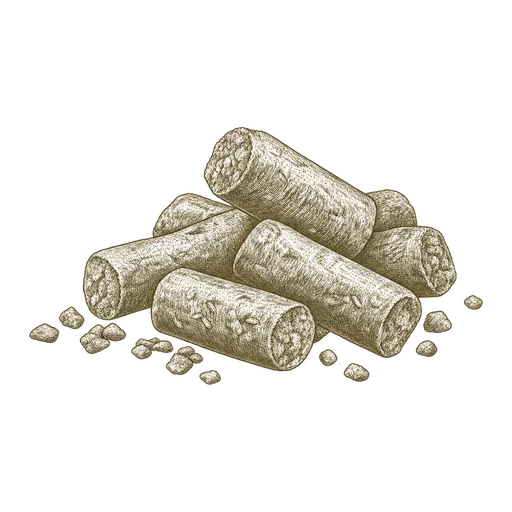
Beet Pulp Pellets

Beet pulp pellets are a dried, compacted sugar beet co-product used as a fibrous, energy-bearing ingredient in livestock feed. Compare molasses status, lot analysis and pellet handling needs to match the product to your ration and receiving setup.

Explore ingredient
Dried Vegetables

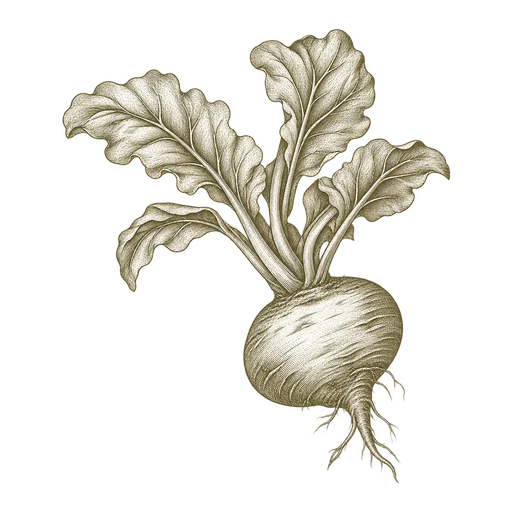
Beets

Sugar beet pulp is the fibrous residue left after sugar extraction and is used in livestock feed. Buyers can source moist pressed or dried shredded and pelleted forms; moisture, analysis and receiving needs determine which form fits a feed program.

Explore ingredient
Feed Ingredients

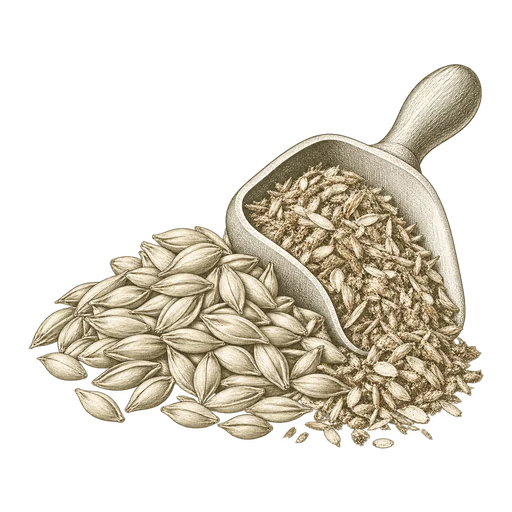
Brewer’s Grain

Brewer’s grain, or brewers’ spent grain, is a brewing co-product used particularly in cattle feed. Wet and dried forms differ in moisture, transport burden and storage needs; compare the offered form and lot analysis with your ration and receiving setup.

Explore ingredient
Feed Ingredients

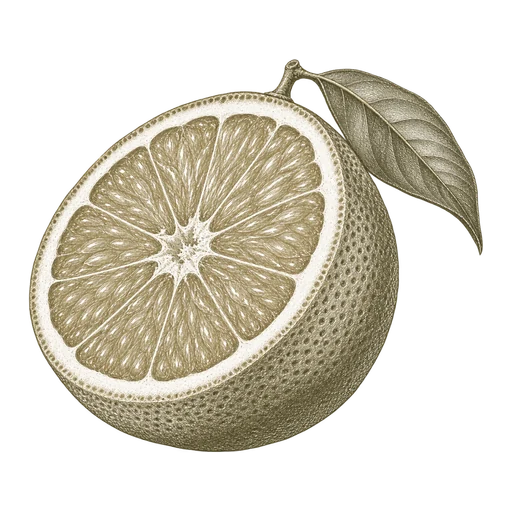
Citrus Pulp

Citrus pulp is a citrus-juice-processing residue used in livestock feed as an energy and fiber ingredient. Compare whole, pressed, dried or pelleted forms by moisture, handling needs and current lot analysis before arranging a bulk order.

Explore ingredient
Millet

Golden German

Golden German is a warm-season foxtail millet grown primarily as forage for hay, green feed, silage and swath grazing. Compare the offered form, harvest maturity and current forage analysis to match the material to your storage, receiving and livestock needs.

Explore ingredient
Grains

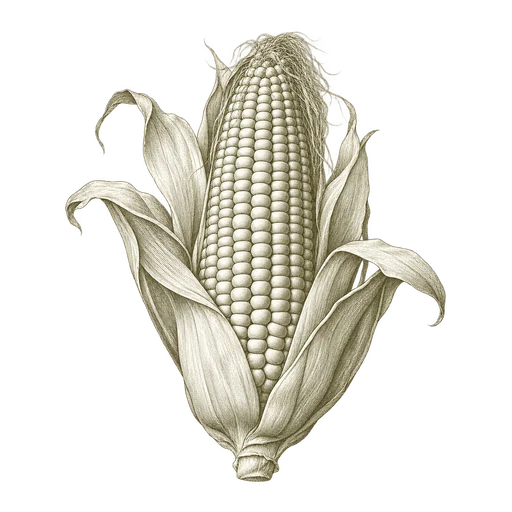
Ground Corn

Ground corn is milled corn grain used as an energy ingredient in livestock diets and commercial feed. Because the name does not define grind size, analysis or intended use, buyers should specify the particle-size requirement and quality measures that fit their process.

Explore ingredient
Feed Ingredients

Hominy

Hominy feed is a variable corn-milling co-product used in livestock diets, distinct from nixtamalized food hominy. Compare the actual physical form and lot analysis, then evaluate its role in the complete ration and plan receiving and moisture-conscious storage.

Explore ingredient
Dried Vegetables

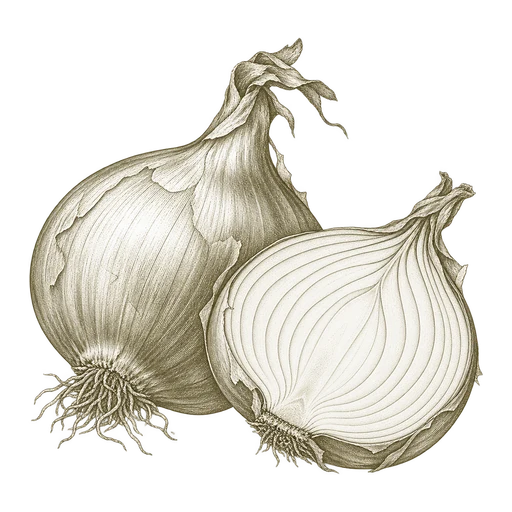
Onions

Cull onions are water-rich bulbs rejected from the fresh market, with feed-use evidence specific to particular forms and livestock trials. Compare form, moisture, condition and intended species before arranging a bulk order.

Explore ingredient
Feed Ingredients

Pea Screenings

Pea screenings are a variable grain-cleaning fraction used in livestock feed formulation. Compare whether the lot is pea-only or mixed pulse material, its physical form, analysis basis and foreign-material profile before deciding whether it fits your ration and receiving equipment.

Explore ingredient
Peanuts

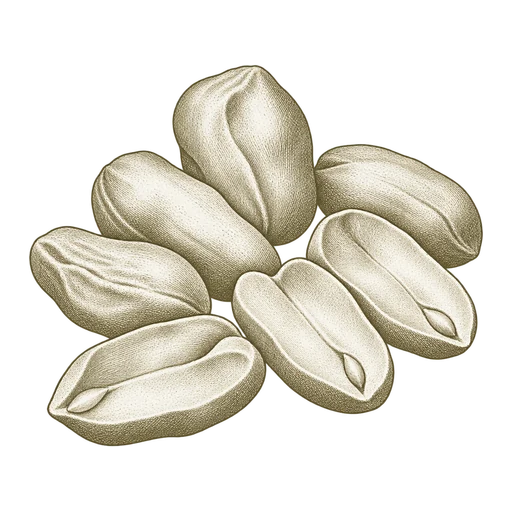
Peanut Meal

Peanut meal is a ground, oil-removed peanut ingredient used as a protein source in livestock feed. Extraction method and hull content affect its analysis, so compare lot-specific composition and aflatoxin information before matching a bulk offer to a feed formulation.

Explore ingredient
Milo (Sorghum)

Red Milo

Red milo is red-pericarp grain sorghum used as an energy ingredient in animal feed. Color does not establish tannin status, so compare the lot’s identity, physical quality and nutrient analysis, and choose whole or processed grain to match the feeding or milling system.

Explore ingredient
Feed Ingredients

Sorghum/Milo

Sorghum, also called milo, is a cereal grain used in livestock diets and some human foods. Compare whole, rolled or ground forms, physical grade measures and use-specific analysis to match the grain to your receiving system and formulation.

Explore ingredient
Grains

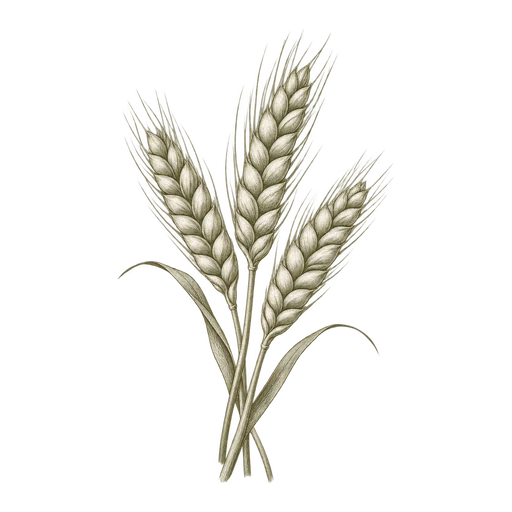
Triticale

Triticale is a wheat–rye cereal grain used mainly in livestock feed, with separate food and forage applications. Compare whole or processed forms and evaluate each lot’s condition and analysis against its intended use.

Explore ingredient

One tag, several ingredient roles

This collection spans cereal grains and grain forms, pulses, processing co-products and other crop materials. Cracked Corn, Ground Corn, Red Milo, Sorghum/Milo and Triticale are grain examples; Austrian Winter Peas and Pea Screenings represent pulse materials. Beet Pulp Pellets, Brewer’s Grain, Citrus Pulp and Peanut Meal are processing co-products, while Beets and Onions are also listed.

These materials are not interchangeable just because they share a livestock-feed tag. Their nutrient contribution and suitability depend on ingredient identity, processing, lot analysis, the animal species and the rest of the ration. Treat the collection as a way to explore options, not as a single feed class with uniform nutritional value.

Compare form and analysis, not just names

Processing and physical form influence how an ingredient handles and fits a ration. Ground and cracked corn differ in particle size, while a product name alone may not establish whether a co-product is wet, dry or pelleted. Confirm the exact form and ingredient identity for the lot you are evaluating.

Request moisture or dry-matter data and nutrient results such as protein, fiber and starch, with the test basis and sample date. Comparing wet and dry materials by delivered weight alone can be misleading; use a consistent dry-matter basis and consider handling and storage alongside price.

Match storage and use to the product

Storage decisions depend on the actual product form: wet materials need suitable moisture management and storage, while dry grains and pellets need protection from moisture and spoilage. Lot-specific testing can help identify changes in composition or quality; do not assume a category label confirms feed safety.

Onions require particular caution and should not be treated as an ordinary livestock-feed option without veterinary and ration guidance. The supplied name “Golden German” does not establish the crop or feed identity, so verify its product description before comparing it with other ingredients.

Common questions.

Can ingredients in this livestock-feed collection substitute for one another?+

Not by category name alone. Compare lot analysis and physical form, then balance the ration for the target species and production stage with a qualified nutritionist.

How should I compare wet and dry feed ingredients?+

Use moisture or dry-matter information to compare materials on a consistent dry-matter basis, and account for storage and handling as well as delivered weight.

What lot details are most useful when evaluating an ingredient?+

Confirm precise identity and form, lot-specific nutrient analysis, moisture or dry matter, test basis and sample date. Ask about relevant safety testing for the product and intended use.

Does the Livestock feed tag mean every listed ingredient is appropriate for every animal?+

No. Feed use depends on species, production stage, ingredient identity, processing and ration balance. Onions require specific veterinary and ration guidance.

Livestock feed · BUYER INSIGHTS

Go deeper before you source.

Focused guides to the specification, application, and delivery questions behind this ingredient.

FIELD GUIDE01Livestock feed
Buyer’s guide

Cracked corn receiving and storage: plan for particle flow

Plan bulk cracked corn receiving around the particle profile your equipment can handle, then protect the ingredient with clean, dry, pest-conscious storage.

Read this Insight
FIELD GUIDE02Livestock feed
Buyer’s guide

Planning bulk triticale grain receiving and storage

Plan a triticale grain order around a clear quantity, destination, receiving method and storage setup. Moisture and grain condition inform storage decisions, while shipment details depend on the offered lot and your facility.

Read this Insight
FIELD GUIDE03Livestock feed
Buyer’s guide

Triticale in swine and poultry diets: formulation questions

Triticale can contribute to swine and poultry diets, but its formulation value depends on the offered grain analysis, NSP characteristics, physical form, animal species and the rest of the ration. Understand those decisions before defining the feed specification and sourcing requirement.

Read this Insight
FIELD GUIDE04Livestock feed
Buyer’s guide

Triticale grain quality: comparing moisture, test weight and condition

Moisture, test weight, foreign material and condition describe different aspects of a triticale lot. Learn how to compare the measures, interpret their limits and request lot-specific records and sampling details.

Read this Insight
FIELD GUIDE05Livestock feed
Buyer’s guide

Planning sorghum (milo) storage and bulk receiving

Plan bulk sorghum (milo) receiving around the grain’s measured moisture, temperature, storage duration, condition, available capacity and the facility’s unloading setup.

Read this Insight
FIELD GUIDE06Livestock feed
Buyer’s guide

Whole, rolled or ground sorghum (milo) for cattle diets

Whole, rolled and ground sorghum differ in how much the kernel is disrupted and how grain moves through a cattle-feeding operation. Compare the form with the ration, processing equipment and handling needs rather than assuming one option fits every diet.

Read this Insight