Independent sourcing. Better connections.Commercial buyers · Bulk ingredients
tag

Citrus co-products

Explore bulk citrus co-products for feed, including Citrus Pulp and Citrus Pulp Pellets. Their names do not establish a common formula or nutrient profile: fruit mix, processing and physical form can vary. Compare the specific lot analysis and handling form, then assess feed use in the context of the complete ration.

2 ingredients6 published Insights
EXPLORE THE COLLECTION

Citrus co-products ingredients

Feed Ingredients

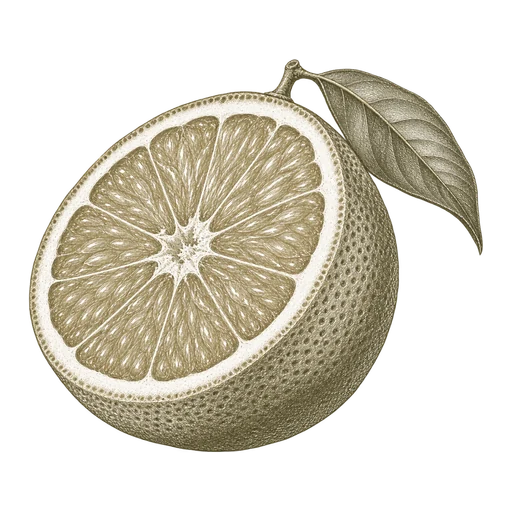
Citrus Pulp

Citrus pulp is a citrus-juice-processing residue used in livestock feed as an energy and fiber ingredient. Compare whole, pressed, dried or pelleted forms by moisture, handling needs and current lot analysis before arranging a bulk order.

Explore ingredient
Feed Ingredients

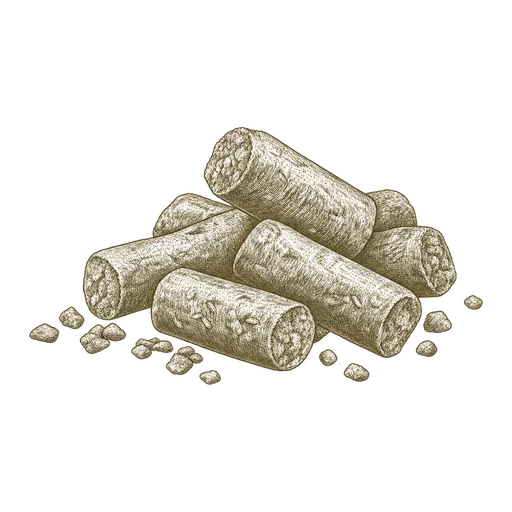
Citrus Pulp Pellets

Citrus pulp pellets are a dried citrus-processing by-product used chiefly as an energy ingredient in ruminant feed. Compare pellet handling, current lot analysis and nutrient reporting basis with your ration and receiving requirements.

Explore ingredient

What this collection covers

Citrus co-products are materials left from citrus processing and used here in a bulk-feed context. This collection includes Citrus Pulp and Citrus Pulp Pellets. The name alone does not define fruit mix, processing method, moisture level or nutrient profile, so buyers should compare the offered form and lot documentation.

Pulp and pellets: form matters

Citrus pulp can refer to material in different forms, including fresh or ensiled material and dried product. Citrus Pulp Pellets are a processed, dried form—not a separate citrus ingredient with a guaranteed formula. Pelleting makes dried pulp more compact and uniform to handle, while loose material and pellets may differ in storage and conveying behavior. Verify the actual form before comparing offers.

Compare the lot and the ration

These ingredients are used as energy feeds in ruminant diets, but no single inclusion rate or shared specification applies across the collection. Request a current analysis with moisture and dry-matter basis clearly stated, along with relevant nutrient and mineral results. Check pellet or particle characteristics, fines, delivery format and dry-storage needs against your receiving system. Formulation should account for the whole ration and animal requirements.

Common questions.

Are Citrus Pulp and Citrus Pulp Pellets nutritionally interchangeable?+

Not automatically. Pellets are a processed form, and composition can vary with citrus mix and processing. Compare analyses for the specific lots and forms.

What analysis should I request?+

Ask for current lot results, including moisture and dry matter, with the basis identified. Request nutrient and mineral data relevant to your ration and confirm the test date.

Is there a standard inclusion rate for citrus co-products?+

No universal rate is established for this collection. Suitability and inclusion depend on the specific product, animal, production stage and complete diet; use qualified ration-formulation advice.

What should I check for bulk handling?+

Confirm whether the material is wet, loose-dried or pelleted, then check its particle or pellet characteristics, fines, delivery format and dry-storage requirements against your equipment.

Citrus co-products · BUYER INSIGHTS

Go deeper before you source.

Focused guides to the specification, application, and delivery questions behind this ingredient.

FIELD GUIDE01Citrus co-products
Buyer’s guide

Receiving and storing bulk citrus pulp pellets

A practical receiving and storage guide for bulk citrus pulp pellets, covering equipment compatibility, density-based capacity planning, moisture protection and the facility details to share before delivery.

Read this Insight
FIELD GUIDE02Citrus co-products
Buyer’s guide

Where citrus pulp pellets fit in a beef-cattle ration

Citrus pulp pellets contribute energy through digestible fiber and non-fiber carbohydrates, offering a different profile from primarily starch-based ingredients. Their role in a beef-cattle ration depends on the product analysis, the full diet, and the animal group.

Read this Insight
FIELD GUIDE03Citrus co-products
Buyer’s guide

How to compare citrus pulp pellets by analysis basis

Compare citrus pulp pellets on a consistent analysis basis. Understand how moisture affects as-fed and dry-matter values, and what to review across the nutrient panel before using figures in a ration.

Read this Insight
FIELD GUIDE04Citrus co-products
Buyer’s guide

Planning bulk citrus pulp receiving and storage

A practical receiving and storage guide for bulk citrus pulp, distinguishing high-moisture whole or pressed pulp from dried and pelleted forms.

Read this Insight
FIELD GUIDE05Citrus co-products
Buyer’s guide

Citrus pulp in beef cattle rations: understanding its role

Citrus pulp can contribute energy and fiber to growing beef cattle rations, but its analysis must be evaluated alongside forage, protein and every other ration component.

Read this Insight
FIELD GUIDE06Citrus co-products
Buyer’s guide

How to compare citrus pulp analysis and processing details

A practical guide to comparing citrus pulp analysis on a consistent basis, understanding processing context and using current lot results without assuming a universal target profile.

Read this Insight