Grains
Alfalfa
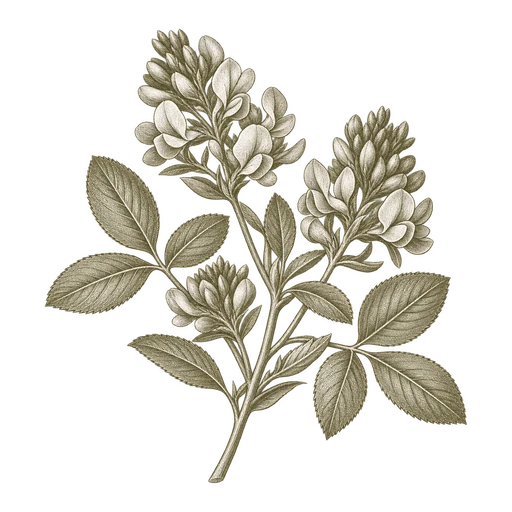
Alfalfa is a forage legume sourced as hay, silage, meal or pellets for livestock feed. Match the form to receiving and ration needs, then compare a lot-specific analysis on a consistent basis.
Explore ingredientA practical receiving and storage guide for bulk citrus pulp, distinguishing high-moisture whole or pressed pulp from dried and pelleted forms.
Receiving plans for citrus pulp depend first on whether the product is high-moisture whole or pressed pulp, or a dried form such as meal or pellets. These are not interchangeable from a handling standpoint. Wet pulp is heavy and perishable, so the receiving plan needs to account for prompt unloading and use or preservation. Dried pulp is easier to store as a dry ingredient, but it still needs protection from moisture and contamination.
Before arranging a shipment, identify the exact form being offered and intended for your operation. “Citrus pulp” alone does not tell a receiving team whether the material will arrive wet or dry, loose or packaged, or in a physical form compatible with its equipment.
Ask how the offered product is packaged and what unloading method it requires. High-moisture pulp may behave differently from a free-flowing dry ingredient, so the unloading plan should be based on the actual consistency and delivery packaging—not assumptions drawn from a previous citrus pulp purchase. Confirm that the receiving point, transfer equipment and available labor can handle that form.
For dried or pelleted pulp, check compatibility with the facility’s bulk receiving or bag-handling setup. Pellets and meal differ in physical form, and the offered packaging or bulk arrangement will determine how they move from delivery into storage or production. Verify packaging and handling requirements for the specific shipment before scheduling arrival.
High-moisture whole or pressed pulp requires a tighter connection between delivery, unloading and use than dried pulp. Plan the destination and arrival around when the ingredient can be incorporated into the ration or moved into an appropriate preservation system. If the material cannot be used promptly, decide on a suitable preservation plan before the shipment arrives rather than treating wet pulp like a dry stored ingredient.
There is no single use window that can be applied to every lot or receiving setup. Moisture condition, handling and preservation all affect how the material should be managed. Establish the plan for the offered product and intended use with the supplier before finalizing timing.
Dried citrus pulp does not have the same immediate moisture-management needs as wet pulp, but it should be kept dry and protected from contamination during storage and handling. Water exposure can compromise a dry ingredient and create storage problems; clean, suitable storage helps maintain the condition needed for feed handling.
Pellets and meal may move differently through storage and feeding equipment. Consider whether the form is compatible with the facility’s conveying, metering and mixing systems, and keep the storage area suitable for the product’s packaging and handling requirements. Do not apply wet-pulp preservation assumptions to a dried product, or dry-product storage assumptions to high-moisture pulp.
A useful receiving plan starts with the product form, order quantity and unit, delivery destination, desired timing and receiving method. Add the packaging or unloading details required at your site, along with the planned use date or preservation arrangement for high-moisture pulp. These details help establish whether the proposed shipment can be received and managed as intended.
For a bulk citrus pulp sourcing request, provide those operational details through the Citrus Pulp page. Exact packaging, handling requirements and commercial delivery terms depend on the product and offer; settle them before committing the receiving schedule.
Plan unloading, use timing and preservation together. Confirm the offered pulp’s condition and packaging, make sure the receiving setup can handle it, and arrange for prompt use or an appropriate preservation method.
No. High-moisture pulp needs attention to prompt handling and preservation, while dried pulp should be kept dry and protected from contamination. Match storage and handling to the actual product form.
Confirm the product form, quantity and unit, destination, timing, packaging, unloading method and receiving constraints. For high-moisture pulp, also establish when it will be used or how it will be preserved.
Focused guides to the specification, application, and delivery questions behind this ingredient.
Citrus pulp can contribute energy and fiber to growing beef cattle rations, but its analysis must be evaluated alongside forage, protein and every other ration component.
Read this InsightA practical guide to comparing citrus pulp analysis on a consistent basis, understanding processing context and using current lot results without assuming a universal target profile.
Read this InsightAlfalfa is a forage legume sourced as hay, silage, meal or pellets for livestock feed. Match the form to receiving and ration needs, then compare a lot-specific analysis on a consistent basis.
Explore ingredientAlfalfa meal is ground forage used in animal feed, with sun-cured and dehydrated processing routes and meal or pellet forms. Compare the offered process, physical form and analysis against the needs of the species and feed formulation.
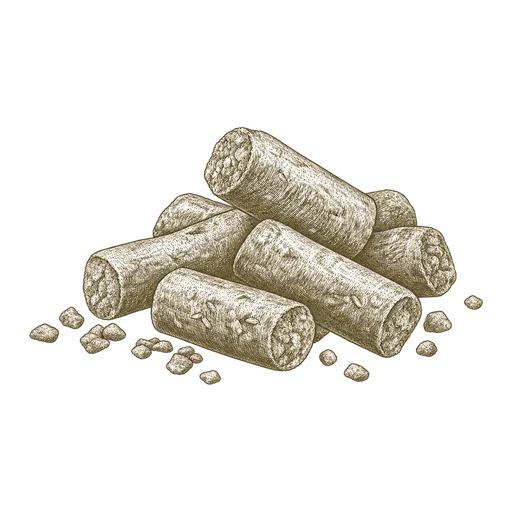
Explore ingredientAlfalfa pellets are ground, compressed forage used in livestock feeding and compound feeds. Compare the drying process, alfalfa material, forage analysis and pellet characteristics to choose a form that fits your ration and receiving setup.
Explore ingredientBeet pulp pellets are a dried, compacted sugar beet co-product used as a fibrous, energy-bearing ingredient in livestock feed. Compare molasses status, lot analysis and pellet handling needs to match the product to your ration and receiving setup.
Explore ingredient