Independent sourcing. Better connections.Commercial buyers · Bulk ingredients
topic

Ingredient handling and storage

Bulk ingredient handling and storage depend on product form, intended use and lot specification. Grains, dried nuts, feed ingredients, powders, fresh produce and oils have different receiving and storage considerations, so buyers should match checks to the ingredient rather than rely on one rule for every bulk product.

120 ingredients6 published Insights
EXPLORE THE COLLECTION

Ingredient handling and storage ingredients

Dried Fruits

Apples

Bulk apples can mean whole fruit, culled apples, dried forms or apple pomace—the residue from pressing apples. Specify the form and intended use first, then compare grade or lot analysis, preservation, receiving needs and storage requirements.

Explore ingredient
Dried Fruits

Apricots

Apricots are sourced fresh or processed into dried fruit and other food forms. Match the form, cut, treatment and quality measures to the intended use, then plan receiving and storage around the product’s handling needs.

Explore ingredient
Pulses

Austrian Winter Peas

Austrian winter peas are a field pea type supplied for uses including cover cropping, forage and livestock feed. Specify whether you need planting seed, dry grain, hay or silage, since each form serves a different purpose and has different quality considerations.

Explore ingredient
Dried Fruits

Avocados

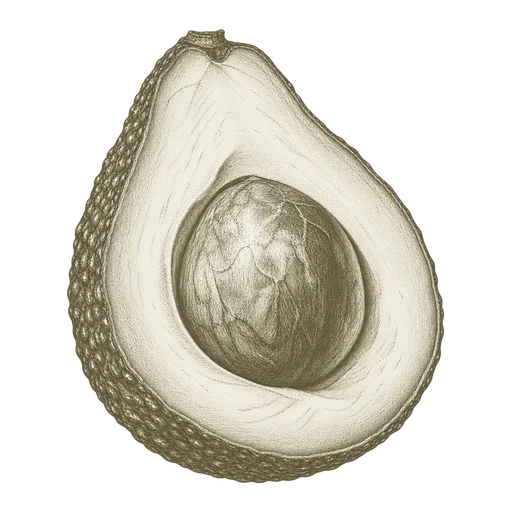
Avocado feed materials include distinct forms such as pulp-and-peel by-product, peel meal and dried meal. Fraction, processing, intended species and handling needs determine what analysis and safety information matter before a bulk purchase.

Explore ingredient
Sunflower Seeds

Bakery Kernels

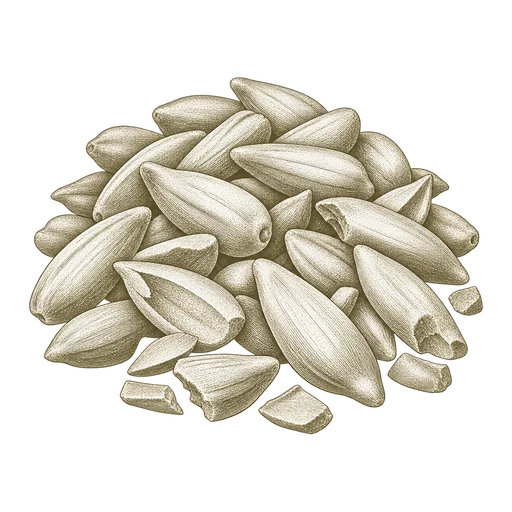
Bakery kernels is a broad label for kernels, seeds or blends used in baked goods—not one standardized ingredient. Specify the species, form and quality needs, since whole, chopped, roasted, ground and blended products differ in recipe role and handling.

Explore ingredient
Dried Fruits

Banana Chips

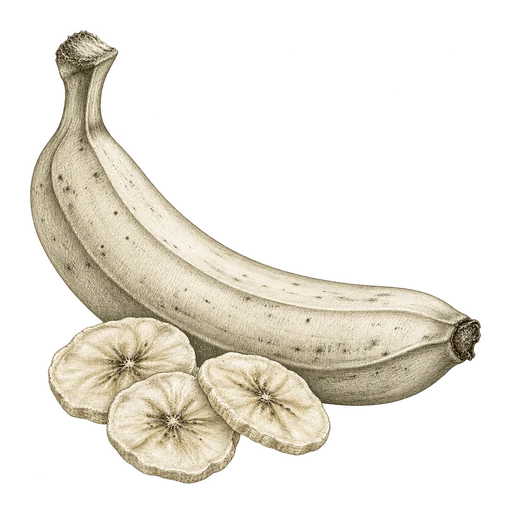
Banana chips include both fried snack slices and dried banana products for food preparation or flour. Identify the process, added ingredients, and intended use before comparing quality measures and bulk shipment terms.

Explore ingredient
Dried Vegetables

Beet Powder

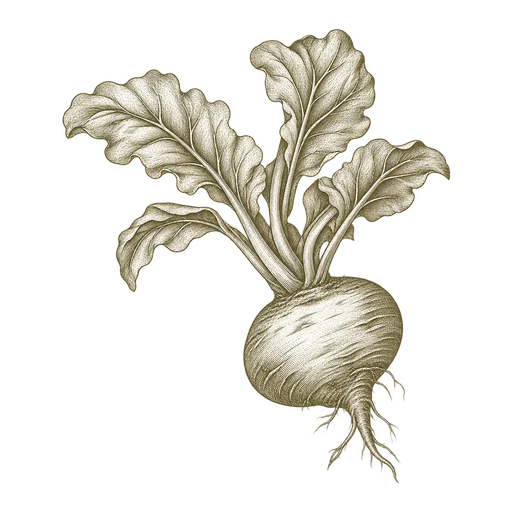
Beet powder can mean whole-root powder or a juice-derived color ingredient, and the distinction affects composition and formulation use. Compare product identity, carriers, color performance and storage needs before arranging a bulk order.

Explore ingredient
Starches/Fibers/Proteins

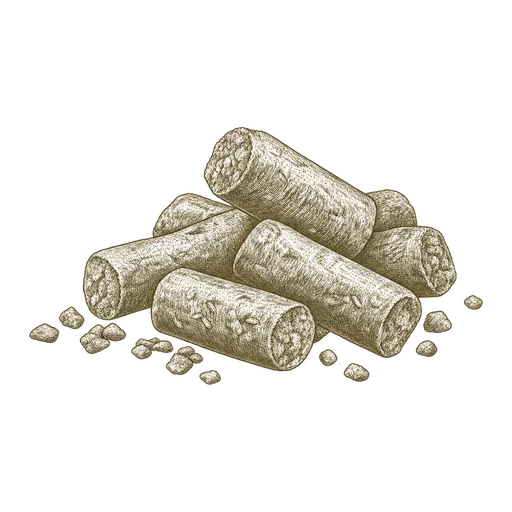
Beet Pulp Pellets

Beet pulp pellets are a dried, compacted sugar beet co-product used as a fibrous, energy-bearing ingredient in livestock feed. Compare molasses status, lot analysis and pellet handling needs to match the product to your ration and receiving setup.

Explore ingredient
Starches/Fibers/Proteins

Beet Pulp Shreds

Beet pulp shreds are dried, shredded sugar-beet pulp used as a digestible-fiber ingredient in livestock and horse diets. Compare the offered form, additions and lot analysis, then match the shipment and dry-storage plan to your receiving setup.

Explore ingredient
Dried Vegetables

Beets

Sugar beet pulp is the fibrous residue left after sugar extraction and is used in livestock feed. Buyers can source moist pressed or dried shredded and pelleted forms; moisture, analysis and receiving needs determine which form fits a feed program.

Explore ingredient
Animal Products

Bison Meal

Bison meal can mean rendered meat meal, meat-and-bone meal, or bone meal—distinct products with different composition and analysis needs. Define the ingredient type and intended use before comparing lot results or arranging a bulk shipment.

Explore ingredient
Dried Fruits

Blueberries

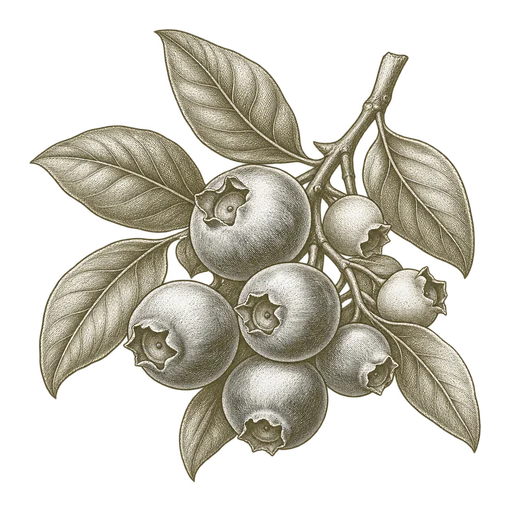
Bulk blueberries are sourced as frozen whole fruit, dried berries, powder, puree and other distinct forms. Match the form and its quality measures to the recipe, processing method and receiving requirements.

Explore ingredient
Dried Fruits

Blueberry Powder

Blueberry powder can come from whole fruit, juice or pomace, with carriers and drying methods affecting composition and handling. Compare the source fraction, ingredient statement and physical properties to match the powder to your food formulation.

Explore ingredient
Animal Products

Bone Meal

Bone meal is dried, ground animal bone used as a mineral-bearing ingredient in feed and pet-food formulations. Compare cooked and steamed forms, source species, and calcium and phosphorus analysis to identify the material that fits the intended use.

Explore ingredient
Feed Ingredients

Brewer’s Grain

Brewer’s grain, or brewers’ spent grain, is a brewing co-product used particularly in cattle feed. Wet and dried forms differ in moisture, transport burden and storage needs; compare the offered form and lot analysis with your ration and receiving setup.

Explore ingredient
Grains

Buckwheat

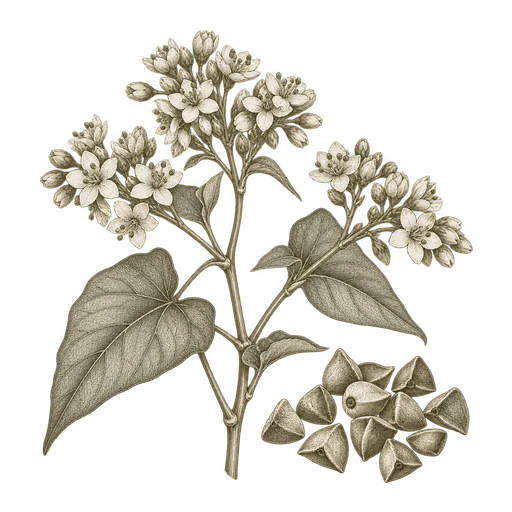
Buckwheat is sourced as whole seed, dehulled groats, flour and milling by-products for food and feed uses. Choose the form and processing status for the intended use, and compare lot quality on a clearly stated basis.

Explore ingredient
Dried Vegetables

Cabbage

Cabbage feed can mean whole cull vegetables or leaves and cores from sauerkraut processing. These high-moisture materials differ in composition and handling, so compare the specific stream, current analysis and receiving plan before buying for cattle.

Explore ingredient
Dairy Ingredients

Calf Milk Replacer Ingredients

Calf milk replacer ingredients include protein sources, lactose, fats and premix components used to formulate a dry powder that is mixed with water before feeding. Compare exact material identity, processing and composition because these components are not interchangeable or complete replacers on their own.

Explore ingredient
Other Seeds & Grains

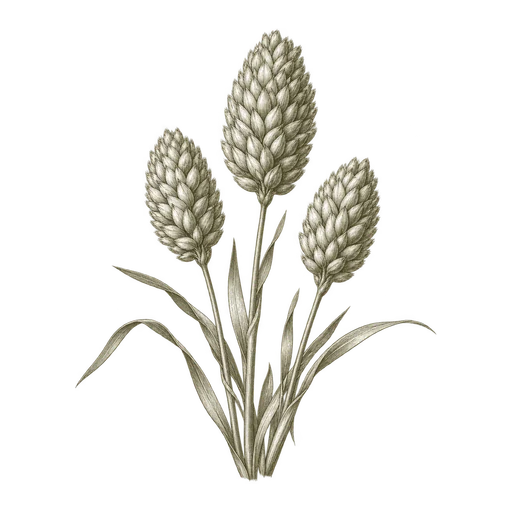
Canary

Canary seed is a grass grain sourced mainly for bird-feed blends, with specific glabrous varieties also processed into food ingredients such as groats and flour. Identify the hull type, intended market and processing form before comparing bulk lots.

Explore ingredient
Dried Vegetables

Carrot Powder

Carrot powder can be made from dried carrot tissue or from juice or concentrate, and those forms differ in fiber, composition and dispersibility. Match the powder to the food process, then compare relevant quality measures and handling needs for the bulk order.

Explore ingredient
Tree Nuts

Cashew Pieces

Cashew pieces are broken edible kernels used as a cashew ingredient when whole-kernel appearance is unnecessary. Compare piece size, processing state and quality requirements to match the product with your food formulation.

Explore ingredient
Starches/Fibers/Proteins

Cassava Flour

Cassava flour is milled, sifted cassava root used in human-food formulations. Distinguish edible flour from feed meal and other cassava products, then compare moisture, processing and the analysis required for your intended use.

Explore ingredient
Dairy Ingredients

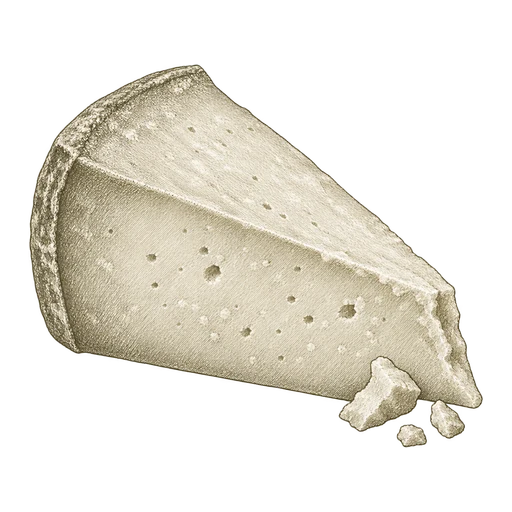
Cheese Powders

Cheese powder is a dried cheese or cheese-based ingredient used to add cheese flavor to coatings, dry mixes, sauces and other foods. Cheese style, added ingredients and drying method affect composition and performance, so compare the formulation and functional properties with the needs of your process.

Explore ingredient
Dried Fruits

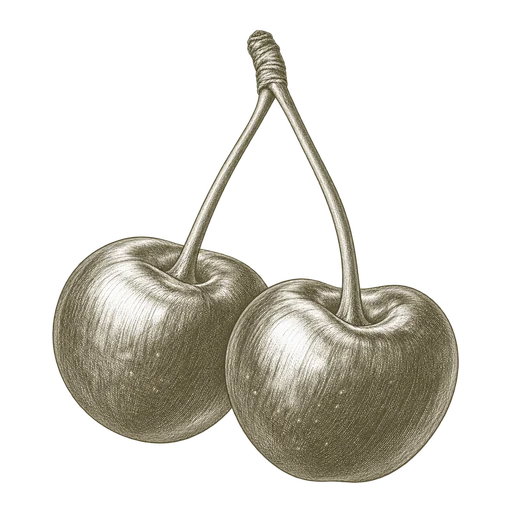
Cherries

Bulk cherries may mean whole fruit, processed cherries or a distinct fraction such as pomace. Identify sweet or sour cherry and the processing form first; these choices affect product use, quality checks and the specifications needed for a useful quote.

Explore ingredient
Animal Products

Chicken Fat

Chicken fat is a rendered or extracted poultry fat used in animal feed and pet food. Compare its processing description and lot analysis, then match packaging, receiving, and storage plans to the specific product and intended formulation.

Explore ingredient
Animal Products

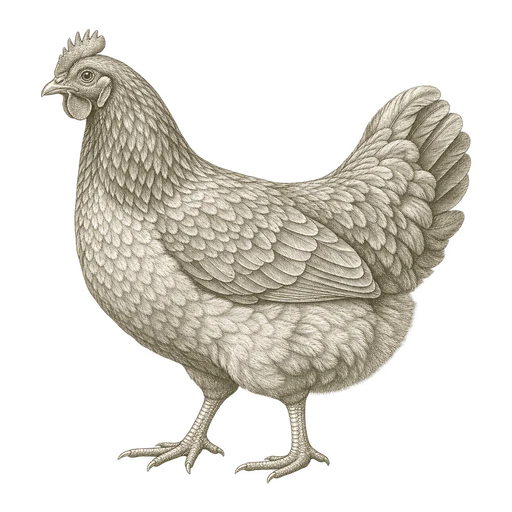
Chicken Meal

Chicken meal is a dry-rendered, ground chicken ingredient used as a protein component in formulated animal foods. Compare its exact ingredient identity, full analysis and analytical basis, then match the offered lot and receiving arrangement to the intended formulation.

Explore ingredient
Pulses

Chickpea Protein

Chickpea protein is available as less-fractionated flour and more processed concentrates or isolates for human-food formulations. Compare protein on a consistent basis and match the ingredient’s demonstrated functional properties to the needs of the finished product.

Explore ingredient
Pulses

Chickpeas

Chickpeas are dry edible pulses sold as Kabuli or Desi seed, whole, split, dehulled or milled into flour. Choose class and form to match the food process or formulation, and compare lot moisture, size, defects and receiving needs.

Explore ingredient
Feed Ingredients

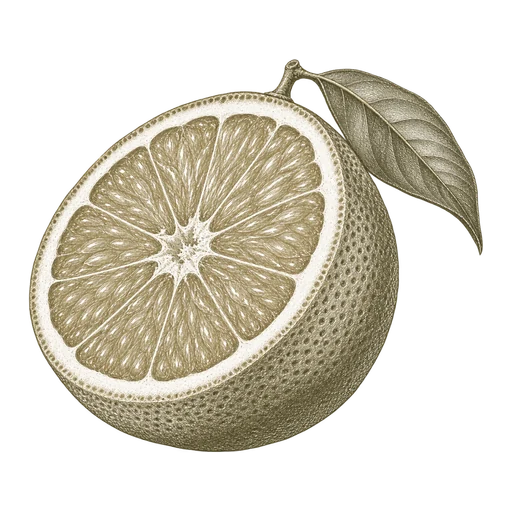
Citrus Pulp

Citrus pulp is a citrus-juice-processing residue used in livestock feed as an energy and fiber ingredient. Compare whole, pressed, dried or pelleted forms by moisture, handling needs and current lot analysis before arranging a bulk order.

Explore ingredient
Feed Ingredients

Citrus Pulp Pellets

Citrus pulp pellets are a dried citrus-processing by-product used chiefly as an energy ingredient in ruminant feed. Compare pellet handling, current lot analysis and nutrient reporting basis with your ration and receiving requirements.

Explore ingredient
Sunflower Seeds

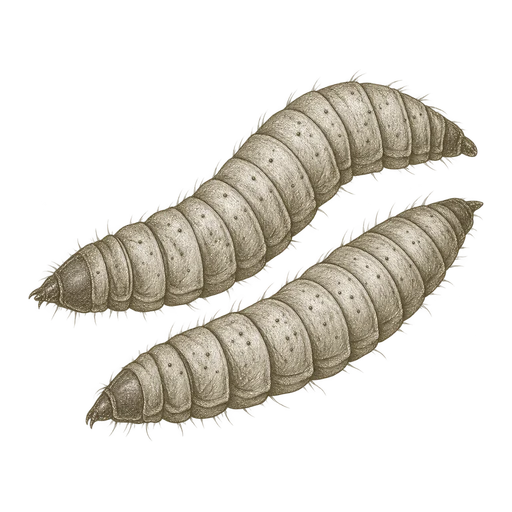
Coarse Chips

Coarse sunflower chips are broken, hulled sunflower kernels used most clearly in wild-bird feed. Compare the seller’s particle-size definition, fines and hull limits, kernel condition and intended-use grade when planning a bulk order.

Explore ingredient
Dairy Ingredients

Colostrum Powder

Bovine colostrum powder is a dried ingredient that can differ in IgG content, fat, lactose and processing. Compare the specific form, lot analysis and intended-use documentation before arranging a bulk order.

Explore ingredient
Feed Ingredients

Corn Gluten Feed Pellets

Corn gluten feed pellets are a dried, pelleted coproduct of corn wet milling used in livestock feed, especially cattle rations. Compare the lot analysis and analytical basis, then consider pellet flow, receiving equipment and moisture management when planning a bulk order.

Explore ingredient
Starches/Fibers/Proteins

Corn Starch

Corn starch is separated from corn and sold as native or modified starch for food thickening and other application-specific uses. Compare modification status, functional properties and product documentation, then match packaging and handling to your receiving setup.

Explore ingredient
Feed Ingredients

Corn Syrup Solids

Corn syrup solids are dried corn syrup supplied as a powder and used as a carbohydrate ingredient in food formulations. Compare dextrose equivalent, moisture and physical properties to match the grade to your process.

Explore ingredient
Dried Fruits

Cranberries

Bulk cranberries can mean whole fruit, juice products, dried fruit, pomace or extracts. Identify the exact form and application, then compare its processing, analysis and handling requirements rather than treating cranberry products as interchangeable.

Explore ingredient
Dried Fruits

Currants

Ribes currants include black, red, pink and white berries used fresh, frozen or in processed food ingredients. Specify the fruit type and distinguish whole berries, juice, preserves and blackcurrant pomace powder, since these forms serve different roles and have different quality considerations.

Explore ingredient
Dried Fruits

Dates

Dates are date-palm fruit sold as whole or pitted fruit, processed food ingredients and separate by-products such as pits or pulp. Specify the form and intended use first: each has different processing, quality measures and handling needs.

Explore ingredient
Feed Ingredients

Dried Molasses

Dried molasses is a livestock-feed ingredient that can differ in crop source, carrier and added ingredients. Compare the full formulation and dried-product analysis to determine how it fits a feed ration and bulk receiving plan.

Explore ingredient
Animal Products

Duck Meal

Duck meal is a dry-rendered, ground animal ingredient used as a raw material in dog and cat foods. Compare the source tissues, ingredient identity and lot analysis to match the product with formulation and labeling requirements.

Explore ingredient
Animal Products

Egg Powder

Egg powder is available as dried whole egg, yolk, egg white or formulated blends for food manufacturing. Match the fraction and application-specific functionality to your process, then compare quality, packaging and storage details for the bulk order.

Explore ingredient
Pulses

Faba Beans

Faba beans are grain-legume seeds used in food and feed, supplied in forms ranging from whole or split seed to milled and more highly processed ingredients. Choose by intended use and form, then compare the relevant lot analysis and handling needs.

Explore ingredient
Peanuts

Fancy Inshells

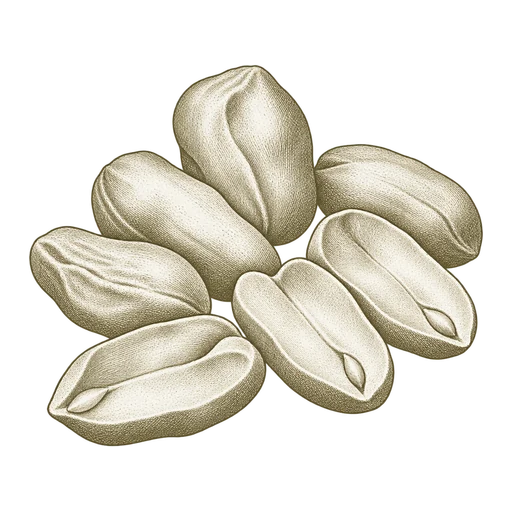
Fancy Inshells needs a precise nut identity and grade. U.S. Fancy Hand Picked applies to cleaned Virginia-type inshell peanuts; buyers should distinguish that standard from lot analysis and intended-use documentation.

Explore ingredient
Tree Nuts

Filberts

Filberts, also called hazelnuts, are sourced as natural or roasted kernels, ground meal and distinct processing by-products. Identify the exact form and compare relevant quality measures, particle size and handling needs for your food or defined feed application.

Explore ingredient
Sunflower Seeds

Fine Chips

Fine Chips are broken or size-reduced sunflower kernels used in wild-bird feed products. Compare the seller’s chip-size definition, hull content and lot analysis, then match packaging and receiving details to your facility.

Explore ingredient
Seeds

Flax

Flax is sourced as whole or ground seed, oil, meal and straw, with processing affecting product characteristics. Identify the form and intended market first, then compare the relevant analysis and receiving requirements.

Explore ingredient
Oils/Fats

Flaxseed Oil

Flaxseed oil is a liquid oil extracted from flaxseed and valued for its ALA content. Bulk buyers should distinguish edible, feed and industrial grades, compare extraction and oxidation measures, and plan packaging and storage to limit light exposure.

Explore ingredient
Pulses

French Green Lentils

French green lentils are sold as whole or split lentil seeds for food uses where form, color and cooking characteristics matter. The name does not guarantee French origin or Puy identity, so compare lot identity, physical quality and intended-use requirements when sourcing in bulk.

Explore ingredient
Pulses

Great Northern Beans

Great Northern beans are mature edible beans sourced as a food ingredient, most commonly specified as whole and dry for hydration and cooking. Distinguish them from canned beans and cull material, and compare lot analyses on a clearly stated basis.

Explore ingredient
Pulses

Green Lentil Flour

Green lentil flour is milled from green lentil seed for food product development, including bakery, pasta, snack and other formulations. Compare whole-seed or dehulled status, heat treatment and particle size because these differences can affect color and processing behavior.

Explore ingredient
Pulses

Green Peas

Green peas can mean tender garden peas for food or mature dry field peas for livestock feed. Identify the maturity, processing and intended use first; those choices determine the relevant quality checks, handling and bulk order details.

Explore ingredient
Grains

Ground Corn

Ground corn is milled corn grain used as an energy ingredient in livestock diets and commercial feed. Because the name does not define grind size, analysis or intended use, buyers should specify the particle-size requirement and quality measures that fit their process.

Explore ingredient
Tree Nuts

Hazelnuts

Bulk hazelnuts are sourced in-shell or as kernels, with natural, roasted, whole and piece forms suited to different food products. Compare style, size, quality requirements and storage conditions for the intended use.

Explore ingredient
Dried Fruits

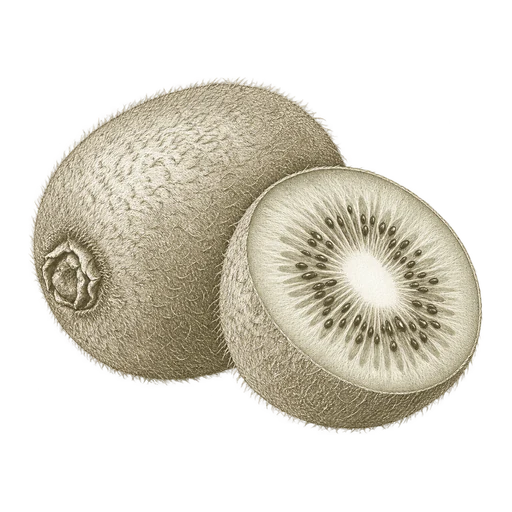
Kiwi

Bulk kiwi can mean whole fruit, puree, dried fruit, peel, pomace, or extracted fiber. Specify the form and processing history, then compare analysis on a consistent basis and match receiving and storage plans to the product.

Explore ingredient
Tree Nuts

Macadamia Nuts

Macadamia nuts are sourced in-shell or as kernels for snacks and food manufacturing. Compare kernel style, raw or roasted processing, moisture and oil analysis, and packaging to match the product to its intended use.

Explore ingredient
Dried Fruits

Mango

Mango-derived feed ingredients range from peel and mixed residue to whole seed and kernel meal. Identify the material and its processing first: those differences affect composition, formulation, analysis and storage decisions.

Explore ingredient
Pulses

Maple Peas

Maple peas are a specialty type of field pea sourced for markets including racing-pigeon food. Variety and lot can differ in seed-coat and cotyledon color, size and analysis, so buyers should specify the required form and compare lot-level details for the intended use.

Explore ingredient
Sunflower Seeds

Medium Chips

Medium Chips commonly refers to broken, peeled sunflower kernels used in bird-feed and related ingredient markets. Because “medium” has no universal size definition, compare the sieve cut, intended grade and lot quality before arranging a bulk order.

Explore ingredient
Animal Products

Menhaden Fish Meal

Menhaden fish meal is a rendered feed ingredient used in aquaculture, poultry, and swine formulations. Compare the offered lot’s analysis, processing details, and handling guidance to match the meal to the intended ration and receiving plan.

Explore ingredient
Animal Products

Menhaden Fish Oil

Menhaden fish oil is a species-specific oil supplied as crude or further-refined product for distinct feed, aquaculture and human-food applications. Compare processing status, intended use and lot-specific composition before arranging a bulk order.

Explore ingredient
Dairy Ingredients

Milk Permeate

Milk permeate is a lactose- and mineral-rich dairy fraction used in food formulations including baked goods, dairy products, dry mixes and beverages. Bulk buyers can distinguish milk permeate from whey permeate and compare powder composition, reporting basis and handling needs against the intended application.

Explore ingredient
Grains

Millet

Millet covers several small-grained cereal crops used in food and feed. Compare species, whole or milled form, and lot quality details to match the grain to your process, formulation, and storage plan.

Explore ingredient
Tree Nuts

Mixed Tree Nuts

Mixed tree nuts can mean an in-shell food blend, shelled kernels or pieces, or a distinct processing residue intended for feed. Identify the species, shell status, additives and intended use before comparing specifications or arranging a bulk shipment.

Explore ingredient
Feed Ingredients

Molasses

Molasses is a sugar-production by-product used in animal feeds for soluble sugars, palatability and, in some products, binding or pellet processing. Compare cane and beet sources, liquid and dry forms, and lot analysis on a consistent basis before arranging bulk receiving and storage.

Explore ingredient
Seeds

Mustard

Mustard can mean culinary seed, oilseed or oil-extraction meal. Compare species, physical form and processing method first; for meal, review its analysis and glucosinolate profile against the intended feed use.

Explore ingredient
Dairy Ingredients

Non Fat Dry Milk

Non-fat dry milk is a concentrated dairy ingredient used in food manufacturing. Compare instant status, heat class and lot specifications against your process, and account for packaging and dry storage when planning a bulk order.

Explore ingredient
Grains

Oat Flour

Oat flour is milled oats used in bakery products, cereals, bars, batters and other food formulations. Processing and particle size affect how it blends and performs, so compare the offered flour’s preparation, analysis and grind with your recipe and receiving requirements.

Explore ingredient
Grains

Oatmeal

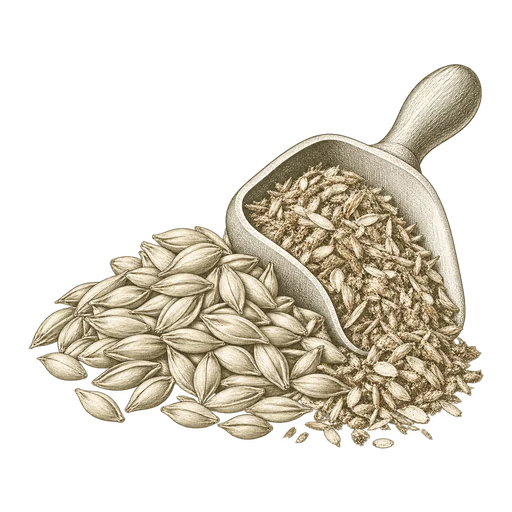
Oatmeal can mean rolled oats, another oat form, or a distinct feed milling fraction. Name the exact product and intended use, then compare the relevant quality details and receiving needs for a bulk order.

Explore ingredient
Feed Ingredients

Oats & Oat Products

Oats are sourced as whole grain and as distinct products such as groats, flakes, flour, bran and hulls. Match the form and its analysis to the food or feed application, then plan bulk receiving and storage around that specific material.

Explore ingredient
Dried Fruits

Papaya

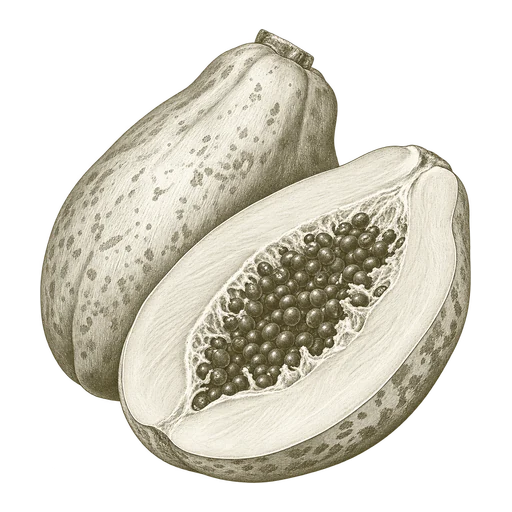
Papaya is sourced as fresh fruit, puree, frozen or canned fruit, dried products, and distinct processing by-products. Identify the exact material and compare form-appropriate quality measures, handling needs and intended use.

Explore ingredient
Pulses

Pea Flour

Pea flour is milled from dried peas and used in foods including baked goods, pasta, snacks, batters and sauces. Whole-seed, dehulled, fractionated and pregelatinized forms differ in composition and function, so compare processing details and application-relevant specifications.

Explore ingredient
Starches/Fibers/Proteins

Pea Hull Fiber

Pea hull fiber is milled field-pea seed coat used in food formulations and animal feed. Compare hull identity, fiber analysis basis, particle size and intended grade to choose material that fits the formulation and receiving setup.

Explore ingredient
Starches/Fibers/Proteins

Pea Starch

Pea starch is the starch fraction separated from peas and is used for viscosity, gel formation, water retention and texture in food formulations. Processing changes its behavior, so identify the offered form and compare functional properties against your application.

Explore ingredient
Oils/Fats

Peanut Oil

Peanut oil is an edible oil derived from peanut seeds and used in cooking and frying. Compare the offered processing description and lot-specific quality measures, then match the order and receiving details to your intended food process.

Explore ingredient
Grains

Pearled Barley

Pearled barley is polished barley grain used mainly as a cooked food grain or milled into flour. Processing degree affects kernel characteristics and cooking performance, so define the form and quality measures needed for your operation.

Explore ingredient
Tree Nuts

Pecan Pieces

Pecan pieces are broken portions of shelled pecan kernels used in food manufacturing when whole halves are not required. Compare screen size, grade, moisture and defect limits to match the ingredient to its role, appearance and receiving process.

Explore ingredient
Tree Nuts

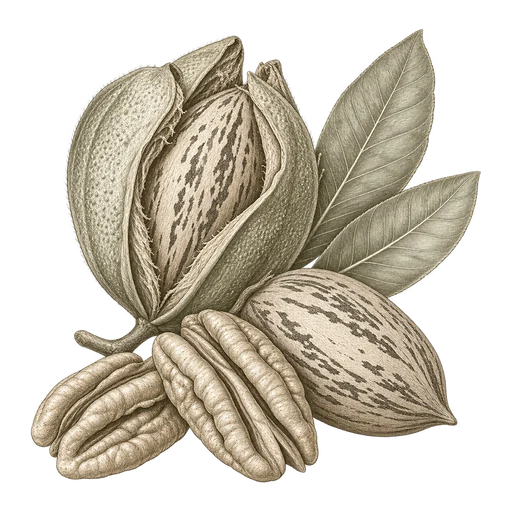
Pecans

Pecans are edible tree-nut kernels sourced as halves, pieces, meal or flour for food production. Match the form to the finished product, then compare lot-specific moisture, size, condition and storage information.

Explore ingredient
Tree Nuts

Pine Nuts

Pine nuts are edible seeds sold shell-on, as shelled kernels or as extracted oil. Species, form and freshness criteria help buyers match the ingredient to food applications such as salads, desserts, sauces and further processing.

Explore ingredient
Seeds

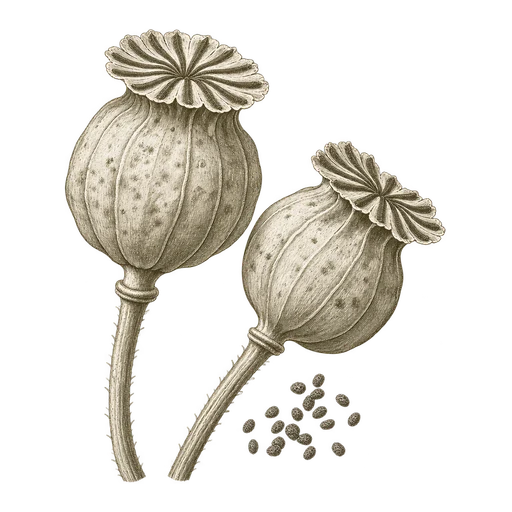
Poppy

Poppy can refer to whole seed for food uses or to oil-extraction by-products used in feed. Specify whole seed, pressed cake or solvent-extracted meal, then compare intended-use requirements and lot analysis on a consistent basis.

Explore ingredient
Starches/Fibers/Proteins

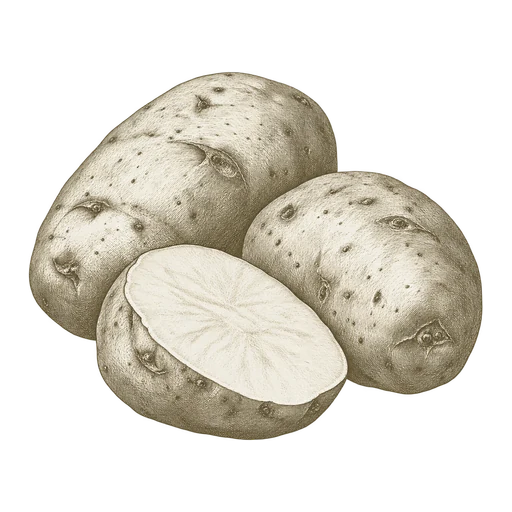
Potato Starch

Potato starch is a dried, potato-derived ingredient used in food formulations for thickening, stabilization, gel formation and texture. Identify native or modified form and compare functional specifications against the process and receiving requirements for your bulk order.

Explore ingredient
Sunflower Seeds

Premium Blend Chips

Premium Blend Chips is a product name, not a standardized ingredient identity. Establish its constituents, intended use, physical form, and lot analysis before evaluating feed applications or arranging a bulk shipment.

Explore ingredient
Dried Fruits

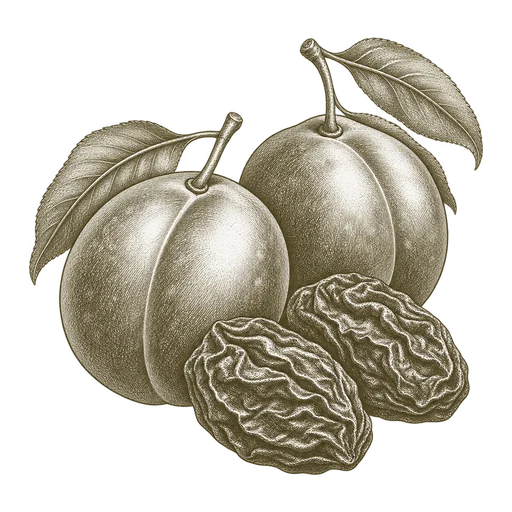
Prunes

Prunes are dried European plum fruit supplied whole or in ingredient forms such as diced pieces, paste, puree, concentrate and powder. Compare style, moisture, size, ingredients and handling characteristics against the needs of your food process.

Explore ingredient
Dried Vegetables

Pumpkin

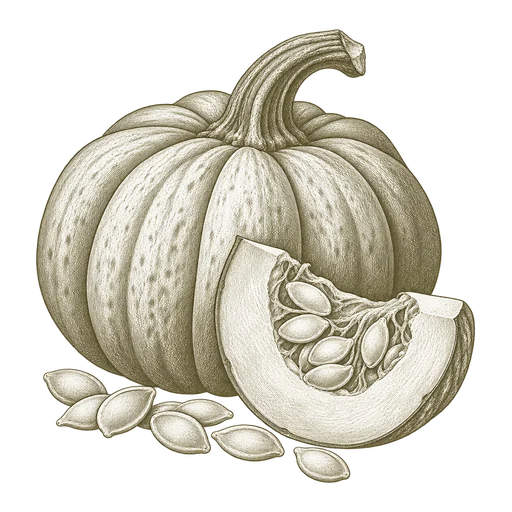
Pumpkin is sourced as distinct ingredients—including pulp, peel, seeds and processing residues—in fresh, dried or other processed forms. Match the plant part and processing method to the intended food or feed use, then compare moisture, particle form and relevant analysis.

Explore ingredient
Seeds

Pumpkin Seeds

Pumpkin seeds are sourced as whole seeds, kernels, ground ingredients and oil-extraction co-products. Specify the form, processing and intended food or feed use; for meal and cake, residual fat and lot analysis help distinguish the material.

Explore ingredient
Grains

Quinoa

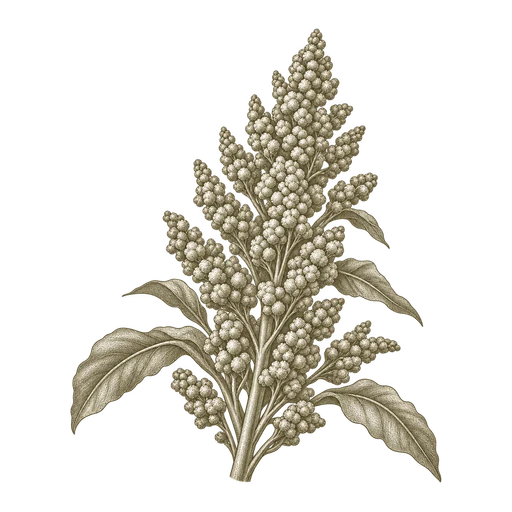
Quinoa is a grain-like pseudocereal seed sold in distinct forms such as whole grain and flour. Compare form, processing and relevant quality measures to match the product to a food or feed application and plan receiving and storage.

Explore ingredient
Dried Fruits

Raisins

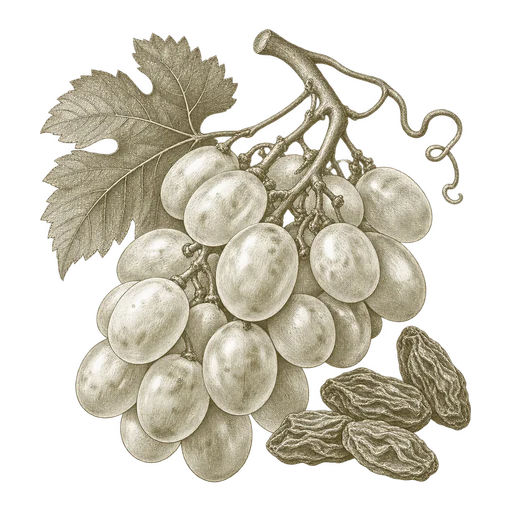
Raisins are dried grapes used in baking, food manufacturing, confectionery and culinary products. Specify grape category, seed status, drying treatment and preparation to match the fruit to your process.

Explore ingredient
Dried Fruits

Raspberries

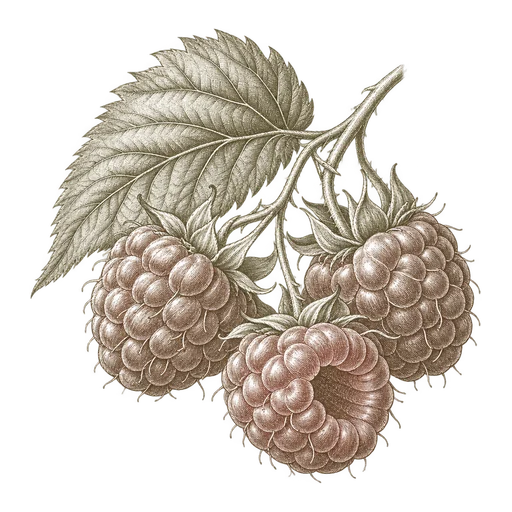
Bulk raspberries can mean frozen whole fruit or a distinct processing by-product such as raspberry pomace. Identify the form first, then compare quality criteria or analysis suited to its intended use.

Explore ingredient
Peanuts

Raw Pickouts

Raw pickouts most likely means raw peanut kernels or pieces separated during processing, but the name does not define a standard grade. Compare the offered kernel form, sorting criteria and lot-specific testing—especially aflatoxin—against the intended use and receiving plan.

Explore ingredient
Starches/Fibers/Proteins

Rice Starch

Rice starch is the isolated starch fraction of rice, used for thickening, stabilization and texture in food and described in pet food and feed formulations. Native and modified grades differ in function, so match the starch type and relevant test methods to your process before arranging a bulk shipment.

Explore ingredient
Peanuts

Runner Inshells

Runner inshell peanuts are runner-type peanuts sold with their kernels enclosed in the pods. Distinguish the market type from the physical form, and compare whole-pod condition, moisture information and intended-use requirements when sourcing a bulk lot.

Explore ingredient
Oils/Fats

Safflower Oil

Safflower oil is a seed-derived oil used in cooking and food manufacturing. Compare conventional and high-oleic profiles, processing method and lot analysis to match the oil to your formulation.

Explore ingredient
Animal Products

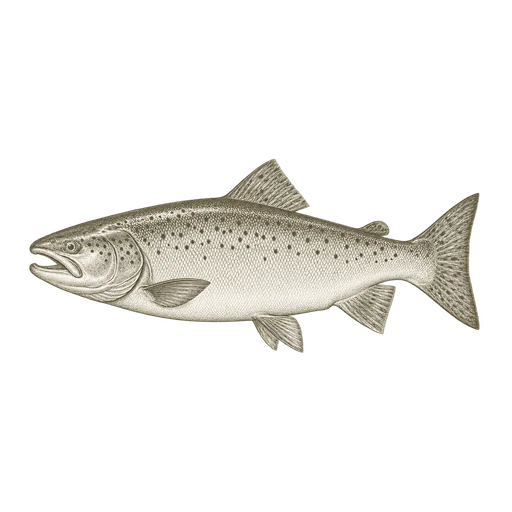
Salmon Meal

Salmon meal is dried, ground fish material used in aquaculture and animal feed formulations. Compare species identity, processing, and the offered analysis to determine how the meal fits your feed program and handling setup.

Explore ingredient
Seeds

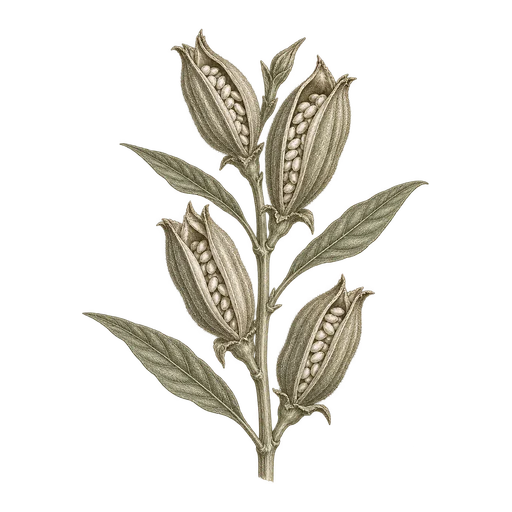
Sesame

Sesame is an oilseed sourced as whole or hulled seed, oil, and oil-extraction meal. Processing changes flavor, composition and use, so identify the exact form and compare quality measures suited to that product before arranging a bulk order.

Explore ingredient
Starches/Fibers/Proteins

Soy Protein Concentrate

Soy protein concentrate is a processed soybean protein ingredient supplied in forms such as powder, granules or textured product. Compare the form, protein basis, processing details and intended market to match the ingredient to a food process or feed formulation.

Explore ingredient
Pulses

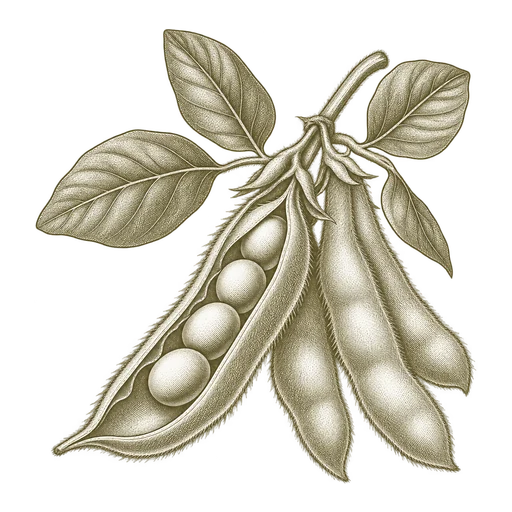
Soybeans

Soybeans are oilseeds sourced as whole beans or processed into distinct products such as soybean meal and oil. Identify the exact form and intended use first; heat treatment, analysis and grade matter when comparing lots for feed or food applications.

Explore ingredient
Dried Vegetables

Spinach

Bulk spinach is sourced as fresh leaves or dried, ground leaf, and those forms have different uses and handling needs. Fresh spinach for processing is judged by condition and cleanliness; dried leaf requires product-specific composition and storage information.

Explore ingredient
Pulses

Split Yellow Peas

Split yellow peas are dehulled, split smooth yellow dry peas used as a food commodity and milled into flour for food formulations. Choose the form around the process, then compare relevant physical quality, analysis and receiving requirements.

Explore ingredient
Animal Products

Spray Dried Egg Powder

Spray-dried egg powder may be whole egg, egg white, yolk or a blend. Identify the exact composition, intended use and handling needs before comparing bulk offers, since these choices affect formulation, quality requirements and receiving plans.

Explore ingredient
Feed Ingredients

Sunflower Meal

Sunflower meal is a sunflower-seed oil-extraction residue used as a protein ingredient in animal feed. Compare dehulling, extraction method, physical form and lot analysis to determine how a bulk offer fits your feed formulation and receiving setup.

Explore ingredient
Dried Vegetables

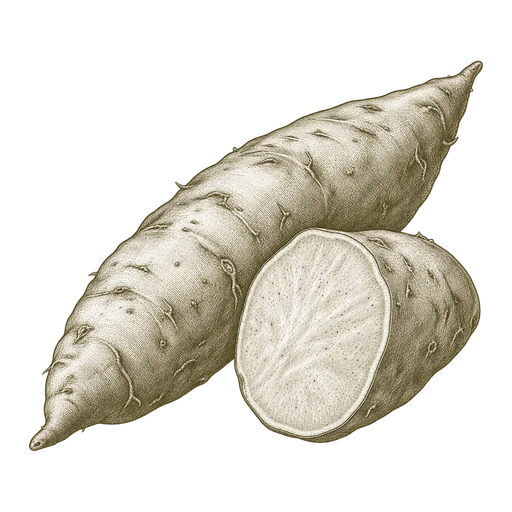
Sweet Potato

Sweet potato bulk materials include roots, vines and processing co-products. Identify the plant part, form and processing method first, then compare composition and handling needs for the intended food or feed use.

Explore ingredient
Starches/Fibers/Proteins

Vegetable Pomace

Vegetable pomace is a variable residue from vegetable processing, not a single standardized ingredient. Identify the source and processing, then compare wet or dried form, moisture and relevant analysis to determine whether a specific lot fits a feed or food application.

Explore ingredient
Dried Fruits

Watermelon

Watermelon ingredients include seed flour, meal, protein concentrate and rind meal, each with different processing and composition. Identify the plant part, processing and intended food or feed use before comparing bulk offers.

Explore ingredient
Starches/Fibers/Proteins

Wheat Germ

Wheat germ is a wheat-milling co-product used in food formulations and feed. Compare full-fat and defatted forms, processing history, and freshness measures to identify the material that fits your formulation and handling needs.

Explore ingredient
Feed Ingredients

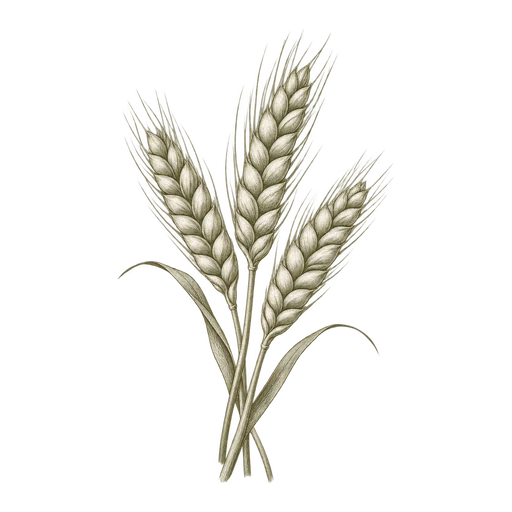
White Millet

White millet commonly refers to white-seeded proso millet, sourced for food products, birdseed, and livestock feed. Identify the species, hull status, and processing form to match the grain to its intended use.

Explore ingredient
Dairy Ingredients

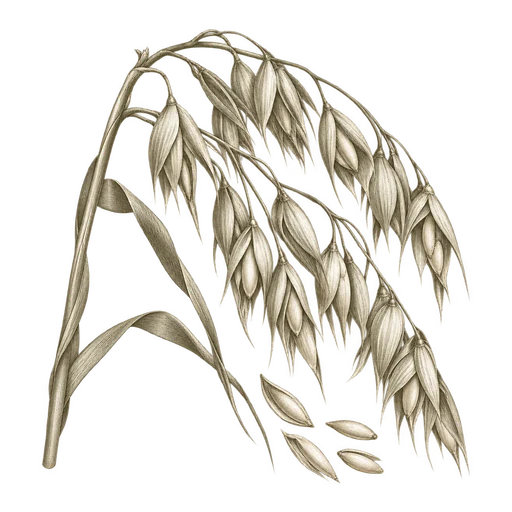
Whole Milk Powder

Whole milk powder is a concentrated dairy ingredient used in bakery, confectionery, dry mixes, sauces and beverages. Compare regular and instantized forms, composition and reconstitution properties to match the powder to your food process.

Explore ingredient
Pulses

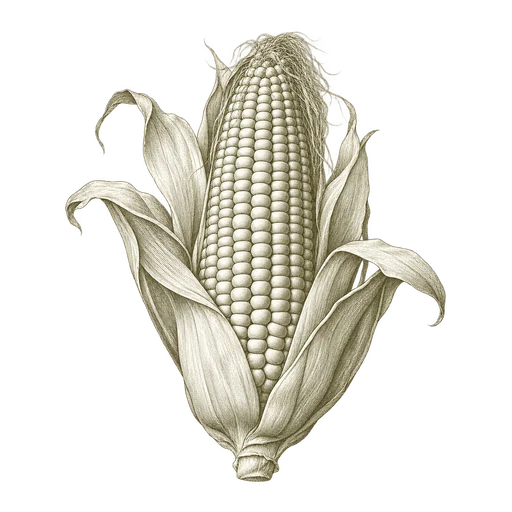
Yellow Peas

Yellow peas are dry field peas sold whole, split or milled into flour for food ingredients and feed. Choose the form for the receiving process, and compare lot quality against the intended use.

Explore ingredient
Different forms need different storage plans

This collection covers products with varied forms and storage needs: grains and pulses such as millet and buckwheat, dried fruit, tree nuts, feed meals and pellets, dairy powders, and liquid oils. A single moisture target or temperature rule cannot apply to all of them. Packaging, intended use and the offered product specification shape how each lot should be received and stored.

For grains and pulses, moisture results are useful only when the measurement basis is clear: wet-basis and dry-basis values are not interchangeable. Dried nuts call for attention to moisture sampling, ventilation, water and pest protection. For fats, oils and lipid-rich meals, oxidation and resulting rancidity are additional quality concerns.

Match checks to the ingredient

At receipt, compare the delivered product form and lot with its documents, and inspect packaging or bulk vehicles for damage, contamination or deterioration. Depending on the product and its specification, relevant observations can include moisture damage, pests, foreign material and off-odors. Temperature checks matter when the product or handling instructions require them, not as a universal test for every ingredient.

Storage monitoring also differs by form. Grain held in a bin has different risks from an oil in a container or a powder in bags. Keep lots identifiable and separated as needed, and use the supplier’s product-specific storage guidance rather than transferring a rule from another commodity.

Clarify the lot before purchase

Ask for the exact identity and form, intended-use grade, current lot specification and relevant test results. For moisture, confirm the basis; for nuts, ask whether water activity is part of the lot’s quality information. For fats and oils, clarify relevant storage conditions and antioxidant status where applicable, without assuming a treatment.

Confirm the delivery format, lot traceability and any storage conditions needed after receipt. A specification for dried grain does not set an acceptance limit for a pellet, powder, fresh ingredient or oil; use the offered lot’s specification for the product and application being considered.

Common questions.

Do all dried ingredients use the same moisture limit?+

No. Moisture limits depend on the specific product and intended use. Confirm the offered lot’s limit and whether its moisture value is reported on a wet or dry basis.

What should buyers check when a bulk ingredient arrives?+

Check that the product form and lot match the documents, inspect the packaging or vehicle for damage or contamination, and look for product-relevant signs of deterioration. Follow the lot specification for any sampling or temperature checks.

Why ask about storage conditions for fats and oils?+

Fats and oils can oxidize, which can lead to rancidity. Ask about the offered lot’s handling and storage conditions, and whether antioxidant status is relevant to its specification.

Can storage guidance for millet be applied to dried nuts or powders?+

Not automatically. Storage needs depend on the ingredient’s form and characteristics. Use guidance and specifications for the actual product rather than carrying over a rule from another category.

Ingredient handling and storage · BUYER INSIGHTS

Go deeper before you source.

Focused guides to the specification, application, and delivery questions behind this ingredient.

FIELD GUIDE01Ingredient handling and storage
Buyer’s guide

Yellow peas: moisture, receiving and storage planning

Plan bulk yellow pea receipt around the form, unloading method and capacity of your facility. Assess incoming moisture and protect stored peas from water and contamination; drying and storage decisions depend on grain condition and local conditions.

Read this Insight
FIELD GUIDE02Ingredient handling and storage
Buyer’s guide

Yellow pea flour versus whole peas in food formulation

Whole yellow peas, split peas and pea flour enter food production in different physical forms. Match the form to the next process, plant equipment and formulation—and treat protein-rich pea fractions as separate ingredients.

Read this Insight
FIELD GUIDE03Ingredient handling and storage
Buyer’s guide

How to compare whole yellow peas by grade and condition

Compare whole yellow peas against the use they must serve. Moisture, kernel integrity, cleanliness, damage, color, heating and identity each inform a different quality decision—and a grade reference does not replace a clear contract specification.

Read this Insight
FIELD GUIDE04Ingredient handling and storage
Buyer’s guide

Planning bulk whole milk powder receiving and storage

Plan a bulk whole milk powder order around your facility’s receiving capacity, the package actually offered and manufacturer handling guidance. Prepare for unloading, protect the dry powder from moisture, and rotate stock according to product-specific instructions.

Read this Insight
FIELD GUIDE05Ingredient handling and storage
Buyer’s guide

When instant whole milk powder matters in a dry mix

Choosing regular or instantized whole milk powder for a beverage or dry mix starts with how the finished product meets liquid. Compare dispersibility information and evaluate the offered powder under the intended mixing conditions.

Read this Insight
FIELD GUIDE06Ingredient handling and storage
Buyer’s guide

How to compare whole milk powder specifications and analysis

Compare whole milk powder analysis on matching reporting bases and test methods. Learn how to read fat, protein, moisture and solubility results—and distinguish specification limits from lot-specific COA values.

Read this Insight