A substantial feed-energy role
Corn is widely used as an energy ingredient in livestock feed. Its contribution is assessed as part of a complete ration, so the offered analysis and the animal’s feeding program matter alongside the grain form.
Ingredient intelligence · quote-ready sourcing
Also searched as Maize
Corn grain is a major feed ingredient and a raw material for food and industrial processing. Specify whole, cracked or ground form, intended use, lot-quality needs and receiving details to compare bulk offers appropriately.
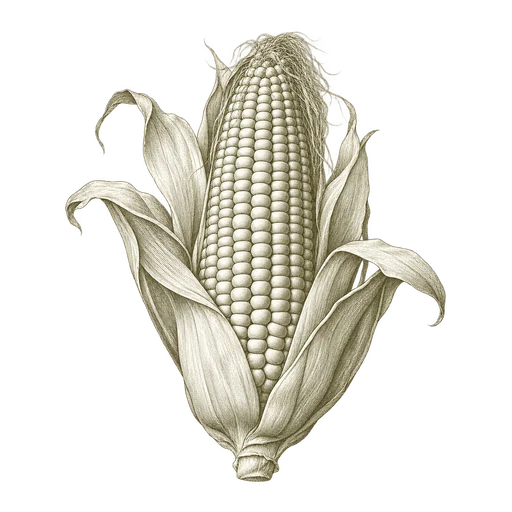
Bulk corn generally means field corn grain, a major feed grain and an important energy ingredient in livestock rations. Whole, cracked and ground forms differ in particle size, handling and how they enter a feeding or manufacturing system.
Corn grain is distinct from sweet corn, corn flour, meal, grits, starch, oil and processing co-products. Those products have different identities and specifications. For food use, identify the exact product and intended application rather than assuming that “corn” establishes a food-grade offer.
Corn is widely used as an energy ingredient in livestock feed. Its contribution is assessed as part of a complete ration, so the offered analysis and the animal’s feeding program matter alongside the grain form.
Cracking and grinding reduce kernel size in different ways. Particle size affects movement through handling equipment and incorporation into feed; processing effects on starch availability depend on the method and feeding system.
Corn grain is not interchangeable by name with sweet corn, milled food ingredients or corn-processing co-products. Identifying the exact product avoids comparing offers with different uses and specifications.
| Characteristic | Why it matters |
|---|---|
| Physical form | Whole, cracked or ground form affects particle size, handling and incorporation into feed or processing. |
| Moisture and physical condition | These details inform storage and handling decisions; assess them against the facility and intended holding period. |
| Nutrient analysis and basis | Useful for feed formulation. Compare values on a consistent, stated measurement basis. |
| Mycotoxin results | Testing may be relevant to the intended use. Visible grain condition alone cannot establish toxin levels. |
| Product identity and intended use | Distinguishes field corn grain from sweet corn, milled products and corn-processing co-products. |
Specifications and test results are lot-specific. Numerical values and acceptance criteria should come from current documentation for the offered product and the buyer’s intended use.
Corn grain is used in livestock feed for cattle, hogs and poultry, where its energy contribution is considered alongside the rest of the ration. Its suitability for a particular animal class or formula depends on the lot and the feeding program, not just the commodity name.
Corn also enters food and industrial processing. Wet milling can produce starch, sweeteners and corn oil; dry milling can produce food ingredients such as flour, meal and grits. These are separate products with their own forms and specifications—not alternative names for whole corn grain.
Corn offers should be compared using current lot information on a clearly stated measurement basis. Moisture and physical condition help buyers assess storage and handling needs; nutrient analysis matters when corn is being formulated into feed. Compare results on the same basis so the figures describe the products consistently.
Mycotoxins, including aflatoxins and fumonisins, are potential concerns in corn. Visible damage or mold does not establish toxin levels, and grain can contain mycotoxins without obvious symptoms. Where testing is relevant to the intended use, request representative, lot-specific results and evaluate them against the buyer’s applicable requirements. A generic nutrient profile or visual inspection is not a substitute for current lot analysis.
Storage needs depend on the grain’s starting moisture and condition, the storage environment, and how long it will be held. Do not infer a storage limit or guarantee from the commodity name. Buyers should match handling plans to lot information and the conditions at their facility.
For a useful bulk quote, specify whole, cracked or ground corn; intended use; quantity and unit; destination; timing; packaging or receiving method; and any required quality or testing criteria. Freight and delivered terms depend on the offered lot and the shipment details, which are confirmed when a broker responds to the request.
Corn grain is used in cattle, hog and poultry feed as an energy ingredient. The nutritionist should evaluate its analysis and physical form within the complete ration; use in one species or formula does not establish suitability for every feeding program.
Whole, cracked or ground corn can enter different handling and mixing processes. Specify the required particle form so the offered grain can be assessed against the mill’s equipment and product requirements.
Corn is processed into products including starch, sweeteners and corn oil. A wet-milling requirement should identify the intended corn input and process needs; these outputs are separate ingredients, not forms of whole grain.
Dry milling can produce food ingredients such as corn flour, meal and grits. Buyers seeking those outputs should specify the processed product rather than request corn grain as though the terms were interchangeable.
Identify whole, cracked or ground corn, the intended use, quantity and unit, destination, and required timing. These details help frame a quote around the product and delivery requirement rather than an unspecified corn order.
State the required packaging or receiving method and describe unloading equipment, access and facility constraints. The corn form and receiving setup affect what shipment arrangement can be evaluated; provide these details before comparing delivered offers.
Provide the lot’s moisture and physical-condition information and consider the storage environment and holding period at the destination. Storage planning should reflect those conditions; the commodity name alone does not establish a storage limit or guarantee.
Alfalfa is a forage legume sourced as hay, silage, meal or pellets for livestock feed. Match the form to receiving and ration needs, then compare a lot-specific analysis on a consistent basis.
Explore ingredientAlfalfa meal is ground forage used in animal feed, with sun-cured and dehydrated processing routes and meal or pellet forms. Compare the offered process, physical form and analysis against the needs of the species and feed formulation.
Explore ingredientAlfalfa pellets are ground, compressed forage used in livestock feeding and compound feeds. Compare the drying process, alfalfa material, forage analysis and pellet characteristics to choose a form that fits your ration and receiving setup.
Explore ingredientBeet pulp pellets are a dried, compacted sugar beet co-product used as a fibrous, energy-bearing ingredient in livestock feed. Compare molasses status, lot analysis and pellet handling needs to match the product to your ration and receiving setup.
Explore ingredientBuyers can specify whole, cracked or ground corn grain. The form affects particle size, handling and how the grain enters a feed or processing system; name the required form in the order rather than relying on “corn” alone.
The relevant lot information depends on the use. Buyers commonly need moisture and physical-condition details for storage planning, nutrient analysis for feed formulation, and mycotoxin testing when required by their program. Compare results on the same measurement basis and use lot-specific data.
The corn form, quantity, lot requirements, destination and timing all affect a delivered quote, along with the freight arrangement for that order. Share the receiving method and any required testing or quality criteria so the broker can address the full request.
Send your volume, destination, and key specifications. A broker can follow up with availability and commercial terms.