Grains
Alfalfa
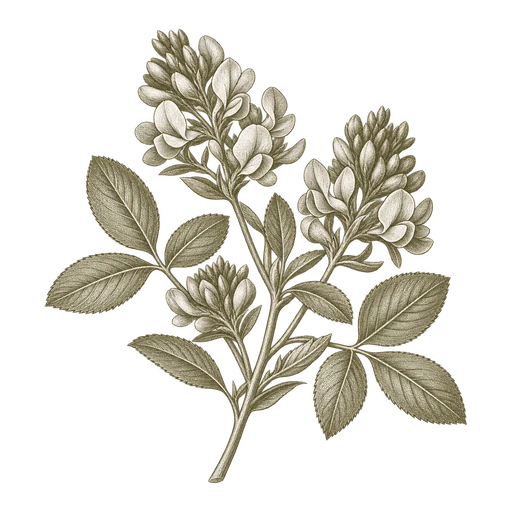
Alfalfa is a forage legume sourced as hay, silage, meal or pellets for livestock feed. Match the form to receiving and ration needs, then compare a lot-specific analysis on a consistent basis.
Explore ingredientQuality specifications help buyers compare lots, but the right measures vary across forage, pulses, commodity crops, dates and blood meal. Focus on ingredient-specific tests, comparable analytical basis and representative lot sampling.
Alfalfa is a forage legume sourced as hay, silage, meal or pellets for livestock feed. Match the form to receiving and ration needs, then compare a lot-specific analysis on a consistent basis.
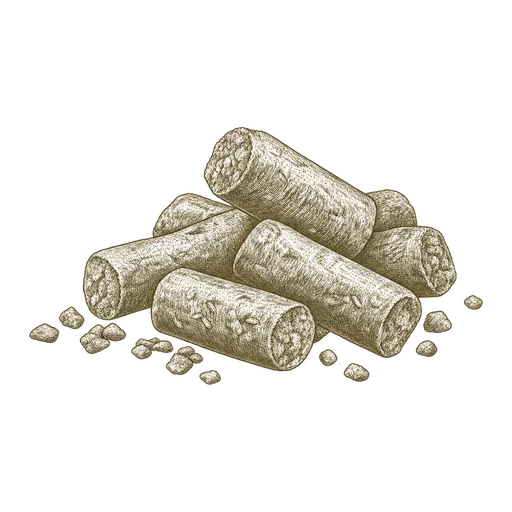
Explore ingredientAlfalfa pellets are ground, compressed forage used in livestock feeding and compound feeds. Compare the drying process, alfalfa material, forage analysis and pellet characteristics to choose a form that fits your ration and receiving setup.
Explore ingredientAlmond meal can mean ground edible kernels or oil-extraction press cake, and the distinction affects composition and bakery performance. Identify the almond fraction, compare its lot analysis and match its form to your formulation and receiving setup.
Explore ingredientAustrian winter peas are a field pea type supplied for uses including cover cropping, forage and livestock feed. Specify whether you need planting seed, dry grain, hay or silage, since each form serves a different purpose and has different quality considerations.
Explore ingredientBlood meal is dried, powdered blood used as a protein ingredient in formulated feed and as a concentrated nitrogen fertilizer. Source, processing and intended use shape which analysis and handling details matter in a bulk purchase.
Explore ingredientBrown rice is hulled rice with its bran layers retained, sourced as whole kernels or flour for food uses. Specify grain class, processing state and quality requirements, then match packaging and storage plans to your facility.
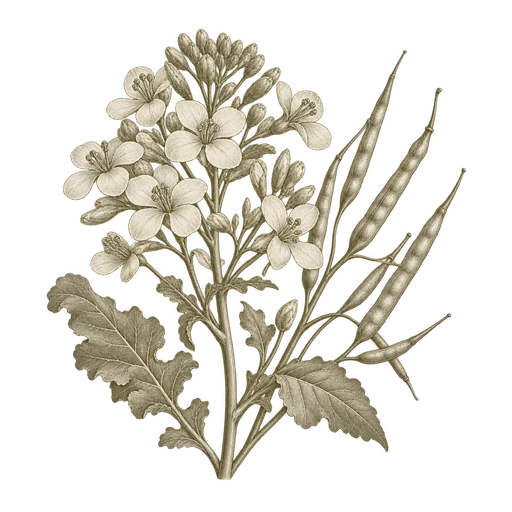
Explore ingredientCanola refers to seed and products including edible oil and feed meal. For bulk sourcing, identify the product and, for meal, compare processing, physical form and lot analysis to match the feed formulation and receiving setup.
Explore ingredientCarrot powder can be made from dried carrot tissue or from juice or concentrate, and those forms differ in fiber, composition and dispersibility. Match the powder to the food process, then compare relevant quality measures and handling needs for the bulk order.
Explore ingredientChickpeas are dry edible pulses sold as Kabuli or Desi seed, whole, split, dehulled or milled into flour. Choose class and form to match the food process or formulation, and compare lot moisture, size, defects and receiving needs.
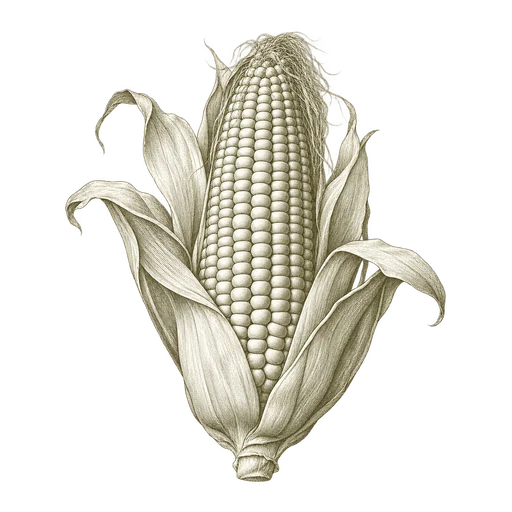
Explore ingredientCorn grain is a major feed ingredient and a raw material for food and industrial processing. Specify whole, cracked or ground form, intended use, lot-quality needs and receiving details to compare bulk offers appropriately.
Explore ingredientDates are date-palm fruit sold as whole or pitted fruit, processed food ingredients and separate by-products such as pits or pulp. Specify the form and intended use first: each has different processing, quality measures and handling needs.
Explore ingredientFaba beans are grain-legume seeds used in food and feed, supplied in forms ranging from whole or split seed to milled and more highly processed ingredients. Choose by intended use and form, then compare the relevant lot analysis and handling needs.
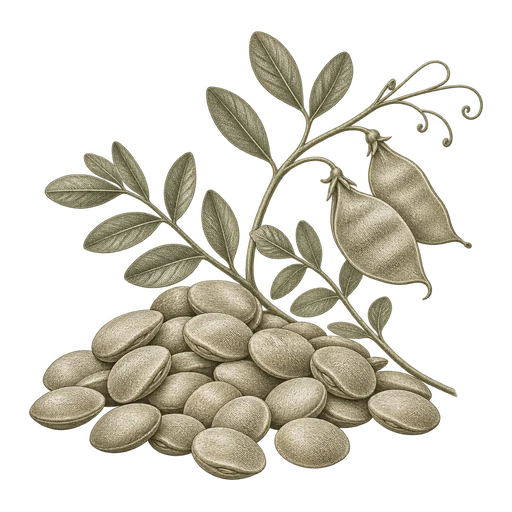
Explore ingredientFrench green lentils are sold as whole or split lentil seeds for food uses where form, color and cooking characteristics matter. The name does not guarantee French origin or Puy identity, so compare lot identity, physical quality and intended-use requirements when sourcing in bulk.
Explore ingredientHulled millet is millet grain with its outer covering removed, sold as whole grain and also used in flour or precooked forms. Species and processing status distinguish offers and help food manufacturers match the ingredient to their production method.
Explore ingredientMaple peas are a specialty type of field pea sourced for markets including racing-pigeon food. Variety and lot can differ in seed-coat and cotyledon color, size and analysis, so buyers should specify the required form and compare lot-level details for the intended use.
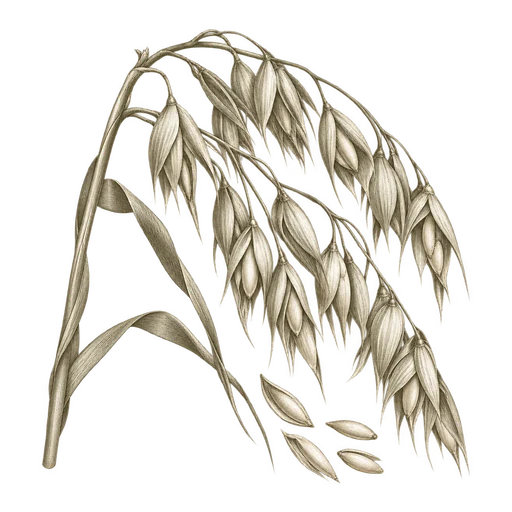
Explore ingredientOats are sourced as whole grain and as distinct products such as groats, flakes, flour, bran and hulls. Match the form and its analysis to the food or feed application, then plan bulk receiving and storage around that specific material.
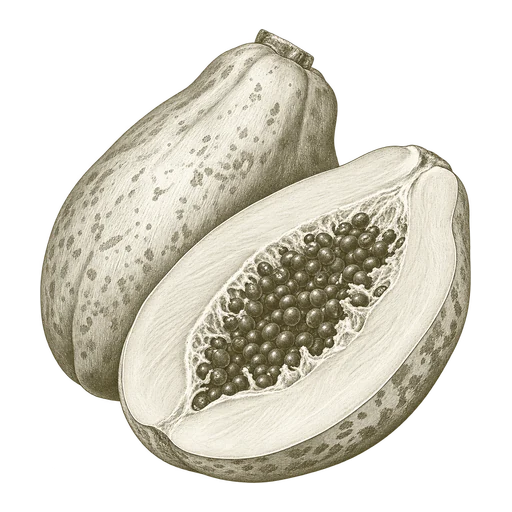
Explore ingredientPapaya is sourced as fresh fruit, puree, frozen or canned fruit, dried products, and distinct processing by-products. Identify the exact material and compare form-appropriate quality measures, handling needs and intended use.
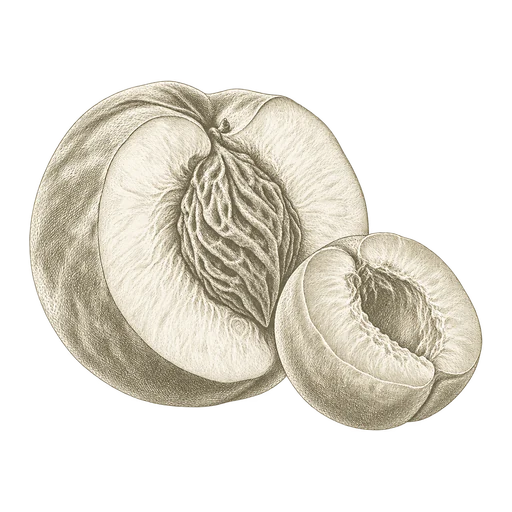
Explore ingredientPeaches are sourced as fresh fruit and in processed forms including canned pieces, purée, juice and dried product. Identify the exact form and intended use; pomace, peel, stone and seed are separate processing materials with different composition and handling considerations.
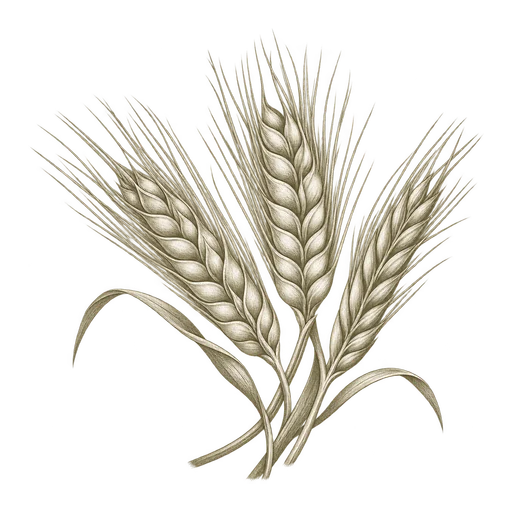
Explore ingredientPearled barley is polished barley grain used mainly as a cooked food grain or milled into flour. Processing degree affects kernel characteristics and cooking performance, so define the form and quality measures needed for your operation.
Explore ingredientPinto beans are whole, dry edible beans used in food manufacturing and further processing. Compare grade, moisture, defects, seed characteristics and packaging against the needs of the process and receiving facility.
Explore ingredientRed millet is a color-described grain used in feed and birdseed markets, but the name does not establish its species. Compare botanical identity, whole or processed form, hull status and lot analysis to match the grain to its intended use and receiving setup.
Explore ingredientRed Siberian is a named foxtail millet variety associated with planting seed and forage production. Distinguish seed from harvested forage, and compare identity, purity, germination or feed-analysis information according to the material you need.
Explore ingredientBulk rice is sourced as brown or milled white rice, with whole- and broken-kernel options. The right choice depends on the end use: milling form changes the grain’s composition, while grain type, kernel condition and lot analysis help determine whether it fits a food process or feed formulation.
Explore ingredientSafflower is an oilseed sold as whole seed, oil and oil-extraction meal. For feed buyers, meal's hull content and extraction method shape its protein, fiber and residual oil profile, so compare the actual product analysis and intended use.
Explore ingredientBulk vegetable oil for food manufacturing and industrial processing.
Explore ingredientSunflower seeds are sourced as oil-type or confectionery seed, in-shell seed or kernels, with meal available as a distinct oil-processing co-product. Match the form and quality measures to the intended food, oil, feed, or birdseed use.
Explore ingredientTriticale is a wheat–rye cereal grain used mainly in livestock feed, with separate food and forage applications. Compare whole or processed forms and evaluate each lot’s condition and analysis against its intended use.
Explore ingredientThis collection brings together alfalfa and alfalfa pellets, pulses such as chickpeas and faba beans, crops including corn and canola, dates, and blood meal. They do not share one grading system or a single definition of quality. A measure that helps assess forage, for example, may not be useful for a pulse or animal-origin protein ingredient.
Start with the ingredient’s form and intended use, then agree on the relevant specification. A commodity grade describes defined factors for that commodity; it does not by itself establish suitability for a particular food or feed application.
For alfalfa, crude protein, neutral detergent fiber and acid detergent fiber can help characterize nutritional quality. For corn, canola and dry peas, applicable grade factors and physical condition may be relevant. Blood meal calls for distinct questions about source and processing, since heat treatment affects protein availability. These measures are not interchangeable across the collection.
Select contaminant or other safety testing according to the ingredient, origin, process, intended use and applicable requirements. A result for an ingredient may also need to be evaluated in the context of its planned inclusion in a complete diet.
When reviewing a certificate of analysis, check the ingredient and form, lot identifier, test date and method, units, and whether nutrient values are reported as received or on a dry-matter basis. Moisture changes the basis for comparing nutrient results, and a sample is useful only if it represents the lot being purchased.
For forage, keep unlike lots—such as different fields or harvest days—separate when sampling. For bulk crops, consider current condition and storage history where moisture, heating, mold or insects could affect the purchase. Set acceptance limits and inspection terms around the specific material rather than applying one checklist to every ingredient.
It should identify the ingredient, form and lot, and provide the test date, method, result units and moisture basis. Compare results with the agreed limits for relevant nutrients, physical factors or contaminants.
Not reliably without checking analytical method and moisture basis. For blood meal, processing can also affect protein availability, so a protein percentage alone may not answer the formulation question.
No. A grade covers defined commodity factors; intended-use fit and any additional safety or formulation requirements need separate consideration.
No. Choose tests based on ingredient, origin, processing, intended use, known hazards and applicable requirements.
Focused guides to the specification, application, and delivery questions behind this ingredient.
Plan a triticale grain order around a clear quantity, destination, receiving method and storage setup. Moisture and grain condition inform storage decisions, while shipment details depend on the offered lot and your facility.
Read this InsightTriticale can contribute to swine and poultry diets, but its formulation value depends on the offered grain analysis, NSP characteristics, physical form, animal species and the rest of the ration. Understand those decisions before defining the feed specification and sourcing requirement.
Read this InsightMoisture, test weight, foreign material and condition describe different aspects of a triticale lot. Learn how to compare the measures, interpret their limits and request lot-specific records and sampling details.
Read this InsightPlan bulk sunflower seed receiving and storage around the offered form, lot condition and capabilities of your facility—not a one-size-fits-all moisture target.
Read this InsightA practical guide to specifying sunflower kernels for seed butter, from dehulled form and cleanliness to sensory expectations and food-safety testing.
Read this InsightUnderstand what test weight, damage measures and dehulled-seed percentage describe in oil-type sunflower grading—and why these results do not establish food-ready or confectionery-kernel quality.
Read this Insight