Independent sourcing. Better connections.Commercial buyers · Bulk ingredients
tag

Feed analysis

A buyer’s guide to interpreting lot-specific feed analyses across varied bulk ingredients, with attention to product identity, reporting basis and tests relevant to intended use.

23 ingredients6 published Insights
EXPLORE THE COLLECTION

Feed analysis ingredients

Feed Ingredients

Beet Molasses

Beet molasses is a viscous, sugar-rich by-product used in animal feed for energy, palatability, binding and dust control. Compare the product stream and analysis, then match liquid handling and receiving plans to your facility.

Explore ingredient
Feed Ingredients

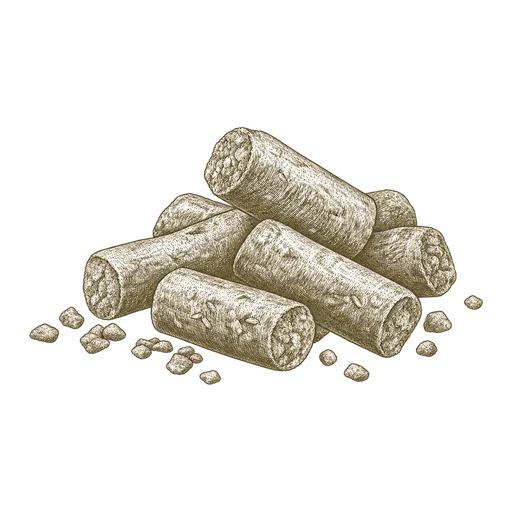
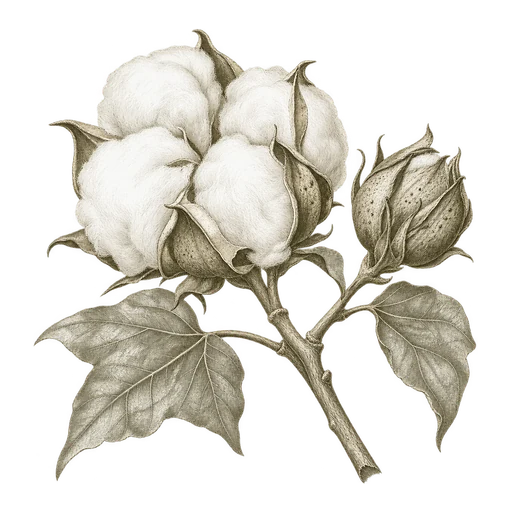
Cottonseed Hull Pellets

Cottonseed hull pellets are a pelleted cotton-processing co-product used as roughage in cattle diets. Compare the actual ingredient declaration and lot analysis, and match the product's physical characteristics to your ration and receiving setup.

Explore ingredient
Feed Ingredients

Cottonseed Meal

Cottonseed meal is a protein-containing co-product of cottonseed oil extraction used in animal feed. Processing affects its composition and gossypol characteristics, so compare a lot’s analysis and intended-species requirements before choosing an offer.

Explore ingredient
Dried Fruits

Dates

Dates are date-palm fruit sold as whole or pitted fruit, processed food ingredients and separate by-products such as pits or pulp. Specify the form and intended use first: each has different processing, quality measures and handling needs.

Explore ingredient
Seeds

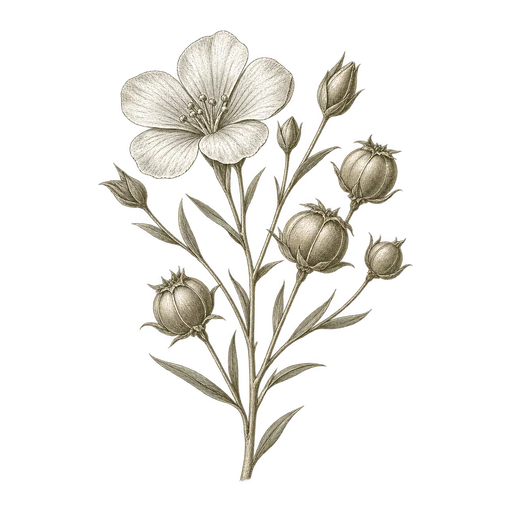
Flax

Flax is sourced as whole or ground seed, oil, meal and straw, with processing affecting product characteristics. Identify the form and intended market first, then compare the relevant analysis and receiving requirements.

Explore ingredient
Millet

Golden German

Golden German is a warm-season foxtail millet grown primarily as forage for hay, green feed, silage and swath grazing. Compare the offered form, harvest maturity and current forage analysis to match the material to your storage, receiving and livestock needs.

Explore ingredient
Pulses

Great Northern Beans

Great Northern beans are mature edible beans sourced as a food ingredient, most commonly specified as whole and dry for hydration and cooking. Distinguish them from canned beans and cull material, and compare lot analyses on a clearly stated basis.

Explore ingredient
Feed Ingredients

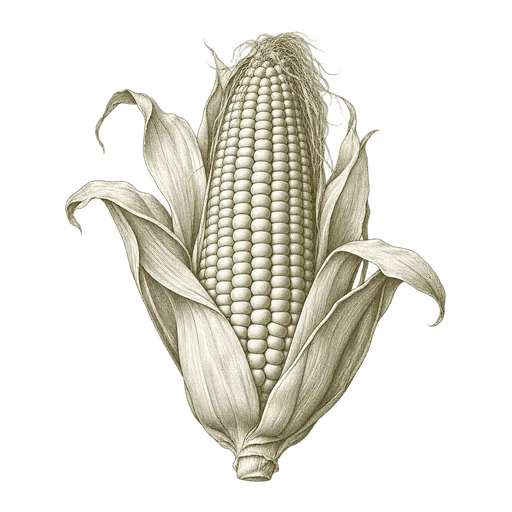
Hominy

Hominy feed is a variable corn-milling co-product used in livestock diets, distinct from nixtamalized food hominy. Compare the actual physical form and lot analysis, then evaluate its role in the complete ration and plan receiving and moisture-conscious storage.

Explore ingredient
Dried Vegetables

Kale

Kale is a leafy Brassica used as a fresh or preserved food and as forage. Choose the product by end use and form, then compare food specifications or forage analysis that matches the material being offered.

Explore ingredient
Dried Vegetables

Lettuce

Lettuce is sourced as fresh heads or leaves, cut product, processing residue or dried waste. The type and form determine its food or potential by-product use, the quality details to compare and the handling needed for a bulk order.

Explore ingredient
Pulses

Maple Peas

Maple peas are a specialty type of field pea sourced for markets including racing-pigeon food. Variety and lot can differ in seed-coat and cotyledon color, size and analysis, so buyers should specify the required form and compare lot-level details for the intended use.

Explore ingredient
Feed Ingredients

Molasses

Molasses is a sugar-production by-product used in animal feeds for soluble sugars, palatability and, in some products, binding or pellet processing. Compare cane and beet sources, liquid and dry forms, and lot analysis on a consistent basis before arranging bulk receiving and storage.

Explore ingredient
Feed Ingredients

Peanut Hull Pellets

Peanut hull pellets are a processed peanut-shell by-product used as high-fiber roughage in beef cattle rations. Compare lot analysis and pellet characteristics, since processing changes effective fiber and the right role depends on the complete ration.

Explore ingredient
Feed Ingredients

Peanut Hulls

Peanut hulls are bulky, fiber-rich peanut shells used in some cattle roughage and concentrate formulations. Compare whole versus processed form and review the offered lot’s analysis, intended use and receiving requirements before arranging a bulk order.

Explore ingredient
Feed Ingredients

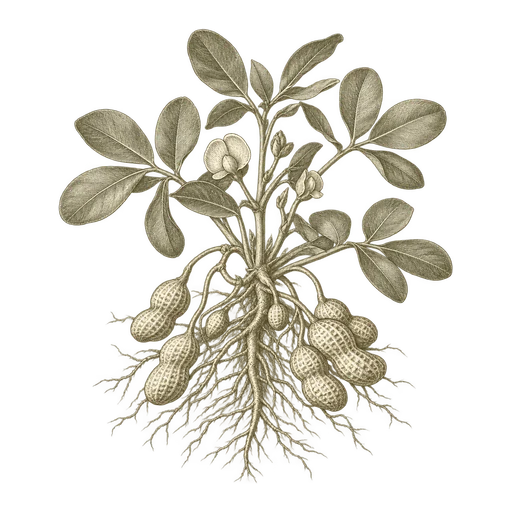
Peanuts

Peanuts are sourced as whole kernels and processed products such as peanut meal, hulls and skins. Identify the exact form and intended use first, then compare the relevant analysis and aflatoxin documentation before arranging a bulk shipment.

Explore ingredient
Dried Fruits

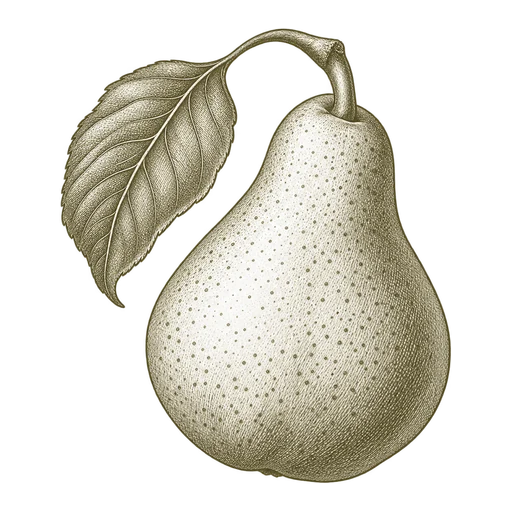
Pears

Pears are sourced as whole fresh fruit and as distinct processing products such as pulp, pomace and silage. Identify the form and intended use first: fresh-fruit maturity and handling requirements differ from feed-by-product analysis, receiving and storage needs.

Explore ingredient
Feed Ingredients

Soy Hull Pellets

Soy hull pellets are a pelleted, fiber-rich soybean co-product used in ruminant feed programs. Compare the offered lot analysis, any pellet additions, and physical handling characteristics to match the product to the ration and receiving setup.

Explore ingredient
Feed Ingredients

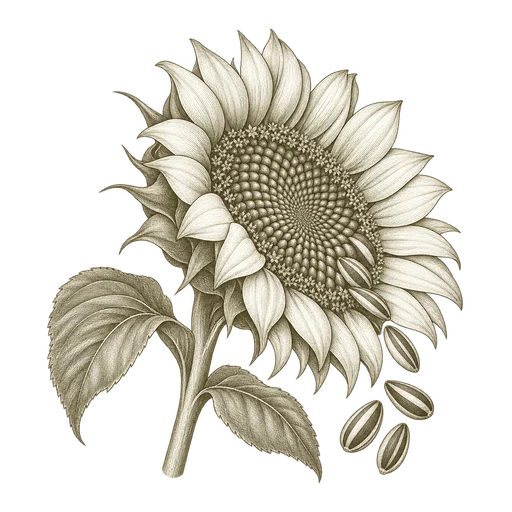
Sunflower Meal

Sunflower meal is a sunflower-seed oil-extraction residue used as a protein ingredient in animal feed. Compare dehulling, extraction method, physical form and lot analysis to determine how a bulk offer fits your feed formulation and receiving setup.

Explore ingredient
Dried Vegetables

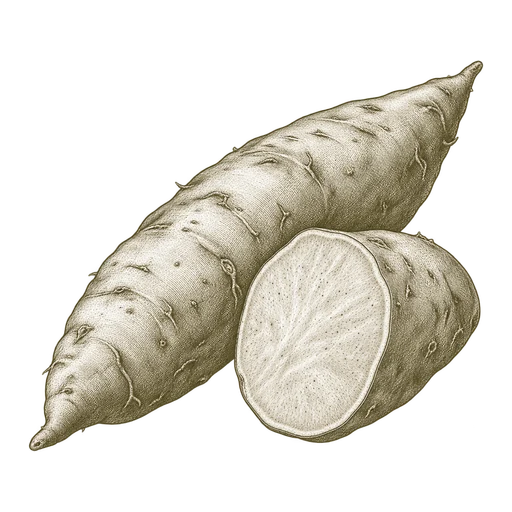
Sweet Potato

Sweet potato bulk materials include roots, vines and processing co-products. Identify the plant part, form and processing method first, then compare composition and handling needs for the intended food or feed use.

Explore ingredient
Starches/Fibers/Proteins

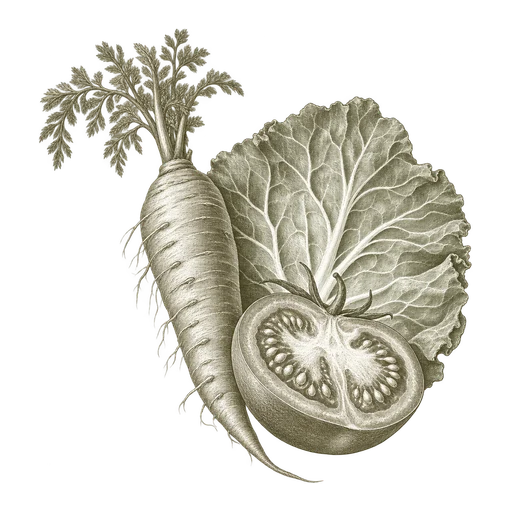
Vegetable Pomace

Vegetable pomace is a variable residue from vegetable processing, not a single standardized ingredient. Identify the source and processing, then compare wet or dried form, moisture and relevant analysis to determine whether a specific lot fits a feed or food application.

Explore ingredient
Feed Ingredients

Wheat Midd Pellets

Wheat midd pellets are a compacted wheat-milling co-product used in livestock feed. Because milling streams and nutrient composition vary, compare the offered lot analysis and reporting basis, then match pellet handling and dry storage to your facility.

Explore ingredient

What this feed-analysis collection covers

Feed analysis is a way to evaluate a defined sample of a feed ingredient, not a standard nutrient profile shared by every product in a collection. These ingredients span oilseed products, grain-processing co-products, crops and fruit or vegetable materials. Cottonseed meal and cottonseed hull pellets, for example, have different roles and should not be compared as if they were equivalent. Dried distillers grain and hominy are also distinct products, with composition affected by processing.

The ingredient name alone may not tell you enough to assess a lot. “Flax” could refer to seed or a processed meal, while dates can be supplied in different forms. Confirm the material’s identity, processing and physical form before interpreting results.

Make lab results useful for purchasing

Ask for a full analysis tied to the lot, including the sample date and sampling method. Check whether values are reported as-fed or on a dry-matter basis; results on different bases are not directly comparable. Identify which values were measured and which were calculated, and use a sample that represents the material being purchased.

The useful panel depends on both the ingredient and intended species. For distillers grain used in cattle diets, moisture, crude protein, fat, phosphorus and sulfur can help characterize a lot. For cottonseed meal, ask whether free gossypol is reported and clarify whether the meal is dehulled and how it was processed. A general nutrient panel alone does not establish suitability.

Account for form and moisture

Cranberry pomace, dates, kale and lettuce can differ substantially by plant part, processing and moisture. Those details affect how a result should be interpreted and how a bulk load is handled. Confirm moisture and physical form before planning storage or unloading. Treat “Golden German” and other unclear names as an identity question: establish exactly what the product is before comparing analyses.

Common questions.

Should I compare feed analyses on an as-fed or dry-matter basis?+

Use the same basis for every result being compared. As-fed values include the ingredient’s moisture; dry-matter values remove that effect. Check the report’s stated basis before comparing lots.

Which additional tests matter for cottonseed meal and distillers grain?+

For cottonseed meal, ask whether free gossypol is reported. For distillers grain in cattle diets, moisture, phosphorus and sulfur are relevant alongside core nutrient values. Choose tests for the ingredient and intended use.

Can one lot’s analysis represent future bulk loads?+

Not automatically. Results describe the sampled lot, and composition can vary with processing and batch. Request analysis tied to the lot under consideration and confirm that the sample represents it.

Does a feed analysis establish suitability for pet food or human food?+

No. A livestock-feed analysis does not establish suitability or compliance for pet food or human food. Confirm intended-use status and applicable documentation separately.

Feed analysis · BUYER INSIGHTS

Go deeper before you source.

Focused guides to the specification, application, and delivery questions behind this ingredient.

FIELD GUIDE01Feed analysis
Buyer’s guide

Receiving and storing wheat midd pellets in bulk

Plan bulk wheat midd pellets receiving around facility capacity, unloading equipment, packaging needs, and dry storage. Protect pellets from moisture, which can swell, soften, and break them down.

Read this Insight
FIELD GUIDE02Feed analysis
Buyer’s guide

Where wheat midd pellets fit in livestock feed formulation

Wheat midd pellets can contribute energy, protein and fiber to livestock feeds, but their role depends on the species, animal class, complete ration and offered lot analysis. Understand the fiber and energy tradeoff before treating them as a substitute for grain or roughage.

Read this Insight
FIELD GUIDE03Feed analysis
Buyer’s guide

How to compare wheat midd pellets analysis and reporting basis

A practical guide to comparing wheat midd pellets analyses: align reporting basis and measures, then check how lot identity, mill-stream blend and sampling date affect what the report represents.

Read this Insight
FIELD GUIDE04Feed analysis
Buyer’s guide

Planning receiving and storage for wet vegetable pomace

A practical guide to planning wet vegetable pomace receiving and storage around lot history, moisture, stabilization, packaging and facility constraints.

Read this Insight
FIELD GUIDE05Feed analysis
Buyer’s guide

Evaluating vegetable pomace for a livestock feed formulation

Evaluate vegetable pomace for livestock feed by identifying its vegetable source and process, interpreting moisture and nutrient analysis on a clear basis, and having a nutrition professional assess it for the target animals and complete ration.

Read this Insight
FIELD GUIDE06Feed analysis
Buyer’s guide

How to compare vegetable pomace specifications by source and form

A practical guide to comparing vegetable pomace lots by source, processing history, physical form, moisture, and consistently reported nutrient and fiber analysis.

Read this Insight