Grains
Alfalfa
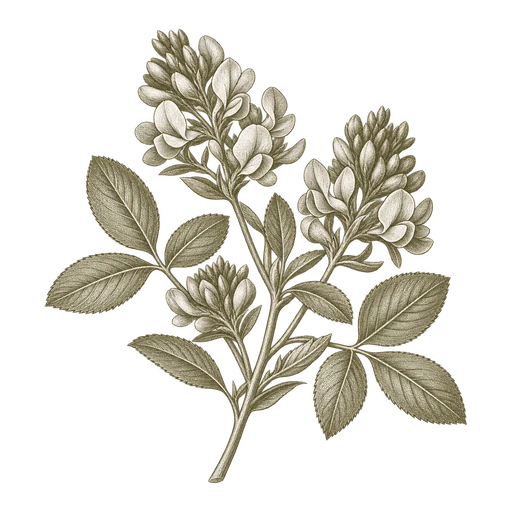
Alfalfa is a forage legume sourced as hay, silage, meal or pellets for livestock feed. Match the form to receiving and ration needs, then compare a lot-specific analysis on a consistent basis.
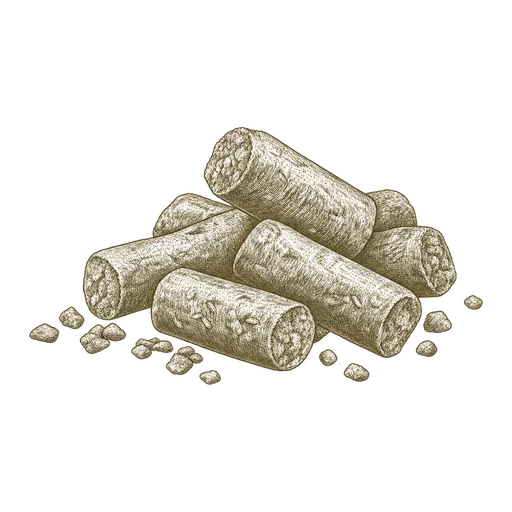
Explore ingredientA practical guide to comparing wheat midd pellets analyses: align reporting basis and measures, then check how lot identity, mill-stream blend and sampling date affect what the report represents.
A wheat midd pellets analysis is useful only when you know what material it represents. Wheat middlings are a milling co-product, and the proportions of milling streams in a blend can affect its nutrient profile. Pellet form describes how the material is physically processed; it does not establish a fixed protein, fiber, starch or mineral specification.
Database averages and reference tables can help with preliminary ration planning, but they are not a specification for a particular offer. For a purchase decision, use an analysis tied to the lot being considered. Check that the report identifies the product and lot clearly, and note when the sample was collected. A report from an earlier lot or an unspecified blend may not describe the material being quoted.
As-fed values describe the ingredient as it is received, including its moisture. Dry-matter values remove the effect of moisture so nutrient concentrations can be compared on the same moisture-free basis. The two presentations are not interchangeable: a nutrient percentage on a dry-matter basis will generally appear higher than the corresponding as-fed percentage when the material contains moisture.
If moisture and an as-fed nutrient value are reported as percentages, the conversion is: dry-matter nutrient percentage = as-fed nutrient percentage ÷ (100 − moisture percentage) × 100. Conversely, multiply a dry-matter nutrient value by the dry-matter fraction to express it as-fed. Keep the units and basis visible through calculations, and use the lab report’s stated basis rather than guessing.
When comparing two offers, first put both analyses on the same basis. Otherwise, a moisture difference can look like a difference in protein, fiber or starch concentration even when the underlying dry material is more similar. Ask for clarification if the report does not identify the basis.
Crude protein is a broad protein-related measure used in feed evaluation; it does not by itself describe the full amino acid profile or predict the ingredient’s role in a ration. Fiber needs careful interpretation: crude fiber and neutral detergent fiber (NDF) are different analytical measures, so one should not be substituted for the other. Compare like with like and retain the method or test name shown on the report when available.
Starch helps characterize the carbohydrate fraction, while ash represents the material remaining after the organic portion is removed and gives a broad indication of total mineral residue. Neither measure alone provides a complete picture of energy value or individual minerals. Phosphorus is a specific mineral measure; clarify whether the result is total phosphorus or another reported fraction before applying it in a formulation.
These measures answer different questions. A buyer comparing wheat midd pellets for a ration should share the intended comparison with the nutritionist or formulator, rather than treating one number as a stand-in for overall ingredient quality. Avoid interpreting small differences without considering reporting basis, analytical method and sample representativeness.
Wheat milling produces streams with differing characteristics, and the blend used to make wheat middlings can influence the resulting analysis. A report is therefore a description of the sampled material, not a universal profile for every lot sold under the same product name. A change in blend can change measured nutrient values even when the ingredient remains wheat midd pellets.
The sampling date connects the analysis to a point in production and helps buyers judge whether the report is relevant to the lot offered. Ask whether the sample represents that lot and whether the material or blend changed after sampling. A sample that is not representative can mislead even when its laboratory measurements are reported correctly.
For a practical comparison, line up the lot identity, sampling date, moisture, reporting basis and analytical measures. Compare protein with protein, crude fiber with crude fiber, and NDF with NDF; note any differences in methods or units. Check that starch, ash and phosphorus are presented on the same basis, and do not infer a nutrient value that is absent from the report.
Once the required measures and basis are clear, use the wheat midd pellets page to source the ingredient and request lot-specific analysis for the offer under consideration. Exact results, lot identity and commercial terms are supplier-dependent and should be established for the proposed order.
As-fed analysis includes the ingredient’s moisture; dry-matter analysis expresses nutrients after accounting for that moisture. Convert values only when moisture and the reporting basis are clear, and compare offers on the same basis.
No. An average is a reference, not a guarantee for a specific lot. Use an analysis identified with the lot being considered and verify its sampling date and reporting basis.
No. They are distinct fiber measures. Compare the same measure across reports and keep any stated analytical method or units with the result.
Focused guides to the specification, application, and delivery questions behind this ingredient.
Plan bulk wheat midd pellets receiving around facility capacity, unloading equipment, packaging needs, and dry storage. Protect pellets from moisture, which can swell, soften, and break them down.
Read this InsightWheat midd pellets can contribute energy, protein and fiber to livestock feeds, but their role depends on the species, animal class, complete ration and offered lot analysis. Understand the fiber and energy tradeoff before treating them as a substitute for grain or roughage.
Read this InsightAlfalfa is a forage legume sourced as hay, silage, meal or pellets for livestock feed. Match the form to receiving and ration needs, then compare a lot-specific analysis on a consistent basis.
Explore ingredientAlfalfa meal is ground forage used in animal feed, with sun-cured and dehydrated processing routes and meal or pellet forms. Compare the offered process, physical form and analysis against the needs of the species and feed formulation.
Explore ingredientAlfalfa pellets are ground, compressed forage used in livestock feeding and compound feeds. Compare the drying process, alfalfa material, forage analysis and pellet characteristics to choose a form that fits your ration and receiving setup.
Explore ingredientAlmond hulls are the dried outer layer of the almond fruit, sourced for ruminant feed as hull-only material or as a hull-and-shell mixture. Compare the lot’s composition, physical form, and handling needs before arranging a bulk shipment.
Explore ingredient