Independent sourcing. Better connections.Commercial buyers · Bulk ingredients
topic

Feed quality

Feed quality depends on what an ingredient is, how it was processed or harvested, and how its analysis fits the intended ration. This collection spans soybean and wheat milling co-products, forage crops and materials whose product form is not clear from the name alone. Confirm identity and lot analysis before comparing bulk options.

5 ingredients6 published Insights
EXPLORE THE COLLECTION

Feed quality ingredients

Feed Ingredients

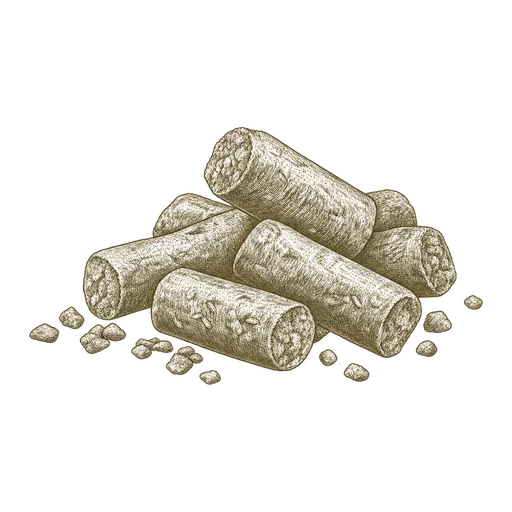
Soy Hull Pellets

Soy hull pellets are a pelleted, fiber-rich soybean co-product used in ruminant feed programs. Compare the offered lot analysis, any pellet additions, and physical handling characteristics to match the product to the ration and receiving setup.

Explore ingredient
Dried Vegetables

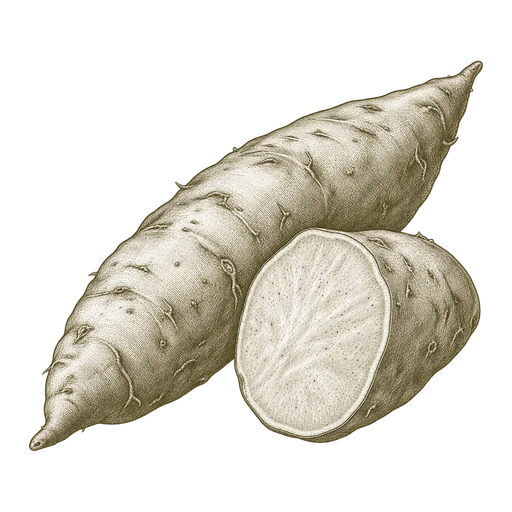
Sweet Potato

Sweet potato bulk materials include roots, vines and processing co-products. Identify the plant part, form and processing method first, then compare composition and handling needs for the intended food or feed use.

Explore ingredient
Pulses

Vetch

Common vetch is sourced as feed seed or as forage for grazing, hay and silage. These forms have different quality and handling considerations; identify the species, intended use and relevant lot analysis before comparing bulk offers.

Explore ingredient
Feed Ingredients

Wheat Midd Pellets

Wheat midd pellets are a compacted wheat-milling co-product used in livestock feed. Because milling streams and nutrient composition vary, compare the offered lot analysis and reporting basis, then match pellet handling and dry storage to your facility.

Explore ingredient
Millet

White Wonder

White Wonder is a foxtail millet forage type most closely associated with short-season hay production. Identify whether a bulk requirement is planting seed or harvested forage, then compare the matching seed-quality or forage-analysis information.

Explore ingredient

Different ingredients, different roles

This collection brings together materials that are not nutritionally interchangeable. Soy hull pellets are a soybean-processing co-product used as a fiber-based energy supplement in cattle diets. Wheat midd pellets are wheat-milling co-products; their exact milling fractions can vary. Pelleting changes handling and bulk density, but does not make the ingredients equivalent.

Vetch is a forage legume, while sweet potato can refer to roots, vines or both. White Wonder may refer to a foxtail millet variety, but the name alone does not establish whether a product is seed, grain or harvested forage. Identify the species and form before comparing feed value.

Read the analysis in context

A useful comparison starts with the intended animal, production stage and complete ration—not a single crude-protein figure. Request a representative analysis for the offered lot and check whether values are reported as-fed or on a dry-matter basis. Moisture, protein, fiber and energy measures should be compared on a consistent basis.

Forages require attention to harvest stage and preservation method; processed co-products require clear ingredient identity and form. Vetch species matters because feeding considerations differ, and common vetch has a bloat risk. Seek species-appropriate nutrition advice rather than assuming one feed-quality conclusion applies to every animal.

Plan for bulk handling

Pellets and meal have different handling characteristics. Wheat midd pellets can soften and deteriorate if they absorb moisture, so include storage conditions and expected turnover in the purchase decision. For forage materials, confirm whether the product is fresh, dried, hay or ensiled; those forms are not interchangeable.

When comparing quotes, align lot identity, product form, analysis basis, quantity and delivery terms. This makes it easier to compare cost against the nutrients actually delivered and the handling system available at the receiving site.

Common questions.

Can these feed ingredients be compared by crude protein alone?+

No. Ingredient form, moisture basis, fiber and energy, animal needs, and the rest of the ration all affect the comparison.

What details should I confirm for sweet potato and White Wonder?+

For sweet potato, confirm whether the product is roots, vines or both. For White Wonder, confirm the species and whether it is seed, grain, hay or another forage form.

Why does vetch species matter when buying feed?+

Vetch is not a single, fully specified feed identity. Confirm the species and product form; common vetch carries a bloat risk, so feeding decisions need appropriate animal-specific guidance.

What should I check on an analysis for bulk feed?+

Confirm that it represents the offered lot and note whether results are as-fed or on a dry-matter basis. Compare relevant nutrient measures on the same basis.

Feed quality · BUYER INSIGHTS

Go deeper before you source.

Focused guides to the specification, application, and delivery questions behind this ingredient.

FIELD GUIDE01Feed quality
Buyer’s guide

White Wonder millet bulk receiving and storage planning

Plan a White Wonder shipment by specifying planting seed or forage, sharing your receiving constraints, and arranging storage around the lot’s moisture information and instructions.

Read this Insight
FIELD GUIDE02Feed quality
Buyer’s guide

White Wonder millet for hay: how harvest stage affects forage evaluation

Harvest stage can help explain differences in foxtail millet hay, but forage analysis, seedhead condition and crop history give buyers a more complete basis for evaluation.

Read this Insight
FIELD GUIDE03Feed quality
Buyer's guide

White Wonder millet seed quality: germination, purity and moisture

For White Wonder millet purchased as planting seed, evaluate germination, physical purity, weed seed, foreign material and moisture on a clear, lot-specific test basis—not by relying on harvested-forage analysis.

Read this Insight
FIELD GUIDE04Feed quality
Buyer’s guide

Receiving and storing wheat midd pellets in bulk

Plan bulk wheat midd pellets receiving around facility capacity, unloading equipment, packaging needs, and dry storage. Protect pellets from moisture, which can swell, soften, and break them down.

Read this Insight
FIELD GUIDE05Feed quality
Buyer’s guide

Where wheat midd pellets fit in livestock feed formulation

Wheat midd pellets can contribute energy, protein and fiber to livestock feeds, but their role depends on the species, animal class, complete ration and offered lot analysis. Understand the fiber and energy tradeoff before treating them as a substitute for grain or roughage.

Read this Insight
FIELD GUIDE06Feed quality
Buyer’s guide

How to compare wheat midd pellets analysis and reporting basis

A practical guide to comparing wheat midd pellets analyses: align reporting basis and measures, then check how lot identity, mill-stream blend and sampling date affect what the report represents.

Read this Insight