Grains
Alfalfa
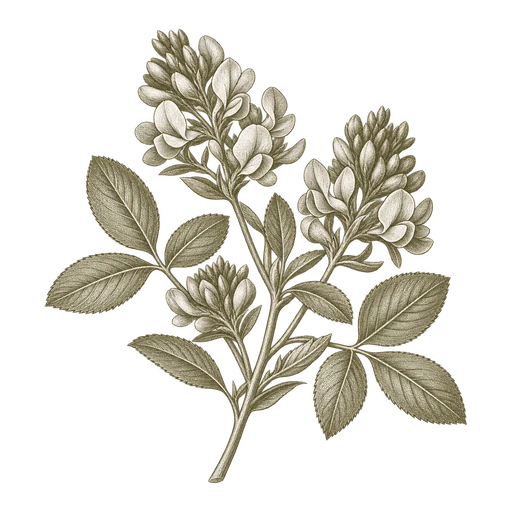
Alfalfa is a forage legume sourced as hay, silage, meal or pellets for livestock feed. Match the form to receiving and ration needs, then compare a lot-specific analysis on a consistent basis.
Explore ingredientPlan bulk wheat midd pellets receiving around facility capacity, unloading equipment, packaging needs, and dry storage. Protect pellets from moisture, which can swell, soften, and break them down.
A workable bulk wheat midd pellets order starts with the receiving point, not just the requested quantity. Before arranging a delivery, match the order quantity and unit to the facility’s storage capacity, then identify the destination and the date or timing window the site can accommodate. These details help a broker evaluate the request against the buyer’s actual receiving conditions.
Describe how the material can be unloaded and where it will go after arrival. A facility that receives through a specific intake or conveyor needs different arrangements from one that relies on another method or requires packaged product. State the equipment available, any access constraints, and how quickly the receiving area must be cleared. Do not assume a particular packaging or delivery method is offered; specify what your site can handle and have the available arrangement addressed in the quote.
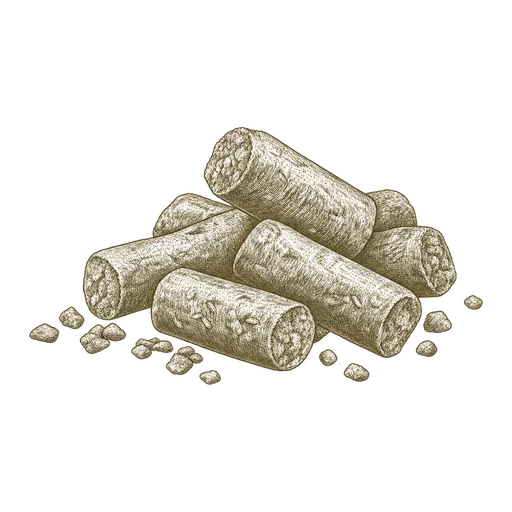
Wheat midd pellets are a formed product, so receiving plans should account for both the package or bulk arrangement and the way the pellets move through the facility. Confirm that the proposed packaging can be unloaded with the equipment on site, transferred into the intended storage area, and handled without relying on equipment the facility does not have.
If your site has restrictions on vehicle access, unloading time, operator availability, or where product can be staged, share them before accepting an arrangement. These practical constraints determine whether a proposed delivery can be received smoothly. They also help avoid a mismatch between the product’s packaging and the facility’s means of moving it into dry storage.
Moisture is a key handling concern for wheat midd pellets: exposure can cause pellets to swell, soften, and break down. That change can interfere with the physical form you intended to receive and handle. Plan to move product promptly from the unloading point into dry storage, rather than leaving it exposed while the facility catches up.
Inspect the route from the receiving area to storage for possible water entry, including roof or wall leaks, exposed transfer points, and areas where rain or wash water could reach the product. Ask who is responsible for checking those points and what happens if a leak is found. The goal is not simply to keep the storage space covered, but to protect the pellets during unloading and every transfer as well.
Keep storage and handling areas clean and protected from contamination. Set out how product will be transferred, where it will be held, and how the receiving team will keep the material away from water and unrelated materials. Since storage conditions and package details can vary by offer and facility, do not assume a shelf life or storage limit without product-specific information.
A useful sourcing request gives the broker enough detail to consider the complete receiving path. Include the requested quantity and unit, destination, required timing, acceptable packaging or bulk arrangement, unloading equipment, and any site access or appointment constraints. Also describe the available storage space and whether it is protected from leaks and other moisture exposure.
If you need a particular product form or have quality requirements that affect acceptance, state them separately from the logistics details. The physical receiving plan does not replace the product specification: buyers should address both so the offered pellets and the delivery arrangement can be evaluated against the purchase requirement.
Before finalizing an order, compare the proposed arrangement with the site’s capacity and confirm that the receiving team understands the unloading plan and moisture controls. Packaging, availability, delivery details, and commercial terms depend on the specific offer. Share the full receiving conditions when submitting a sourcing request for [Wheat Midd Pellets](/ingredients/wheat-midd-pellets).
Moisture can make wheat midd pellets swell, soften, and break down. Plan to protect them during unloading and transfers, then move them into dry storage.
Check storage capacity, unloading equipment, site access, and the route from receiving to storage. Look for leaks or exposed transfer points where water could reach the pellets.
Provide the quantity and unit, destination, timing, unloading setup, acceptable packaging or bulk arrangement, and any receiving constraints. Include storage and moisture-protection details so the proposed arrangement can be assessed against the facility.
Focused guides to the specification, application, and delivery questions behind this ingredient.
Wheat midd pellets can contribute energy, protein and fiber to livestock feeds, but their role depends on the species, animal class, complete ration and offered lot analysis. Understand the fiber and energy tradeoff before treating them as a substitute for grain or roughage.
Read this InsightA practical guide to comparing wheat midd pellets analyses: align reporting basis and measures, then check how lot identity, mill-stream blend and sampling date affect what the report represents.
Read this InsightAlfalfa is a forage legume sourced as hay, silage, meal or pellets for livestock feed. Match the form to receiving and ration needs, then compare a lot-specific analysis on a consistent basis.
Explore ingredientAlfalfa meal is ground forage used in animal feed, with sun-cured and dehydrated processing routes and meal or pellet forms. Compare the offered process, physical form and analysis against the needs of the species and feed formulation.
Explore ingredientAlfalfa pellets are ground, compressed forage used in livestock feeding and compound feeds. Compare the drying process, alfalfa material, forage analysis and pellet characteristics to choose a form that fits your ration and receiving setup.
Explore ingredientAlmond hulls are the dried outer layer of the almond fruit, sourced for ruminant feed as hull-only material or as a hull-and-shell mixture. Compare the lot’s composition, physical form, and handling needs before arranging a bulk shipment.
Explore ingredient