Independent sourcing. Better connections.Commercial buyers · Bulk ingredients
topic

Storage and handling

Storage and handling considerations across bulk ingredients vary with physical form, composition, intended use, and storage conditions. Review product-specific documentation and lot details rather than applying one storage rule to every ingredient.

16 ingredients6 published Insights
EXPLORE THE COLLECTION

Storage and handling ingredients

Peanuts

Raw Peanut Hearts

Raw peanut hearts is an ambiguous trade description: it can refer to the peanut embryo or be used without clearly distinguishing it from intact kernels. Define the exact form, processing condition and lot quality before comparing bulk offers or matching the product to a food process.

Explore ingredient
Pulses

Red Lentils

Red lentils are sold whole, split, or split and dehulled for food processing and, where appropriate, feed use. Compare the physical form and quality factors such as moisture, foreign material, damage and color to match the order to its intended use.

Explore ingredient
Millet

Red Proso

Red proso is red-seeded proso millet sold for markets that include feed and birdseed. Choose whole, cracked or ground grain to fit the end use, and compare lot-specific physical quality and analysis against the buyer’s requirements.

Explore ingredient
Millet

Red Siberian

Red Siberian is a named foxtail millet variety associated with planting seed and forage production. Distinguish seed from harvested forage, and compare identity, purity, germination or feed-analysis information according to the material you need.

Explore ingredient
Grains

Rice

Rice is sourced in distinct forms—from rough, brown and milled kernels to broken rice and milling co-products such as bran. Identify the form, intended use and relevant quality measures to compare bulk offers appropriately.

Explore ingredient
Peanuts

Roasted Peanut Hearts

Roasted peanut hearts are roasted peanut kernels, but the name does not define whether a lot is whole, split or broken. Specify kernel form, roast method, skin and seasoning status, along with relevant quality documentation and receiving needs.

Explore ingredient
Starches/Fibers/Proteins

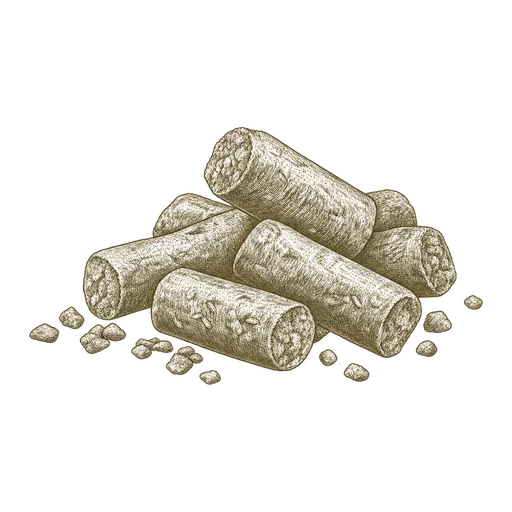
Tapioca Pellets

Tapioca pellets are a dried cassava-root feed ingredient used primarily as a carbohydrate and energy source in livestock rations. Their low protein content, variable composition and pellet-handling characteristics make ingredient identity, lot analysis and receiving equipment important parts of a bulk purchase.

Explore ingredient
Starches/Fibers/Proteins

Tapioca Starch

Tapioca starch is cassava-root starch used for thickening, binding and stabilization in food products and in selected feed formulations. Native, modified, pregelatinized and hydrolyzed forms can behave differently, so match the form and functional data to the process before arranging a bulk shipment.

Explore ingredient
Dried Vegetables

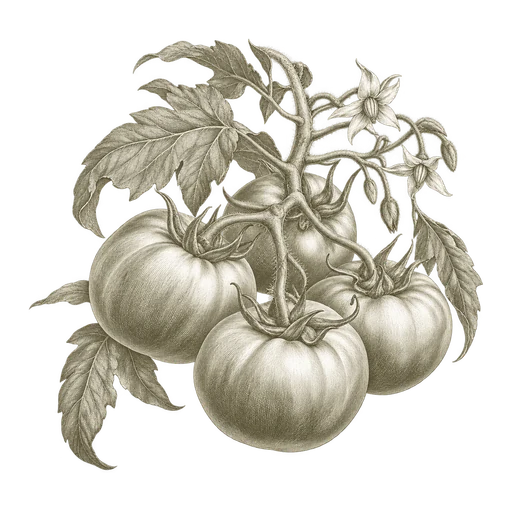
Tomato

Tomato pomace is a tomato-processing residue supplied in wet, dried, powdered or preserved forms. Compare the form, composition and intended feed or food use, since moisture and the proportions of skins, seeds and pulp affect handling and formulation.

Explore ingredient
Animal Products

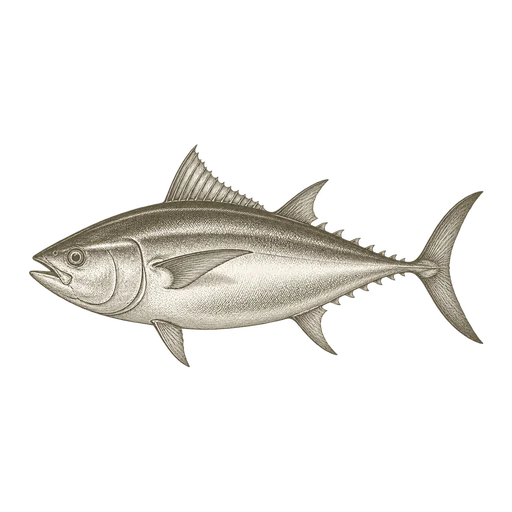
Tuna Meal

Tuna meal is a dried, ground fish ingredient used in feed formulations, including aquaculture diets. Its raw materials, processing, composition and physical form can differ, so compare lot analysis and handling requirements before arranging a bulk order.

Explore ingredient
Animal Products

Venison Meal

Venison meal is a ground deer-derived ingredient used in pet-food formulations. Compare source tissues, bone content, processing and lot-specific analysis to determine whether an offered product fits your formula and receiving requirements.

Explore ingredient
Starches/Fibers/Proteins

Vital Wheat Gluten

Vital wheat gluten is a dried wheat protein ingredient that develops an elastic, cohesive structure when hydrated. Buyers use it in bread, pasta, meat analogues and some feed formulations; compare its functional properties and quality analysis against the process before choosing a bulk product.

Explore ingredient
Feed Ingredients

Wheat Midd Pellets

Wheat midd pellets are a compacted wheat-milling co-product used in livestock feed. Because milling streams and nutrient composition vary, compare the offered lot analysis and reporting basis, then match pellet handling and dry storage to your facility.

Explore ingredient
Feed Ingredients

Wheat Midds

Wheat middlings are a variable wheat-milling co-product used in animal feed as meal or pellets. Compare the offered form and lot analysis with the target species’ ration and the facility’s storage and handling capacity.

Explore ingredient
Dairy Ingredients

Whey Protein Concentrate 34

Whey Protein Concentrate 34 is a spray-dried dairy powder used in food formulations for its whey protein contribution and functional effects on texture, water binding and viscosity. Compare protein basis, composition and process needs to distinguish it from higher-protein concentrates and isolate.

Explore ingredient

Storage decisions depend on ingredient form

This collection brings together ingredients with very different storage and handling needs. Rice and red lentils are unlike wheat midds and pellets; soybean oil needs a different approach from dry solids. Meals, starches, protein ingredients, and peanut hearts also differ in physical form and composition. An ingredient name alone does not establish its moisture, packaging, storage history, or handling specification.

That variety matters when planning bulk capacity and receiving procedures. Start with the specific form offered and intended use, then match storage conditions and equipment to its documented requirements rather than applying one rule across the collection.

Protect dry commodities from moisture and spoilage

For dry grains and pulses, moisture, temperature, and time in storage are important risk factors. Ask for the offered lot’s measured moisture result and test basis, and check how it was protected from rain or condensation during transport. On receipt, verify lot identity and packaging condition; look for evidence of wetting, heating, pests, or visible spoilage.

Moisture limits are not interchangeable across commodities, climates, or storage durations. Grain recommendations do not automatically apply to lentils, pellets, meals, powders, or other ingredients. Use the relevant product specification and your facility’s quality requirements.

Plan for different flow and handling properties

Particle size, physical form, and fat content can affect how ingredients move through conveying and feed systems. Before choosing bins or transfer equipment, request product-specific handling guidance for fine materials and oil-bearing ingredients. For soybean oil, establish the product’s processing form and obtain its own storage and temperature instructions.

For animal-feed and human-food uses, align receiving, storage, and segregation procedures with the intended use and your facility’s quality controls. Inspection frequency should reflect the ingredient, storage system, season, and risk—not a single schedule for every lot.

Common questions.

Is there one moisture limit for all ingredients in this collection?+

No. Appropriate limits depend on the ingredient, form, climate, storage duration, and applicable specifications. Request a lot-specific result and do not apply grain limits to oils, meals, pellets, or powders.

What should I check when a bulk ingredient arrives?+

Confirm the lot identity and documentation, inspect packaging, and review moisture results where relevant. Check for signs of wetting, heating, pests, or visible spoilage.

What storage information should I request for meals and powders?+

Request product-specific storage and handling instructions, physical form or particle-size information where relevant, and the offered lot’s specifications. Requirements for one meal or powder should not be assumed to fit another.

Can these ingredients all use the same storage area?+

Not necessarily. Suitability depends on the specific products, intended use, facility procedures, and any segregation requirements. Have your quality or food-safety team assess the proposed arrangement.

Storage and handling · BUYER INSIGHTS

Go deeper before you source.

Focused guides to the specification, application, and delivery questions behind this ingredient.

FIELD GUIDE01Storage and handling
Buyer’s guide

Planning bulk receiving and storage for Whey Protein Concentrate 34

A practical guide to planning bulk Whey Protein Concentrate 34 delivery, unloading and dry-powder storage around your facility’s requirements.

Read this Insight
FIELD GUIDE02Storage and handling
Buyer’s guide

Whey Protein Concentrate 34 in food formulation: matching function to process

WPC 34 can influence water management, browning and structure in bakery formulations, but protein percentage alone cannot predict how it will perform. Learn which product characteristics and process conditions to evaluate before sourcing.

Read this Insight
FIELD GUIDE03Storage and handling
Buyer’s guide

How to compare Whey Protein Concentrate 34 specifications

Compare Whey Protein Concentrate 34 analyses on a shared protein basis, then review the methods and composition measures that affect a meaningful, application-specific specification.

Read this Insight
FIELD GUIDE04Storage and handling
Buyer’s guide

Planning bulk wheat middlings receiving and storage

Plan bulk wheat middlings receiving around the product’s physical form, available storage capacity and unloading setup. Keep meal and pellets dry and protected from mold, with extra attention to pellets in hot, humid conditions.

Read this Insight
FIELD GUIDE05Storage and handling
Buyer’s guide

Wheat middlings in swine and beef cattle rations

Wheat middlings can contribute fiber and bulk to gestating-sow diets and energy, protein and fiber to beef cattle rations. Their role depends on species, ration design and the actual lot analysis.

Read this Insight
FIELD GUIDE06Storage and handling
Buyer’s guide

How to compare wheat middlings analysis and milling fractions

Wheat middlings can vary with the milling fractions included. Compare clear ingredient identities and current lot analyses on the same moisture basis before using values to guide feed formulation or a bulk sourcing decision.

Read this Insight