Grains
Alfalfa
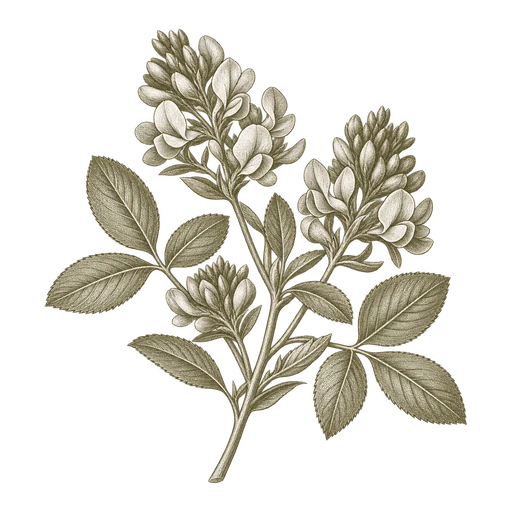
Alfalfa is a forage legume sourced as hay, silage, meal or pellets for livestock feed. Match the form to receiving and ration needs, then compare a lot-specific analysis on a consistent basis.
Explore ingredientWheat midd pellets can contribute energy, protein and fiber to livestock feeds, but their role depends on the species, animal class, complete ration and offered lot analysis. Understand the fiber and energy tradeoff before treating them as a substitute for grain or roughage.
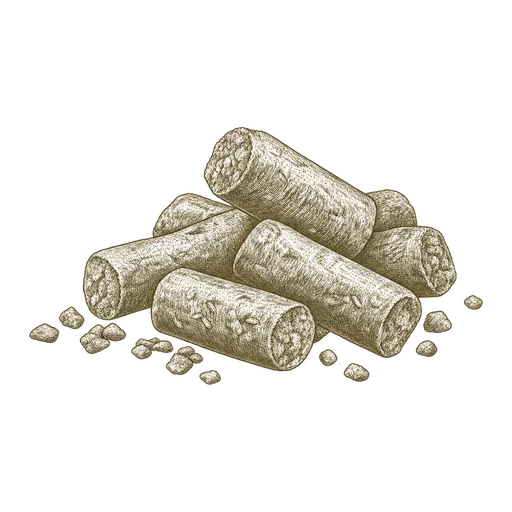
Wheat midd pellets are a pelleted form of wheat milling co-products, commonly grouped as wheat middlings. They can contribute energy, protein and fiber to livestock feeds, but their nutrient profile is not identical to wheat grain or forage. The proportions depend on the material and processing behind the offered lot.
That distinction matters when deciding where they fit. Wheat midd pellets are an ingredient to balance within a complete ration, not a one-for-one replacement for grain, roughage or another feed ingredient across every species. Cattle, swine and poultry differ in digestive function and nutrient requirements, so a formulation that makes sense for one class should not be carried over automatically to another.
For cattle, wheat midd pellets may contribute nutrients in a concentrate or mixed ration. Their fiber content can be relevant when balancing a ration, while their energy contribution needs to be evaluated against other ingredients and the animal’s requirements. Forage remains a separate formulation consideration: the fiber in a processed pellet does not automatically provide the same physical structure as long forage.
The cattle class and production stage help determine the role of the ingredient. A ration for growing or finishing cattle has different objectives from one for dairy cattle, and forage supply and the rest of the concentrate mix also affect the decision. A nutritionist can use the lot’s analysis to assess its contribution without treating its fiber content as a substitute for an appropriate roughage plan.
In swine diets, wheat midd pellets can serve as a source of energy and other nutrients, but their fiber makes energy density an important part of the comparison with more concentrated grain ingredients. As fiber rises, the usable energy contribution may differ from what a buyer would expect from the ingredient’s weight alone. The formulation should therefore use an appropriate nutrient analysis rather than assuming the pellets behave like wheat grain.
Animal class matters here too. Young pigs, growing-finishing pigs and breeding animals do not have interchangeable diet requirements or tolerances for fiber. The ingredient’s place in a swine ration depends on the animal group, the balance of the complete diet and the analysis used by the formulator. Avoid applying a single inclusion recommendation to every stage.
Poultry formulations require particular attention to the relationship between fiber and energy density. Wheat midd pellets can contribute nutrients, but their fiber content can dilute the energy concentration of a diet compared with more energy-dense ingredients. That tradeoff is important in a formulation where nutrient needs must be met within the planned feed intake.
Bird type and stage also shape the decision. A poultry nutritionist should evaluate the intended flock and complete ration, not assume that an ingredient used in one poultry diet is appropriate in another. Pellet form describes how the ingredient is physically supplied; it does not by itself establish a nutrient value or a suitable inclusion level.
Before placing wheat midd pellets in a formulation, review the offered lot’s nutrient analysis and how the values are reported. Measures relevant to the ration may include moisture, protein, fiber, fat and energy-related values. The analysis basis matters when comparing figures: results reported on different bases cannot be compared directly without putting them on a consistent basis.
Also distinguish the pellets’ physical handling characteristics from their nutritional role. Pelleting provides a formed product, but the label does not establish particle characteristics, nutrient uniformity or performance in a particular feed system. Ask for the information needed by the formulator and check that it describes the material being quoted.
The practical next step is to define the species and animal class, then have a qualified nutritionist evaluate the current lot analysis within the full ration. Once that use is clear, visit the wheat midd pellets sourcing page to discuss the relevant product form, quantity and destination. Exact analyses and commercial terms depend on the offered lot and transaction.
They can contribute nutrients in formulations for these livestock groups, but their role depends on the complete diet, animal class and lot analysis. A use that fits one species or production stage is not a universal recommendation for the others.
No. The fiber in processed pellets should not be assumed to provide the same physical structure as long forage. Formulators consider forage and the overall ration structure separately.
Fiber affects how the ingredient contributes to a ration’s energy density and how it compares with more concentrated ingredients. Its practical importance varies by species, animal class and the rest of the diet.
Focused guides to the specification, application, and delivery questions behind this ingredient.
Plan bulk wheat midd pellets receiving around facility capacity, unloading equipment, packaging needs, and dry storage. Protect pellets from moisture, which can swell, soften, and break them down.
Read this InsightA practical guide to comparing wheat midd pellets analyses: align reporting basis and measures, then check how lot identity, mill-stream blend and sampling date affect what the report represents.
Read this InsightAlfalfa is a forage legume sourced as hay, silage, meal or pellets for livestock feed. Match the form to receiving and ration needs, then compare a lot-specific analysis on a consistent basis.
Explore ingredientAlfalfa meal is ground forage used in animal feed, with sun-cured and dehydrated processing routes and meal or pellet forms. Compare the offered process, physical form and analysis against the needs of the species and feed formulation.
Explore ingredientAlfalfa pellets are ground, compressed forage used in livestock feeding and compound feeds. Compare the drying process, alfalfa material, forage analysis and pellet characteristics to choose a form that fits your ration and receiving setup.
Explore ingredientAlmond hulls are the dried outer layer of the almond fruit, sourced for ruminant feed as hull-only material or as a hull-and-shell mixture. Compare the lot’s composition, physical form, and handling needs before arranging a bulk shipment.
Explore ingredient