Independent sourcing. Better connections.Commercial buyers · Bulk ingredients
topic

Species-specific feed applications

Species-specific feed applications depend on the animal, the ration and the exact material being purchased. This collection includes processed feed ingredients, agricultural products and other materials with differing identities; inclusion here does not mean every item is suitable for every species. Compare product form and lot analysis before evaluating a bulk offer, and assess intended use with a qualified animal nutritionist or veterinarian.

41 ingredients6 published Insights
EXPLORE THE COLLECTION

Species-specific feed applications ingredients

Dried Fruits

Avocados

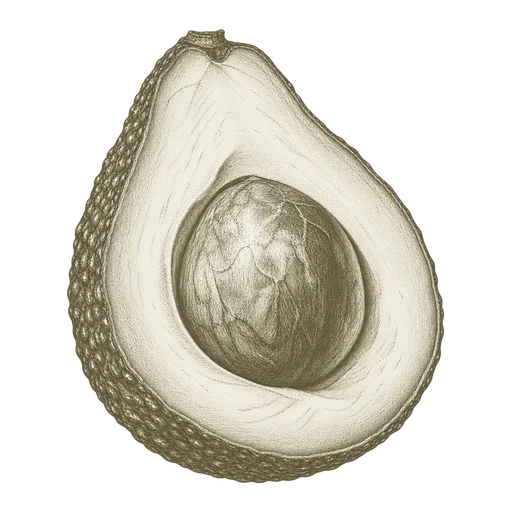
Avocado feed materials include distinct forms such as pulp-and-peel by-product, peel meal and dried meal. Fraction, processing, intended species and handling needs determine what analysis and safety information matter before a bulk purchase.

Explore ingredient
Starches/Fibers/Proteins

Beet Pulp Pellets

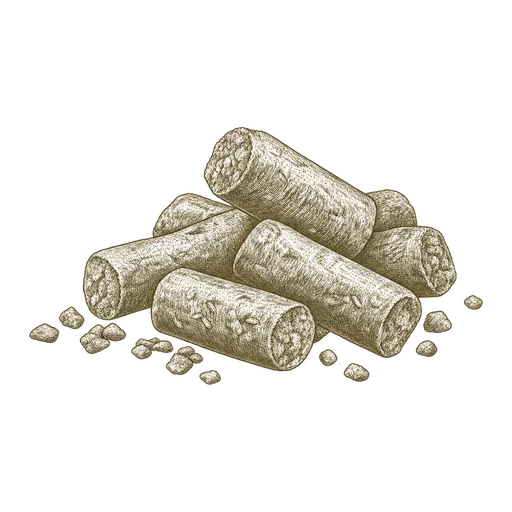
Beet pulp pellets are a dried, compacted sugar beet co-product used as a fibrous, energy-bearing ingredient in livestock feed. Compare molasses status, lot analysis and pellet handling needs to match the product to your ration and receiving setup.

Explore ingredient
Starches/Fibers/Proteins

Beet Pulp Shreds

Beet pulp shreds are dried, shredded sugar-beet pulp used as a digestible-fiber ingredient in livestock and horse diets. Compare the offered form, additions and lot analysis, then match the shipment and dry-storage plan to your receiving setup.

Explore ingredient
Dried Vegetables

Beets

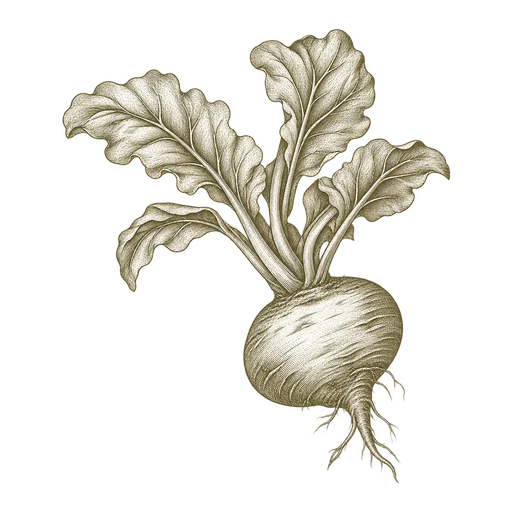
Sugar beet pulp is the fibrous residue left after sugar extraction and is used in livestock feed. Buyers can source moist pressed or dried shredded and pelleted forms; moisture, analysis and receiving needs determine which form fits a feed program.

Explore ingredient
Animal Products

Blood Meal

Blood meal is dried, powdered blood used as a protein ingredient in formulated feed and as a concentrated nitrogen fertilizer. Source, processing and intended use shape which analysis and handling details matter in a bulk purchase.

Explore ingredient
Animal Products

Bone Meal

Bone meal is dried, ground animal bone used as a mineral-bearing ingredient in feed and pet-food formulations. Compare cooked and steamed forms, source species, and calcium and phosphorus analysis to identify the material that fits the intended use.

Explore ingredient
Feed Ingredients

Brewer’s Grain

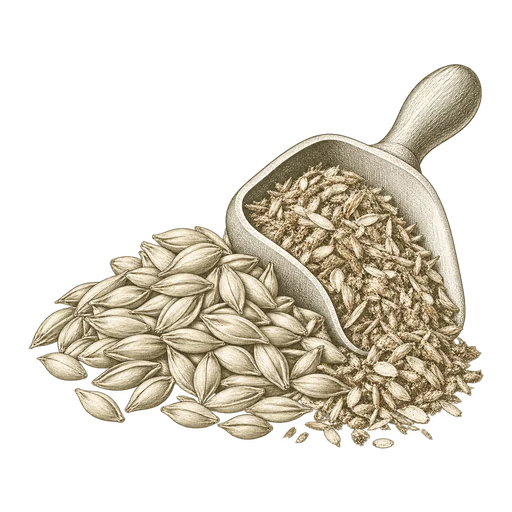
Brewer’s grain, or brewers’ spent grain, is a brewing co-product used particularly in cattle feed. Wet and dried forms differ in moisture, transport burden and storage needs; compare the offered form and lot analysis with your ration and receiving setup.

Explore ingredient
Starches/Fibers/Proteins

Brewer’s Yeast

Brewer’s yeast is a brewing-derived ingredient, but dried, liquid and further-processed yeast products are not interchangeable. Identify the intended use and exact form, then compare the lot analysis—especially crude protein for defined brewers dried yeast—before arranging a bulk order.

Explore ingredient
Grains

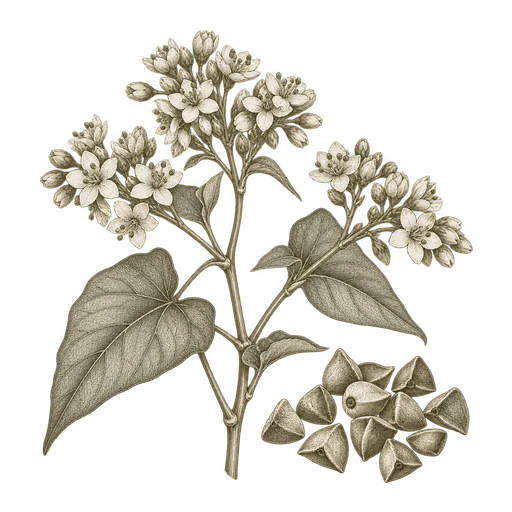
Buckwheat

Buckwheat is sourced as whole seed, dehulled groats, flour and milling by-products for food and feed uses. Choose the form and processing status for the intended use, and compare lot quality on a clearly stated basis.

Explore ingredient
Seeds

Canola

Canola refers to seed and products including edible oil and feed meal. For bulk sourcing, identify the product and, for meal, compare processing, physical form and lot analysis to match the feed formulation and receiving setup.

Explore ingredient
Other Seeds & Grains

Colored Safflower

Colored safflower is safflower seed identified by its appearance, but the name can mean naturally colored or artificially treated seed. Establish the product identity and intended use, then compare whole-seed condition, moisture and test weight for bird-feed applications.

Explore ingredient
Dried Fruits

Dates

Dates are date-palm fruit sold as whole or pitted fruit, processed food ingredients and separate by-products such as pits or pulp. Specify the form and intended use first: each has different processing, quality measures and handling needs.

Explore ingredient
Oils/Fats

Flaxseed Oil

Flaxseed oil is a liquid oil extracted from flaxseed and valued for its ALA content. Bulk buyers should distinguish edible, feed and industrial grades, compare extraction and oxidation measures, and plan packaging and storage to limit light exposure.

Explore ingredient
Grains

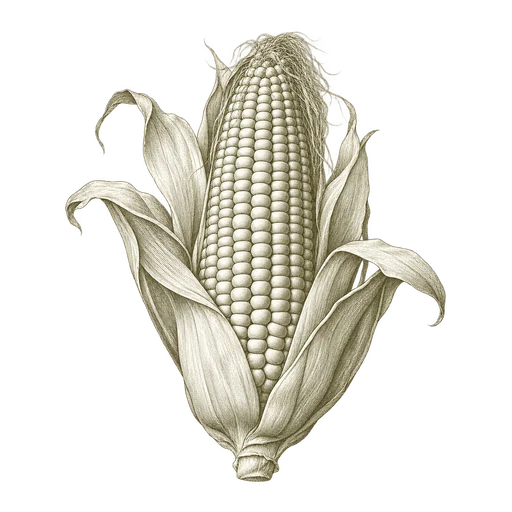
Ground Corn

Ground corn is milled corn grain used as an energy ingredient in livestock diets and commercial feed. Because the name does not define grind size, analysis or intended use, buyers should specify the particle-size requirement and quality measures that fit their process.

Explore ingredient
Feed Ingredients

Hominy

Hominy feed is a variable corn-milling co-product used in livestock diets, distinct from nixtamalized food hominy. Compare the actual physical form and lot analysis, then evaluate its role in the complete ration and plan receiving and moisture-conscious storage.

Explore ingredient
Dried Fruits

Mango

Mango-derived feed ingredients range from peel and mixed residue to whole seed and kernel meal. Identify the material and its processing first: those differences affect composition, formulation, analysis and storage decisions.

Explore ingredient
Seeds

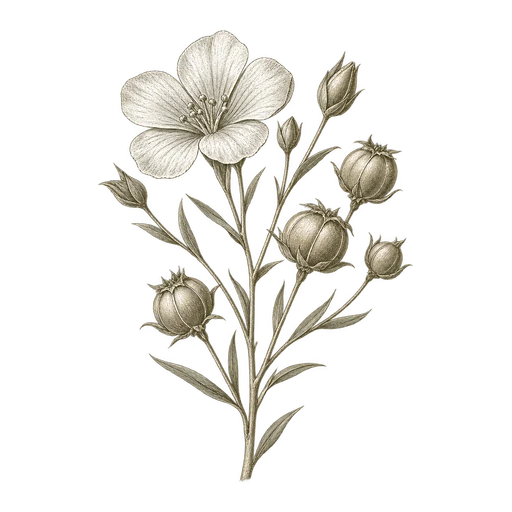
Milled Flaxseed

Milled flaxseed is ground flaxseed used in feed and food formulations. Distinguish whole-seed meal from oil-extracted linseed meal, then compare analysis, particle size and handling needs for the intended use.

Explore ingredient
Seeds

Mustard

Mustard can mean culinary seed, oilseed or oil-extraction meal. Compare species, physical form and processing method first; for meal, review its analysis and glucosinolate profile against the intended feed use.

Explore ingredient
Dried Fruits

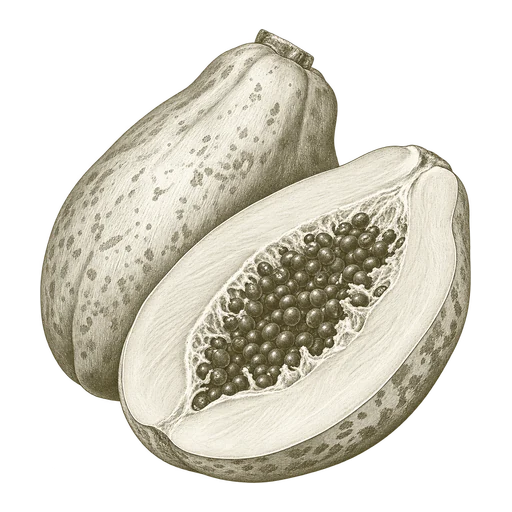
Papaya

Papaya is sourced as fresh fruit, puree, frozen or canned fruit, dried products, and distinct processing by-products. Identify the exact material and compare form-appropriate quality measures, handling needs and intended use.

Explore ingredient
Feed Ingredients

Pea Screenings

Pea screenings are a variable grain-cleaning fraction used in livestock feed formulation. Compare whether the lot is pea-only or mixed pulse material, its physical form, analysis basis and foreign-material profile before deciding whether it fits your ration and receiving equipment.

Explore ingredient
Peanuts

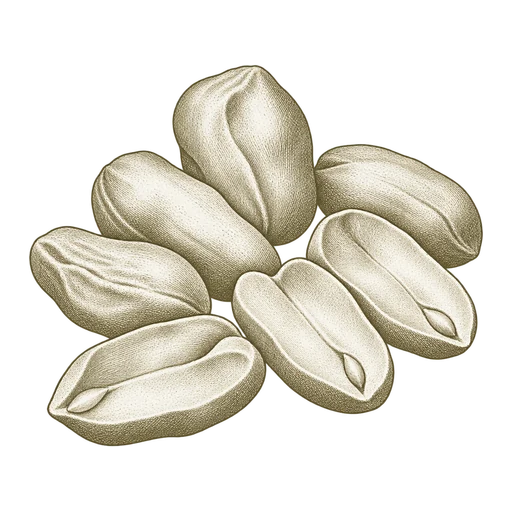
Peanut Meal

Peanut meal is a ground, oil-removed peanut ingredient used as a protein source in livestock feed. Extraction method and hull content affect its analysis, so compare lot-specific composition and aflatoxin information before matching a bulk offer to a feed formulation.

Explore ingredient
Dried Fruits

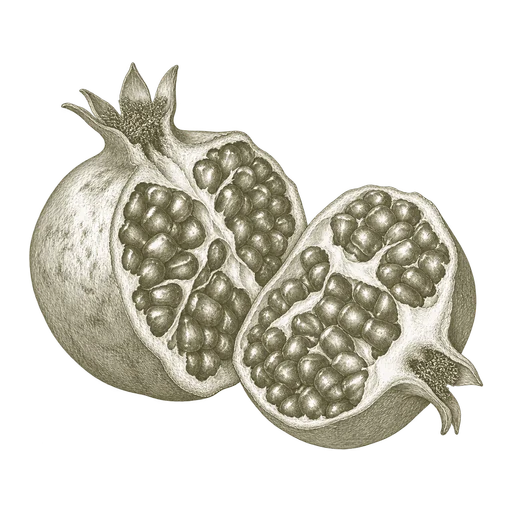
Pomegranate

Pomegranate feed by-products can be fresh, dried or ensiled, with composition shaped by the fruit parts and processing. Identify the exact material and compare its moisture basis and analysis before evaluating it for a ruminant ration.

Explore ingredient
Animal Products

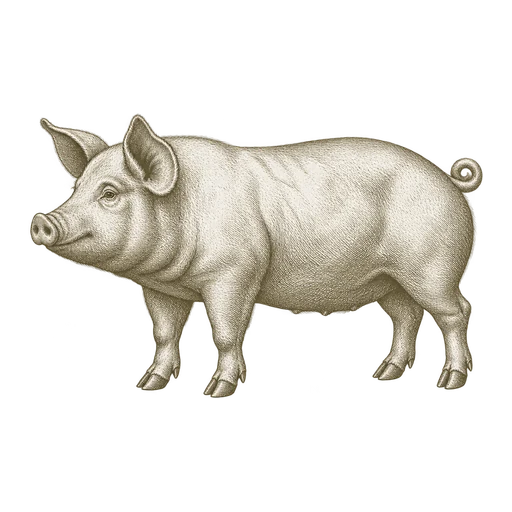
Porcine Meat Meal

Porcine meat meal is a rendered animal-protein ingredient identified as pig-derived. Compare documented product identity, nutrient and mineral analysis, and any amino-acid data needed for the intended feed formulation.

Explore ingredient
Animal Products

Porcine Plasma

Spray-dried porcine plasma is a pig-blood plasma fraction used in animal-feed formulation, with the clearest application evidence in early-weaned pig diets. Compare the ingredient identity, product-specific analysis and handling requirements before arranging a bulk order.

Explore ingredient
Seeds, Grains & Specialty

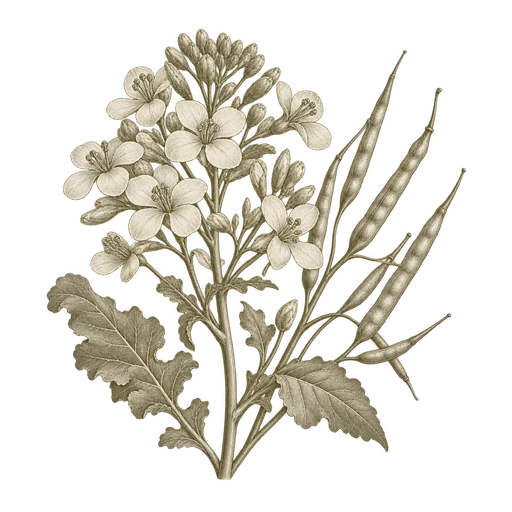
Rapeseed

Rapeseed can mean whole seed, oil or oil-extraction meal, and the crop name alone does not establish grade or end use. Compare product identity, intended application and relevant analysis before arranging a bulk purchase.

Explore ingredient
Millet

Red Proso

Red proso is red-seeded proso millet sold for markets that include feed and birdseed. Choose whole, cracked or ground grain to fit the end use, and compare lot-specific physical quality and analysis against the buyer’s requirements.

Explore ingredient
Grains

Rice Bran

Rice bran is a rice-milling co-product used in animal feed. Compare full-fat, defatted and stabilized forms, identify any blended milling fractions, and review current analysis because oil content, fibre and storage behavior affect formulation and handling.

Explore ingredient
Grains

Rye

Rye grain is used in feed formulations and milled for food products such as bread flour. Whole, broken and ground forms differ in handling, while starch, soluble non-starch polysaccharides and grain condition shape how buyers evaluate rye for a specific use.

Explore ingredient
Seeds

Safflower

Safflower is an oilseed sold as whole seed, oil and oil-extraction meal. For feed buyers, meal's hull content and extraction method shape its protein, fiber and residual oil profile, so compare the actual product analysis and intended use.

Explore ingredient
Seeds

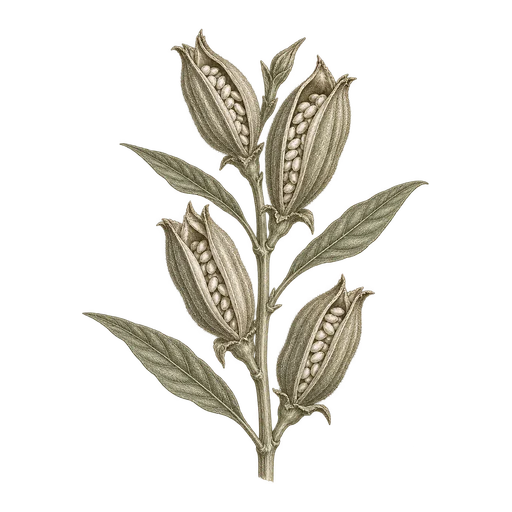
Sesame

Sesame is an oilseed sourced as whole or hulled seed, oil, and oil-extraction meal. Processing changes flavor, composition and use, so identify the exact form and compare quality measures suited to that product before arranging a bulk order.

Explore ingredient
Pulses

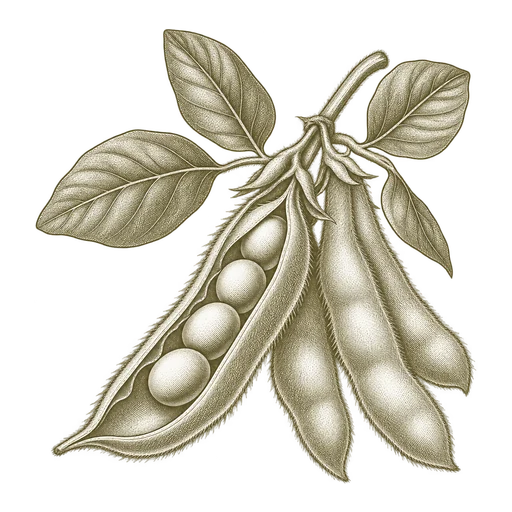
Soybeans

Soybeans are oilseeds sourced as whole beans or processed into distinct products such as soybean meal and oil. Identify the exact form and intended use first; heat treatment, analysis and grade matter when comparing lots for feed or food applications.

Explore ingredient
Dried Vegetables

Spinach

Bulk spinach is sourced as fresh leaves or dried, ground leaf, and those forms have different uses and handling needs. Fresh spinach for processing is judged by condition and cleanliness; dried leaf requires product-specific composition and storage information.

Explore ingredient
Sunflower Seeds

Stripes

Striped sunflower seed, often shortened to “stripes,” is whole sunflower seed with its hull attached. Buyers compare seed size, hull status and lot condition for bird-feed use, mixes or dehulling; the shorthand alone does not establish food-grade suitability.

Explore ingredient
Dried Vegetables

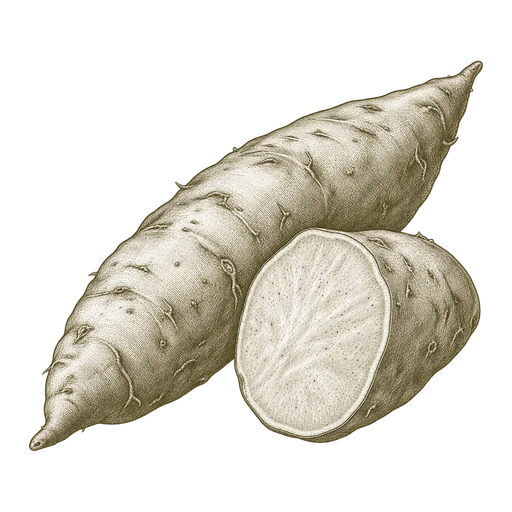
Sweet Potato

Sweet potato bulk materials include roots, vines and processing co-products. Identify the plant part, form and processing method first, then compare composition and handling needs for the intended food or feed use.

Explore ingredient
Pulses

Vetch

Common vetch is sourced as feed seed or as forage for grazing, hay and silage. These forms have different quality and handling considerations; identify the species, intended use and relevant lot analysis before comparing bulk offers.

Explore ingredient

Tree Nuts

Walnuts

Bulk walnuts can mean shelled kernels, pieces, ground kernel or oil-extraction meal. Identify the species, form and intended use first, then compare the quality measures and handling needs relevant to that product.

Explore ingredient
Feed Ingredients

Wheat Midd Pellets

Wheat midd pellets are a compacted wheat-milling co-product used in livestock feed. Because milling streams and nutrient composition vary, compare the offered lot analysis and reporting basis, then match pellet handling and dry storage to your facility.

Explore ingredient
Feed Ingredients

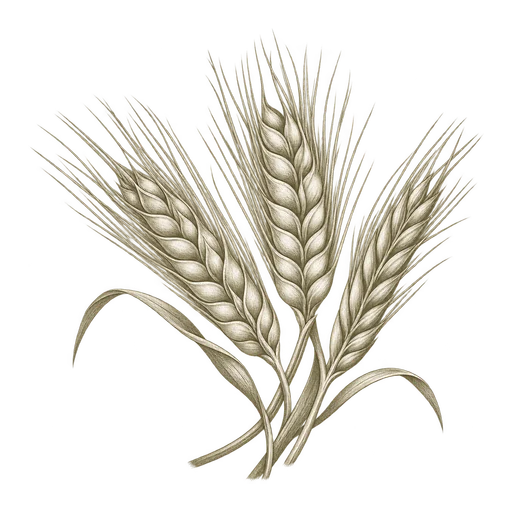
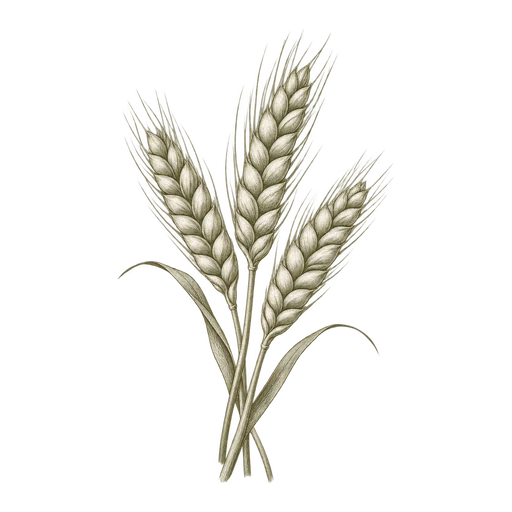
Wheat Midds

Wheat middlings are a variable wheat-milling co-product used in animal feed as meal or pellets. Compare the offered form and lot analysis with the target species’ ration and the facility’s storage and handling capacity.

Explore ingredient
Starches/Fibers/Proteins

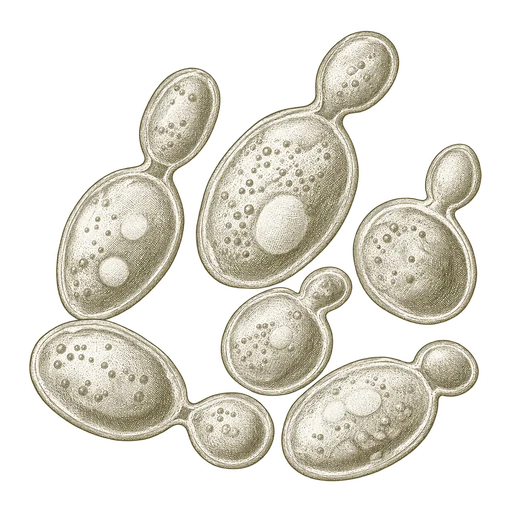
Yeast

Feed yeast covers distinct whole-cell, live, culture, extract, and cell-wall products. Compare source, processing, viability, and nutrient analysis to choose the form that fits an animal-feed formulation and bulk receiving plan.

Explore ingredient
Match the ingredient to the animal and ration

This collection brings together materials with different identities and potential uses—not a list of interchangeable feeds. Beet pulp pellets and beet pulp shreds are processed forms; whole beets are a different product. Brewer’s grain and brewer’s yeast are also distinct. In dairy-cattle rations, beet pulp and brewer’s grain can contribute fiber, while hominy is starch-rich. Those roles do not establish suitability for every species or ration.

Some uses are specifically species-dependent. Beet pulp is used as an alternative feedstuff for horses, but the ration still needs appropriate nutrient balance. Canola can refer to different products, including seed, oil and meal, so confirm the offered form rather than assuming they have the same feed role.

Check product identity, analysis and handling

Before comparing bulk offers, establish how the material was processed and what the product contains. Ask for a current lot analysis with units and a dry-matter basis; moisture affects both ration calculations and the amount of usable dry matter delivered. For beet pulp, confirm pellet or shred form and any added components. For brewer’s products, verify whether the offer is grain or yeast.

Physical form and moisture also inform transport, unloading and storage plans. Confirm packaging or loading method and the handling conditions appropriate to that material. Nutrient values and storage requirements should be tied to the actual product and lot, not inferred from a broad ingredient name.

Keep species and safety boundaries clear

Do not treat every listed crop or by-product as an established feed for every animal. Avocado ingestion can cause toxicosis in animals, with susceptibility varying by species; it should not be treated as a routine feed ingredient. Blood meal and bone meal also need use-context checks, including requirements that apply to a particular species or production program. Have a qualified animal nutritionist or veterinarian assess the intended use and finished ration.

Common questions.

Can the same ingredient be used for every livestock species?+

No. A use supported for one species or ration does not establish suitability for another. Confirm the intended species and production stage, then assess the complete ration.

What should I verify when buying beet pulp in bulk?+

Confirm whether it is pellets or shreds, what components are included, and the lot’s analysis and moisture basis. These details affect ration calculations and handling.

Are brewer’s grain and brewer’s yeast interchangeable?+

No. They are different products. Verify which one is offered; the name alone does not establish its composition or function in a ration.

Is avocado a routine feed ingredient?+

No. Avocado ingestion can cause toxicosis in animals, and susceptibility varies by species. Do not assume avocado material is suitable feed.

Species-specific feed applications · BUYER INSIGHTS

Go deeper before you source.

Focused guides to the specification, application, and delivery questions behind this ingredient.

FIELD GUIDE01Species-specific feed applications
Buyer’s guide

Planning bulk yeast feed storage and receiving

Bulk feed yeast receiving depends on the offered form. Dry inactive yeast, live dry products, liquids and extracts require product-specific packaging, unloading and storage planning—especially when a live product carries a viability guarantee.

Read this Insight
FIELD GUIDE02Species-specific feed applications
Buyer’s guide

Live yeast or inactive yeast: feed formulation questions

Live and inactive yeast answer different feed-formulation needs. Compare viability for products intended to supply live cells, and product identity and nutrient composition for inactive yeast ingredients.

Read this Insight
FIELD GUIDE03Species-specific feed applications
Buyer’s guide

How to compare feed yeast specifications and product identity

Feed yeast specifications are meaningful only when product identity is clear. Compare source, organism, processing, activity status, and analytical basis before using protein, viable-cell, or functional-component measures to evaluate bulk offers.

Read this Insight
FIELD GUIDE04Species-specific feed applications
Buyer’s guide

Planning bulk wheat middlings receiving and storage

Plan bulk wheat middlings receiving around the product’s physical form, available storage capacity and unloading setup. Keep meal and pellets dry and protected from mold, with extra attention to pellets in hot, humid conditions.

Read this Insight
FIELD GUIDE05Species-specific feed applications
Buyer’s guide

Wheat middlings in swine and beef cattle rations

Wheat middlings can contribute fiber and bulk to gestating-sow diets and energy, protein and fiber to beef cattle rations. Their role depends on species, ration design and the actual lot analysis.

Read this Insight
FIELD GUIDE06Species-specific feed applications
Buyer’s guide

How to compare wheat middlings analysis and milling fractions

Wheat middlings can vary with the milling fractions included. Compare clear ingredient identities and current lot analyses on the same moisture basis before using values to guide feed formulation or a bulk sourcing decision.

Read this Insight