Independent sourcing. Better connections.Commercial buyers · Bulk ingredients
tag

Wheat co-products

Wheat co-products are milling fractions with distinct identities and forms, not a uniform ingredient group. This collection brings together Wheat Bran, Wheat Midds and Wheat Midd Pellets. Buyers can compare them by fraction composition, physical form, intended use and lot-specific analysis, while accounting for how loose material or pellets fit their bulk receiving and handling systems.

3 ingredients6 published Insights
EXPLORE THE COLLECTION

Wheat co-products ingredients

Starches/Fibers/Proteins

Wheat Bran

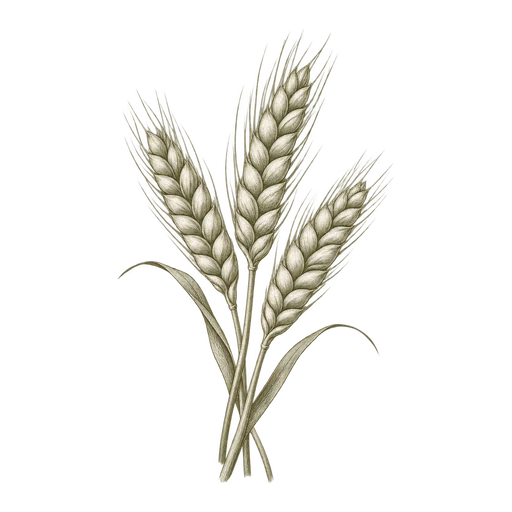
Wheat bran is the coarse outer layer separated during flour milling, used in livestock feed and as a fiber-containing food ingredient. Compare bran identity, flakes or meal, particle size and the analysis needed for your application.

Explore ingredient
Feed Ingredients

Wheat Midd Pellets

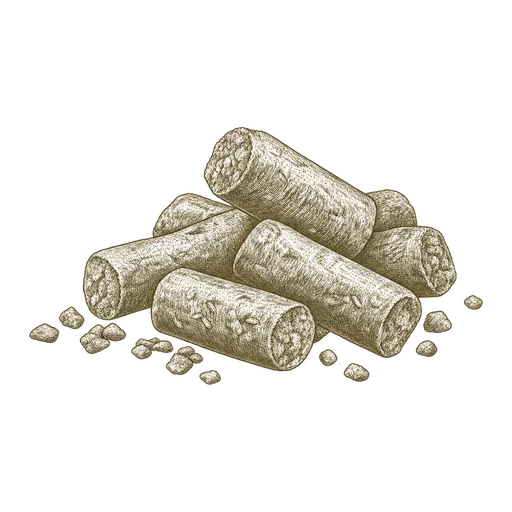
Wheat midd pellets are a compacted wheat-milling co-product used in livestock feed. Because milling streams and nutrient composition vary, compare the offered lot analysis and reporting basis, then match pellet handling and dry storage to your facility.

Explore ingredient
Feed Ingredients

Wheat Midds

Wheat middlings are a variable wheat-milling co-product used in animal feed as meal or pellets. Compare the offered form and lot analysis with the target species’ ration and the facility’s storage and handling capacity.

Explore ingredient

Bran and middlings are different milling fractions

Wheat Bran, Wheat Midds and Wheat Midd Pellets are co-products of wheat flour milling, but their names do not describe one interchangeable ingredient. Bran is more specifically the outer tissues of the wheat kernel, while middlings can contain a broader mix of bran, germ, shorts and other mill fractions. The proportions depend on milling and should be confirmed in the offered product specification.

Wheat midds and wheat middlings are commonly used as names for the same general product. The label alone does not establish a fixed composition, so compare specifications rather than assuming that two similarly named offerings will have identical nutrient profiles.

Physical form affects bulk handling

Wheat Midd Pellets are presented in a pelleted form; the name does not establish pellet dimensions, density, additives or nutritional equivalence to loose midds. Pelleting can reduce the volume constraint associated with low-bulk-density loose middlings, but buyers should confirm the form and handling characteristics that matter to their receiving and feeding systems.

For feed purchases, compare lot analyses on the same basis, including moisture or dry matter, protein, fiber, fat and relevant minerals. Match the product to the species and ration rather than treating a collection name as an inclusion recommendation. If considering bran for human food, verify intended-use grade and applicable food-safety documentation; feed-grade identity alone does not establish food suitability.

Common questions.

Are wheat midds and wheat middlings different?+

They are commonly used as names for the same general milling co-product. Check the product specification to confirm what fractions are included.

Can wheat bran and wheat middlings be substituted for each other?+

Not by name alone. Bran refers more specifically to outer kernel tissues, while middlings can contain a wider mix of milling fractions; compare their analyses and intended use.

What should buyers check when comparing loose midds and pellets?+

Confirm physical form, relevant handling characteristics and lot analysis. The word “pellets” does not specify dimensions, composition or nutritional equivalence.

Does wheat bran listed here qualify for human food?+

The category name does not establish food-grade suitability. Confirm intended-use grade and relevant food-safety documentation for the specific offering.

Wheat co-products · BUYER INSIGHTS

Go deeper before you source.

Focused guides to the specification, application, and delivery questions behind this ingredient.

FIELD GUIDE01Wheat co-products
Buyer’s guide

Planning bulk wheat middlings receiving and storage

Plan bulk wheat middlings receiving around the product’s physical form, available storage capacity and unloading setup. Keep meal and pellets dry and protected from mold, with extra attention to pellets in hot, humid conditions.

Read this Insight
FIELD GUIDE02Wheat co-products
Buyer’s guide

Wheat middlings in swine and beef cattle rations

Wheat middlings can contribute fiber and bulk to gestating-sow diets and energy, protein and fiber to beef cattle rations. Their role depends on species, ration design and the actual lot analysis.

Read this Insight
FIELD GUIDE03Wheat co-products
Buyer’s guide

How to compare wheat middlings analysis and milling fractions

Wheat middlings can vary with the milling fractions included. Compare clear ingredient identities and current lot analyses on the same moisture basis before using values to guide feed formulation or a bulk sourcing decision.

Read this Insight
FIELD GUIDE04Wheat co-products
Buyer’s guide

Receiving and storing wheat midd pellets in bulk

Plan bulk wheat midd pellets receiving around facility capacity, unloading equipment, packaging needs, and dry storage. Protect pellets from moisture, which can swell, soften, and break them down.

Read this Insight
FIELD GUIDE05Wheat co-products
Buyer’s guide

Where wheat midd pellets fit in livestock feed formulation

Wheat midd pellets can contribute energy, protein and fiber to livestock feeds, but their role depends on the species, animal class, complete ration and offered lot analysis. Understand the fiber and energy tradeoff before treating them as a substitute for grain or roughage.

Read this Insight
FIELD GUIDE06Wheat co-products
Buyer’s guide

How to compare wheat midd pellets analysis and reporting basis

A practical guide to comparing wheat midd pellets analyses: align reporting basis and measures, then check how lot identity, mill-stream blend and sampling date affect what the report represents.

Read this Insight