Independent sourcing. Better connections.Commercial buyers · Bulk ingredients
topic

Feed and food formulation

Feed and food formulation draws on ingredients with different origins, processing histories and intended uses. This collection includes triticale, vetch, wheat midd pellets, whey permeate, walnuts and tomato. Their forms range from grain and legume products to milling and dairy co-products, nuts and tomato ingredients. Buyers should identify the exact product and intended market before comparing composition or suitability.

6 ingredients6 published Insights
EXPLORE THE COLLECTION

Feed and food formulation ingredients

Dried Vegetables

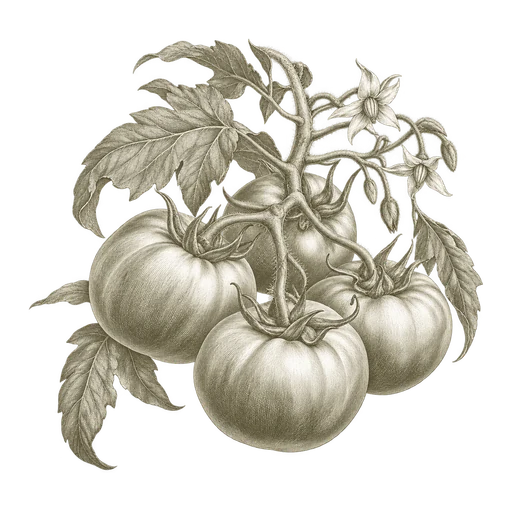
Tomato

Tomato pomace is a tomato-processing residue supplied in wet, dried, powdered or preserved forms. Compare the form, composition and intended feed or food use, since moisture and the proportions of skins, seeds and pulp affect handling and formulation.

Explore ingredient
Grains

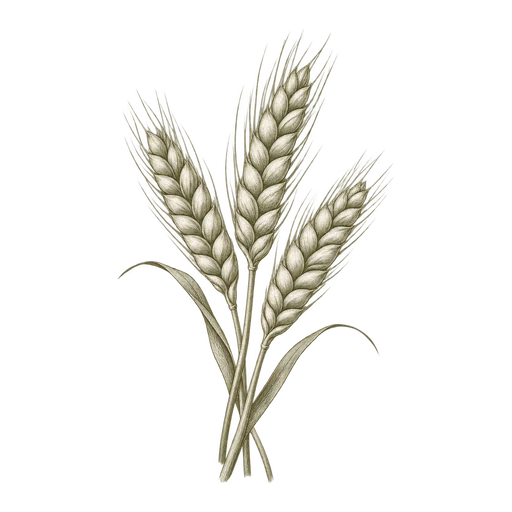
Triticale

Triticale is a wheat–rye cereal grain used mainly in livestock feed, with separate food and forage applications. Compare whole or processed forms and evaluate each lot’s condition and analysis against its intended use.

Explore ingredient
Pulses

Vetch

Common vetch is sourced as feed seed or as forage for grazing, hay and silage. These forms have different quality and handling considerations; identify the species, intended use and relevant lot analysis before comparing bulk offers.

Explore ingredient
Tree Nuts

Walnuts

Bulk walnuts can mean shelled kernels, pieces, ground kernel or oil-extraction meal. Identify the species, form and intended use first, then compare the quality measures and handling needs relevant to that product.

Explore ingredient
Feed Ingredients

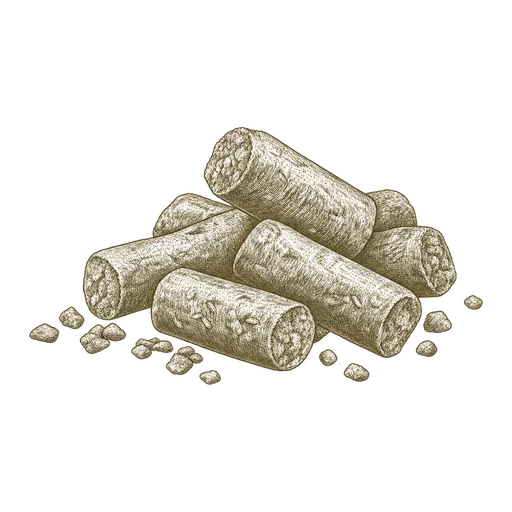
Wheat Midd Pellets

Wheat midd pellets are a compacted wheat-milling co-product used in livestock feed. Because milling streams and nutrient composition vary, compare the offered lot analysis and reporting basis, then match pellet handling and dry storage to your facility.

Explore ingredient

Different ingredients, different formulation roles

This collection brings together six ingredients with distinct origins and forms: triticale, vetch, wheat midd pellets, whey permeate, walnuts and tomato. Triticale may be supplied as grain or forage; vetch requires species and form identification, such as seed versus forage. Wheat midd pellets are a processed wheat-milling co-product, while whey permeate is a dairy co-product. These materials are not interchangeable simply because they appear in the same formulation topic.

Tomato and walnuts especially need a clear product description. Tomato can refer to different food ingredients or processing co-products, and their composition and intended use differ. Walnuts may be in-shell, shelled or a by-product; food-quality criteria for shelled kernels do not establish suitability as feed. Confirm intended food or feed use before comparing products.

Match the lot to the formulation and receiving system

Start with the exact traded form, species where relevant, intended market and a product-specific specification. A recent analysis should report the nutrients and moisture basis needed for formulation; for variable co-products, ask about the source process and material composition. Feed composition data for tomato pomace or vetch seed should not be applied to food-grade tomato products or vetch forage.

Physical form also affects purchasing and storage. Confirm whether wheat midds are pellets or meal and plan to protect pellets from moisture, which can contribute to deterioration in hot, humid storage. Shelled walnuts require protection from heat, moisture and oxygen to limit rancidity. For whey permeate, verify powder versus liquid and food versus feed designation so the product matches the receiving process and use.

Common questions.

Are the ingredients in this collection interchangeable between food and feed?+

No. Intended use, grade, processing and applicable quality requirements differ. Confirm the specific product designation; feed composition data does not establish food-grade compliance.

What details should I confirm for triticale and vetch?+

For triticale, confirm grain versus forage. For vetch, identify the species and whether the product is seed, forage, hay or silage; data and feeding considerations for one form do not automatically apply to another.

What should a buyer check on wheat midd pellets?+

Confirm that the product is pellets rather than meal, review a current analysis for the formulation-relevant nutrients and moisture basis, and ensure storage can limit moisture exposure.

How should buyers distinguish whey permeate products?+

Verify whether it is whey or milk permeate, powder or liquid, and designated for food or feed use. Those distinctions affect whether it fits the intended formulation and handling system.

Feed and food formulation · BUYER INSIGHTS

Go deeper before you source.

Focused guides to the specification, application, and delivery questions behind this ingredient.

FIELD GUIDE01Feed and food formulation
Buyer’s guide

Whey Permeate Bulk Shipping and Storage: Questions to Resolve Before Dispatch

Before arranging whey permeate delivery, match the offered form and packaging to your receiving equipment, storage capacity and site schedule. Confirm handling guidance and shipment documents for the specific product before dispatch.

Read this Insight
FIELD GUIDE02Feed and food formulation
Buyer’s guide

Whey Permeate in Swine Feed: Formulation Questions for Buyers

Whey permeate can contribute lactose and minerals to a swine ration, but its role depends on pig stage, product analysis, form, and the rest of the formula. See the formulation questions buyers and nutritionists should resolve before sourcing.

Read this Insight
FIELD GUIDE03Feed and food formulation
Buyer’s guide

Whey Permeate Specifications: How to Compare Lactose, Minerals, and Moisture

Compare whey permeate by its reporting basis, analytical methods and intended grade—not by headline values alone. Learn how lactose, ash, moisture, protein and powder characteristics inform a specification review.

Read this Insight
FIELD GUIDE04Feed and food formulation
Buyer’s guide

Receiving and storing wheat midd pellets in bulk

Plan bulk wheat midd pellets receiving around facility capacity, unloading equipment, packaging needs, and dry storage. Protect pellets from moisture, which can swell, soften, and break them down.

Read this Insight
FIELD GUIDE05Feed and food formulation
Buyer’s guide

Where wheat midd pellets fit in livestock feed formulation

Wheat midd pellets can contribute energy, protein and fiber to livestock feeds, but their role depends on the species, animal class, complete ration and offered lot analysis. Understand the fiber and energy tradeoff before treating them as a substitute for grain or roughage.

Read this Insight
FIELD GUIDE06Feed and food formulation
Buyer’s guide

How to compare wheat midd pellets analysis and reporting basis

A practical guide to comparing wheat midd pellets analyses: align reporting basis and measures, then check how lot identity, mill-stream blend and sampling date affect what the report represents.

Read this Insight