Independent sourcing. Better connections.Commercial buyers · Bulk ingredients
topic

Ingredient quality and analysis

Ingredient quality analysis starts with identifying the exact material and the purpose it must serve. This collection includes dairy powders and solids, marine meals and oils, plant ingredients, produce, hominy and medium chips. Their relevant tests and handling needs differ, so buyers should compare lot-specific documentation on a consistent basis and focus on measures suited to the intended use.

39 ingredients6 published Insights
EXPLORE THE COLLECTION

Ingredient quality and analysis ingredients

Dried Fruits

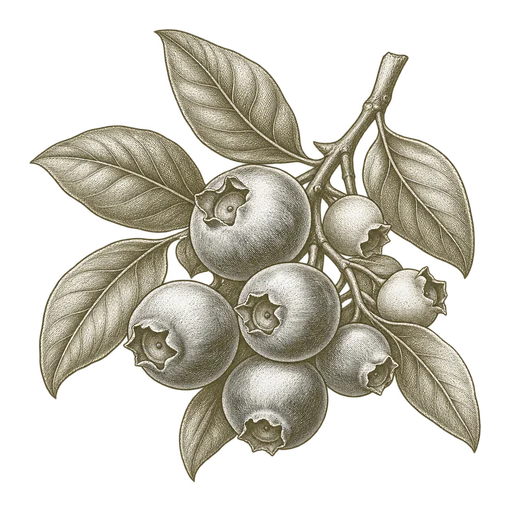
Blueberry Powder

Blueberry powder can come from whole fruit, juice or pomace, with carriers and drying methods affecting composition and handling. Compare the source fraction, ingredient statement and physical properties to match the powder to your food formulation.

Explore ingredient
Dried Vegetables

Carrot Powder

Carrot powder can be made from dried carrot tissue or from juice or concentrate, and those forms differ in fiber, composition and dispersibility. Match the powder to the food process, then compare relevant quality measures and handling needs for the bulk order.

Explore ingredient
Seeds

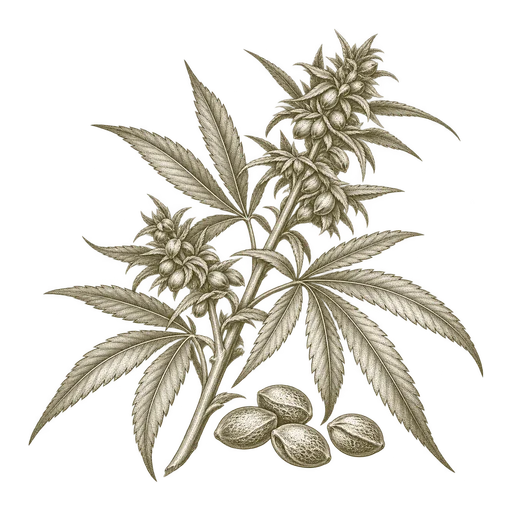
Hemp

Hemp covers distinct seed-derived ingredients, including hulled seed, oil, protein powder and press cake. Identify the plant part, processing and intended use first; for meal, compare a current lot analysis and its measurement basis.

Explore ingredient
Animal Products

Herring Fish Meal

Herring fish meal is a dried, ground fish ingredient used in animal and aquafeed formulations. Compare the lot’s analysis, raw material and physical form, then plan receiving and storage around its flow, moisture and residual-oil characteristics.

Explore ingredient
Feed Ingredients

Hominy

Hominy feed is a variable corn-milling co-product used in livestock diets, distinct from nixtamalized food hominy. Compare the actual physical form and lot analysis, then evaluate its role in the complete ration and plan receiving and moisture-conscious storage.

Explore ingredient
Dried Vegetables

Kale

Kale is a leafy Brassica used as a fresh or preserved food and as forage. Choose the product by end use and form, then compare food specifications or forage analysis that matches the material being offered.

Explore ingredient
Dried Fruits

Kiwi

Bulk kiwi can mean whole fruit, puree, dried fruit, peel, pomace, or extracted fiber. Specify the form and processing history, then compare analysis on a consistent basis and match receiving and storage plans to the product.

Explore ingredient
Dried Vegetables

Lettuce

Lettuce is sourced as fresh heads or leaves, cut product, processing residue or dried waste. The type and form determine its food or potential by-product use, the quality details to compare and the handling needed for a bulk order.

Explore ingredient
Dried Fruits

Mango

Mango-derived feed ingredients range from peel and mixed residue to whole seed and kernel meal. Identify the material and its processing first: those differences affect composition, formulation, analysis and storage decisions.

Explore ingredient
Sunflower Seeds

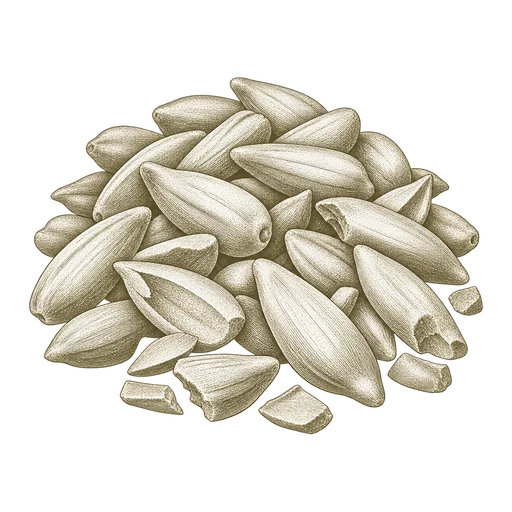
Medium Chips

Medium Chips commonly refers to broken, peeled sunflower kernels used in bird-feed and related ingredient markets. Because “medium” has no universal size definition, compare the sieve cut, intended grade and lot quality before arranging a bulk order.

Explore ingredient
Animal Products

Menhaden Fish Oil

Menhaden fish oil is a species-specific oil supplied as crude or further-refined product for distinct feed, aquaculture and human-food applications. Compare processing status, intended use and lot-specific composition before arranging a bulk order.

Explore ingredient
Dairy Ingredients

Milk Permeate

Milk permeate is a lactose- and mineral-rich dairy fraction used in food formulations including baked goods, dairy products, dry mixes and beverages. Bulk buyers can distinguish milk permeate from whey permeate and compare powder composition, reporting basis and handling needs against the intended application.

Explore ingredient
Dried Vegetables

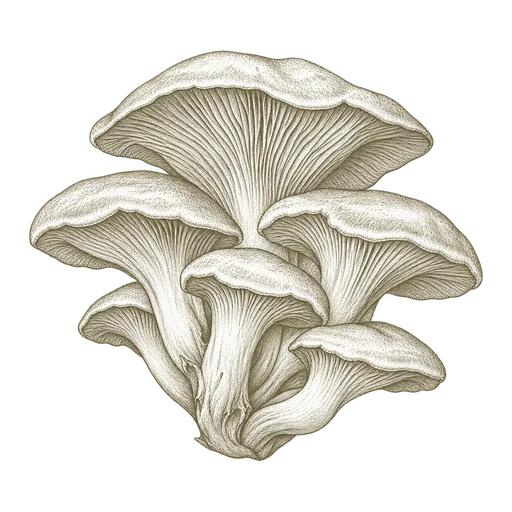
Mushrooms

Mushrooms are sourced in different species and forms, from whole edible fruiting bodies to powders and extracts. Identify the species, part and processing method first, then compare the analysis and handling details relevant to your food application.

Explore ingredient
Starches/Fibers/Proteins

Pea Hull Fiber

Pea hull fiber is milled field-pea seed coat used in food formulations and animal feed. Compare hull identity, fiber analysis basis, particle size and intended grade to choose material that fits the formulation and receiving setup.

Explore ingredient
Tree Nuts

Pine Nuts

Pine nuts are edible seeds sold shell-on, as shelled kernels or as extracted oil. Species, form and freshness criteria help buyers match the ingredient to food applications such as salads, desserts, sauces and further processing.

Explore ingredient
Dried Fruits

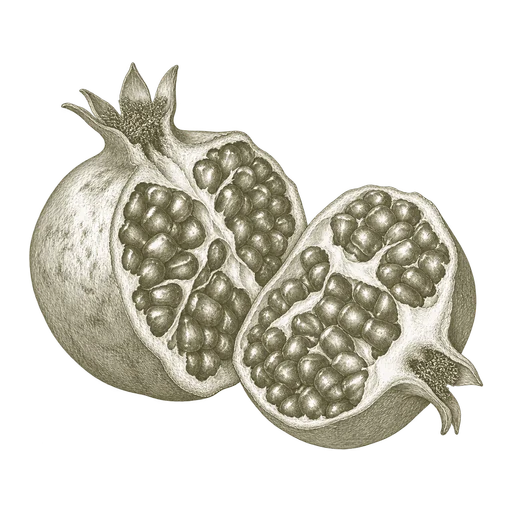
Pomegranate

Pomegranate feed by-products can be fresh, dried or ensiled, with composition shaped by the fruit parts and processing. Identify the exact material and compare its moisture basis and analysis before evaluating it for a ruminant ration.

Explore ingredient
Feed Ingredients

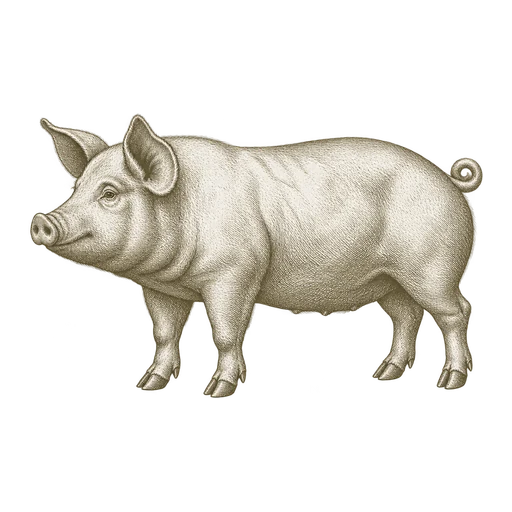
Pork Meal

Pork meal is rendered, ground pork-derived material used in animal-feed and pet-food manufacturing. Confirm whether bone is included, compare the offered lot analysis on a consistent basis, and match the form and handling details to your facility.

Explore ingredient
Dried Vegetables

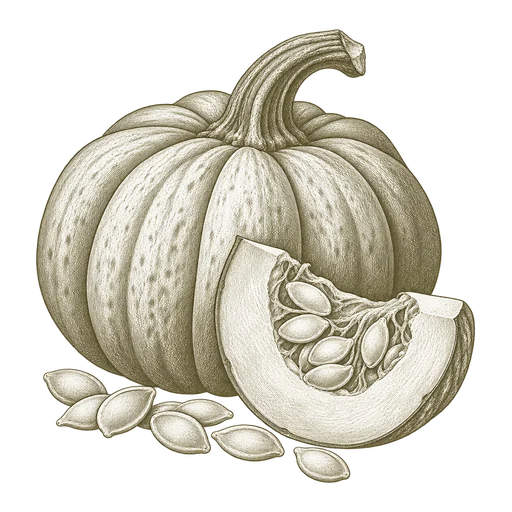
Pumpkin

Pumpkin is sourced as distinct ingredients—including pulp, peel, seeds and processing residues—in fresh, dried or other processed forms. Match the plant part and processing method to the intended food or feed use, then compare moisture, particle form and relevant analysis.

Explore ingredient
Other Seeds & Grains

Pumpkin Seed

Pumpkin seed can mean whole food seeds, hulled kernels, ground meal or oil-extraction cake. Choose the form for its intended food or feed use, and compare the specific product’s processing and analysis before sourcing in bulk.

Explore ingredient
Seeds, Grains & Specialty

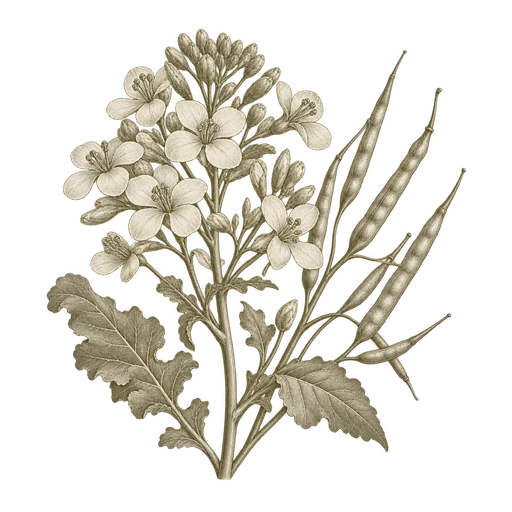
Rapeseed

Rapeseed can mean whole seed, oil or oil-extraction meal, and the crop name alone does not establish grade or end use. Compare product identity, intended application and relevant analysis before arranging a bulk purchase.

Explore ingredient
Seeds

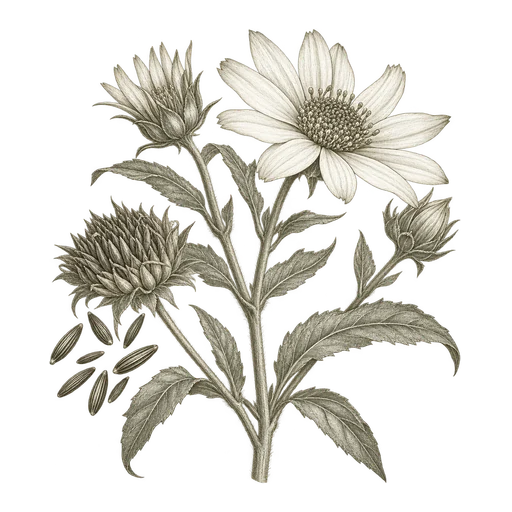
Safflower

Safflower is an oilseed sold as whole seed, oil and oil-extraction meal. For feed buyers, meal's hull content and extraction method shape its protein, fiber and residual oil profile, so compare the actual product analysis and intended use.

Explore ingredient
Animal Products

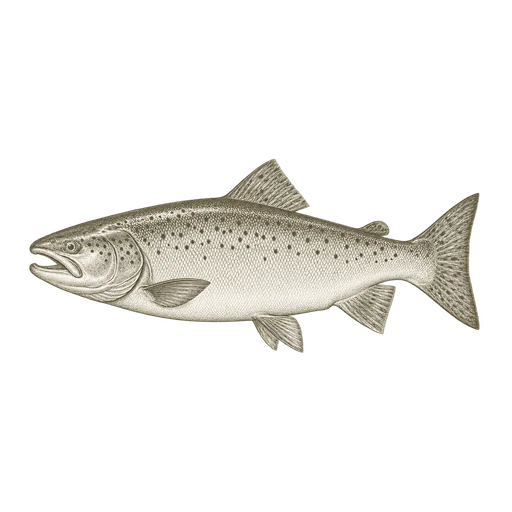
Salmon Meal

Salmon meal is dried, ground fish material used in aquaculture and animal feed formulations. Compare species identity, processing, and the offered analysis to determine how the meal fits your feed program and handling setup.

Explore ingredient
Grains

Spelt

Spelt is a hulled wheat sourced as grain, dehulled kernels, flour, or separated hulls. Choose the form for the intended food or feed use, and compare lot-specific functionality or feed analysis rather than assuming all spelt is equivalent.

Explore ingredient
Feed Ingredients

Sunflower Meal

Sunflower meal is a sunflower-seed oil-extraction residue used as a protein ingredient in animal feed. Compare dehulling, extraction method, physical form and lot analysis to determine how a bulk offer fits your feed formulation and receiving setup.

Explore ingredient
Dairy Ingredients

Sweet Whey

Sweet whey is a cheese-making co-product sold as liquid, concentrate or powder. The form affects composition, receiving and storage, while its lactose, protein, fat and minerals support food manufacturing and selected feed uses.

Explore ingredient
Seeds, Grains & Specialty

Thistle Seed

Milk thistle (Silybum marianum) is sourced as whole or ground seed and as processed products such as press cake and meal. Identify the botanical species and form first, then compare lot analysis and receiving needs for the intended feed application.

Explore ingredient
Dried Vegetables

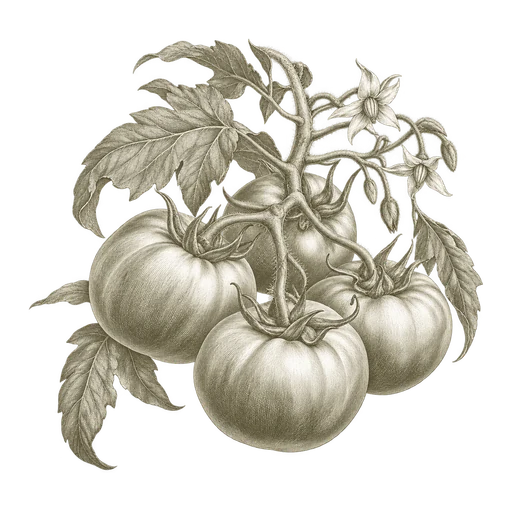
Tomato

Tomato pomace is a tomato-processing residue supplied in wet, dried, powdered or preserved forms. Compare the form, composition and intended feed or food use, since moisture and the proportions of skins, seeds and pulp affect handling and formulation.

Explore ingredient
Animal Products

Venison Meal

Venison meal is a ground deer-derived ingredient used in pet-food formulations. Compare source tissues, bone content, processing and lot-specific analysis to determine whether an offered product fits your formula and receiving requirements.

Explore ingredient
Dried Fruits

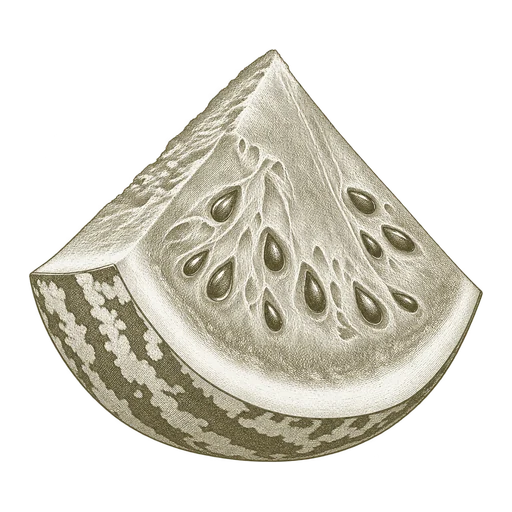
Watermelon

Watermelon ingredients include seed flour, meal, protein concentrate and rind meal, each with different processing and composition. Identify the plant part, processing and intended food or feed use before comparing bulk offers.

Explore ingredient
Starches/Fibers/Proteins

Wheat Germ

Wheat germ is a wheat-milling co-product used in food formulations and feed. Compare full-fat and defatted forms, processing history, and freshness measures to identify the material that fits your formulation and handling needs.

Explore ingredient
Feed Ingredients

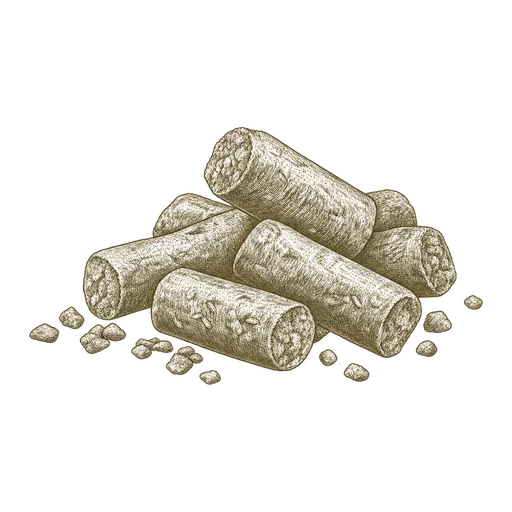
Wheat Midd Pellets

Wheat midd pellets are a compacted wheat-milling co-product used in livestock feed. Because milling streams and nutrient composition vary, compare the offered lot analysis and reporting basis, then match pellet handling and dry storage to your facility.

Explore ingredient
Dairy Ingredients

Whey Powder

Whey powder is a dried dairy ingredient used in food manufacturing and animal feed. Sweet and acid whey, and ordinary powder versus further-processed whey products, differ in composition and function—so match the product identity and lot analysis to the application.

Explore ingredient
Milo (Sorghum)

White Milo

White milo is white-class grain sorghum sold for feed and, when the lot meets end-user requirements, food processing. Compare whole and processed forms, grain condition, and the analysis and handling details your use requires.

Explore ingredient
Dairy Ingredients

Whole Milk Powder

Whole milk powder is a concentrated dairy ingredient used in bakery, confectionery, dry mixes, sauces and beverages. Compare regular and instantized forms, composition and reconstitution properties to match the powder to your food process.

Explore ingredient
Starches/Fibers/Proteins

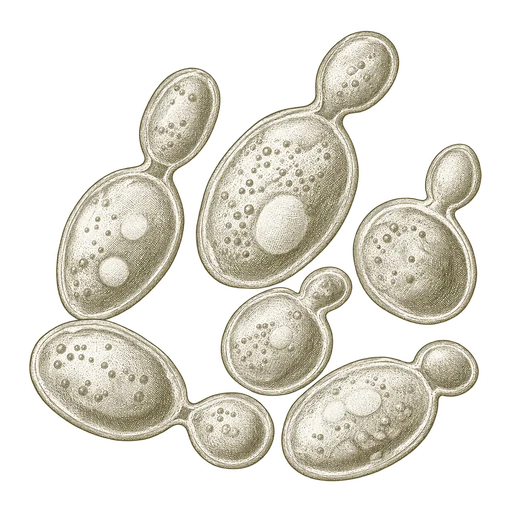
Yeast

Feed yeast covers distinct whole-cell, live, culture, extract, and cell-wall products. Compare source, processing, viability, and nutrient analysis to choose the form that fits an animal-feed formulation and bulk receiving plan.

Explore ingredient
Different ingredients need different measures

This collection spans dairy ingredients such as whey protein concentrate, whey protein isolate, lactose, milk permeate and milk protein concentrate; marine products including herring fish meal and menhaden fish oil; and plant or produce ingredients such as hemp, kale, kiwi, mango and mushrooms. Hominy and medium chips are also included. These are distinct materials, not a single quality class.

Analysis should fit the ingredient and its intended use. A protein result, for example, does not describe the same attributes as an oil analysis or an assessment of fresh or dried produce. Confirm what each product name means, which characteristics matter to your process, and whether reported values are on an as-is or dry-matter basis.

Compare specifications and lot results

For a bulk purchase, review the current specification and lot-specific certificate of analysis (COA). Check the ingredient identity, lot or sample reference, test methods, units, reporting basis and acceptance limits. Two results are comparable only when they refer to the same component and use compatible methods and units.

A named grade or a protein percentage alone does not establish that a particular lot meets your needs. Where application or safety requirements matter, match the documentation to the intended use rather than assuming that a food, feed or pet-food designation covers every formulation.

Match sampling and handling to the product

A lab result is useful only if the sample represents the lot. Agree on a sampling approach suited to the specific form and shipment; sampling guidance for forage, for example, should not be treated as a universal protocol for powders, oils or produce.

Handling also differs across powders, meals, oils and fresh or dried plant materials. Review product-specific storage instructions and any relevant moisture, oxidation or stability concerns before planning receiving and storage.

Common questions.

What should I check on a COA for a bulk ingredient?+

Confirm the ingredient and lot identification, measured components, test methods, units, reporting basis and acceptance limits. Check that the results address your intended use.

Can I compare protein results from two different COAs?+

Only if they refer to the same component and use compatible methods, units and reporting bases. Also verify that each result is tied to the relevant lot.

Does a listed protein percentage guarantee the result for my order?+

No. A category or product name does not guarantee a lot result. Check the agreed specification and the lot-specific COA.

Is one sampling plan suitable for all ingredients in this collection?+

No. Sampling should represent the particular product and lot. A method suited to forage, for example, should not automatically be applied to powders, oils or produce.

Ingredient quality and analysis · BUYER INSIGHTS

Go deeper before you source.

Focused guides to the specification, application, and delivery questions behind this ingredient.

FIELD GUIDE01Ingredient quality and analysis
Buyer’s guide

Planning bulk yeast feed storage and receiving

Bulk feed yeast receiving depends on the offered form. Dry inactive yeast, live dry products, liquids and extracts require product-specific packaging, unloading and storage planning—especially when a live product carries a viability guarantee.

Read this Insight
FIELD GUIDE02Ingredient quality and analysis
Buyer’s guide

Live yeast or inactive yeast: feed formulation questions

Live and inactive yeast answer different feed-formulation needs. Compare viability for products intended to supply live cells, and product identity and nutrient composition for inactive yeast ingredients.

Read this Insight
FIELD GUIDE03Ingredient quality and analysis
Buyer’s guide

How to compare feed yeast specifications and product identity

Feed yeast specifications are meaningful only when product identity is clear. Compare source, organism, processing, activity status, and analytical basis before using protein, viable-cell, or functional-component measures to evaluate bulk offers.

Read this Insight
FIELD GUIDE04Ingredient quality and analysis
Buyer’s guide

Planning bulk whole milk powder receiving and storage

Plan a bulk whole milk powder order around your facility’s receiving capacity, the package actually offered and manufacturer handling guidance. Prepare for unloading, protect the dry powder from moisture, and rotate stock according to product-specific instructions.

Read this Insight
FIELD GUIDE05Ingredient quality and analysis
Buyer’s guide

When instant whole milk powder matters in a dry mix

Choosing regular or instantized whole milk powder for a beverage or dry mix starts with how the finished product meets liquid. Compare dispersibility information and evaluate the offered powder under the intended mixing conditions.

Read this Insight
FIELD GUIDE06Ingredient quality and analysis
Buyer’s guide

How to compare whole milk powder specifications and analysis

Compare whole milk powder analysis on matching reporting bases and test methods. Learn how to read fat, protein, moisture and solubility results—and distinguish specification limits from lot-specific COA values.

Read this Insight