Start with the vegetable and processing method
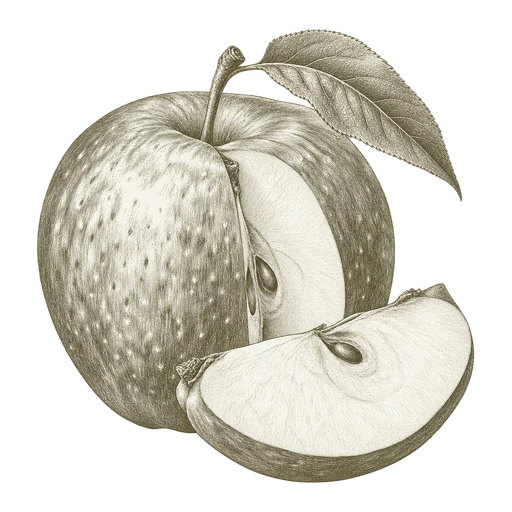
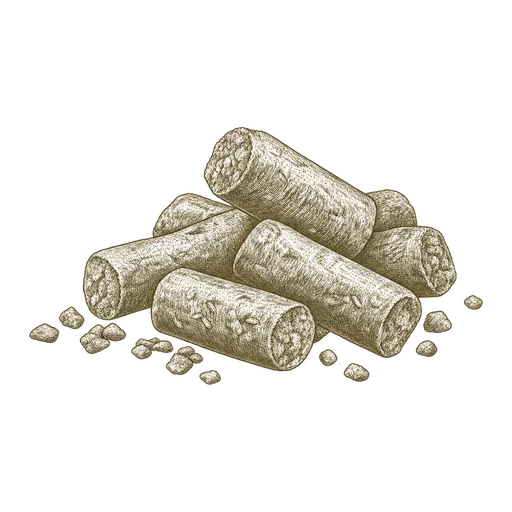
Vegetable pomace is a processing co-product, not a single standardized feed ingredient. Its identity depends on the vegetable and the operation that produced it. The material may include different proportions of pulp, peel, seeds, or other plant tissues, so the name alone does not tell a formulator what is in a lot.
Ask what vegetable was processed and how the residue was generated. A pomace from one vegetable or process should not be treated as nutritionally interchangeable with another. Processing details also help explain the material’s physical form and moisture condition, both of which affect how it can be handled and how its analysis should be interpreted.
Read moisture and nutrients together
Moisture is essential context for comparing vegetable pomace offers and incorporating the ingredient into a ration. When a material contains substantial water, a nutrient value expressed on an as-fed basis will not mean the same thing as that value on a dry-matter basis. Ask which basis is used and ensure the formulation uses a consistent one. Otherwise, apparent differences between ingredients or lots can be misleading.
Review the lot’s nutrient analysis with the person formulating the diet. Protein, fiber, fat, and ash may be relevant comparison points, but their importance depends on the rest of the ration and the target animal. The analysis should identify the material it represents and state its reporting basis. A category-level description of vegetable pomace cannot substitute for the actual lot’s identity and composition.
Match the evaluation to the animal and ration
There is no single inclusion rate or universal suitability conclusion for vegetable pomace. Different livestock species and production stages have different nutritional needs, and the role of an ingredient depends on the complete diet. A value or feeding approach considered in one formulation does not automatically transfer to another.
Share the intended species and production context with the nutrition professional responsible for the ration. They can assess the ingredient’s analysis alongside the other feed ingredients, the ration’s nutrient targets, and any constraints specific to the animals or operation. Do not infer an appropriate feeding level from the ingredient name alone or from information about a different vegetable pomace.
Use source-specific evidence, not category assumptions
Before a formulation decision, connect the analysis to the material being considered. Ask for the declared vegetable source and processing description, the relevant lot analysis, and an explanation of the analytical basis. If the material’s identity, composition, or moisture condition differs from what the nutrition professional evaluated, the formulation may need to be reassessed.
Keep the decision grounded in both the product and the diet: what the pomace is, what its analysis shows, and what the complete ration requires. This is particularly important when comparing offers described by the same broad name. Similar labels do not establish matching composition, processing history, or feeding value.
Turn the evaluation into a sourcing request
A useful inquiry identifies the vegetable pomace source and process, the quantity and delivery destination, and the intended livestock application. Include the nutrient values your nutrition professional needs, the required basis for those values, and any relevant receiving or handling constraints. These details help distinguish a material that can be evaluated for the ration from one that only matches the broad category name.
Once the analysis and material identity are clear, use the [vegetable pomace sourcing page](/ingredients/vegetable-pomace) to continue the bulk sourcing process. Commercial details such as packaging, order terms, and delivery arrangements depend on the specific offer and destination.
Common questions.
Can vegetable pomace be used in any livestock ration?+
Not on the basis of its category name alone. Vegetable source, processing, lot composition, target species, and the rest of the diet all matter. Have the nutrition professional responsible for the ration evaluate the actual material and its analysis.
Why does the moisture basis matter when comparing vegetable pomace?+
Moisture changes the relationship between an as-fed nutrient value and a dry-matter value. Comparing analyses reported on different bases can give a misleading impression of nutrient concentration. Identify the reporting basis and use it consistently in the formulation.
Does published information about one vegetable pomace establish an inclusion rate for another?+
No. Vegetable pomace varies by source and process, and a formulation decision also depends on the target animals and complete ration. Treat general information as context, not a lot-specific feeding recommendation.