Fruit-processing residueWet, dried or powderedFiber-containing ingredient
Ingredient intelligence · quote-ready sourcing
Blueberry PomaceBulk sourcing
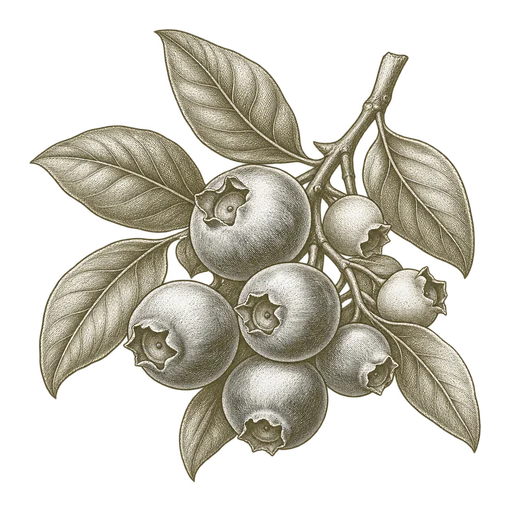
Blueberry pomace is fruit residue from juice or puree processing, sold as wet material, dried pomace or powder. Choose the form for your process and compare the offered lot’s moisture, particle form and composition.
Blueberry pomace is the residue left after fruit processing, including juice pressing and puree production. Skins, seeds, pulp and other solids may be present in different proportions, so the product name does not establish a single composition.
02
The material is available as wet residue, dried pomace or milled powder. Moisture removal and milling affect handling and physical properties; identify both when comparing offers or planning a formulation.
Fruit fiber in a co-product
Blueberry pomace contains dietary fiber, including pectin and other plant cell-wall components. The amount and composition depend on the fruit and processing route, making lot analysis important when fiber contributes to a formulation.
Fruit compounds can remain in the residue
Pomace from blueberry processing can retain anthocyanin-containing material. The amount depends on the process and drying conditions, so a result from a different material should not be treated as the offered product’s value.
Form affects processing behavior
Wet residue, dried pomace and milled powder differ in moisture and particle size. Those differences influence handling and how the ingredient interacts with a formulation, so the form should match the plant’s process.
SPECIFICATIONS
Blueberry Pomace specifications.
Lot details to compare
Characteristic
Why it matters
Source process
Juice-press residue and puree-processing residue can differ; process history helps identify the material.
Moisture and water activity
These measures help buyers assess dried-product handling and storage needs.
Physical form and particle size
Wet residue, dried material and milled powder handle differently and may behave differently in production.
Fiber and other composition measures
Request the measures relevant to the intended use and compare results using the same stated basis.
No single composition or handling specification applies to all blueberry pomace. Use current information for the offered lot rather than transferring values from a different process or study sample.
Food and feed applications
In food development, dried and milled pomace is of interest as a fruit-derived, fiber-containing ingredient. Its fiber and water- and oil-interaction properties can affect the texture and processing of a formulation. The right form depends on the recipe and equipment; a food application also requires the buyer to establish that the offered lot meets the applicable food handling and quality requirements.
Blueberry pomace has also been evaluated as a feed ingredient, but results from one dried product and one poultry trial do not establish suitability or an inclusion rate for other species, diets or feed programs. Feed buyers should have a qualified nutritionist assess the lot’s analysis and intended role rather than extrapolating from a different pomace or study.
Quality details that change the purchase
Start by identifying the source process—such as juice pressing or puree production—and whether the material is wet, dried or milled. These details help explain differences in composition and behavior. For dried products, moisture and water activity are useful storage-related measures; for powder, particle form should be described clearly.
Composition figures are meaningful only when the measurement basis is clear. If fiber or other components matter to a formulation or ration, request a current analysis for the offered lot and compare like with like. A study result from another process or sample is not a substitute for that information.
Bulk order and handling
A useful request states the required form, quantity and units, delivery destination, timing, and intended application. Include the packaging or receiving method your facility can handle. Wet and dried material have different moisture-management needs, so the distinction matters both for evaluating the offer and planning storage.
Set storage and handling requirements around the actual product and facility. Moisture and water activity are relevant to dried pomace storage, but research on controlled samples does not establish a commercial shelf life or universal storage limit. For any offered lot, agree on its specific handling information and quality documentation before purchase.
APPLICATIONS
Common uses for blueberry pomace.
01
Fiber-containing food formulations
Dried and milled pomace is of interest as a fruit-derived source of fiber. Its particle size and interactions with water and oil can affect texture and processing, so the selected form should be evaluated in the intended recipe and production equipment.
02
Food product development
Food developers can assess blueberry pomace as a functional fruit ingredient, with attention to its fiber, color and physical behavior. The properties of the actual lot and its food-use requirements need to be established before production.
03
Feed formulation
Dried blueberry pomace has been studied in a poultry diet, but that result does not establish a general use rate or suitability across species. Feed use requires evaluation of the offered lot by a qualified nutritionist in the context of the full ration.
ORDERING & DELIVERY
Blueberry Pomace delivery.
POINT 01
Define the order
Identify wet, dried or powdered pomace, the source process if known, quantity and units, destination, and timing. These details distinguish products with different moisture and handling needs and allow the shipment requirement to be evaluated clearly.
POINT 02
Arrange shipment and receiving
State the packaging or receiving method your facility can handle and any relevant unloading constraints. Wet residue and dry powder present different receiving and handling considerations, so describe the intended setup rather than assuming the forms are interchangeable.
POINT 03
Protect the product in storage
For dried pomace, include moisture and water activity information when planning storage and handling. Storage conditions should be matched to the offered material and facility; controlled study conditions do not establish a commercial shelf life or universal limit.
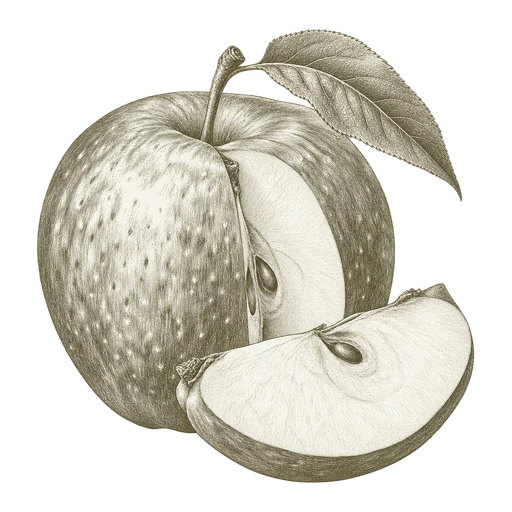
Apple pomace is an apple-pressing residue used in ruminant feed. Wet, dried and ensiled forms differ in moisture and preservation, so compare the actual form and lot analysis when assessing its role in a ration and planning bulk handling.
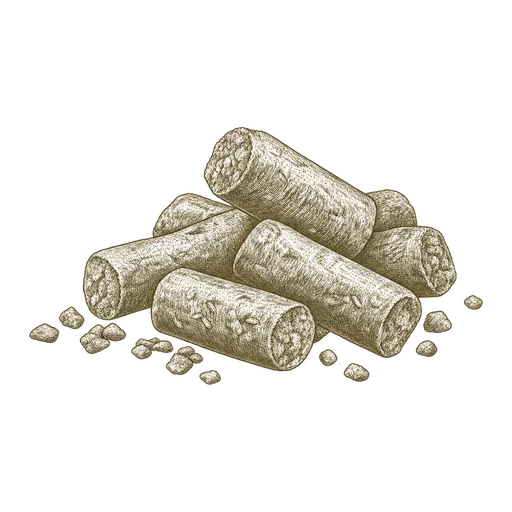
Beet pulp pellets are a dried, compacted sugar beet co-product used as a fibrous, energy-bearing ingredient in livestock feed. Compare molasses status, lot analysis and pellet handling needs to match the product to your ration and receiving setup.
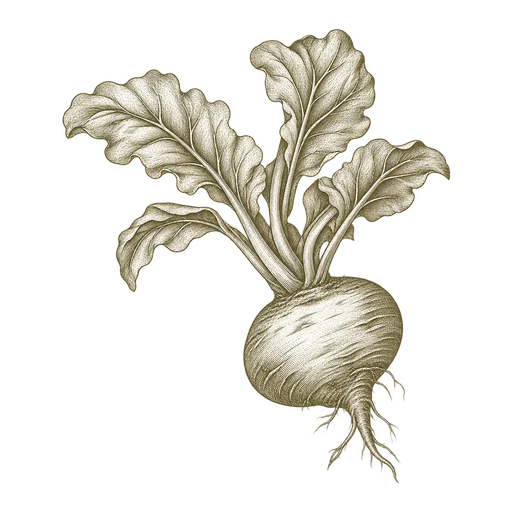
Beet pulp shreds are dried, shredded sugar-beet pulp used as a digestible-fiber ingredient in livestock and horse diets. Compare the offered form, additions and lot analysis, then match the shipment and dry-storage plan to your receiving setup.
Brewer’s yeast is a brewing-derived ingredient, but dried, liquid and further-processed yeast products are not interchangeable. Identify the intended use and exact form, then compare the lot analysis—especially crude protein for defined brewers dried yeast—before arranging a bulk order.
It is the fruit residue remaining after blueberry processing, such as juice pressing or puree production. The exact mix of skins, seeds, pulp and moisture depends on the process.
What is the difference between wet and powdered blueberry pomace?+
Wet pomace is a moist processing residue; powdered pomace is dried and milled. They differ in moisture, particle size and handling, so choose the form that fits the production process and compare lot information for the actual material.
What affects the delivered price of bulk blueberry pomace?+
The requested form, quantity, packaging, destination and timing affect the quote. Wet, dried and powdered products are different handling requirements, so include the form and receiving details in the request; commercial terms are confirmed for the specific offer.
START WITH A CLEAR BRIEF
Ready to source blueberry pomace?
Send your volume, destination, and key specifications. A broker can follow up with availability and commercial terms.