Independent sourcing. Better connections.Commercial buyers · Bulk ingredients
topic

Feed ingredient analysis

A buyer’s guide to analyzing and comparing bulk feed ingredients through lot-specific results, consistent moisture basis and representative sampling.

10 ingredients6 published Insights
EXPLORE THE COLLECTION

Feed ingredient analysis ingredients

Other Seeds & Grains

Rice (White or Brown)

Bulk rice is sourced as brown or milled white rice, with whole- and broken-kernel options. The right choice depends on the end use: milling form changes the grain’s composition, while grain type, kernel condition and lot analysis help determine whether it fits a food process or feed formulation.

Explore ingredient
Grains

Rice Bran

Rice bran is a rice-milling co-product used in animal feed. Compare full-fat, defatted and stabilized forms, identify any blended milling fractions, and review current analysis because oil content, fibre and storage behavior affect formulation and handling.

Explore ingredient
Seeds

Safflower

Safflower is an oilseed sold as whole seed, oil and oil-extraction meal. For feed buyers, meal's hull content and extraction method shape its protein, fiber and residual oil profile, so compare the actual product analysis and intended use.

Explore ingredient
Animal Products

Salmon Meal

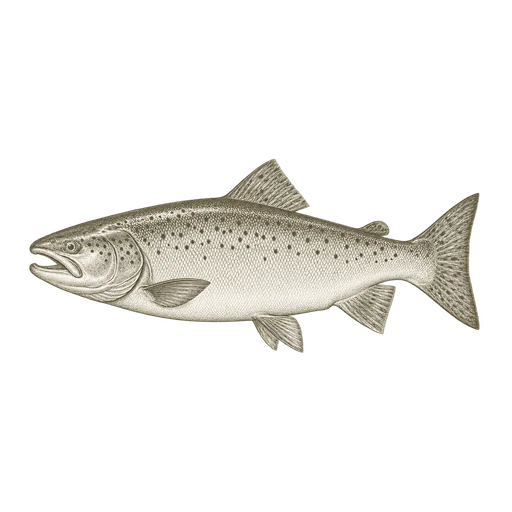
Salmon meal is dried, ground fish material used in aquaculture and animal feed formulations. Compare species identity, processing, and the offered analysis to determine how the meal fits your feed program and handling setup.

Explore ingredient
Seeds

Sesame

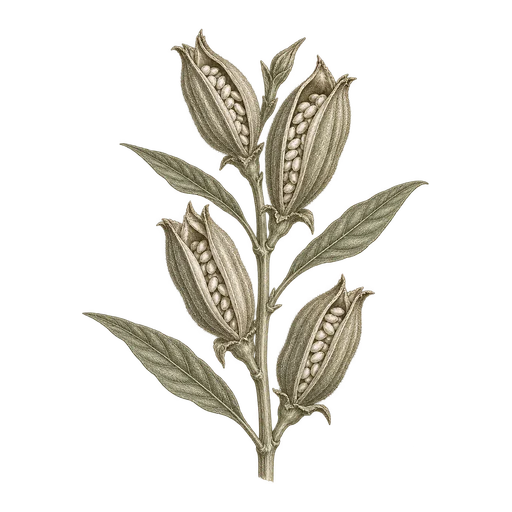
Sesame is an oilseed sourced as whole or hulled seed, oil, and oil-extraction meal. Processing changes flavor, composition and use, so identify the exact form and compare quality measures suited to that product before arranging a bulk order.

Explore ingredient
Starches/Fibers/Proteins

Tapioca Pellets

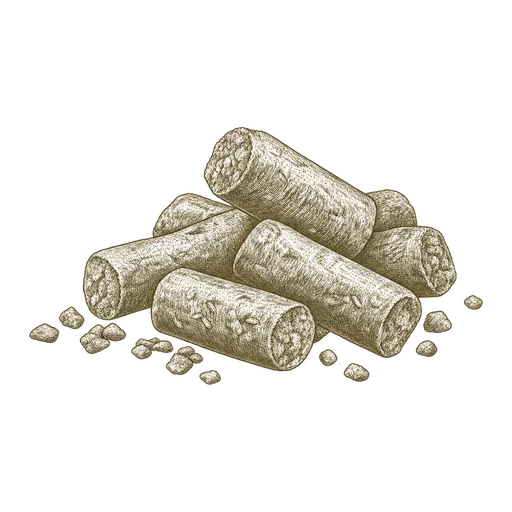
Tapioca pellets are a dried cassava-root feed ingredient used primarily as a carbohydrate and energy source in livestock rations. Their low protein content, variable composition and pellet-handling characteristics make ingredient identity, lot analysis and receiving equipment important parts of a bulk purchase.

Explore ingredient
Grains

Triticale

Triticale is a wheat–rye cereal grain used mainly in livestock feed, with separate food and forage applications. Compare whole or processed forms and evaluate each lot’s condition and analysis against its intended use.

Explore ingredient
Starches/Fibers/Proteins

Vegetable Pomace

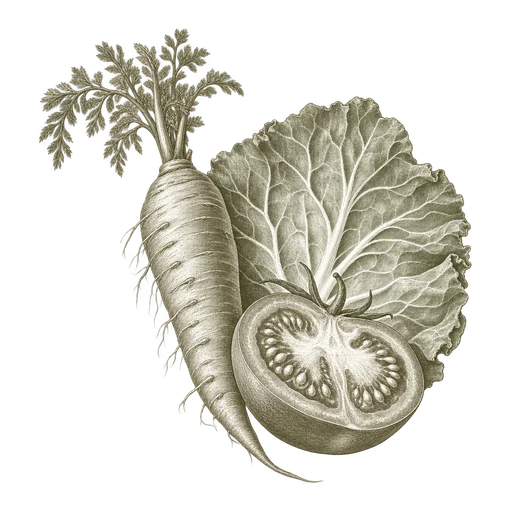
Vegetable pomace is a variable residue from vegetable processing, not a single standardized ingredient. Identify the source and processing, then compare wet or dried form, moisture and relevant analysis to determine whether a specific lot fits a feed or food application.

Explore ingredient
Pulses

Vetch

Common vetch is sourced as feed seed or as forage for grazing, hay and silage. These forms have different quality and handling considerations; identify the species, intended use and relevant lot analysis before comparing bulk offers.

Explore ingredient
Starches/Fibers/Proteins

Wheat Bran

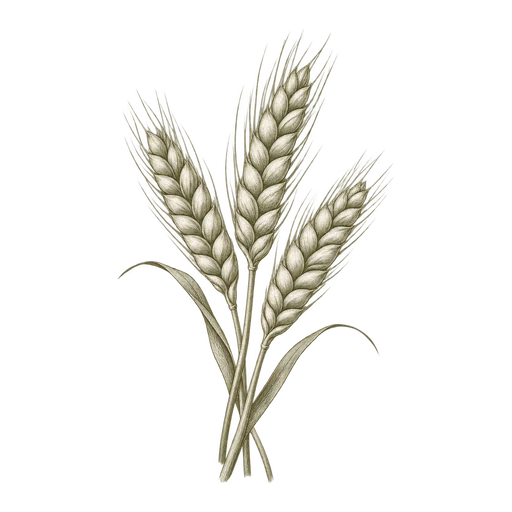
Wheat bran is the coarse outer layer separated during flour milling, used in livestock feed and as a fiber-containing food ingredient. Compare bran identity, flakes or meal, particle size and the analysis needed for your application.

Explore ingredient

What this collection covers

Feed ingredient analysis is a buying and formulation topic, not one standard specification. This collection brings together grains and milling fractions such as Rice (White or Brown), Rice Bran and Wheat Bran; seed ingredients including Safflower and Sesame; the legume Vetch; Salmon Meal; and processed or by-product materials such as Tapioca Pellets and Vegetable Pomace.

These materials differ in identity, processing and physical form, so they are not nutritionally interchangeable. An ingredient name alone does not establish its grade, composition, intended species or suitability for a particular ration.

Read results on a comparable basis

Start with a recent analysis that represents the lot being purchased. Check whether values are reported as-fed or on a dry-matter basis: moisture changes how much dry nutrient is present in each unit of delivered weight. Use the same basis when comparing offers and formulating a ration.

Depending on the ingredient and use, analysis may include moisture or dry matter, crude protein, fat, ash and fiber measures. A single measure does not describe the whole feed value; for example, crude fiber alone can be of limited use for estimating digestibility. Interpret results in the context of the ingredient and ration rather than treating book values as shipment specifications.

Sampling and bulk purchasing decisions

A lab result is only useful if the sample represents the lot. Agree on a sampling method suited to the material and ask the laboratory about its sample requirements. For bulk material, combining samples from multiple locations or from a moving stream can help capture variation; retain a backup sample when practical.

Before comparing bulk offers, confirm the exact material and form, analysis date and basis, moisture and storage condition, and relevant nutrient results. Pellets, meals, bran, seed and pomace can have different flow, mixing and storage needs. Where material history or intended use warrants it, ask whether targeted contaminant testing is relevant. Analysis informs formulation; it does not by itself set a suitable inclusion rate or establish suitability for every animal or use.

Common questions.

What should a bulk buyer request with a feed ingredient offer?+

Request a current, lot-specific lab report, the sampling date and method, the as-fed or dry-matter basis, and nutrient measures relevant to the ingredient and intended ration.

Can I compare prices using delivered weight alone?+

Not reliably when moisture differs. Compare on a consistent dry-matter or nutrient basis so the amount of water does not distort the comparison.

Are published feed composition values a substitute for lot analysis?+

No. Reference values describe typical or reference material, not the composition of a particular shipment. Use representative lot data for purchasing and formulation.

Does a feed ingredient analysis prove suitability for pets or human food?+

No. Feed analysis does not establish suitability for a different use context. Verify the relevant specification and safety requirements separately.

Feed ingredient analysis · BUYER INSIGHTS

Go deeper before you source.

Focused guides to the specification, application, and delivery questions behind this ingredient.

FIELD GUIDE01Feed ingredient analysis
Buyer’s guide

Planning bulk wheat bran receiving and storage

Plan bulk wheat bran receiving before the order is booked: match flakes or meal to your equipment, define quantity and delivery details, and prepare dry, protected storage.

Read this Insight
FIELD GUIDE02Feed ingredient analysis
Buyer’s guide

Wheat bran in swine rations: formulation questions to resolve

Wheat bran contributes fiber, energy and phosphorus to swine rations, but its formulation value depends on the offered lot’s analysis and how the nutritionist accounts for energy and phosphorus availability.

Read this Insight
FIELD GUIDE03Feed ingredient analysis
Buyer’s guide

How to compare wheat bran specifications and lot analysis

A wheat bran analysis is only comparable when product identity, analytical basis and test methods align. Learn how to assess moisture, protein, fiber, particle size, energy and phosphorus for a feed decision.

Read this Insight
FIELD GUIDE04Feed ingredient analysis
Buyer’s guide

Bulk vetch receiving and storage: seed, hay or silage?

Bulk vetch receiving depends on whether the shipment is seed, baled hay, silage or mixed forage. Match the product form to unloading equipment, packaging and storage conditions before arranging delivery.

Read this Insight
FIELD GUIDE05Feed ingredient analysis
Buyer’s guide

Common vetch seed in animal feed: formulation questions

Common-vetch seed formulation depends on the exact product, processing, lot analysis and intended animal group. Learn what to clarify with a nutrition professional before sourcing.

Read this Insight
FIELD GUIDE06Feed ingredient analysis
Buyer’s guide

Common vetch seed quality: which tests matter for feed?

A practical guide to interpreting moisture, protein, fiber and selected antinutritional-factor tests when evaluating common vetch seed for feed.

Read this Insight