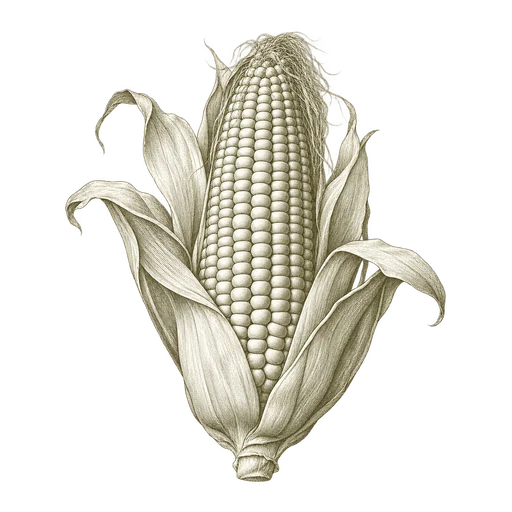
Grain-ethanol coproductDried animal-feed ingredientDDG and DDGS are distinct
Ingredient intelligence · quote-ready sourcing
Dried Distillers GrainsDDGS
Also searched as Distillers dried grains
Dried distillers grains are grain-ethanol coproducts used in animal feed. Distinguish DDG from DDGS, then compare the grain source, processing and current lot analysis against your formulation and receiving needs.
Dried distillers grains remain after grain starch is fermented during ethanol production. DDGS specifically includes solubles returned to the grains; the broader name dried distillers grains does not establish whether solubles are included.
02
Corn is a common feedstock, but grain source and processing affect the finished material. Solubles addition, oil extraction and drying can change composition, while moisture and particle properties also influence storage and movement.
A coproduct with a different nutrient balance
Fermentation removes much of the source grain’s starch, leaving a dried material that retains portions of its protein, fiber, fat and minerals. Its analysis, rather than the name alone, determines how it contributes to a ration.
Processing distinctions matter
Solubles addition and oil extraction affect the product being compared. Identifying these process details helps a nutritionist interpret the analysis and compare lots on a like-for-like basis.
Dry does not mean free-flowing
Dried distillers grains can cake or bridge. Moisture, fat, particle properties, temperature, humidity, storage duration and compaction can affect flow through storage and conveying equipment.
SPECIFICATIONS
Dried Distillers Grain specifications.
Characteristics to compare for a specific lot
Characteristic
Why it matters
DDG or DDGS identity
Establishes whether solubles are included in the dried grains.
Grain source
The source grain contributes to the product’s composition.
Solubles and oil-extraction status
Processing differences can change the composition being evaluated.
Moisture or dry matter
Affects the basis for comparing nutrient results and informs handling.
Protein, fat and fiber
Help the formulator assess the ingredient’s role in the ration.
Phosphorus, sulfur and relevant mycotoxin results
May be important to ration balancing or a feed-safety program.
Compare results using the same reporting basis. Required tests and acceptable values depend on the intended feed use and the specific lot.
Compare analysis on a useful basis
A current lot analysis is more useful for formulation than a generic DDGS description. Compare moisture or dry matter and the nutrients relevant to the intended ration, such as crude protein, fat and fiber. Check that the results use the same reporting basis; values on an as-fed basis and a dry-matter basis are not directly interchangeable.
Phosphorus and sulfur can also matter in ration balancing, particularly for cattle diets. Their levels are not fixed by the ingredient name. Where mycotoxins are relevant to your feed-safety program, include the required testing in the quality review. The nutritionist can determine which results and limits apply to the species and full diet.
Feed uses depend on species and formulation
DDGS is used as an animal-feed ingredient and can contribute protein, energy and phosphorus. It is used in cattle, dairy, swine, poultry and fish diets, but that does not make a single analysis or inclusion approach appropriate for every species. The measured composition, animal, ration and processing history all affect its role.
For beef cattle, distillers grains can contribute energy and protein, while sulfur and the ration’s calcium-to-phosphorus balance deserve attention. Other species have their own formulation considerations. Treat the product analysis as an input for the feed formulator, not as a stand-alone indication of how much to include.
Plan the bulk order around receiving and storage
For a useful quote, specify DDG or DDGS, grain source if required, quantity and unit, destination, timing and the analysis or testing your program needs. Include whether oil extraction or solubles addition matters to your formulation. Delivered cost depends on the offered product and the shipment’s volume, destination and timing; commercial terms are established for the specific offer.
Describe how the receiving site unloads and conveys dry feed ingredients, and what packaging it can accept. Caking and bridging can affect movement during storage and transport, so consider the facility’s bins and handling equipment alongside the offered material’s moisture and flow characteristics. Keep storage planning specific to the product and site rather than assuming that all dried distillers grains handle alike.
APPLICATIONS
Common uses for dried distillers grain.
01
Beef cattle
Distillers grains can contribute energy and protein to cattle rations. Use the lot analysis when balancing the full diet, with particular attention to sulfur and the ration’s calcium-to-phosphorus balance.
02
Dairy cattle
DDGS can contribute nutrients in dairy diets, but its role depends on the offered analysis and the rest of the ration. A dairy nutritionist can assess the lot against the herd’s formulation needs.
03
Swine
DDGS is used in swine diets, where the product’s composition and processing history inform formulation. Compare the lot analysis with the specifications used by the feed formulator.
04
Poultry and fish
Distillers grains are also used in poultry and fish diets. The appropriate product characteristics depend on the species and ration, so one feed analysis should not be assumed to fit all uses.
ORDERING & DELIVERY
Dried Distillers Grain delivery.
POINT 01
Define the order
Specify DDG or DDGS, the grain source and any relevant solubles or oil-extraction distinction, along with quantity, unit, destination and timing. These details clarify what material is being priced and where it must be received.
POINT 02
Match shipment to receiving
Describe the packaging your facility can accept, its unloading equipment and how the material moves into storage. Dried distillers grains can cake or bridge, so the receiving arrangement and the offered material’s handling characteristics belong in shipment planning.
POINT 03
Protect flow in storage
Plan storage with the material’s moisture and flow behavior in mind. Humidity, temperature, storage duration and compaction can affect flow, so align the storage and conveying plan with the facility and the specific product.
Alfalfa is a forage legume sourced as hay, silage, meal or pellets for livestock feed. Match the form to receiving and ration needs, then compare a lot-specific analysis on a consistent basis.
Alfalfa meal is ground forage used in animal feed, with sun-cured and dehydrated processing routes and meal or pellet forms. Compare the offered process, physical form and analysis against the needs of the species and feed formulation.
Alfalfa pellets are ground, compressed forage used in livestock feeding and compound feeds. Compare the drying process, alfalfa material, forage analysis and pellet characteristics to choose a form that fits your ration and receiving setup.
Beet pulp pellets are a dried, compacted sugar beet co-product used as a fibrous, energy-bearing ingredient in livestock feed. Compare molasses status, lot analysis and pellet handling needs to match the product to your ration and receiving setup.
DDG refers to dried distillers grains; DDGS means dried distillers grains with solubles returned to the grains. The product name alone may not make the distinction clear, so identify which material you need when comparing an offer.
Which analysis should I compare when sourcing dried distillers grains?+
Start with a current lot analysis and compare moisture or dry matter, protein, fat and fiber on the same reporting basis. Phosphorus, sulfur and mycotoxin results may also matter depending on the species, ration and feed-safety program.
What affects delivered pricing for dried distillers grains?+
The product identity and analysis, order quantity, destination and timing affect a delivered quote. Packaging and the receiving arrangement can also affect shipment planning; the specific commercial terms depend on the offer.
START WITH A CLEAR BRIEF
Ready to source dried distillers grain?
Send your volume, destination, and key specifications. A broker can follow up with availability and commercial terms.