A protein co-product for feed formulation
Cottonseed meal supplies protein in animal-feed formulations. Comparing its crude protein with a stated moisture basis helps nutritionists avoid treating as-fed and dry-matter results as equivalent.
Ingredient intelligence · quote-ready sourcing
Also searched as Cottonseed oil meal
Cottonseed meal is a protein-containing co-product of cottonseed oil extraction used in animal feed. Processing affects its composition and gossypol characteristics, so compare a lot’s analysis and intended-species requirements before choosing an offer.
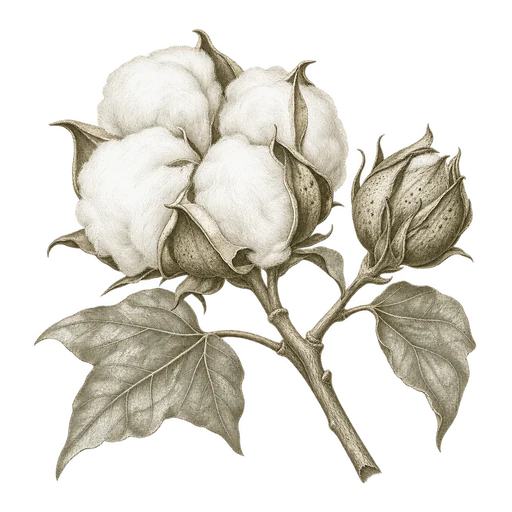
Cottonseed meal is produced by extracting oil from cottonseed and grinding the remaining material. It is distinct from whole cottonseed and cottonseed hulls, and should be distinguished from cottonseed cake when evaluating an offer.
The amount of hull removed, extraction method and heat treatment affect nutrient composition and gossypol characteristics. These processing differences make a current lot analysis more useful than a generic protein figure.
Cottonseed meal supplies protein in animal-feed formulations. Comparing its crude protein with a stated moisture basis helps nutritionists avoid treating as-fed and dry-matter results as equivalent.
Hull removal and oil-extraction and heat-treatment steps affect the finished meal. Knowing these characteristics helps explain differences in fiber, residual oil and nutrient availability between offers.
Cottonseed naturally contains gossypol, and processing affects its free and bound forms. A measured free-gossypol result, considered alongside the target species and full ration, is more informative than protein alone.
| Characteristic | Why it matters |
|---|---|
| Crude protein and reporting basis | Protein results reported as-fed and on a dry-matter basis are not directly interchangeable. |
| Free gossypol | Helps evaluate the material for the target species and complete diet. |
| Moisture, crude fiber, residual oil and ash | These measures describe important compositional differences between lots and processing outcomes. |
| Processing and hull removal | Extraction, heat treatment and the degree of dehulling affect composition and gossypol characteristics. |
| Amino-acid profile and relevant contaminant tests | These may be needed for the intended formulation and feed-program risk assessment. |
Request a current lot analysis and distinguish measured lot results from typical values or guarantees. No universal cottonseed meal specification is implied.
Cattle diets use cottonseed meal as a protein supplement, but animal class matters. Guidance for cattle distinguishes young animals and breeding bulls as groups requiring particular attention to gossypol. These considerations do not translate into one universal inclusion rate for every product or ration.
For swine and poultry, gossypol and amino-acid availability also matter. Poultry formulation must account for the offered meal’s characteristics and the rest of the ration; guidance for low-gossypol material in a specific broiler formulation should not be treated as a general allowance for ordinary cottonseed meal. Feed mills and nutritionists should evaluate the actual lot for its intended species and use.
Compare a current lot analysis that reports crude protein with its basis, moisture, crude fiber, residual oil or fat, ash and free gossypol. Ask whether results are lot-specific or typical values, and note the analytical method where it affects comparison. Protein values from different bases can appear different without describing an equivalent product.
Depending on the feed program and its risk assessment, amino-acid information and testing for aflatoxin or other relevant contaminants may also be important. Use the offered product’s documentation and formulation review rather than a generic book value to judge whether the meal belongs in a specific feed.
A useful bulk request identifies meal rather than cake, the required quantity and unit, destination and timing. It also describes whether the facility can receive the offered packaging or bulk arrangement and what equipment is available for unloading and mixing. These details affect which offers and freight arrangements can be considered.
Cottonseed meal storage needs to account for moisture and spoilage. Before ordering, establish how the product will be protected and handled at the destination, and obtain the offered lot’s handling guidance. Packaging, storage conditions and commercial terms depend on the specific offer.
Cottonseed meal is used as a protein supplement in cattle diets. Evaluate the actual meal and its free-gossypol result for the animal class and complete ration; considerations differ for young animals and breeding bulls.
Swine formulations need to account for free gossypol and the effects of processing on lysine availability. The nutritionist should assess the offered lot in the context of the complete diet rather than relying on a meal protein figure alone.
Poultry use depends on the offered meal’s characteristics and formulation. Gossypol and amino-acid availability are relevant; findings for low-gossypol meal in a particular broiler diet do not establish general suitability for other cottonseed meal.
Feed manufacturers can evaluate cottonseed meal as a protein ingredient using its lot analysis and the intended species’ formulation requirements. Particle characteristics and the facility’s mixing and receiving setup also matter.
Identify cottonseed meal rather than cake, then provide the quantity and unit, destination and requested timing. Include any processing or quality requirements because they affect which product is appropriate for the intended feed.
Describe the packaging or bulk arrangement your facility can receive, along with unloading and mixing equipment. These details help assess whether a specific offer can be handled at the destination; packaging and freight terms are offer-dependent.
Plan how the receiving site will manage moisture and prevent spoilage during storage and handling. Ask for handling guidance for the offered material and align it with the facility’s storage conditions; no universal shelf life or storage limit is assumed.
Alfalfa is a forage legume sourced as hay, silage, meal or pellets for livestock feed. Match the form to receiving and ration needs, then compare a lot-specific analysis on a consistent basis.
Explore ingredientAlfalfa meal is ground forage used in animal feed, with sun-cured and dehydrated processing routes and meal or pellet forms. Compare the offered process, physical form and analysis against the needs of the species and feed formulation.
Explore ingredientAlfalfa pellets are ground, compressed forage used in livestock feeding and compound feeds. Compare the drying process, alfalfa material, forage analysis and pellet characteristics to choose a form that fits your ration and receiving setup.
Explore ingredientBeet pulp pellets are a dried, compacted sugar beet co-product used as a fibrous, energy-bearing ingredient in livestock feed. Compare molasses status, lot analysis and pellet handling needs to match the product to your ration and receiving setup.
Explore ingredientCottonseed meal is the ground co-product remaining after oil is extracted from cottonseed. It is used as an animal-feed ingredient and is distinct from whole cottonseed and cottonseed hulls.
Gossypol is a naturally occurring cottonseed compound, and its free form is a feed-safety concern. Processing affects its form, so protein percentage or a general processing description cannot establish suitability. Compare a measured free-gossypol result with the requirements for the target species and complete diet.
The product and its analysis, order quantity, destination, timing and freight arrangement affect a delivered quote. Packaging and receiving requirements also matter; the broker handling the inquiry can confirm the commercial terms of a specific offer.
Send your volume, destination, and key specifications. A broker can follow up with availability and commercial terms.