A mix of corn fractions
Bran, germ and starch contribute different components to the co-product. Their proportions affect the lot’s protein, fat, fiber and starch-related values, making analysis important when comparing offers.
Ingredient intelligence · quote-ready sourcing
Also searched as Hominy feed
Hominy feed is a variable corn-milling co-product used in livestock diets, distinct from nixtamalized food hominy. Compare the actual physical form and lot analysis, then evaluate its role in the complete ration and plan receiving and moisture-conscious storage.
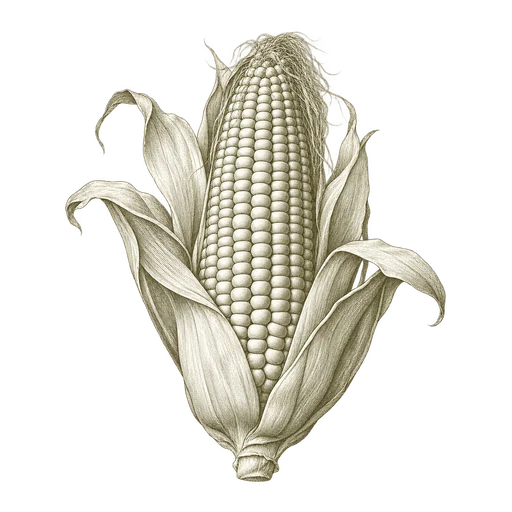
Hominy feed is a dry-milling co-product made from corn bran, germ and some starch during production of corn food products such as hominy grits. It is a livestock-feed ingredient, not the nixtamalized corn product sold for human food.
The ingredient has no single established particle size or market form. Some material can be powdery, so physical form matters to feed mixing and receiving. Composition also varies; a current lot analysis is more useful for ration decisions than assuming a fixed nutrient profile.
Bran, germ and starch contribute different components to the co-product. Their proportions affect the lot’s protein, fat, fiber and starch-related values, making analysis important when comparing offers.
Hominy feed can replace part of the corn in swine diets, but its variable composition means the amount must be considered in the context of the full ration rather than treated as a fixed equivalent.
Powdery material can behave differently during receiving and feed mixing than a larger, processed component. Establishing the offered form helps determine whether the facility’s equipment and feeding method are appropriate.
| Characteristic | Why it matters |
|---|---|
| Moisture or dry matter | Provides the basis for interpreting nutrient values and informs moisture-conscious storage. |
| Crude protein, fat and fiber | Helps characterize the corn co-product and compare its contribution to the ration. |
| Starch or energy-related values | Supports evaluation of the ingredient as part of the complete diet. |
| Relevant minerals, including calcium | Mineral analysis matters in ration balancing; calcium is generally low and can vary. |
| Physical form | A powdery or more processed form can affect receiving, mixing and feeding. |
These are comparison measures, not guaranteed offered values. Compare lot results on the same analytical basis and use current analysis for formulation.
Hominy feed has no single standard particle size or physical form established across the market. Some material can be powdery, which affects handling and how it moves through a feed-mixing process. Ask about the actual form instead of assuming that every offer is a meal, powder or pellet.
Form also matters by species and feeding method. Extension guidance for horses specifically cautions about variable nonstructural carbohydrate and high-starch feeding, and recommends pelleting powdery material. Those horse-specific considerations should not be transferred to cattle or swine diets; species and ration decisions belong with a qualified nutritionist.
Cattle feeders use hominy feed as an energy-bearing corn co-product, with its variable composition taken into account during ration formulation. Swine diets can use it as a partial corn replacement; its starch and oil content distinguish it from some other corn co-products. Neither use supports a single inclusion recommendation for every operation.
The appropriate amount depends on the lot analysis, the rest of the diet and the animal group. For any species, have a qualified nutritionist evaluate current analysis against the complete ration. Hominy feed should not be confused with nixtamalized hominy foods, and the available feed evidence does not establish it as a human-food or pet-food ingredient.
Moisture management matters because by-product feeds can shrink, mold or spoil when stored improperly. There is no universal hominy-feed storage threshold or shelf-life figure established here, so base handling plans on the offered material and its storage guidance. Fine or powdery material also makes it important to understand the receiving facility’s unloading and conveying capabilities before arranging delivery.
A useful bulk request identifies the product as hominy feed, the required physical form, quantity and unit, destination, timing, receiving method and quality requirements. Delivered pricing depends on the offered lot and shipment details, including destination and freight; these commercial terms are settled for the specific order.
Hominy feed is used as an energy-bearing corn co-product in cattle rations. Because composition varies, evaluate its analysis alongside the other ingredients and the complete diet rather than applying a universal inclusion rate.
Hominy feed can serve as a partial corn replacement in swine diets. Its starch and oil characteristics distinguish it from some other corn co-products, but the suitable amount depends on the lot and the full formulation.
Feed mills can evaluate hominy feed as a corn-derived ration component. The material’s actual form matters for conveying and mixing, while current analysis informs formulation.
Specify hominy feed for animal-feed use, the desired physical form, quantity and unit, destination, and timing. Naming the product clearly distinguishes it from nixtamalized food hominy and helps align the offered material with the intended ration.
Describe the receiving method, unloading equipment and any site constraints. The actual form matters: fine or powdery material can require different handling from a larger processed component, so the receiving setup should match the material being offered.
Plan for moisture-conscious storage and follow handling guidance for the specific material. Improper storage can contribute to shrinkage, mold or spoilage; there is no universal hominy-feed storage threshold or shelf-life figure to assume.
Alfalfa is a forage legume sourced as hay, silage, meal or pellets for livestock feed. Match the form to receiving and ration needs, then compare a lot-specific analysis on a consistent basis.
Explore ingredientAlfalfa meal is ground forage used in animal feed, with sun-cured and dehydrated processing routes and meal or pellet forms. Compare the offered process, physical form and analysis against the needs of the species and feed formulation.
Explore ingredientAlfalfa pellets are ground, compressed forage used in livestock feeding and compound feeds. Compare the drying process, alfalfa material, forage analysis and pellet characteristics to choose a form that fits your ration and receiving setup.
Explore ingredientBeet pulp pellets are a dried, compacted sugar beet co-product used as a fibrous, energy-bearing ingredient in livestock feed. Compare molasses status, lot analysis and pellet handling needs to match the product to your ration and receiving setup.
Explore ingredientHominy feed is a corn dry-milling co-product made up of bran, germ and some starch. It is distinct from nixtamalized hominy intended for human food.
Compare a current lot analysis for moisture or dry matter, crude protein, fat, fiber, starch or energy-related values, and relevant minerals. Check whether results are reported as-fed or on a dry-matter basis, and use the analysis with a nutritionist to evaluate the complete ration.
Protect it from moisture and poor storage conditions that can contribute to shrinkage, mold or spoilage. Ask for handling guidance for the offered material and account for its actual physical form, especially if it is fine or powdery; there is no universal storage threshold or shelf-life figure established here.
Send your volume, destination, and key specifications. A broker can follow up with availability and commercial terms.