Fiber-rich fruit solids
Dietary fiber is a major component of cranberry pomace. Soluble and insoluble fractions can be reported separately, which matters when a food formulation has a particular fiber or texture objective.
Ingredient intelligence · quote-ready sourcing
Also searched as Cranberry press cake
Cranberry pomace is a variable cranberry-processing coproduct used in food research and, in limited research, poultry diets. Compare wet, dried and processed forms by moisture, analysis basis and intended application.
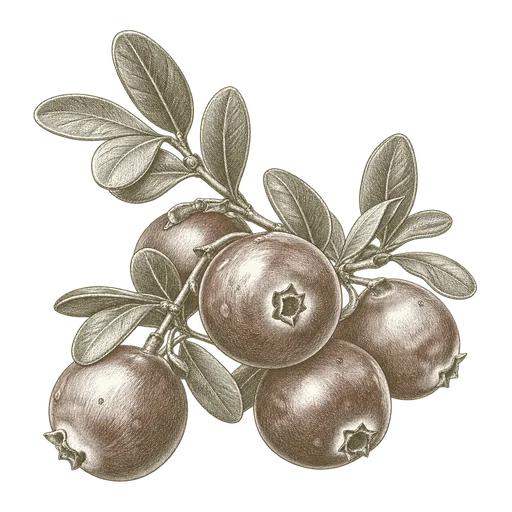
Cranberry pomace is the solid material remaining after cranberry processing, especially juice extraction. It commonly contains skins and seeds, but the exact solids depend on the process; it is not a single standardized ingredient.
Offers can differ substantially in moisture and processing. Wet press cake, dried powder, freeze-dried material and enzyme-modified pomace are not interchangeable, and extracted phenolic fractions are distinct from whole pomace.
Dietary fiber is a major component of cranberry pomace. Soluble and insoluble fractions can be reported separately, which matters when a food formulation has a particular fiber or texture objective.
Pressing, drying, grinding and other treatments produce different moisture and particle profiles. Identifying the process helps a formulator judge how the material will fit a recipe or mixing step.
Moisture changes the amount of dry matter in a delivered weight. Comparing results on the same as-received or dry-matter basis avoids treating wet and dried pomace figures as equivalent.
| Characteristic | Why it matters |
|---|---|
| Form and processing | Distinguishes wet press cake, dried or ground pomace, modified material and extracted fractions. |
| Moisture or total solids | Shows how much water is present and supports comparison of dry matter per delivered weight. |
| Dietary fiber and method | Fiber is a major component; soluble and insoluble results and the test method clarify what is being reported. |
| Analytical basis | States whether composition is reported as received or on a dry-matter basis. |
| Particle size and phenolics | Particle size can affect formulation behavior; phenolic measurements are relevant when the application depends on them. |
Published values are specific to individual samples and methods, not a universal cranberry pomace specification. Compare lot results using stated units, methods and analytical basis.
Moisture or total solids, dietary fiber, protein, fat and ash help characterize a lot. Ask whether results are reported as received or on a dry-matter basis; without a shared basis, figures for wet and dried pomace are not directly comparable. Fiber results also depend on the analytical method and may distinguish soluble from insoluble fiber.
Particle size matters when pomace must disperse or contribute texture in a food formulation. For applications that depend on phenolic content, request the relevant measurement rather than assuming that total pomace and an extracted fraction have equivalent composition.
Food research has evaluated cranberry pomace powder as a fiber-containing ingredient in products such as yogurt. Its fiber and fruit solids can affect composition and texture, so the amount and form need to be tested in the intended recipe; results from one formulation do not establish the same performance in another.
Poultry research has examined cranberry pomace in broiler diets, but that evidence does not establish inclusion rates, suitability for other species or a general feeding recommendation. Feed use requires a formulation review and applicable documentation. Human-food findings do not establish feed suitability, and feed research does not establish food-ingredient status.
Cranberry pomace can contribute fruit solids and dietary fiber to formulated foods. Wet, dried and milled forms differ in moisture and particle size, so formulation trials should use the form being considered.
Research has tested pomace powder in yogurt, where the ingredient affected fiber content and product texture. Those outcomes are formulation-specific; they do not guarantee the same result at other addition levels or in other products.
Cranberry pomace has been studied as a material for extracting phenolic compounds. An extracted fraction is a separate ingredient from whole pomace and should be specified accordingly.
Broiler research has examined cranberry pomace in diets, but it does not establish a general feeding recommendation, inclusion rate or suitability for other species. Any feed formulation requires separate technical and documentation review.
Specify wet press cake, dried or ground pomace, modified material or an extracted fraction, along with quantity and unit, destination and timing. The form matters because moisture and processing change the product being delivered.
State the packaging and unloading method your facility can receive, and identify any receiving constraints. Wet and dried material present different receiving needs, so the shipment arrangement should match the offered form and site equipment.
Wet and dried pomace have different moisture profiles, and research does not establish one commercial storage condition or shelf life for all forms. Obtain handling conditions for the specific material and plan to keep it protected from moisture and contamination during storage.
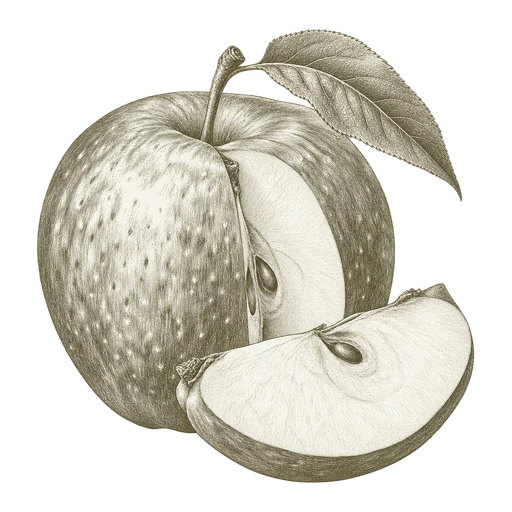
Apple pomace is an apple-pressing residue used in ruminant feed. Wet, dried and ensiled forms differ in moisture and preservation, so compare the actual form and lot analysis when assessing its role in a ration and planning bulk handling.
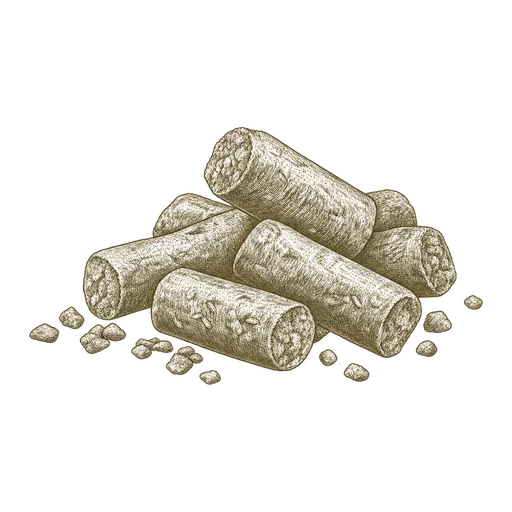
Explore ingredientBeet pulp pellets are a dried, compacted sugar beet co-product used as a fibrous, energy-bearing ingredient in livestock feed. Compare molasses status, lot analysis and pellet handling needs to match the product to your ration and receiving setup.
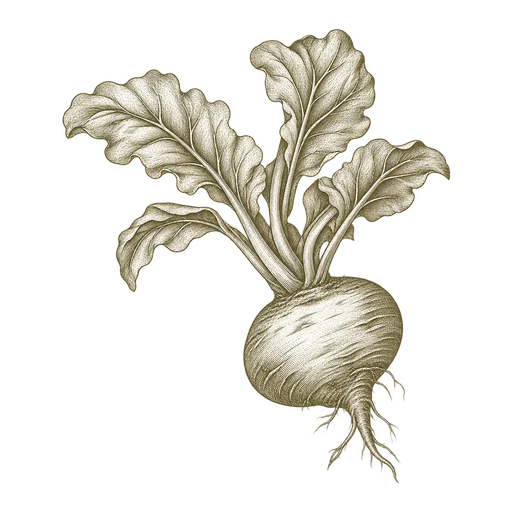
Explore ingredientBeet pulp shreds are dried, shredded sugar-beet pulp used as a digestible-fiber ingredient in livestock and horse diets. Compare the offered form, additions and lot analysis, then match the shipment and dry-storage plan to your receiving setup.
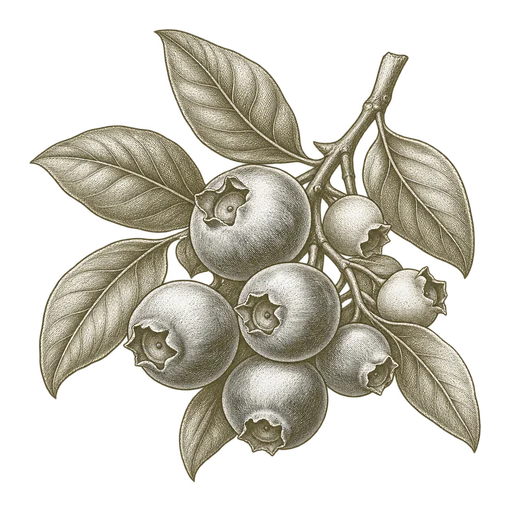
Explore ingredientBlueberry pomace is fruit residue from juice or puree processing, sold as wet material, dried pomace or powder. Choose the form for your process and compare the offered lot’s moisture, particle form and composition.
Explore ingredientCranberry pomace is the solid material remaining after cranberry processing, particularly juice extraction. It generally includes skins and seeds, while the exact solids and composition depend on the process.
Wet pomace contains more water than dried pomace, so the two differ in solids delivered per unit weight and cannot be compared fairly without moisture or total-solids data. Drying and milling also affect physical form; compare the processing history and analysis basis.
Useful measures include moisture or total solids, dietary fiber, protein, fat and ash, with units and an as-received or dry-matter basis. Particle size and phenolic measurements can matter for particular applications; the relevant test method should be stated.
Send your volume, destination, and key specifications. A broker can follow up with availability and commercial terms.